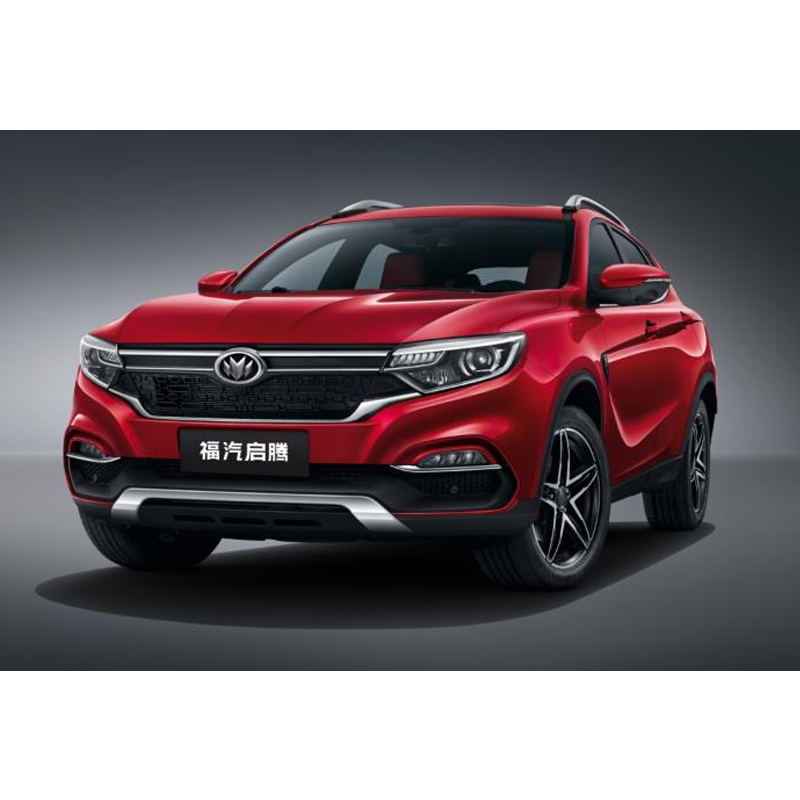
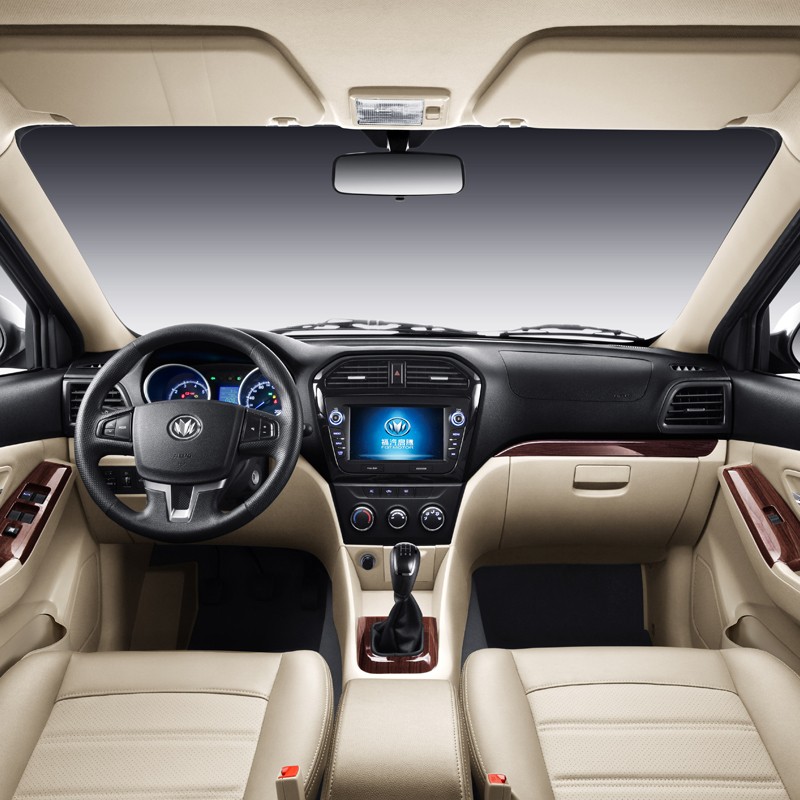
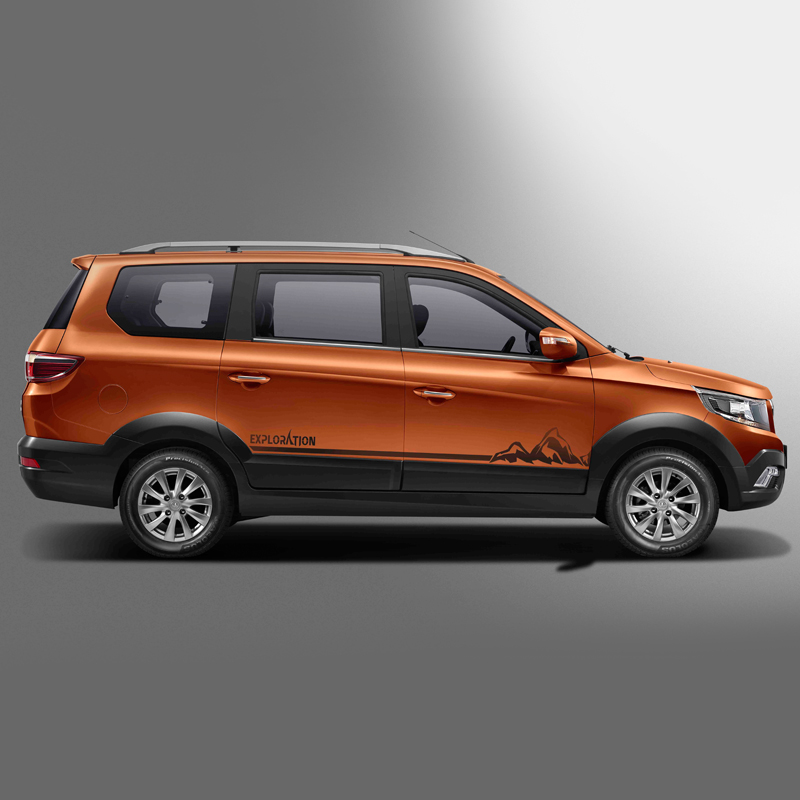
Sport/Suburban Utility Vehicle (SUV)
Source high-quality Sport/Suburban Utility Vehicles (SUVs) in bulk from vetted manufacturers and suppliers in Asia. Designed for automotive importers, regional distributors, and fleet operators, our network supports wholesale vehicle procurement, OEM/ODM custom builds, and comprehensive homologation compliance for your target market.
Sourcing Sport/Suburban Utility Vehicles (SUVs) at scale requires navigating a complex matrix of powertrain technologies, regional homologation standards, and intricate logistics. With Asian manufacturers currently dominating the export of Battery Electric Vehicles (BEVs) and Plug-in Hybrid Electric Vehicles (PHEVs), commercial buyers have unprecedented access to advanced automotive platforms. However, successfully importing vehicles in volume—whether as Completely Built Up (CBU) units or Knocked Down (SKD/CKD) kits for local assembly—demands rigorous supplier verification and a deep understanding of international automotive compliance.
Powertrain and Platform Specifications
When procuring SUVs for commercial distribution or fleet deployment, the underlying vehicle architecture dictates both market viability and regulatory compliance. Buyers must specify detailed technical parameters long before initiating production.
For internal combustion (ICE) and hybrid models, engine displacement, emission standards (e.g., Euro 5 or Euro 6), and transmission types (CVT, DCT, or AT) are primary considerations. However, the bulk of modern B2B sourcing focuses on New Energy Vehicles (NEVs). When sourcing electric SUVs, critical specifications include:
- Battery Chemistry and Capacity: Lithium Iron Phosphate (LFP) offers superior thermal stability and lower costs, making it ideal for standard-range fleet SUVs. Nickel Manganese Cobalt (NMC) provides higher energy density for premium, long-range models. Capacities typically range from 50 kWh to over 90 kWh.
- Motor Output and Configuration: Specify single-motor (FWD/RWD) or dual-motor (AWD) setups, noting continuous versus peak power output (measured in kW) and torque (Nm).
- Thermal Management: Advanced liquid cooling and heat pump systems are essential for maintaining battery efficiency in extreme climates.
- Electrical Architecture: 400V systems are standard, but 800V architectures are increasingly required for ultra-fast DC charging capabilities.
Navigating EV platform specifications and factory capabilities is complex. Let our automotive sourcing experts help you identify the right manufacturing partner.
Talk to our teamManufacturing Standards and Quality Control
Automotive manufacturing leaves zero room for error. A reliable supplier must operate under strict quality management systems, specifically IATF 16949, which governs automotive supply chains.
Evaluating an SUV manufacturer requires looking past the showroom and onto the assembly line. Critical areas to assess during factory audits include the automation level in the stamping and welding workshops, the precision of the laser brazing processes, and the consistency of the electrophoretic painting (e-coating) systems which prevent chassis corrosion.
For electric SUVs, battery pack integration and high-voltage safety testing are paramount. Every unit must undergo end-of-line testing, including wheel alignment, brake force distribution, water ingress testing, and software flashing for Advanced Driver Assistance Systems (ADAS).
Pre-Shipment Inspection Focus Areas
- High-voltage system integrity and insulation resistance (for EVs)
- Panel gap consistency and paint thickness uniformity
- Software localization and infotainment system language/functionality
- Chassis dynamometer testing for drivetrain performance
- Verification of VIN stamping and homologation labeling
Homologation and Regulatory Compliance
The most significant barrier to importing SUVs is homologation—the process of certifying that a vehicle meets the regulatory requirements of the destination country. A vehicle designed for the Chinese domestic market cannot simply be exported without modification.
Depending on your region, the vehicles must comply with frameworks such as UNECE (Europe and broad international acceptance), FMVSS/DOT (United States), or GCC (Middle East). This dictates everything from lighting configurations and crash safety structures to pedestrian protection and emission controls. Engaging in rigorous compliance and testing early in the sourcing process is non-negotiable to prevent customs seizures or unsellable inventory.
Procurement Mechanics: MOQ, Pricing, and Logistics
Sourcing vehicles differs vastly from standard consumer goods. While some trading companies offer low Minimum Order Quantities (MOQs) for stock vehicles, establishing a direct relationship with a manufacturer for customized or localized models requires significant volume commitments.
For buyers looking to establish their own automotive brand, OEM/ODM services allow for custom badging, localized software, and specific interior trims, though this drastically increases the required investment.
Shipping Strategies: CBU vs. SKD/CKD
Logistics heavily influence the landed cost of an SUV. Buyers must decide between importing whole vehicles or utilizing knock-down kits to save on import tariffs and freight costs. Coordinating this requires expert shipping and freight management.
| Format | Description | Logistics | Tariff Impact |
|---|---|---|---|
| CBU (Completely Built Up) | Fully assembled vehicle ready for sale. | RoRo vessels or 2-3 units per 40HQ container. | Highest import duties in most regions. |
| SKD (Semi-Knocked Down) | Partially assembled; engine/battery separate. | Containerized shipping, highly efficient. | Moderate tariff reduction; requires basic assembly facility. |
| CKD (Completely Knocked Down) | Unassembled parts requiring full welding/painting. | Maximum container density. | Lowest tariffs; requires full automotive assembly plant. |
Need to optimize your automotive supply chain? We can help you evaluate the true landed cost of CBU versus SKD operations.
Get a free consultationFrequently Asked Questions
Successfully importing SUVs requires more than just finding a competitive unit price; it demands a comprehensive strategy covering regulatory compliance, factory-level quality assurance, and optimized logistics. Securing the right manufacturing partner ensures your fleet meets local standards while maintaining long-term reliability.
Get Sourcing Help for Sport/Suburban Utility Vehicle (SUV)
Tell us your requirements and our experts will connect you with verified manufacturers.