Sportbikes
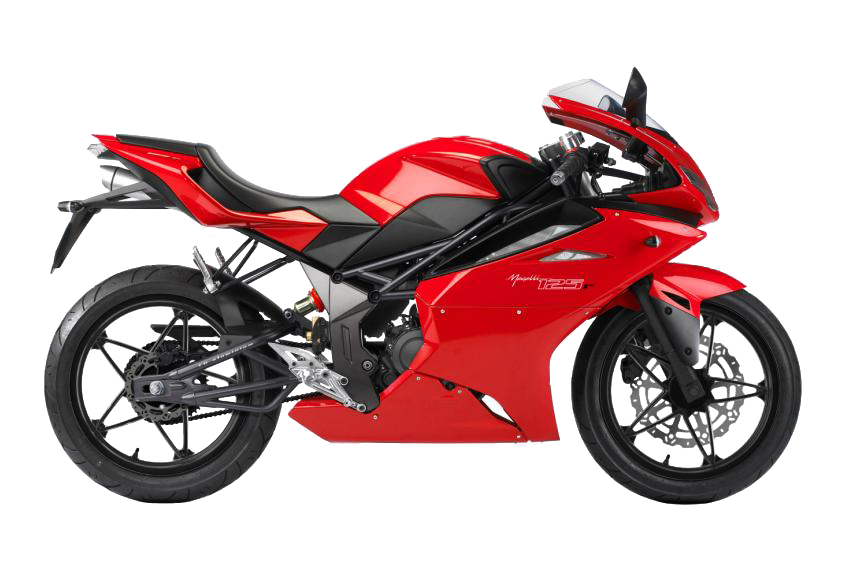
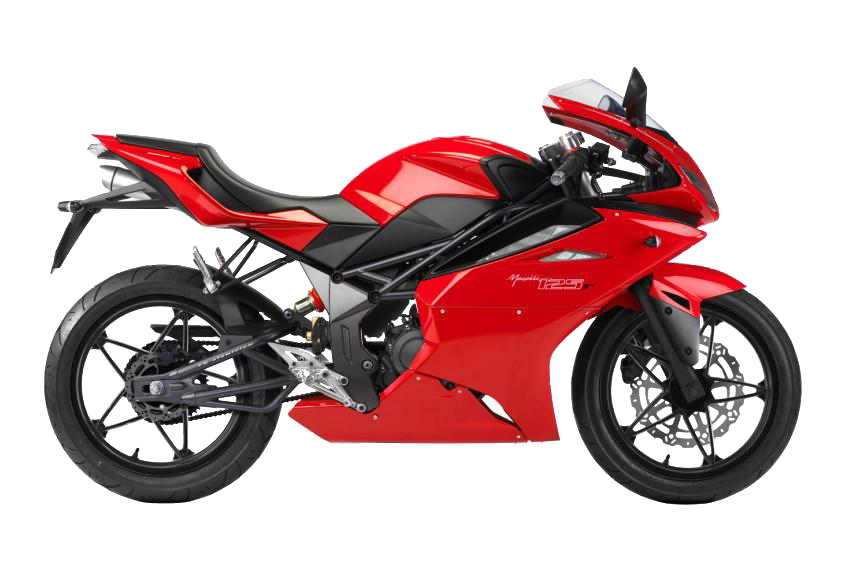
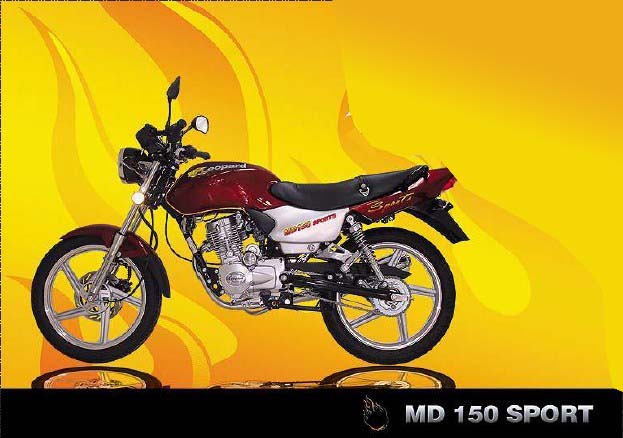
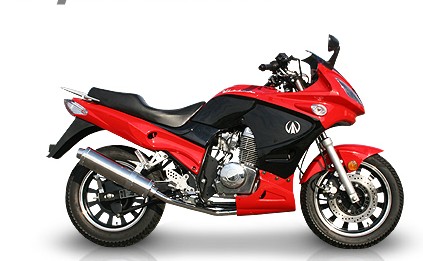
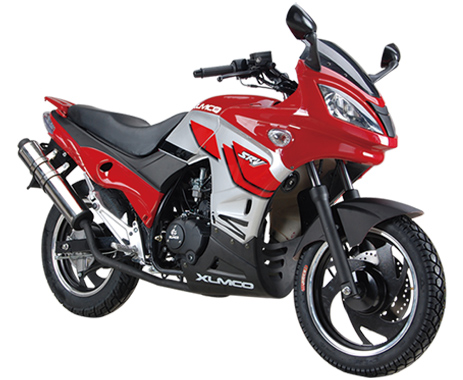
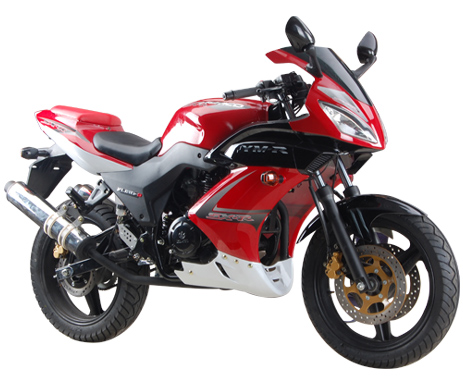
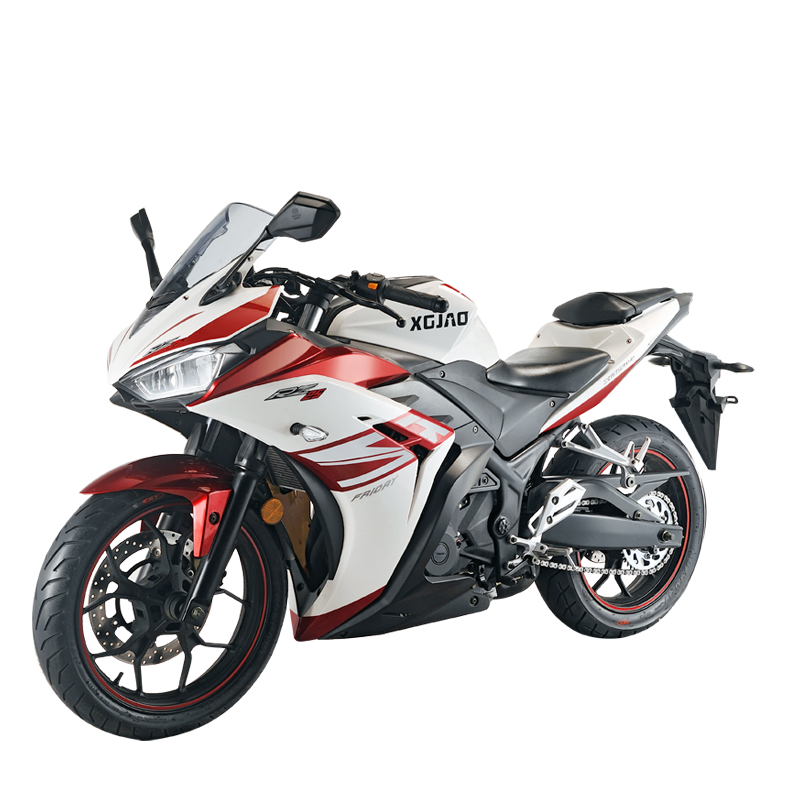
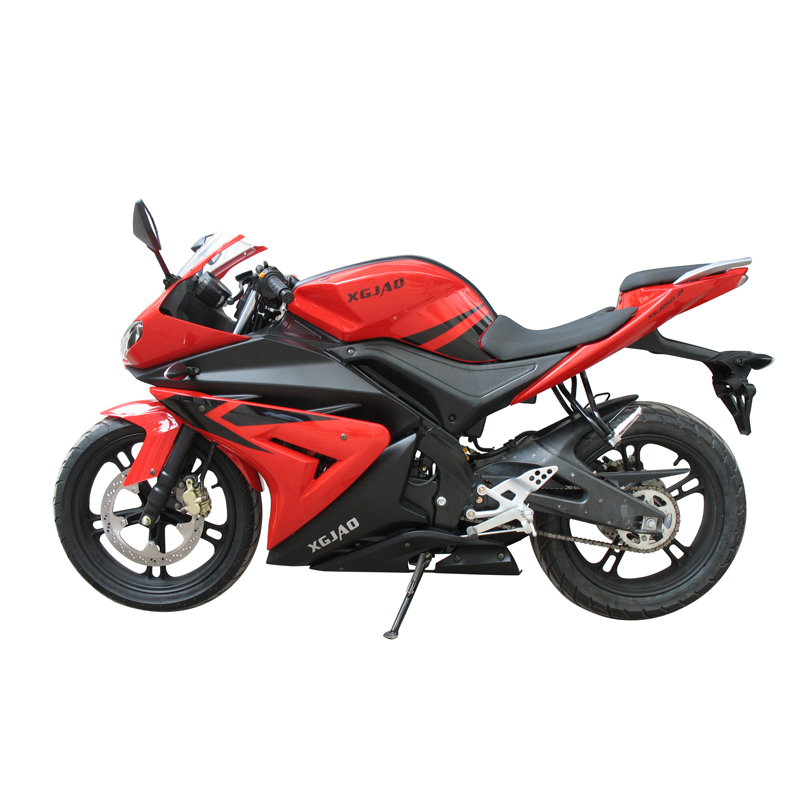
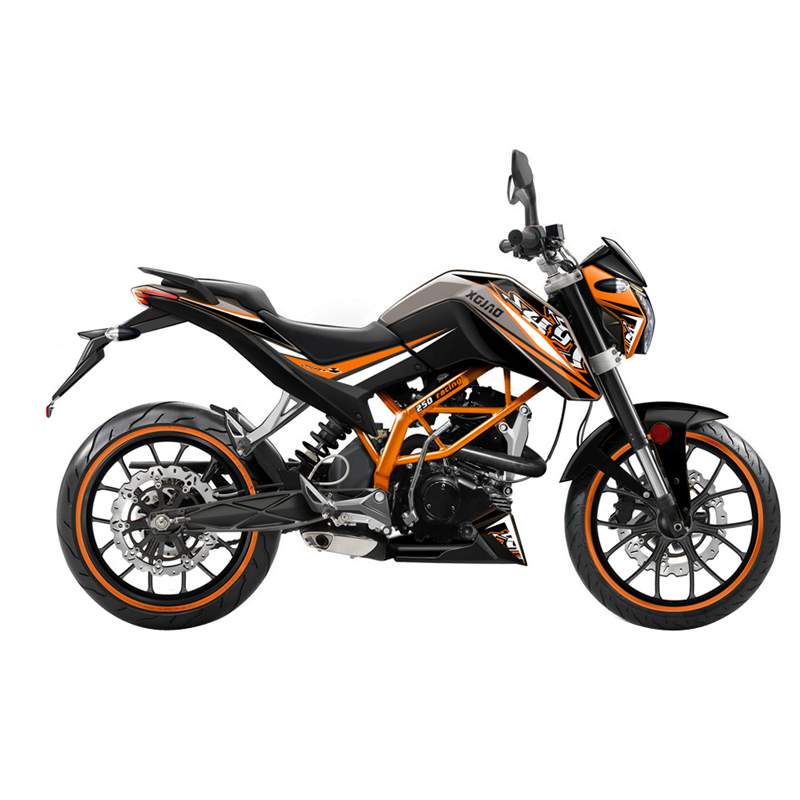
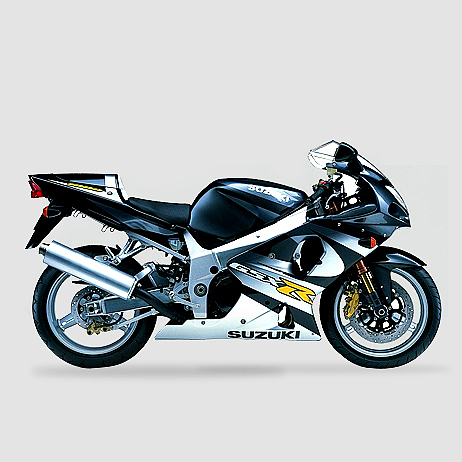
Source high-performance sportbikes in bulk from vetted manufacturers and wholesale suppliers. Designed for importers, distributors, and brands seeking reliable OEM/ODM production, our factory-direct network delivers competitive pricing and strict quality assurance for your next shipment.
Sourcing sportbikes at scale requires balancing aggressive performance specifications with stringent regulatory compliance. Whether you are importing entry-level 250cc commuter sportbikes or high-displacement track machines, procurement success hinges on powertrain reliability, frame integrity, and navigating complex destination-market emissions testing.
Powertrain and Chassis Specifications
When negotiating with manufacturers, the bill of materials (BOM) dictates both the unit cost and the target market. Sportbikes are defined by their power-to-weight ratios and handling characteristics, making engine configuration and chassis materials your primary focus.
| Specification | Entry-Level (250-400cc) | Mid-Weight (500-750cc) | High-Performance (800cc+) |
|---|---|---|---|
| Engine Configuration | Single or Inline-Twin | Inline-Twin or Inline-Four | Inline-Four or V4 |
| Fuel System | EFI (Delphi/Bosch) | Advanced EFI with Ride-by-Wire | Multi-map EFI with IMU |
| Frame Material | Tubular Steel Trellis | Steel Trellis or Aluminum | Aluminum Twin-Spar |
| Braking | Single Disc, Basic ABS | Dual Disc, Dual-Channel ABS | Radial Mount, Cornering ABS |
Upgrading from standard carburetors to Electronic Fuel Injection (EFI) is no longer optional for major markets; it is a baseline requirement for passing modern emissions standards. Furthermore, suspension components—specifically inverted front forks and adjustable rear monoshocks—heavily influence the perceived quality of the motorcycle.
Need help verifying a manufacturer's technical capabilities and component supply chain? We can audit their facilities and validate their BOMs.
Talk to our teamNavigating Homologation and Compliance
The most common failure point for motorcycle importers is regulatory compliance. A sportbike that performs perfectly on the test track is a liability if it cannot be legally registered in your target country.
Before committing to a production run, you must verify that the factory holds valid homologation certificates for your specific region. This includes EPA/DOT for the United States, Euro 5 for Europe, or specific ADR compliance for Australia. Because testing is expensive, many factories claim compliance but rely on outdated or modified certificates. Engaging professional Compliance & Testing services ensures the specific engine family and exhaust system you are buying actually meets the legal thresholds for noise and emissions.
Additionally, verify the factory's WMI (World Manufacturer Identifier) to ensure they can legally issue the VINs required for road registration. If you are uncertain about a supplier's credentials, running comprehensive Factory Audits before placing a deposit is the most effective way to separate genuine manufacturers from trading companies.
Quality Control on the Assembly Line
Sportbike manufacturing involves complex sub-assemblies. Defects in welding, electrical routing, or brake bleeding can lead to catastrophic failures.
Critical Inspection Points for Sportbikes
- Frame Welding: Inspect TIG/MIG weld penetration on aluminum and steel frames for porosity or cold laps.
- Dynamometer Testing: Verify engine output, smooth power delivery, and gearbox engagement through all gears.
- Electrical Systems: Test the ECU, ABS module communication, and digital TFT display functionality.
- Fluid Systems: Check for coolant leaks, proper brake line pressure, and secure fuel line fittings.
- Fairing Fitment: Ensure ABS/injection-molded plastics align perfectly without panel gaps or stress fractures.
Implementing rigorous Quality Control & Inspection protocols—including both in-line checks and pre-shipment inspections—ensures that these critical safety and performance metrics are met before the bikes are crated.
Production Realities: MOQ, Packaging, and Lead Times
Sportbike pricing is heavily volume-dependent, but the way the bikes are packaged for shipping dramatically impacts your landed cost.
Manufacturers typically offer three packaging methods:
- CBU (Completely Built Up): The motorcycle is fully assembled, tested, and shipped in a steel crate. Highest freight cost per unit, lowest labor requirement at destination.
- SKD (Semi-Knocked Down): The front wheel, handlebars, and fairings are removed. Reduces crate volume significantly, requiring minor assembly upon arrival.
- CKD (Completely Knocked Down): The motorcycle is shipped as a kit of parts. This maximizes container density and often bypasses high import tariffs on finished vehicles, but requires a domestic assembly facility.
If you are developing a custom chassis or integrating proprietary technology, leveraging OEM/ODM Services allows you to control the intellectual property while utilizing established Asian manufacturing infrastructure.
Optimize your shipping density and production schedule. Let our logistics experts calculate the most cost-effective packaging strategy for your sportbike order.
Get a free consultationFrequently Asked Questions
Sourcing sportbikes requires more than just negotiating a unit price; it demands a comprehensive approach to homologation, assembly quality, and logistics optimization. By managing these variables strictly at the factory level, you protect your brand's reputation and ensure a profitable, compliant product line.
Get Sourcing Help for Sportbikes
Tell us your requirements and our experts will connect you with verified manufacturers.