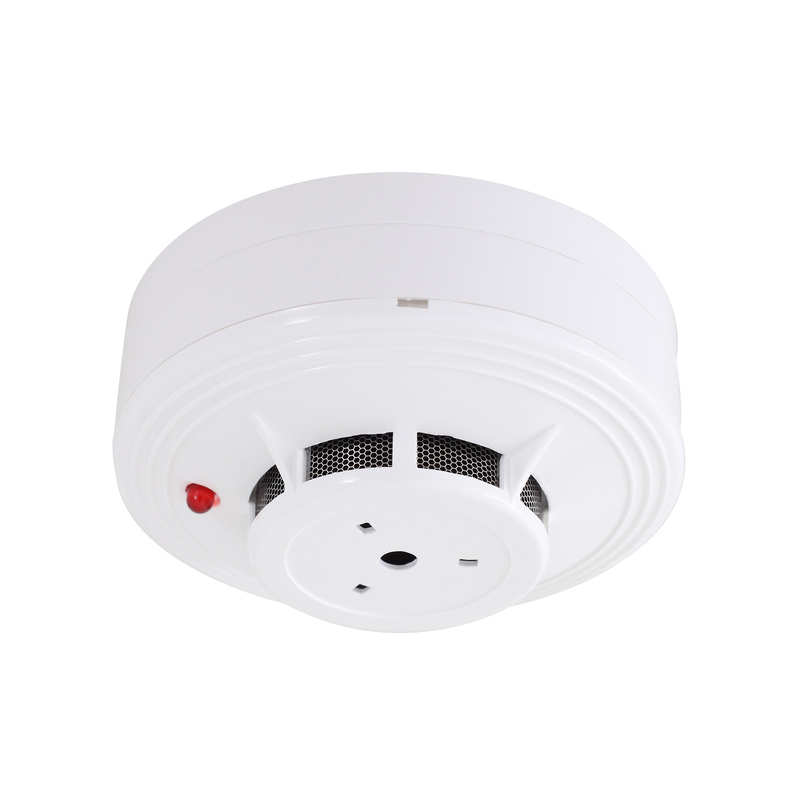
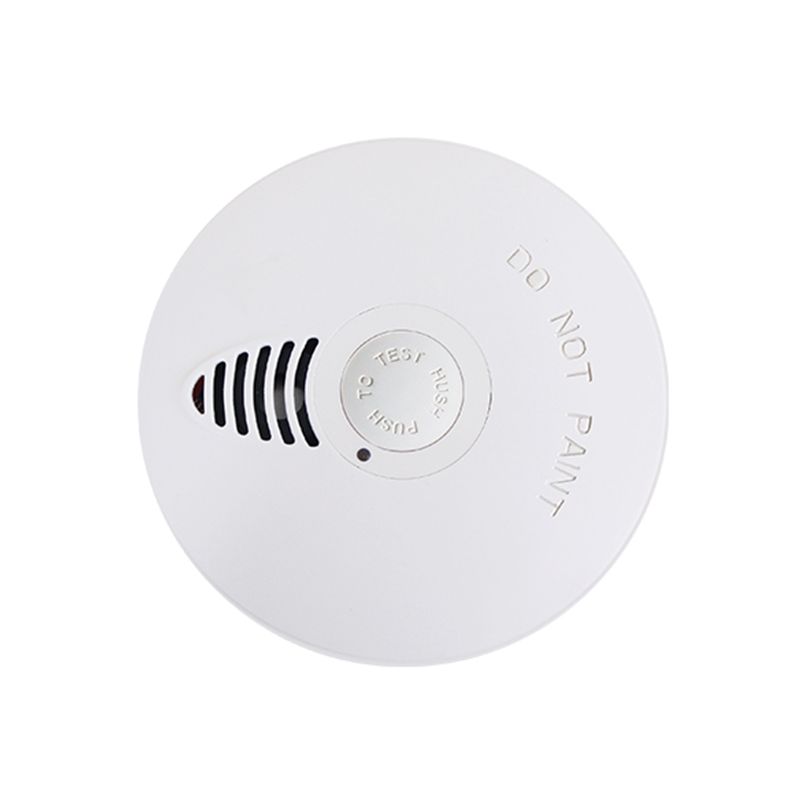
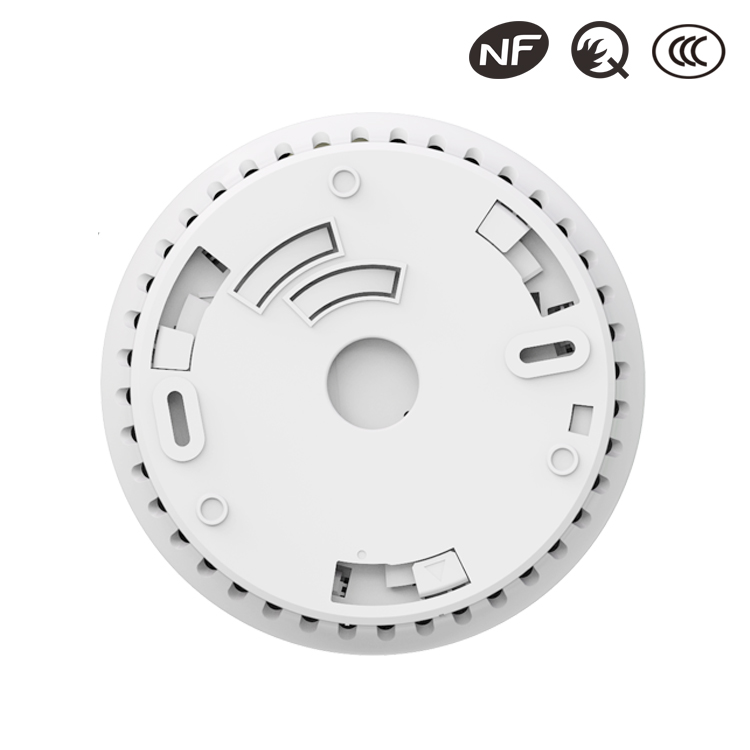
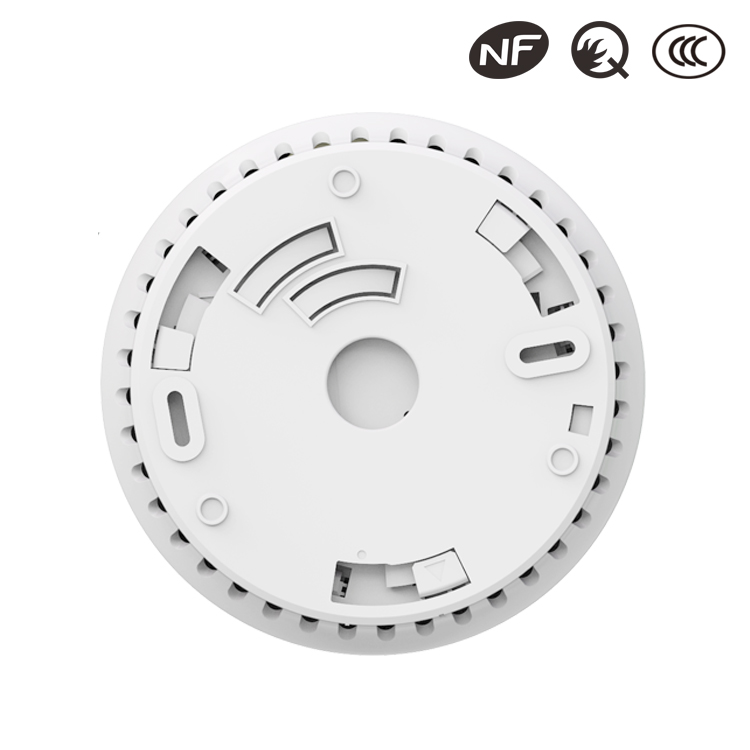
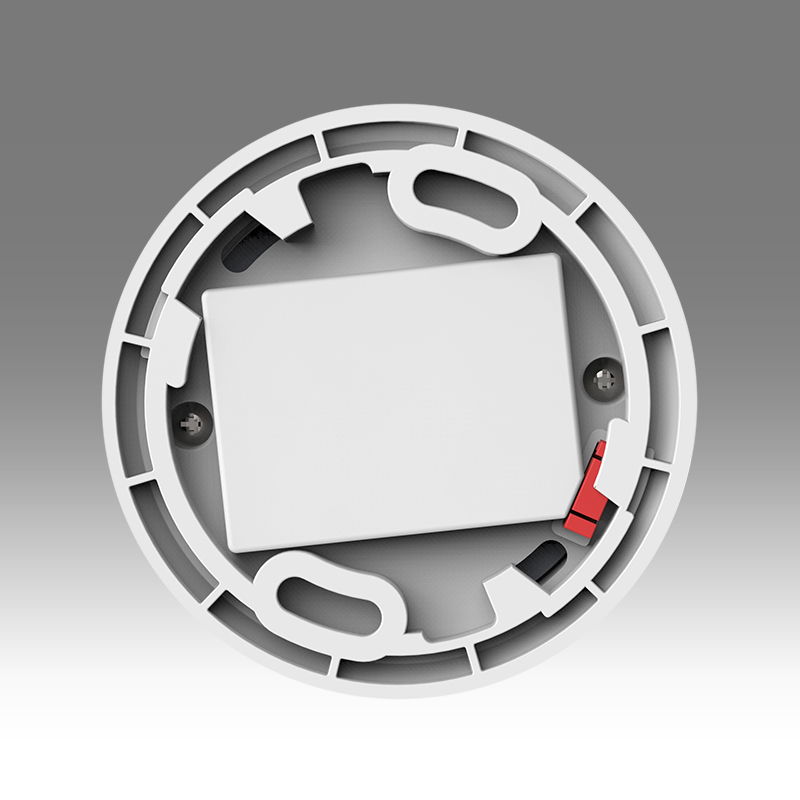
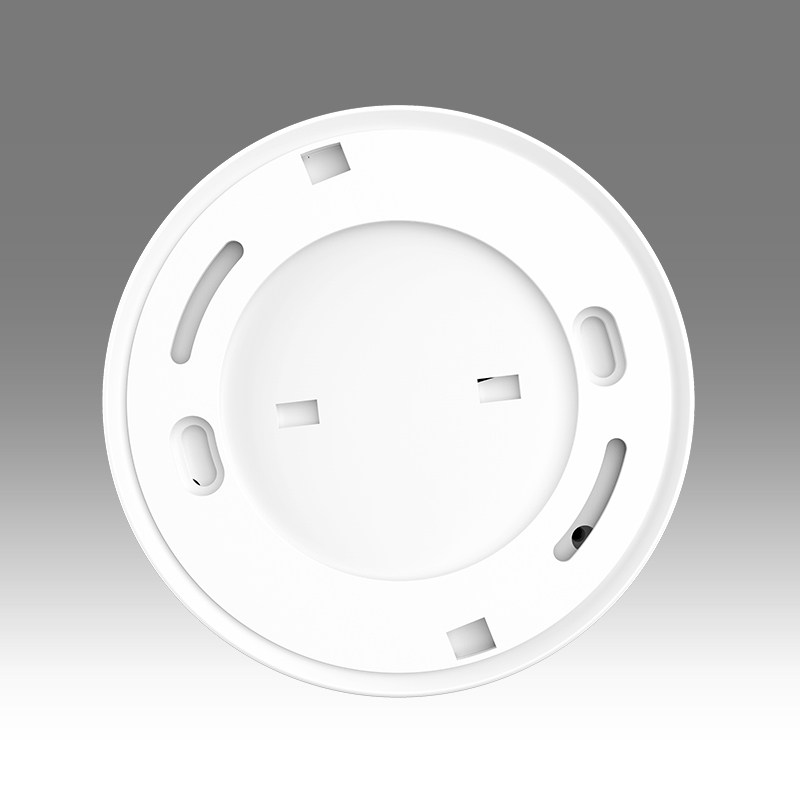
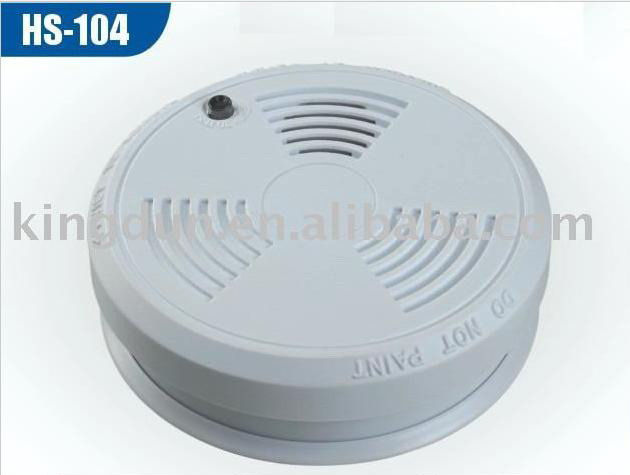
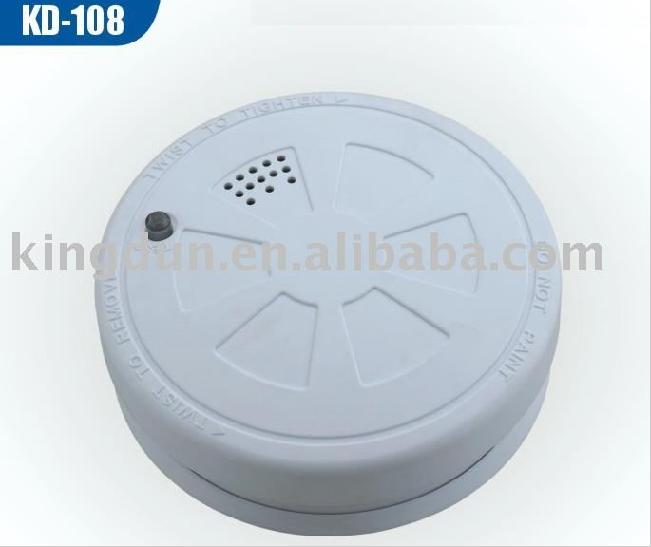
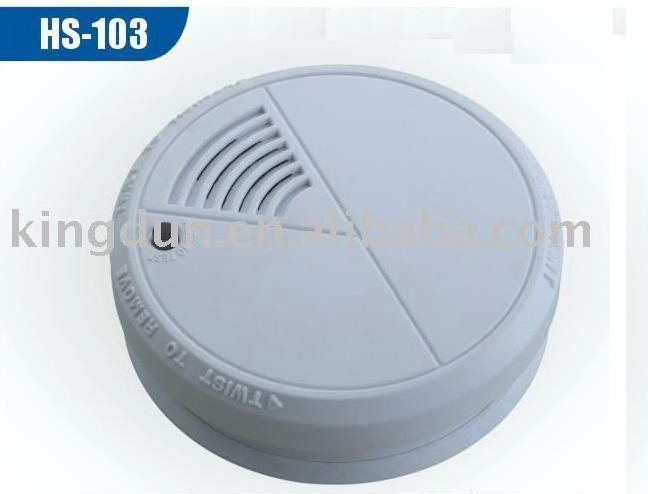
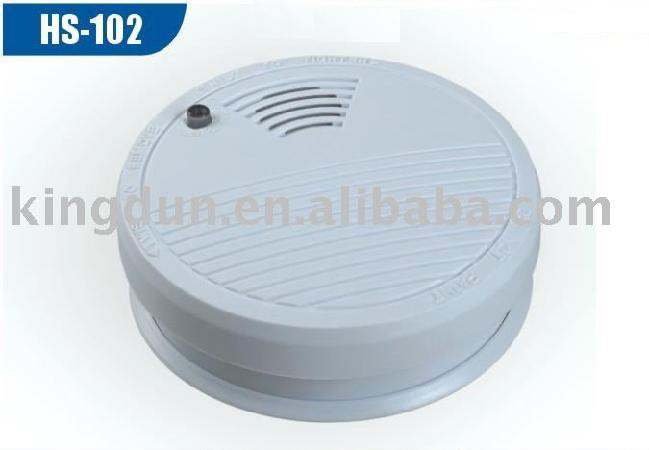
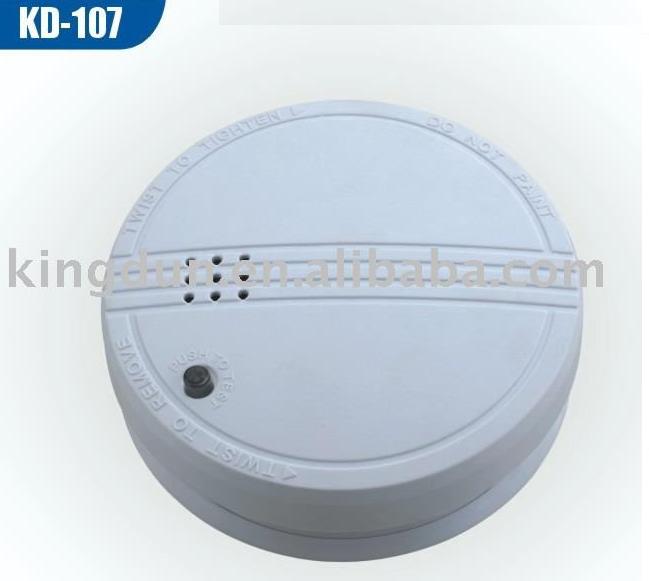
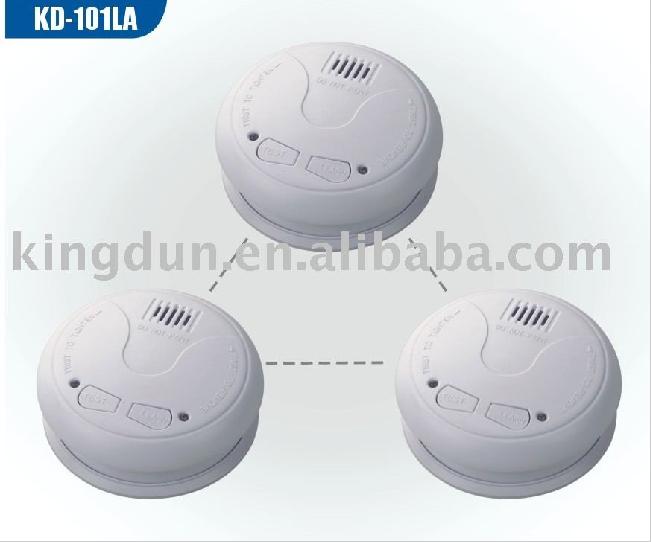
Smoke Detectors
Source reliable, high-performance smoke detectors from vetted manufacturers and wholesale suppliers across Asia. Built for security distributors, commercial importers, and brands seeking OEM/ODM production, our factory-direct network ensures you secure bulk pricing and strict regulatory compliance.
Sourcing smoke detectors in volume requires balancing cost-efficiency with uncompromising life-safety standards. Whether you are importing standalone residential units, connected smart alarms, or addressable commercial sensors, success depends on identifying manufacturers capable of consistent sensor calibration and rigorous compliance testing. A misstep in factory selection does not just result in defective units; it exposes your business to severe liability and regulatory rejection.
Core Sensor Technologies and Specifications
The foundation of any smoke detector procurement strategy is selecting the right detection technology for your target market and regulatory environment.
| Sensor Technology | Detection Profile | Market Trend |
|---|---|---|
| Photoelectric (Optical) | Excels at detecting slow, smoldering fires (e.g., electrical fires, upholstery). | Becoming the dominant global standard; mandated in many regions. |
| Ionization | Highly responsive to fast-flaming fires (e.g., paper, grease). | Phasing out in many jurisdictions due to radioactive material disposal and false alarms. |
| Dual-Sensor | Combines both technologies for broad-spectrum detection. | Premium positioning, though complex to calibrate and certify. |
Beyond the sensor, power architecture is a critical specification. Many jurisdictions now mandate 10-year sealed lithium battery models to prevent tampering and battery removal. Sourcing these requires verifying the manufacturer uses high-tier, low-drain microcontrollers (MCUs) and genuine long-life lithium cells (like CR123A or specialized packs) to ensure the unit survives its advertised lifespan.
Need to verify a factory's technical capabilities before placing a volume order?
Talk to our teamManufacturing Tolerances and Quality Control
Smoke detectors are precision instruments. The difference between a reliable life-safety device and a unit plagued by false alarms (or failure to alarm) is won or lost on the factory floor.
When evaluating a supplier, you must look beyond basic PCB assembly. The critical manufacturing stage is the smoke tunnel testing and calibration. Top-tier manufacturers calibrate every single unit in a specialized smoke chamber, adjusting the sensitivity of the optical labyrinth to meet exact thresholds.
Critical Factory Verification Points
- Automated SMT (Surface Mount Technology) lines for PCB assembly to prevent soldering defects.
- 100% in-line smoke chamber calibration, not just batch testing.
- Proper insect screen integration (mesh size under 0.8mm) to prevent false alarms from bugs.
- Acoustic testing chambers to verify the piezoelectric horn meets the standard 85dB at 3 meters.
- In-house UL or EN testing equipment for pre-certification R&D.
Because these are life-safety devices, factory audits are non-negotiable. You must confirm the facility maintains an ISO 9001 certified quality management system and possesses the specialized equipment required for consistent optical chamber molding. Black plastic components inside the optical labyrinth must be perfectly matte to prevent internal light reflection.
Navigating Certifications and Compliance
Importing smoke detectors without the correct, verifiable certifications will result in customs seizures or immediate retail rejection. The regulatory landscape is strict and highly regionalized.
- North America: UL 217 (specifically the 8th edition, which introduces complex polyurethane foam and cooking nuisance tests) and ULC S531 for Canada.
- Europe: EN 14604, requiring CE marking and often third-party laboratory testing (like VdS or BSI Kitemark).
- Australia/New Zealand: AS 3786:2014, requiring ActivFire registration.
Do not accept a supplier's CE or UL mark at face value. Validating these documents and arranging independent compliance testing for your specific production run is essential to protect your business.
Buying Mechanics: MOQs, Lead Times, and Pricing
Pricing for smoke detectors is driven by sensor quality, battery chemistry, smart connectivity modules (Wi-Fi, Zigbee, Z-Wave), and the overhead of maintaining active certifications.
When negotiating, clarify exactly what is included. A rock-bottom price often indicates a carbon-zinc battery, an uncertified MCU, or a lack of individual chamber calibration.
Struggling to balance target pricing with strict compliance standards?
Get a free consultationFrequently Asked Questions
Successfully sourcing smoke detectors means treating the procurement process as a risk-management exercise. By partnering with technically capable factories and enforcing strict quality control protocols, you can deliver reliable, compliant life-safety devices at competitive wholesale margins. If you need expert oversight to navigate the complexities of sensor calibration and regulatory compliance, our team is ready to assist.
Get Sourcing Help for Smoke Detectors
Tell us your requirements and our experts will connect you with verified manufacturers.