Slings
Source industrial-grade slings from vetted suppliers and manufacturers. Designed for importers, distributors, and brands requiring reliable wholesale material handling equipment, our network supports bulk orders, OEM manufacturing, and private-label production tailored to strict global safety standards.
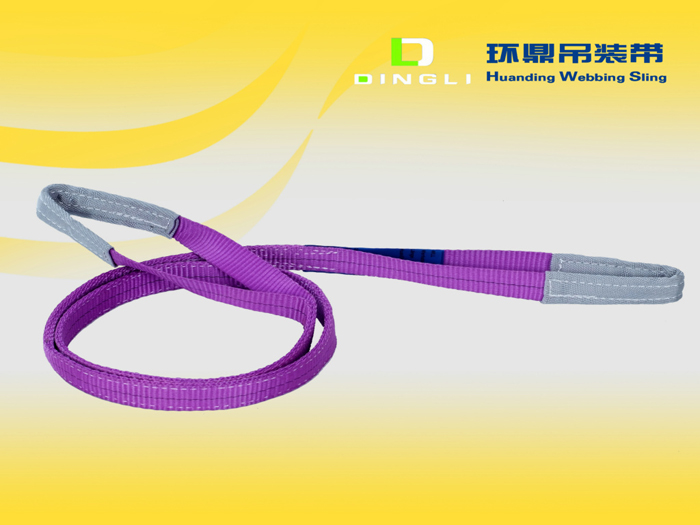
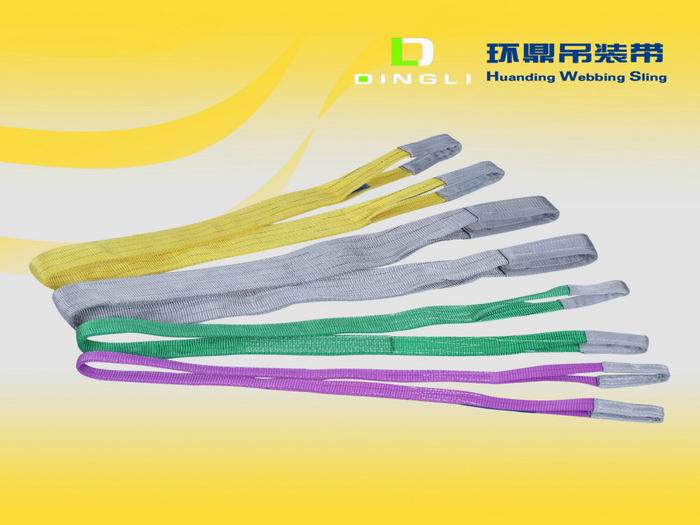
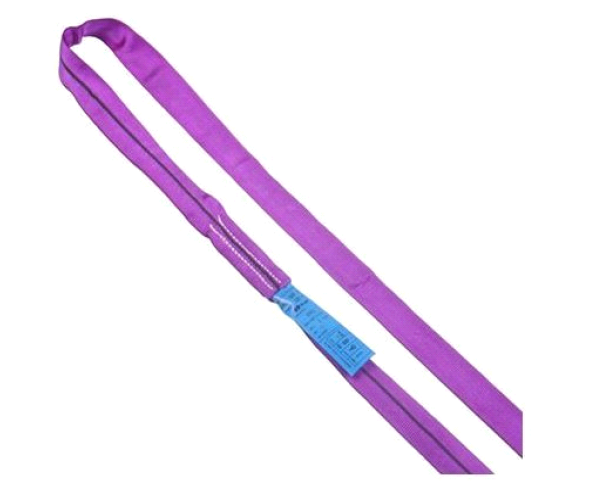
Sourcing lifting slings in high volumes requires an uncompromising approach to safety, material integrity, and regulatory compliance. Whether you are importing synthetic web variants, round continuous loops, or heavy-duty wire rope and chain assemblies, the margin for error is zero. A failed lift due to substandard yarn or improper stitching can result in catastrophic equipment damage and severe liability. Successfully procuring these items means looking past the surface color-coding to verify the underlying manufacturing processes, testing protocols, and raw material supply chains.
Core Specifications and Material Selection
The foundation of any reliable lifting apparatus is its material composition and its designated Working Load Limit (WLL) versus its Minimum Breaking Strength (MBS). The ratio between these two figures—the Safety Factor (SF)—is dictated by regional standards. For instance, European EN standards typically require a 7:1 safety factor for synthetic materials, while North American ASME standards generally mandate a 5:1 ratio.
Specifying the correct material base is critical for your target application:
| Material Base | Stretch (Elongation) | Primary Use Case |
|---|---|---|
| Polyester (PES) | Low (approx. 3%) | General lifting, high dimensional stability, acid resistance |
| Nylon (PA) | High (approx. 10%) | Shock loading applications, alkaline environments |
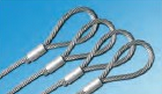
| Alloy Steel Chain | Minimal | High-heat, highly abrasive, or rugged environments |
| Wire Rope | Very Low | Heavy industrial lifting, construction, overhead cranes |
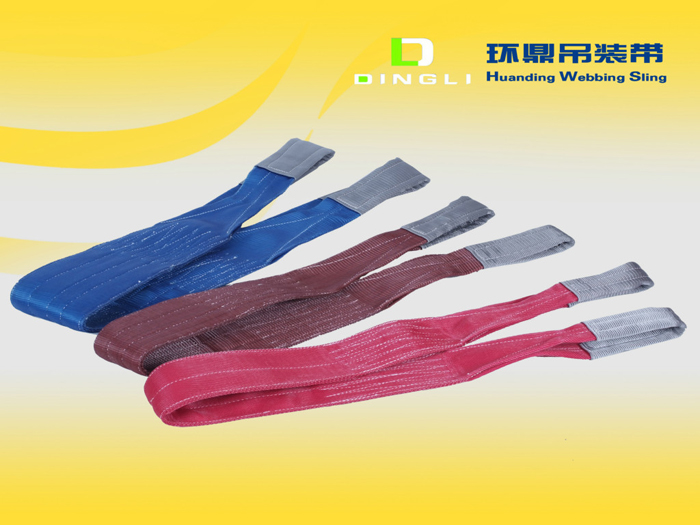
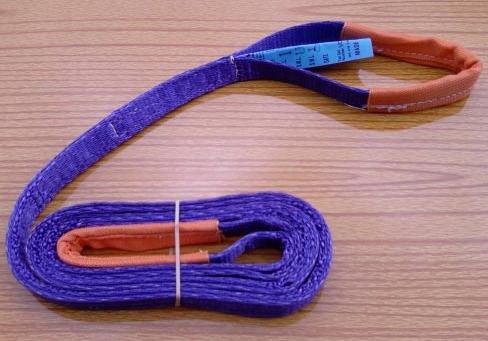
When placing bulk orders, you must specify the exact ply (single, double, or quad layer for webbing), the eye configuration (flat, twisted, or folded), and any required protective sleeving.
Need help verifying technical specifications with overseas manufacturers? Our sourcing experts can align your requirements with capable factories.
Talk to our teamManufacturing Tolerances and Quality Control
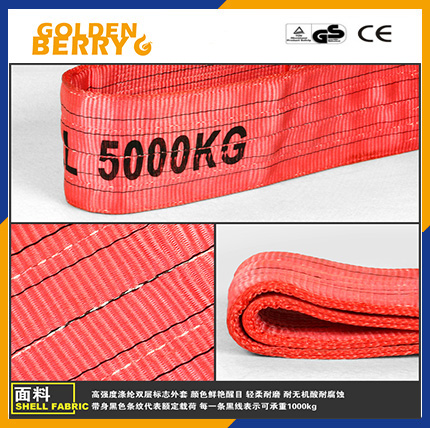
The difference between a compliant product and a dangerous liability often comes down to the factory floor. For synthetic lifting equipment, the quality of the high-tenacity industrial yarn and the precision of the stitching pattern are paramount. The stitching must utilize a contrasting thread color to allow for easy visual inspection of wear and tear, and the pattern (often a "W" or "box-cross" pattern) must distribute the load evenly across the webbing.
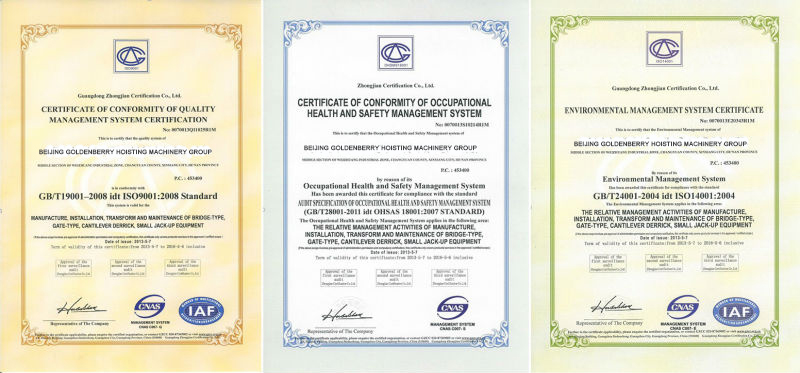
To ensure consistent quality across high-volume production runs, rigorous factory audits are essential. You must verify that the manufacturer possesses in-house tensile testing equipment to perform regular batch testing.
Critical Pre-Shipment Inspection Points
- Verify WLL and safety factor tagging against actual batch tensile test reports.
- Inspect stitching patterns for dropped stitches, inconsistent tension, or incorrect thread denier.
- Confirm color-coding strictly aligns with international standards (e.g., Violet for 1T, Green for 2T).
- Check hardware components (master links, hooks) for proper forging marks and metallurgical certification.
- Ensure traceability labels include manufacturer ID, material, length, and date of manufacture.
Relying solely on a supplier's word is a significant risk. Implementing independent compliance and testing protocols ensures that the products you import actually meet the rigorous demands of ASME B30.9, EN 1492-1/2, or OSHA regulations before they leave the country of origin.
Sourcing Realities: MOQs, Pricing, and Lead Times
Procurement managers must balance safety requirements with commercial viability. Pricing is heavily tied to the cost of raw materials (petrochemical derivatives for synthetics, steel markets for chains/wire) and the required certification levels. A factory offering prices significantly under the market average is almost certainly compromising on yarn density, utilizing mixed/recycled polymers, or skipping mandatory proof-testing.
Customization, such as applying proprietary branding, specific lengths, or custom wear pads, is common. Utilizing OEM/ODM services allows you to private-label these products securely, provided the factory has the capability to print and attach compliant, durable traceability tags that will not degrade under industrial use.
Protect your supply chain and your end-users. Let us handle supplier vetting, price negotiation, and strict quality control for your next order.
Get a free consultationFrequently Asked Questions
Sourcing lifting equipment is an exercise in risk management as much as it is in procurement. Success depends on partnering with manufacturers who treat compliance as a baseline, not an optional upgrade. By enforcing strict quality control from raw material selection to final batch testing, you can secure reliable, high-performance products that protect both your margins and your customers.
Get Sourcing Help for Slings
Tell us your requirements and our experts will connect you with verified manufacturers.