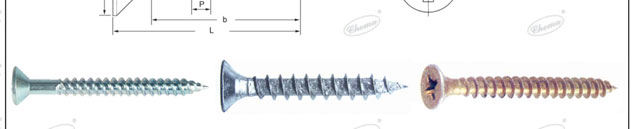
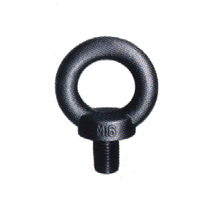
Screws
Source bulk screws from vetted manufacturers and wholesale suppliers across Asia. Built for hardware distributors, industrial importers, and brands requiring reliable OEM production, our network delivers high-volume fastening solutions with verified quality control, precise tolerances, and competitive pricing.
Sourcing screws in commercial volumes requires balancing aggressive unit costs against strict metallurgical and dimensional tolerances. When buying fasteners by the metric ton or millions of pieces, a fraction of a millimeter in thread pitch variation or an inconsistent heat treatment process can lead to stripped drives, sheared heads, and catastrophic failures on your customers' assembly lines. Securing a reliable supply chain means moving beyond trading companies to partner with specialized cold-heading factories that maintain rigorous in-house quality management.
Defining Your Fastener Specifications
To get accurate pricing and prevent production errors, your purchase orders and technical drawings must leave no room for interpretation. Factories need precise data on material composition, mechanical properties, and finishing standards.
Critical Specifications for Screw POs
- Material & Grade: Specify exact steel grades (e.g., Carbon Steel 1022A, C10B21, Stainless Steel 304/316) rather than generic terms.
- Dimensional Standards: Cite the exact DIN, ISO, JIS, or ANSI/ASME standard the fastener must meet.
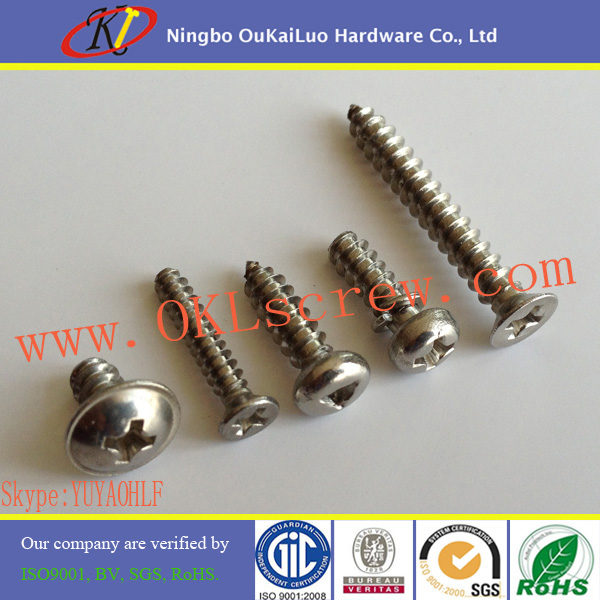
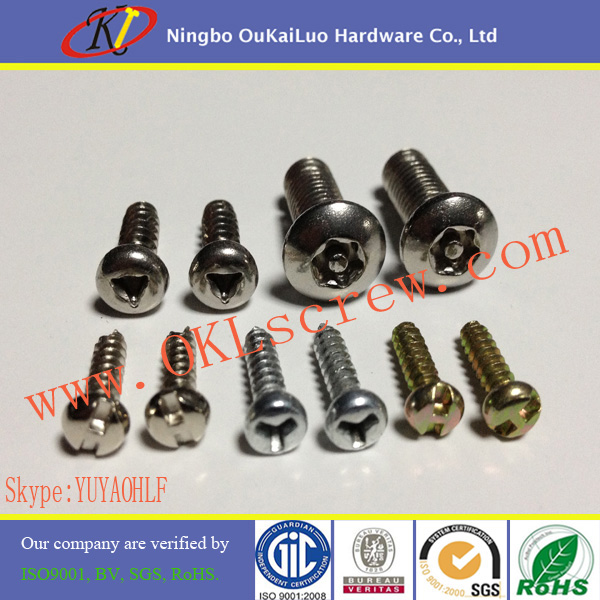
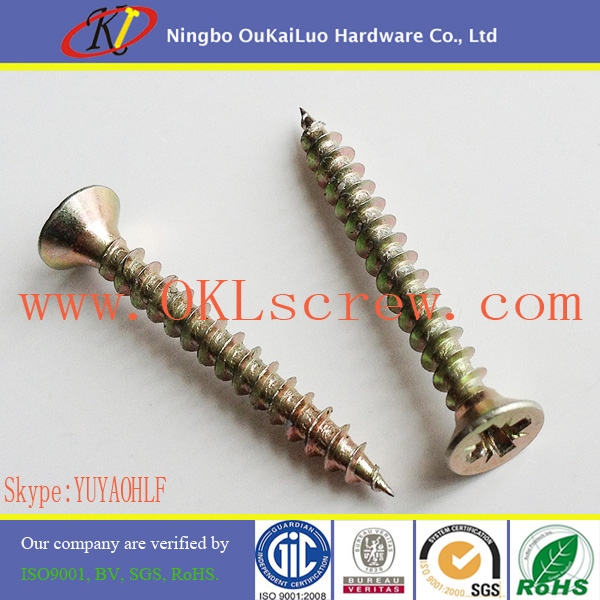
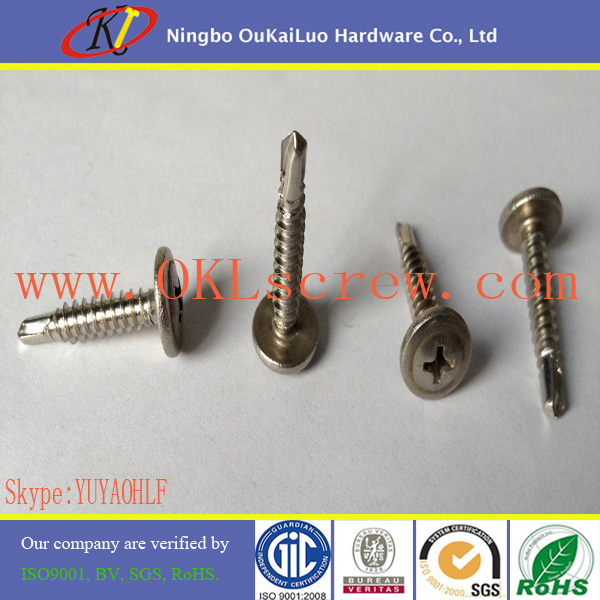
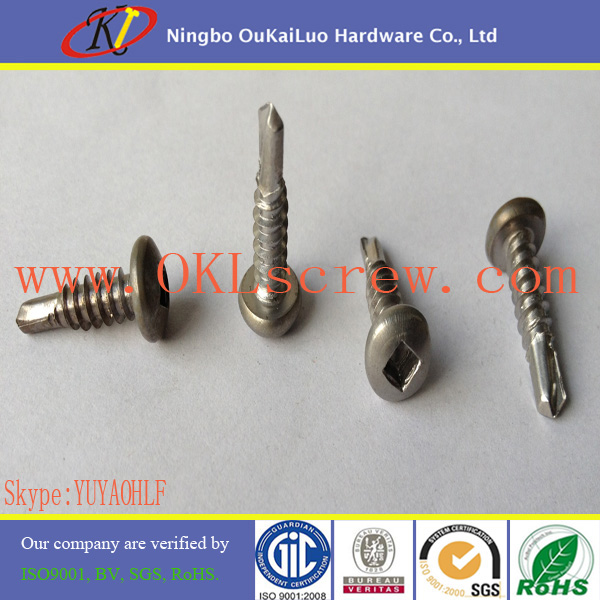
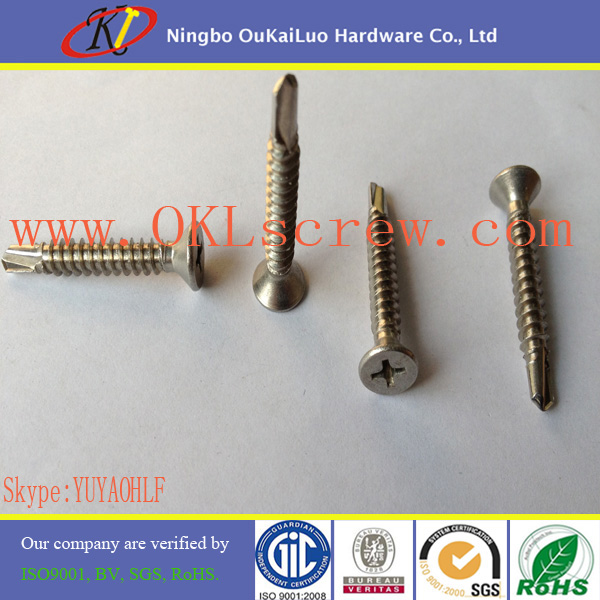
- Head & Drive Type: Clearly define the recess dimensions to ensure compatibility with standard driver bits (e.g., Phillips, Torx, Pozi) and prevent cam-out.
- Thread Geometry: Specify thread pitch, major/minor diameters, and whether the thread is full or partial.
- Surface Treatment & Coating: Detail the plating type (e.g., Zinc, Black Oxide, Dacromet, Ruspert) and required micron thickness.
Struggling to lock down factory-direct pricing for your fastener specifications? Let our sourcing engineers evaluate your requirements.
Get a free consultationThe Manufacturing Process and Quality Risks
Screw manufacturing is a high-speed, high-volume process. Quality is won or lost in the tooling setup, the precision of the thread rolling dies, and the consistency of the heat treatment furnaces.
Cold Heading
Wire rod is cut and struck in a die to form the screw blank and head. Worn tooling here causes off-center heads, malformed drives, or micro-cracking.
Thread Rolling
The blank is forced between two grooved dies to displace the metal into a thread profile. Incorrect die pressure leads to incomplete threads or dimensional variations.
Heat Treatment
Screws are passed through a continuous furnace to achieve the required hardness and tensile strength. Poor temperature control results in brittle fasteners that snap under torque.
Plating & Finishing
Surface coatings are applied for corrosion resistance. Improper acid pickling or plating baths can lead to poor adhesion or hydrogen embrittlement.
The Threat of Hydrogen Embrittlement
For high-tensile screws (typically Grade 8.8 and above or hardened carbon steel), the electroplating process introduces hydrogen into the steel matrix. If the factory does not bake the screws immediately after plating (usually within 1 to 4 hours at around 200 degrees Celsius), the trapped hydrogen causes sudden, delayed failure under load. Verifying that a factory has reliable, documented baking procedures is a critical part of Quality Control & Inspection.
Pricing, MOQ, and Production Lead Times
Fastener pricing is heavily tied to global steel wire rod indices, currency exchange rates, and the complexity of the surface treatment. Because manufacturing relies on high-speed automated machinery, minimum order quantities are dictated by the time it takes to set up the cold heading and thread rolling machines.
When negotiating with suppliers, ensure your quotes explicitly state the surface treatment and the required salt spray test (SST) hours. A quote that seems unusually low often indicates a thinner zinc coating or a lower-grade steel wire.
Need to consolidate multiple fastener SKUs or negotiate better MOQs? We manage the entire factory relationship.
Talk to our teamFrequently Asked Questions
Consistent fastener sourcing requires relentless attention to metallurgical detail and factory oversight. By clearly defining your technical requirements and enforcing strict quality control protocols at the production level, you can secure reliable, high-volume supply chains that protect your brand's reputation and your bottom line.
Get Sourcing Help for Screws
Tell us your requirements and our experts will connect you with verified manufacturers.