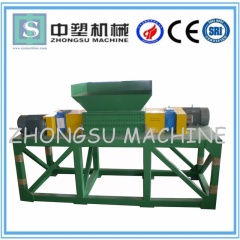
Scrap Metal Shredders
Source heavy-duty industrial scrap metal shredders from vetted manufacturers and suppliers in China and across Asia. Designed for equipment importers, wholesale distributors, and recycling plant procurement managers buying in bulk or seeking OEM/ODM production. Secure competitive wholesale pricing directly from the factory.
Sourcing industrial scrap metal shredders requires moving past basic capacity claims and digging into the metallurgy and drivetrain engineering. When you are importing capital equipment designed to tear apart car bodies, aluminum extrusions, or heavy steel drums, the difference between a reliable workhorse and a maintenance nightmare lies in gearbox torque ratings, blade hardness, and motor thermal capacity.
For importers and distributors, securing a reliable manufacturing partner means evaluating their machining tolerances, component sourcing, and assembly standards before a single deposit is paid.
Core Specifications for Heavy-Duty Shredders
When negotiating with manufacturers, vague specifications lead to underpowered equipment. A shredder's performance is dictated by how it handles peak loads without jamming or snapping a shaft.
- Drivetrain and Motor Configuration: High motor wattage means little if the gearbox cannot handle the torque. Specify the exact gearbox brand (e.g., Guomao, Bonfiglioli) and require torque curves. Dual-motor setups are standard for double-shaft shredders to ensure balanced power distribution.
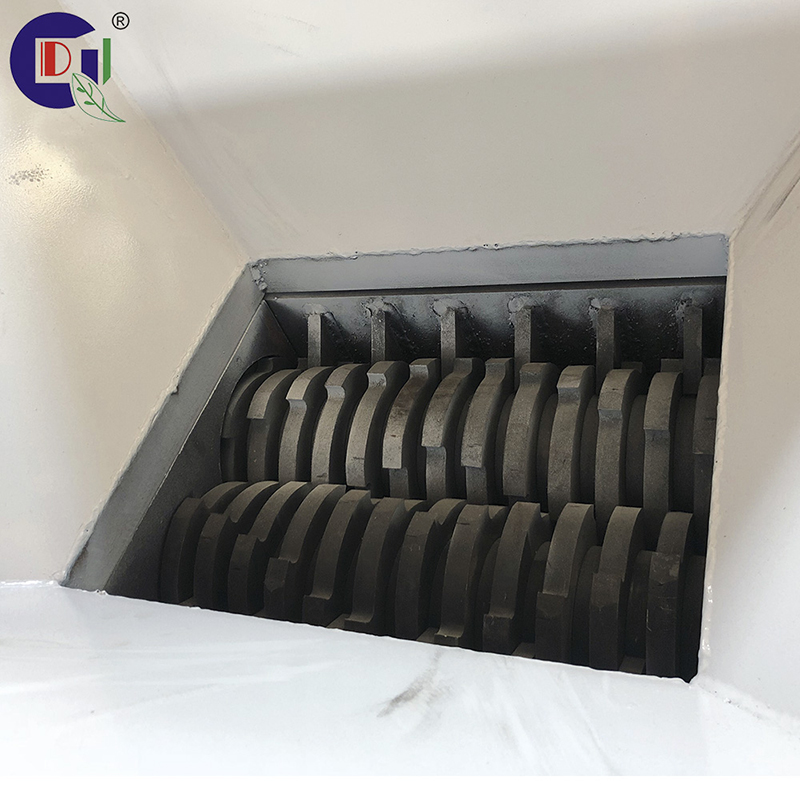
- Blade Metallurgy: The blades (or knives) are the highest-wear components. Standard carbon steel will chip. Specify high-alloy tool steels like H13, D2, or Cr12MoV. Ensure the factory provides heat treatment certification proving a hardness of HRC 55 to 60.
- Electrical Control Systems: The PLC (Programmable Logic Controller) must feature automatic reverse functionality. If the shredder encounters an uncrushable object, the PLC must instantly reverse the rotors to prevent motor burnout and shaft deformation. Specify internationally recognized electrical components (Siemens, Schneider) for easier local maintenance.
| Shredder Type | Primary Mechanism | Best For | Output Size |
|---|---|---|---|
| Single-Shaft | High-speed rotor with stationary knives and hydraulic pusher | Aluminum extrusions, copper wire, light scrap | Uniform, smaller pieces (determined by screen) |
| Double-Shaft | Low-speed, high-torque counter-rotating shearing blades | Car bodies, steel drums, heavy mixed scrap | Irregular, coarse strips (no screen) |
Sourcing heavy machinery requires rigorous technical vetting. Let us evaluate factory engineering capabilities and negotiate technical specs on your behalf.
Talk to our teamManufacturing Tolerances and Factory Vetting
The quality of a scrap metal shredder is won or lost on the factory floor. Many suppliers assemble components purchased from third parties, making rigorous Factory Audits essential to verify actual manufacturing capabilities.
Critical Factory Floor Checks
- CNC Machining: Verify they use high-precision CNC boring machines for the shredding chamber to ensure exact shaft alignment.
- Welding Standards: The main frame must be constructed from heavy steel plates with continuous, stress-relieved welds to withstand extreme vibration.
- Heat Treatment: Check if blade heat treatment is done in-house or outsourced, and review their hardness testing protocols.
- Component Verification: Ensure motors, gearboxes, and bearings match the agreed-upon BOM (Bill of Materials) and are not cheaper domestic substitutes.
Quality Control and Factory Acceptance Testing (FAT)
You cannot afford to discover a defect after the machine has been anchored to a concrete floor halfway across the world. Comprehensive Quality Control & Inspection must culminate in a Factory Acceptance Test (FAT).
During the FAT, the machine must be run under load for several hours using material equivalent in density to your target scrap. Inspectors should monitor motor temperature rise, check for abnormal gearbox noise, and verify the PLC's automatic reverse function by intentionally introducing a heavy jam.
Buying Mechanics: MOQs, Lead Times, and Logistics
Scrap metal shredders are capital equipment, built to order based on your specific voltage and capacity requirements.
Shipping heavy machinery introduces another layer of complexity. Large double-shaft shredders often exceed the dimensions of standard shipping containers, requiring flat racks, open-top containers, or specialized break-bulk shipping. Coordinating this requires experienced Shipping & Freight management to handle heavy-lift port operations and complex customs clearance for industrial machinery.
Managing heavy equipment logistics and factory acceptance testing across borders is complex. Partner with us to secure your supply chain from factory floor to final installation.
Get a free consultationFrequently Asked Questions
When importing scrap metal shredders, the total cost of ownership is defined by machine uptime and maintenance intervals, not just the FOB price. Sourcing successfully means looking past the spec sheet and rigorously verifying the metallurgy, machining precision, and drivetrain integrity before the equipment leaves the factory.
Get Sourcing Help for Scrap Metal Shredders
Tell us your requirements and our experts will connect you with verified manufacturers.