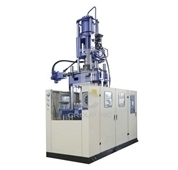
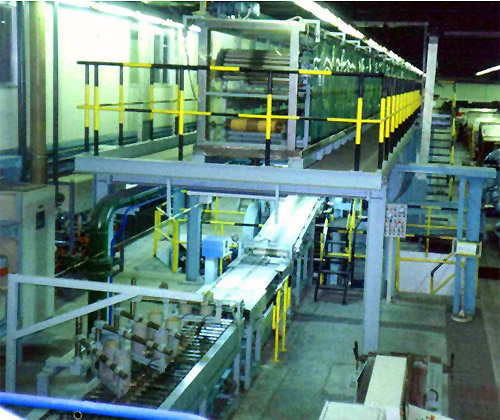
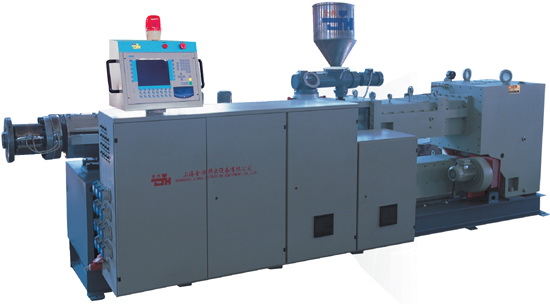
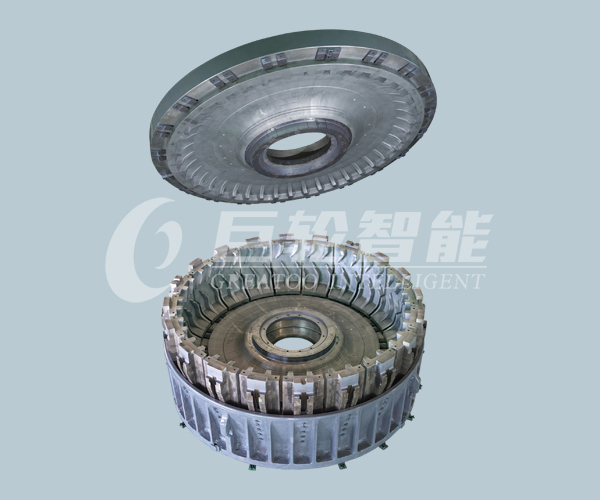
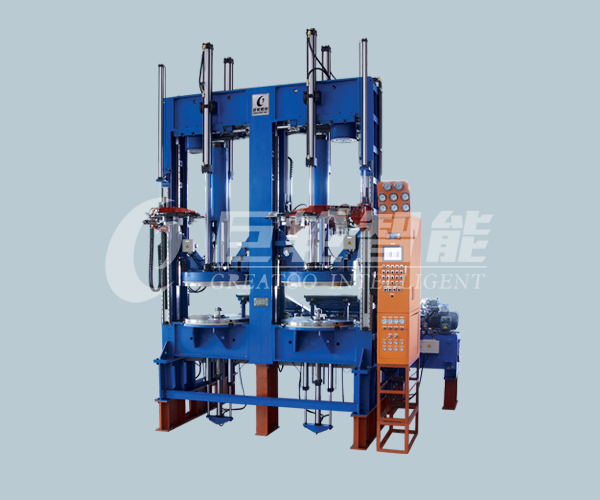
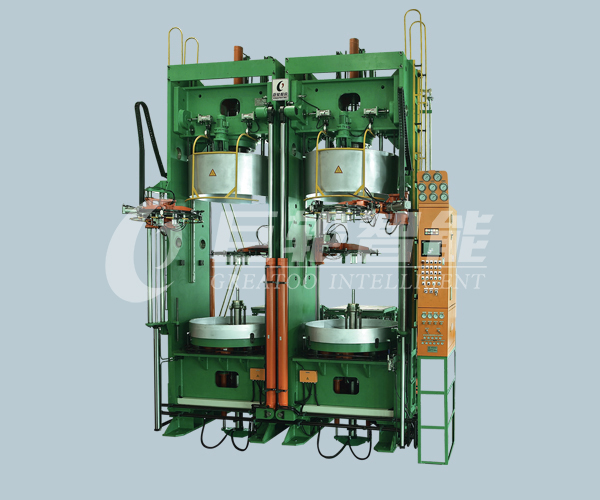
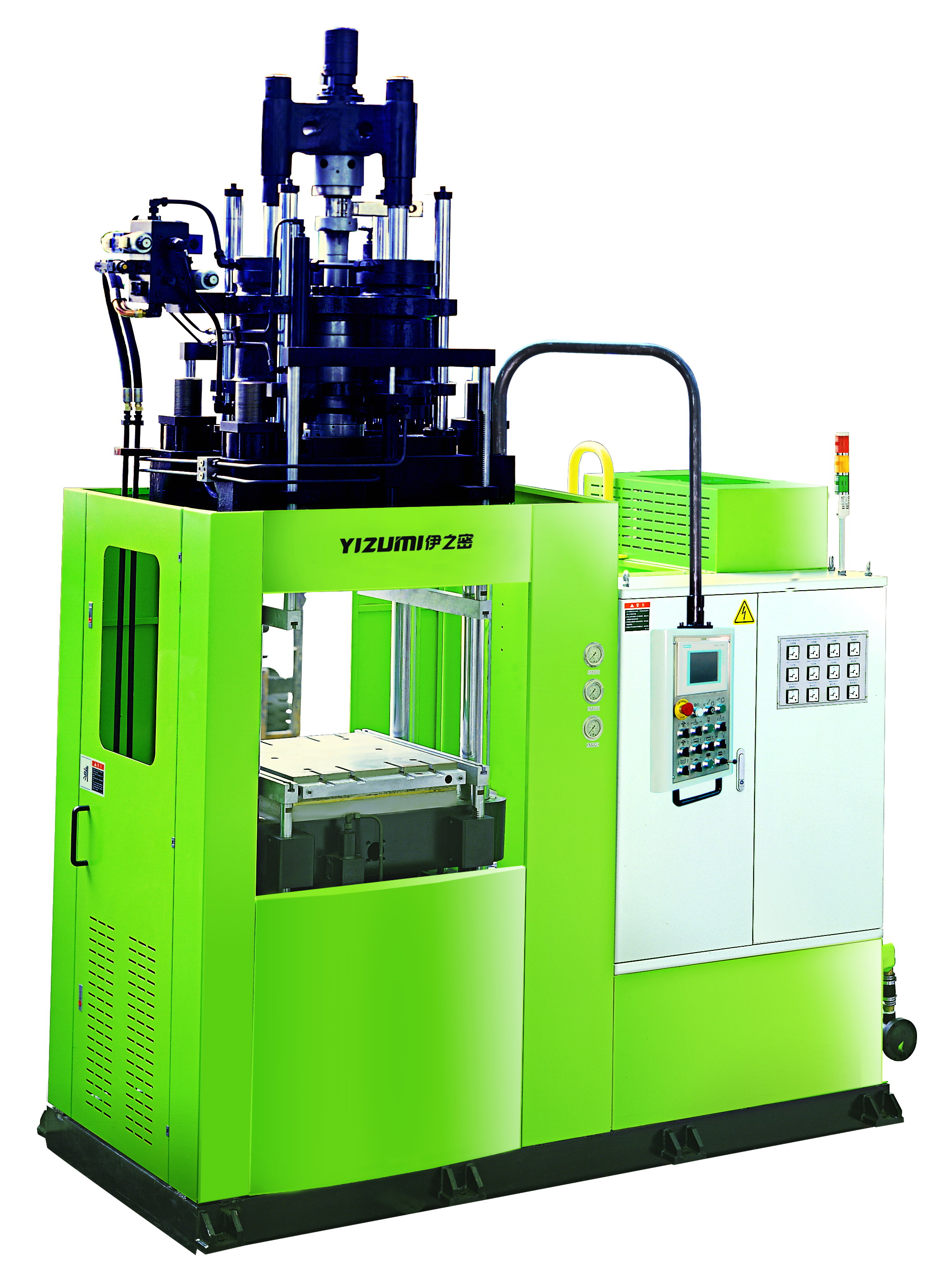
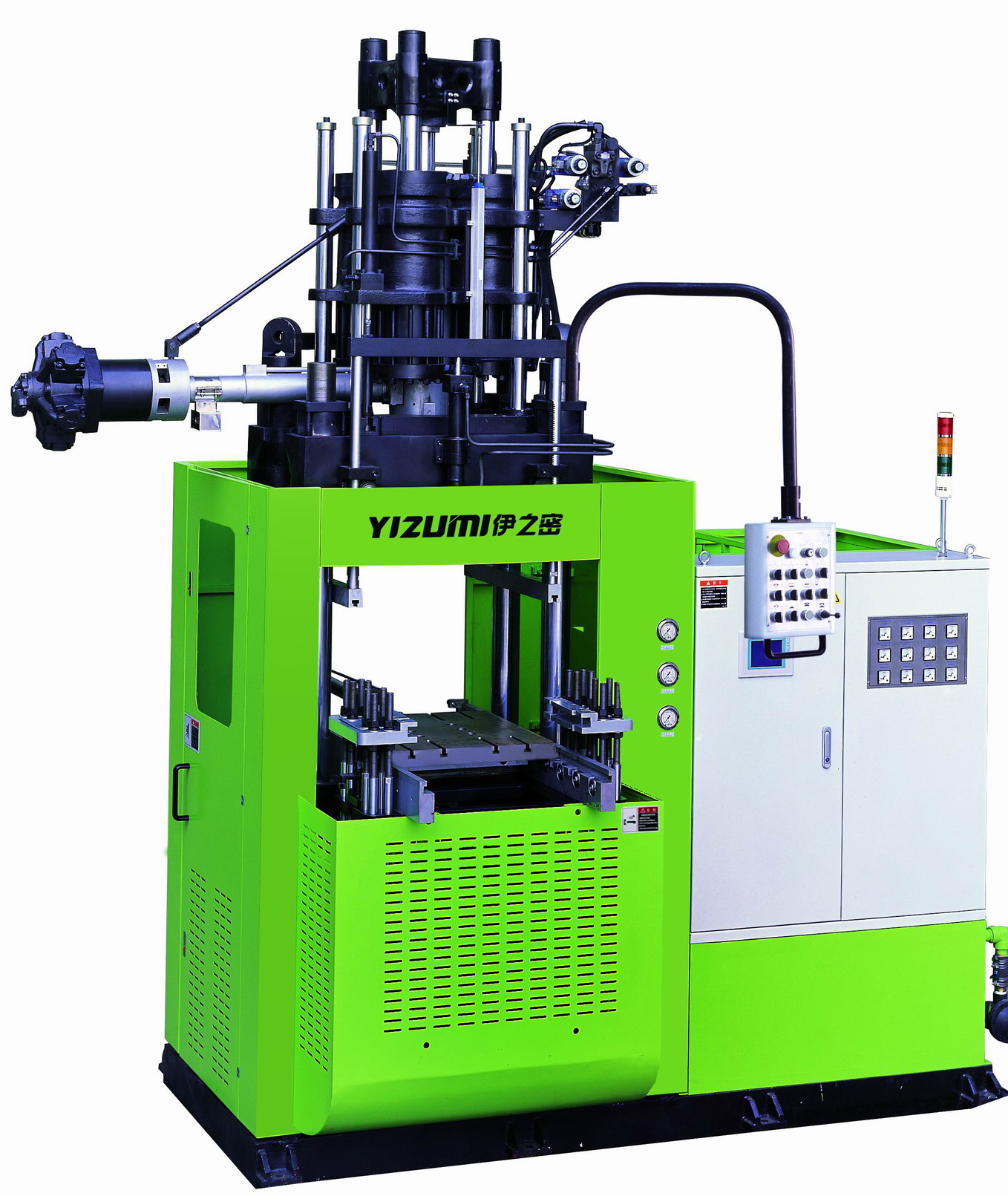
Rubber Product Making Machinery
Source industrial-grade Rubber Product Making Machinery from vetted suppliers and manufacturers. Designed for importers, wholesalers, distributors, and brands seeking reliable bulk equipment, this category covers the heavy-duty machinery required for high-volume rubber processing, mixing, extrusion, and vulcanization.
Sourcing heavy industrial equipment like rubber product making machinery requires balancing significant capital expenditure with long-term operational reliability. Whether you are procuring mixing mills, vulcanizing presses, or extruders for a new production line or upgrading an existing facility, the stakes are high. Poorly manufactured machinery leads to inconsistent product curing, hydraulic failures, and costly downtime. Successfully importing these machines from Asian manufacturers demands strict specification control, rigorous factory vetting, and meticulous pre-shipment testing.
Core Technical Specifications to Define
When negotiating with machinery manufacturers, generic requests yield subpar builds. You must dictate the exact parameters and component origins.
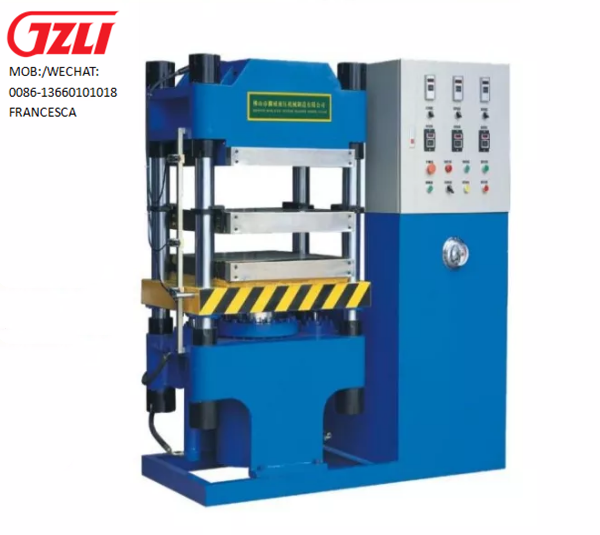
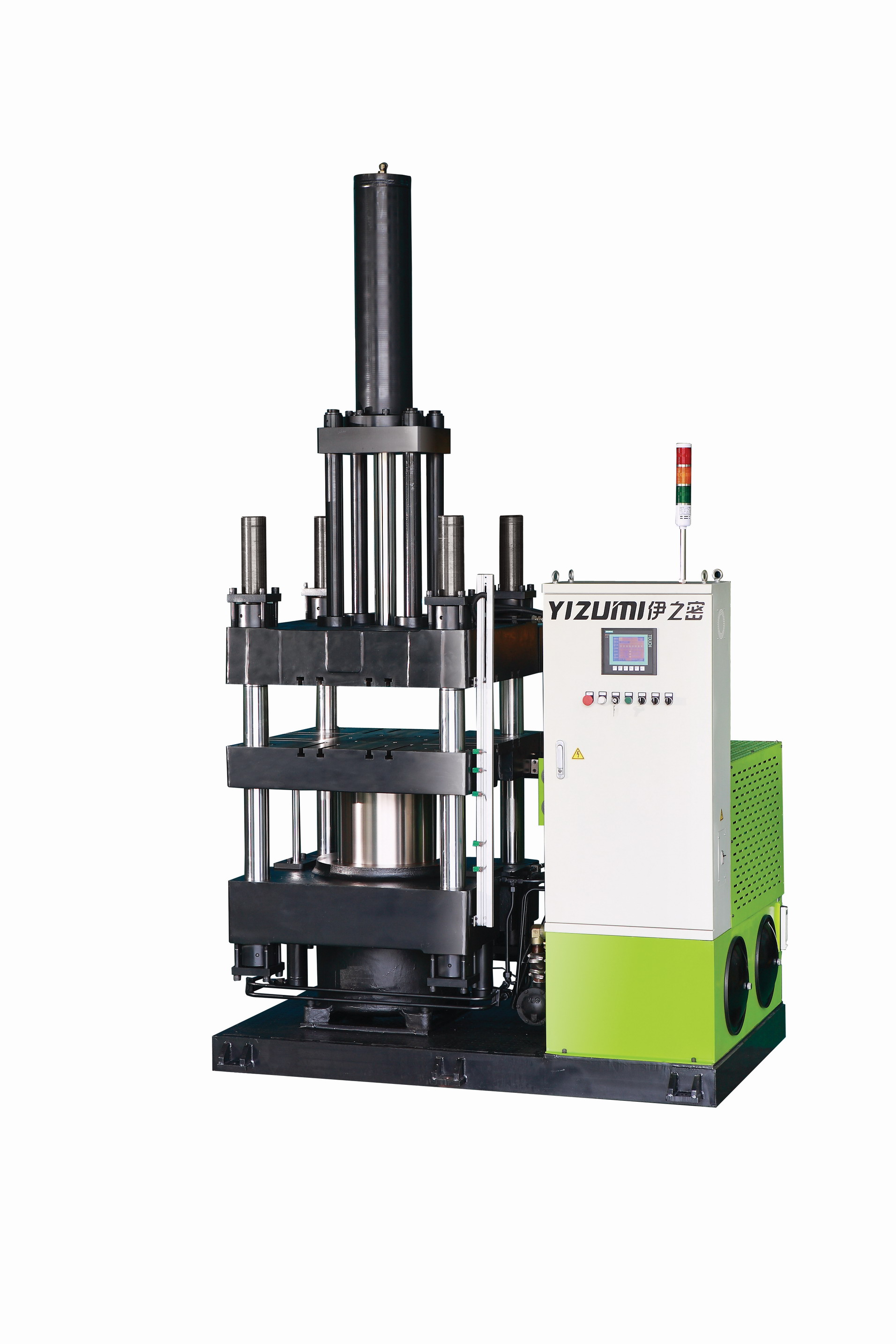
Beyond the basic dimensions (daylight, stroke, and platen size), pay close attention to the heating method (electric, steam, or thermal oil) and the metallurgical composition of the platens. Q235 steel is common for standard applications, but higher-grade forged steel is necessary for high-pressure, continuous-duty cycles.
Component Selection: The True Driver of Price and Lifespan
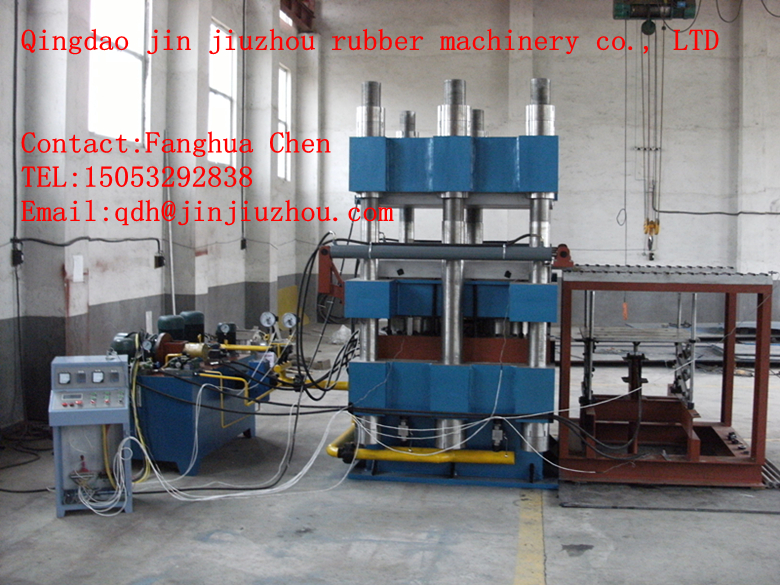
The price gap between two seemingly identical rubber presses often comes down to the internal components. Chinese manufacturers typically offer tiered pricing based on whether you accept domestic electrical and hydraulic parts or specify imported premium brands.
| System | Standard Export Build | Premium / Heavy-Duty Build |
|---|---|---|
| PLC & Controls | Local domestic brands (e.g., Delta) | Siemens, Mitsubishi, or Omron |
| Hydraulic Valves | Standard domestic components | Rexroth, Parker, or Yuken |
| Seals & O-Rings | Standard NBR | NOK (Japan) or equivalent high-temp Viton |
| Heating Platens | Welded / standard milled steel | Deep-hole drilled, forged solid steel |
Specifying premium components increases the initial unit cost by 15 to 30 percent, but drastically reduces maintenance overhead and spare parts sourcing difficulties over a 10-year operational lifespan.
Ensure your machinery specifications and component requirements are strictly met on the factory floor.
Talk to our teamEvaluating Manufacturer Capabilities and Quality Control
Not all suppliers listing rubber machinery actually manufacture the heavy frames or machine the platens in-house. Many are assembly workshops. To ensure structural integrity, you need a partner with in-house CNC gantry milling machines and heavy boring equipment. Conducting thorough Factory Audits is essential to verify their machining capabilities, welding standards, and quality management systems (like ISO 9001).
Before any machine leaves the factory, a rigorous Factory Acceptance Test (FAT) must be conducted. Relying on supplier-provided videos is insufficient.
Critical FAT Inspection Points
- Dry run cycling for at least 8 to 12 continuous hours to check for hydraulic leaks.
- Thermal imaging of heating platens to verify temperature uniformity (no cold spots).
- Measurement of platen parallelism under full clamping pressure.
- Verification of safety mechanisms (light curtains, emergency stops, pressure safety valves).
- Confirmation that all PLC programming is in the requested language (e.g., English) and fully operational.
Engaging professional Quality Control & Inspection services for on-site FAT ensures these checks are performed objectively before final payment is released.
Sourcing Mechanics: MOQs, Lead Times, and Logistics
MOQs and Pricing: The Minimum Order Quantity for heavy rubber machinery is almost always 1 unit. Pricing is highly volatile based on steel costs, component selection, and customization requirements.
Lead Times: Standard machines (like basic 50T lab presses) may be ready in 30 days. However, custom-built, high-tonnage vulcanizing presses or complex extrusion lines typically require 60 to 90 days for fabrication, assembly, and testing.
Logistics: Shipping heavy machinery is complex. Large presses often exceed standard container dimensions, requiring Flat Rack containers or Open Top containers. They must be properly winterized, coated in anti-rust protectants, and securely lashed. Coordinating this requires experienced Shipping & Freight management to handle heavy-lift port operations and complex customs clearances.
Navigate complex heavy machinery sourcing, FAT execution, and out-of-gauge shipping.
Get a free consultationFrequently Asked Questions
Procuring rubber product making machinery is an exercise in risk management. By rigidly defining your component specifications, demanding rigorous on-site testing, and planning for complex logistics, you secure equipment that delivers a low total cost of ownership over decades of operation. Professional procurement support can bridge the gap between initial technical discussions and final successful commissioning.
Get Sourcing Help for Rubber Product Making Machinery
Tell us your requirements and our experts will connect you with verified manufacturers.