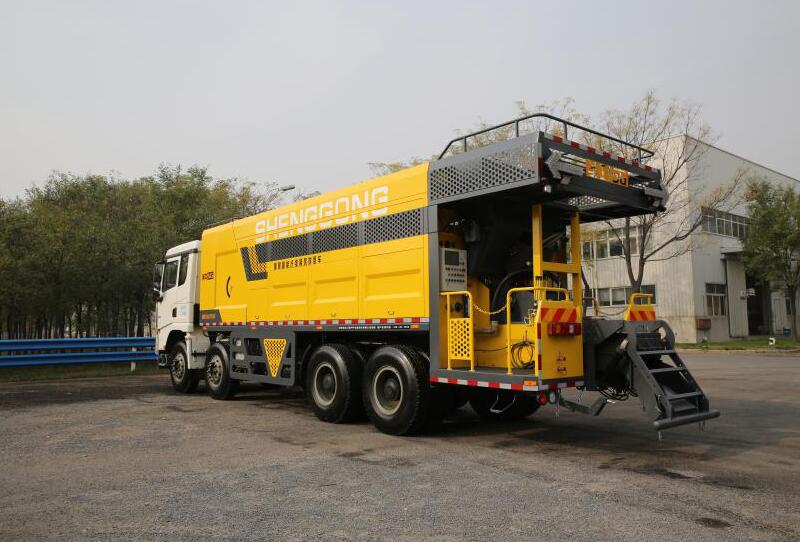
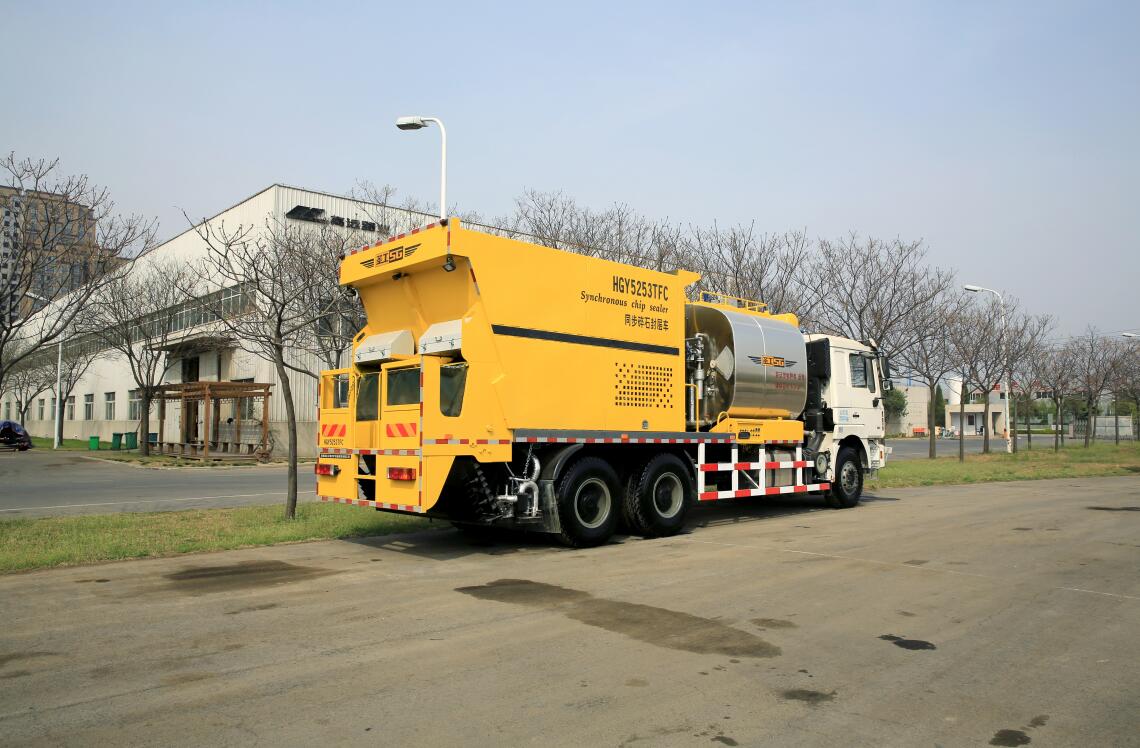
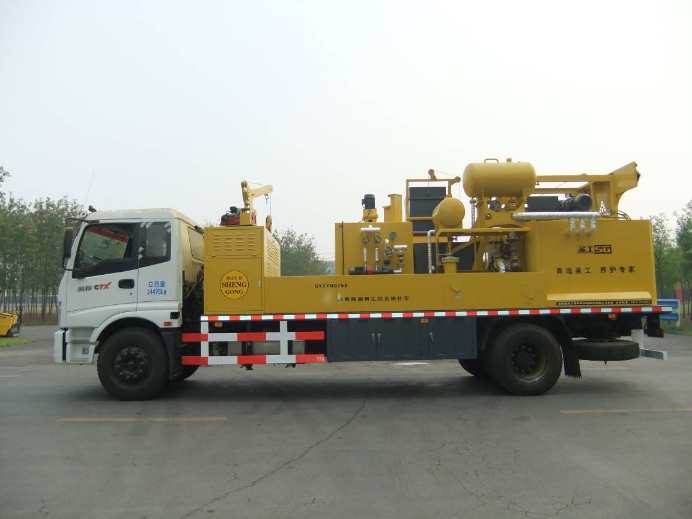
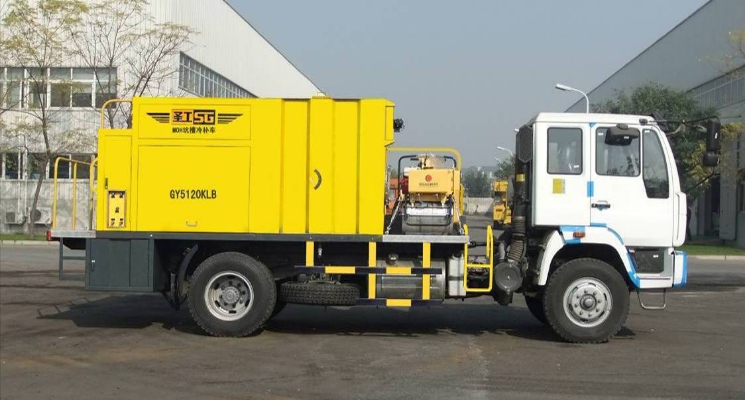
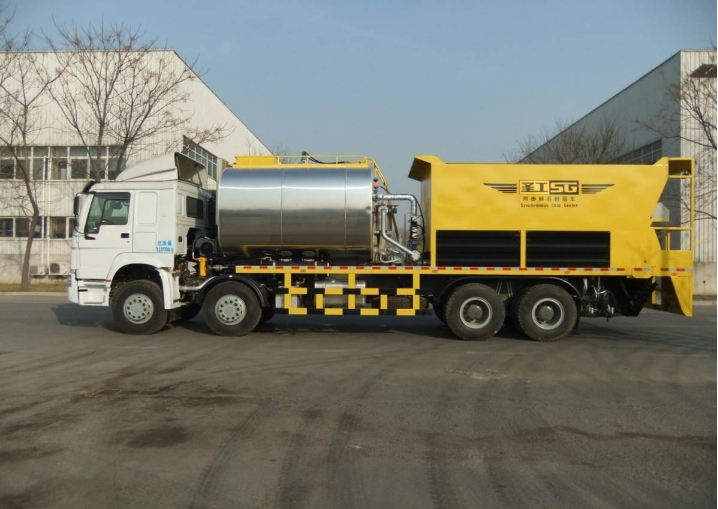
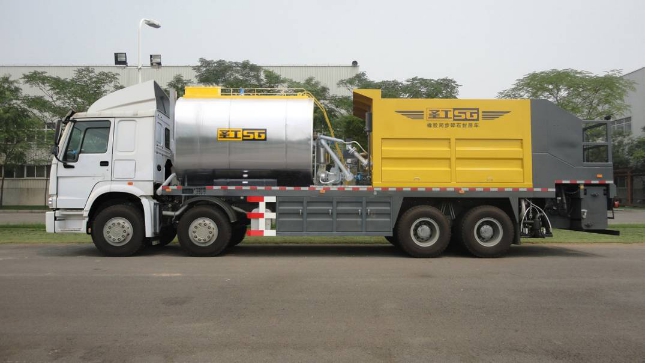
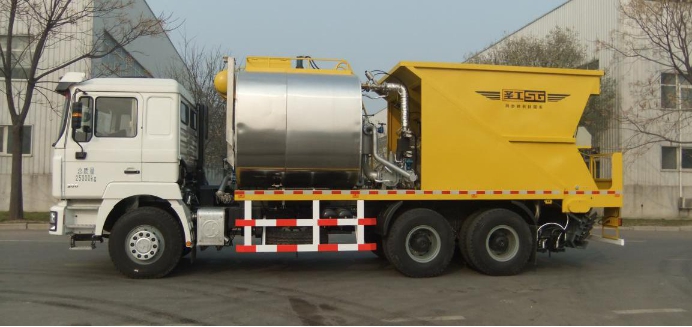
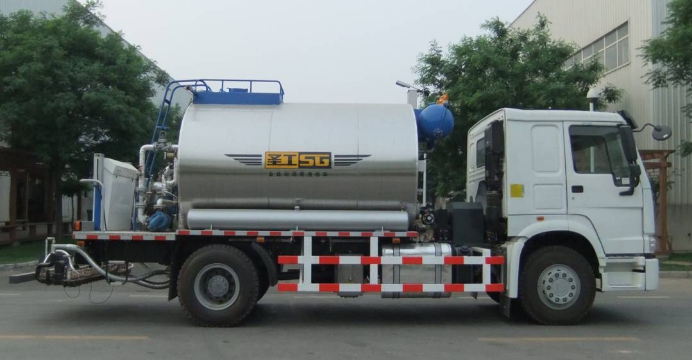
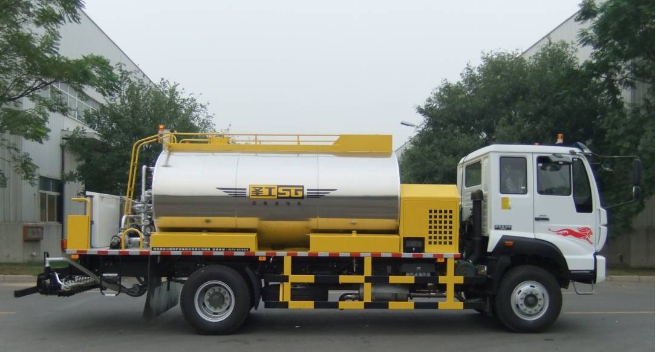
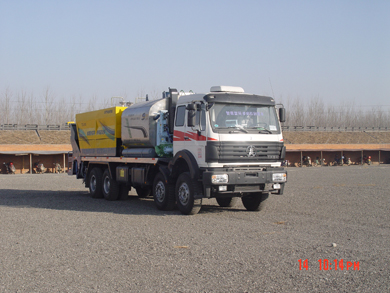
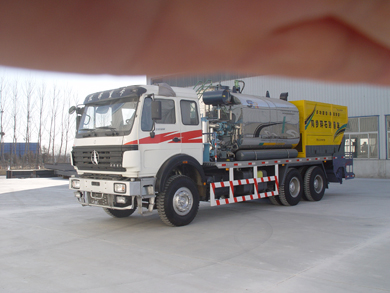
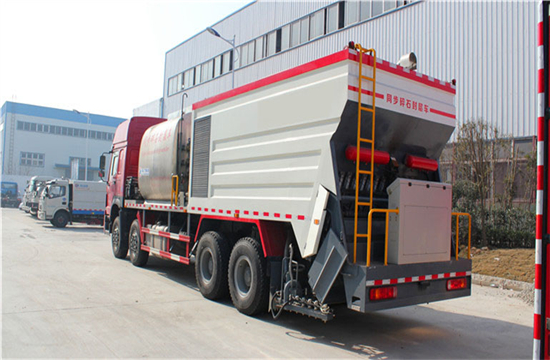
Road Sealing Machines
Source wholesale Road Sealing Machines directly from vetted manufacturers and factories. Designed for heavy equipment importers, distributors, and procurement managers, our network offers reliable crack sealing equipment for bulk purchase and OEM customization.
Sourcing road sealing machines—essential equipment for asphalt pavement maintenance and crack repair—requires strict attention to heating efficiency, pump reliability, and overall build quality. A breakdown in a thermal oil jacket or a clogged delivery hose on the job site means costly downtime for end-users. When importing these machines in volume, evaluating a manufacturer's engineering standards and component sourcing is critical to ensuring long-term field performance.
Core Specifications to Define
Before approaching a manufacturer, you must establish the exact technical requirements for your target market. Road sealing machines range from compact, walk-behind units for municipal patching to large, trailer-mounted systems for highway maintenance.
- Melting Kettle Capacity: Typically ranges from 60 liters for push-type models to over 500 liters for trailer-mounted units.
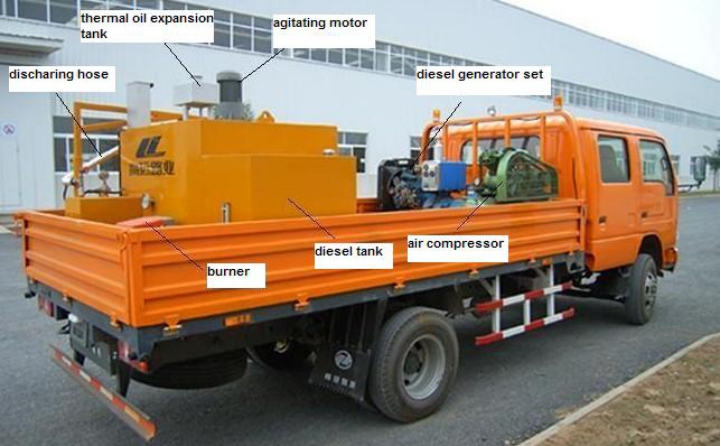
- Heating System: Indirect heating using a thermal heat transfer oil jacket is the industry standard to prevent sealant degradation. Specify the burner brand (e.g., Riello) and fuel type (diesel is most common).
- Agitation Mechanism: Ensure the factory uses robust, high-torque hydraulic or electric motors for the internal agitator to maintain uniform sealant temperature.
- Delivery System: Heated hoses (electrically heated) are critical to prevent the sealant from solidifying before application. Specify the hose length and required voltage.
Navigating heavy machinery specifications and supplier capabilities can be complex. Let us help you match your exact requirements with a vetted, high-tier manufacturer.
Talk to our teamManufacturing Quality and Supplier Vetting
The heavy machinery manufacturing hubs in China, particularly in Shandong and Jiangsu provinces, offer a wide range of road sealing equipment. However, manufacturing standards vary significantly.
Many lower-tier factories cut costs on the gauge of the steel used for the melting kettle, the quality of the thermal insulation, or the reliability of the generator set. Conducting thorough Factory Audits is essential to verify that a supplier has the in-house welding capabilities, assembly protocols, and testing facilities required for heavy-duty construction equipment.
Critical Quality Control Checks
When arranging Quality Control & Inspection prior to shipment, ensure the following areas are rigorously tested:
Pre-Shipment Inspection Focus Areas
- Burner Ignition and Heating Rate: Verify the time required to reach operational temperature (typically under 45 minutes).
- Thermal Oil Jacket Integrity: Pressure test the jacket to ensure zero leaks in the heat transfer system.
- Pump and Hose Flow: Run a test medium to confirm the asphalt pump operates smoothly without cavitation.
- Electrical and Generator Load: Test the generator under full load while the agitator and hose heaters are active.
- Chassis and Weld Inspection: Check the trailer chassis (if applicable) for structural integrity and anti-corrosion coating thickness.
Pricing, MOQs, and Lead Times
Because road sealing machines are high-value capital equipment, the sourcing dynamics differ from standard consumer goods.
Pricing is highly dependent on the capacity and the origin of key components. A basic 100L walk-behind sealer might range from a few thousand dollars, whereas a 500L trailer-mounted unit with an imported diesel burner, integrated generator, and intelligent temperature control panels will represent a significant capital investment.
Planning a bulk order or looking to develop a custom OEM line of road maintenance equipment? We can manage the negotiation and production oversight.
Get a free consultationLogistics and Shipping Considerations
Transporting road sealing equipment requires careful logistical planning. Smaller walk-behind units can often be crated and shipped via LCL (Less than Container Load), but larger trailer-mounted machines require dedicated FCL (Full Container Load) shipping, often utilizing flat-rack or open-top containers depending on their dimensions. Coordinating Shipping & Freight with a partner who understands heavy machinery export compliance and specialized loading protocols prevents transit damage and customs delays.
Successfully sourcing road sealing machines requires looking past the surface specifications to evaluate the durability of the internal components and the reliability of the factory's quality management system. Aligning with the right manufacturing partner ensures your equipment performs reliably in the harshest road maintenance environments.
Get Sourcing Help for Road Sealing Machines
Tell us your requirements and our experts will connect you with verified manufacturers.