Rice Milling Machinery
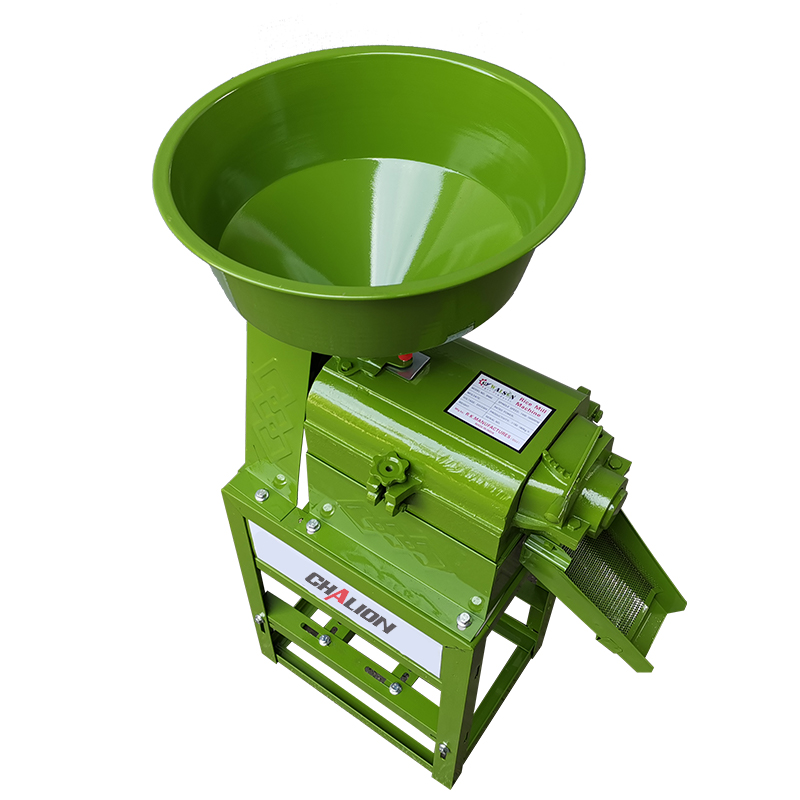
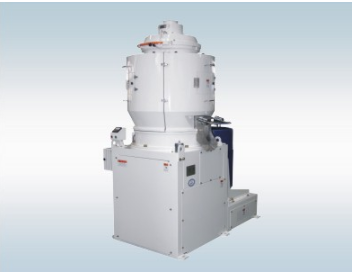
Source high-performance rice milling machinery from vetted Chinese manufacturers and suppliers. Designed for agricultural equipment importers, distributors, and procurement managers, our wholesale and OEM/ODM sourcing solutions deliver reliable, high-yield processing equipment built for commercial and industrial scale.
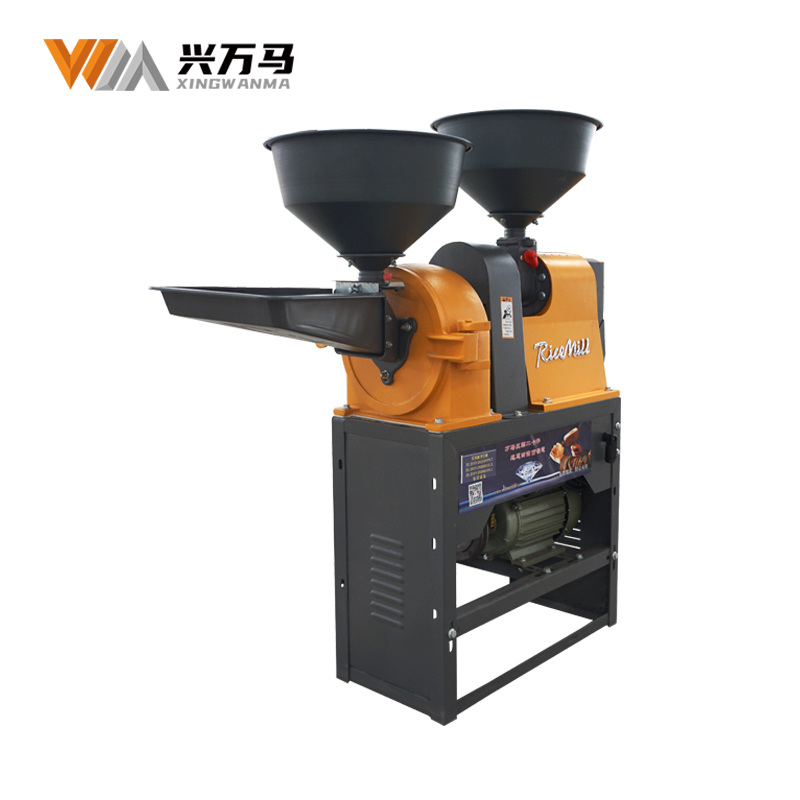
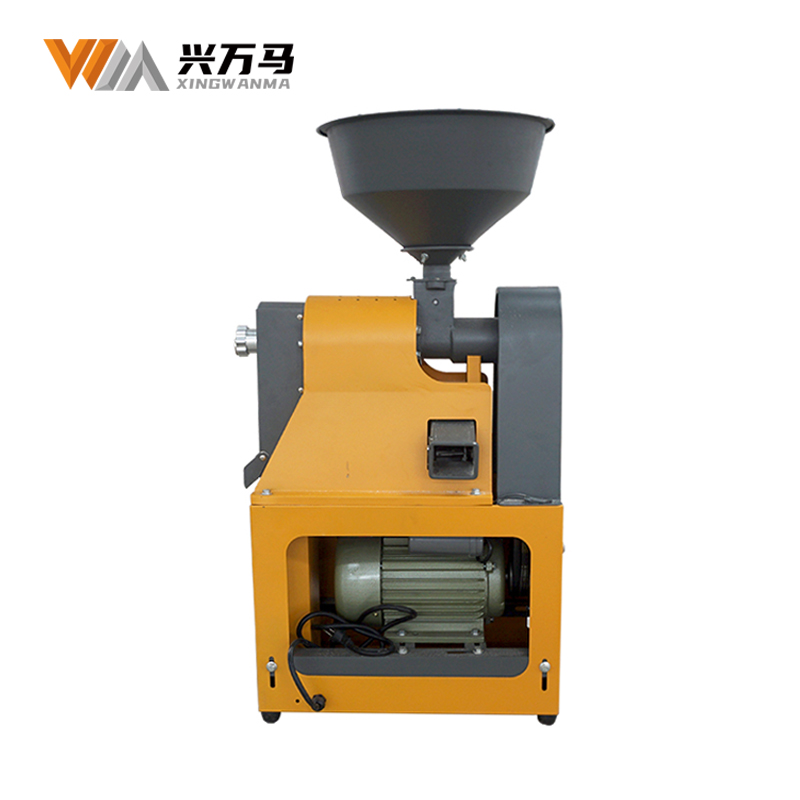
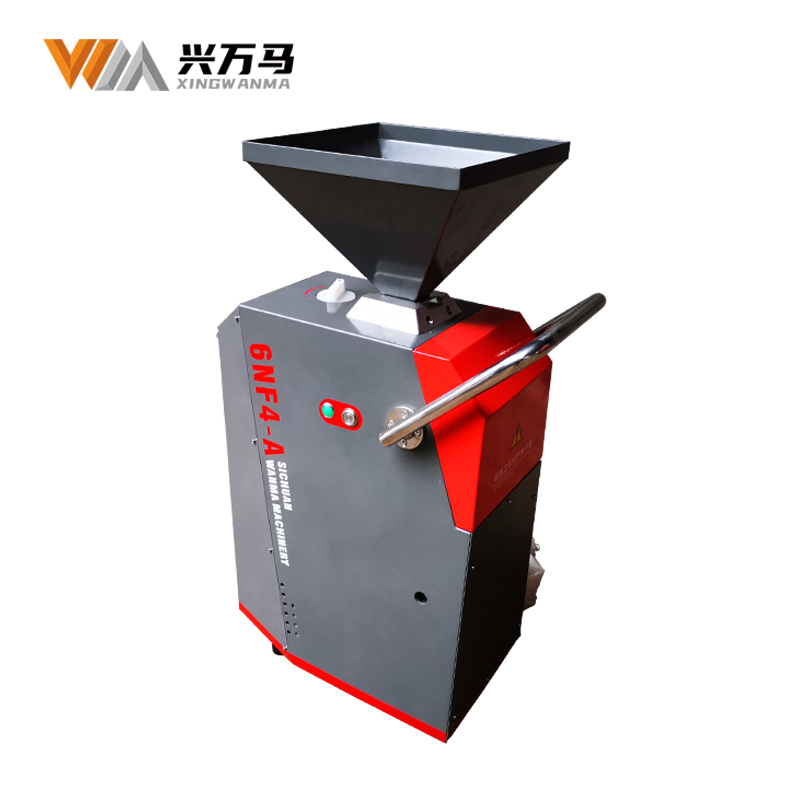
Sourcing commercial rice milling machinery requires balancing initial capital expenditure against long-term operational efficiency. For agricultural processing, the core metrics defining a successful purchase are yield percentage, broken rice rate, and energy consumption per ton. Securing reliable equipment from overseas manufacturers demands rigorous evaluation of motor specifications, milling chamber design, and the durability of wear parts.
Critical Specifications for Bulk Buyers
When negotiating with manufacturers, vague specifications lead to inconsistent performance. Professional buyers must define exact parameters for the machinery's core components to ensure it meets the operational demands of the end-user.
| Specification | Commercial Standalone Units | Industrial Milling Lines |
|---|---|---|
| Throughput Capacity | 500 kg to 2 tons per hour | 20 to 100+ tons per day |
| Broken Rice Rate | Under 5 percent | Under 2 percent (with advanced grading) |
| Power Configuration | Single or Three-phase (customizable) | Three-phase commercial power only |
| Automation Level | Manual operation and feeding | Fully automated PLC control systems |
Defining the Milling Chamber and Wear Parts
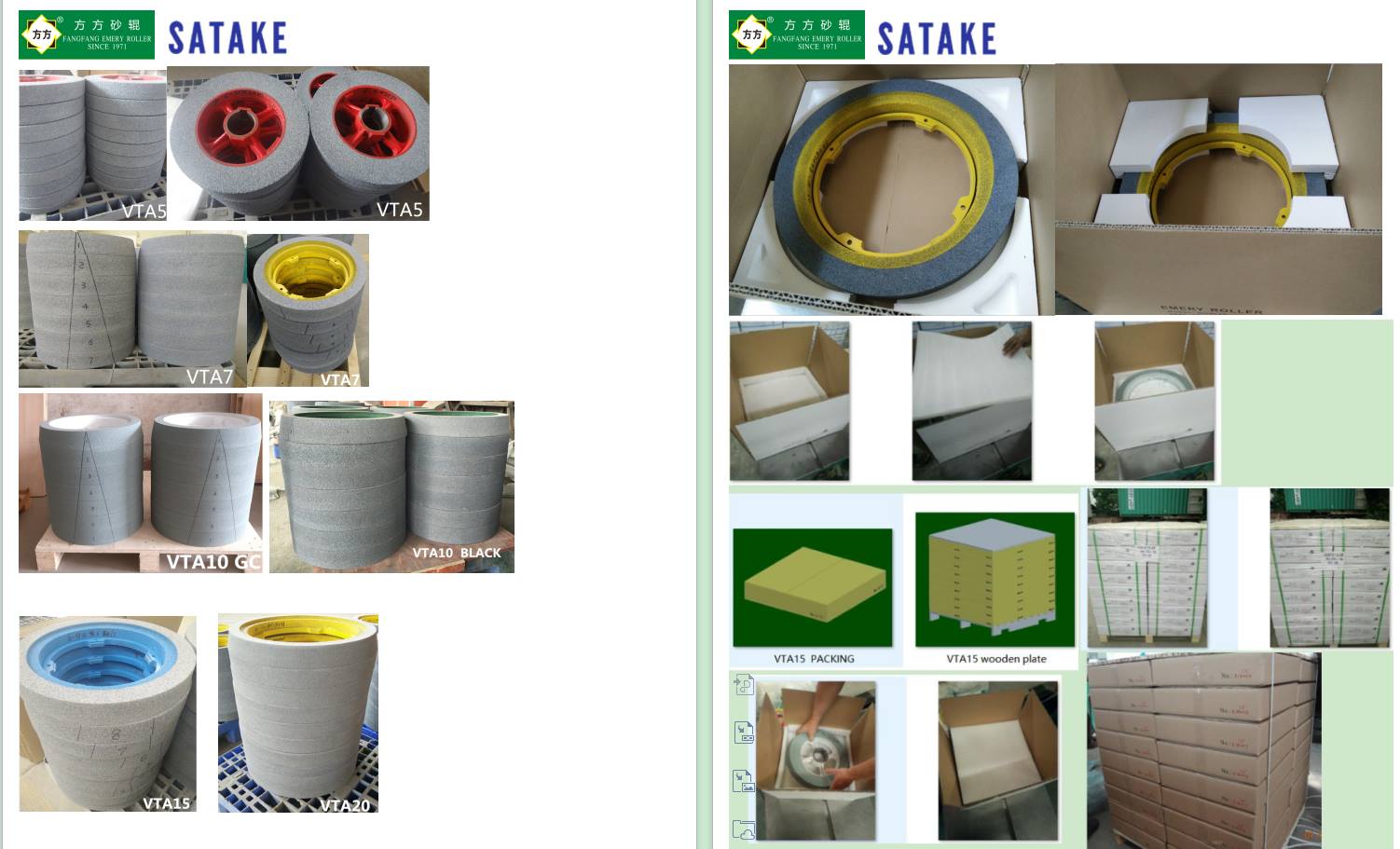
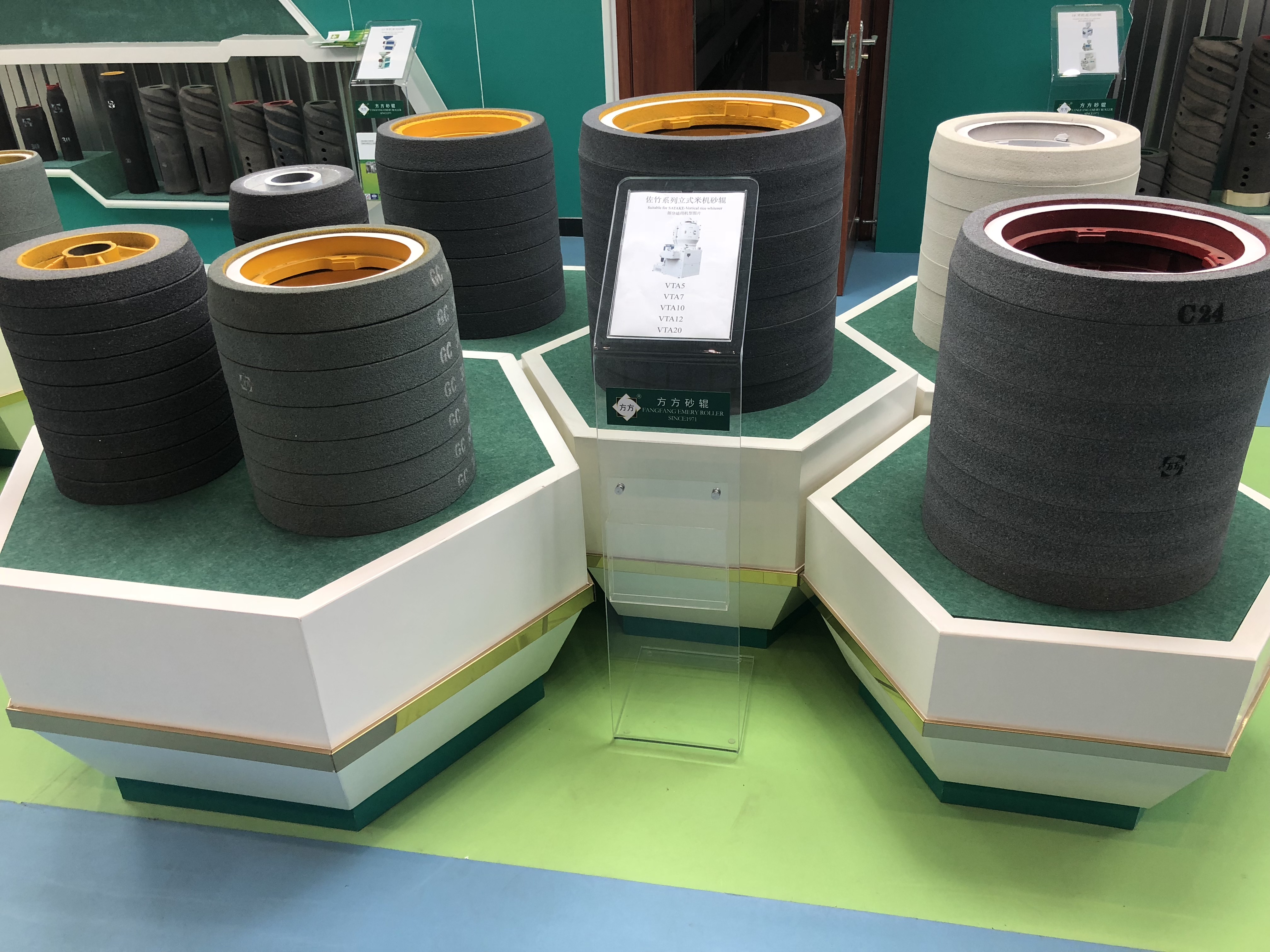
The profitability of a rice mill hinges on the milling chamber. Specify the material of the emery roller (abrasive roller) and the thickness of the stainless steel screens. Lower-tier factories often cut costs by using thinner screens that warp under continuous operation or rollers that degrade rapidly, increasing the broken rice rate.
Struggling to verify machinery specifications with overseas suppliers? Our engineering sourcing team can help you validate technical capabilities before you place a deposit.
Get a free consultationFactory Floor Realities: Quality Control
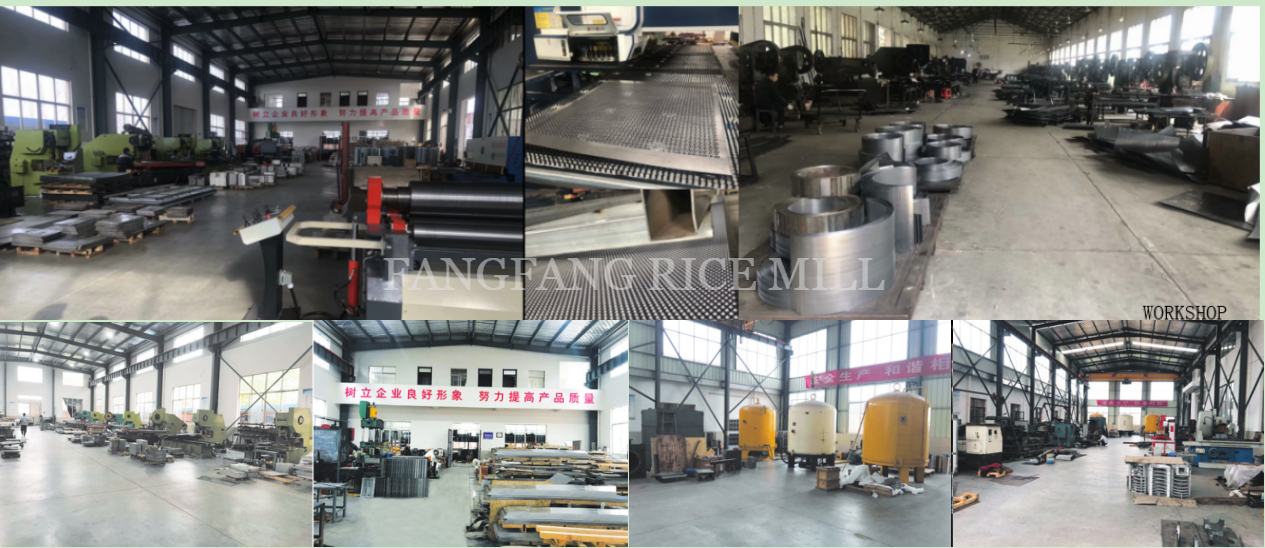
The agricultural machinery sector in China is vast, ranging from premium export-focused manufacturers to domestic-market workshops. Assessing a supplier's true capability requires looking past the showroom.
Conducting comprehensive Factory Audits is essential to verify that the supplier has the CNC machining centers required for precise component fabrication and the testing facilities to run the machinery under load.
Key Pre-Shipment Inspection Points
- Motor Verification: Confirm the use of pure copper core motors (weighing the motor is a common proxy for copper content).
- Vibration Testing: Machinery must be test-run at the factory to check for excessive vibration, which indicates poor rotor balancing.
- Electrical Safety: Verify that wiring, relays, and emergency stops comply with target market standards (CE, UL, or regional equivalents).
- Paint and Finish: Ensure industrial-grade powder coating or anti-corrosion paint is applied to prevent rust in humid agricultural environments.
Implementing rigorous Quality Control & Inspection prior to container loading ensures that missing components, misaligned belts, or incorrect voltage configurations are caught at the factory, not at your client's facility.
Pricing, MOQs, and Logistics
Purchasing heavy agricultural machinery involves distinct procurement mechanics compared to consumer goods.
Procurement Mechanics
Pricing is heavily driven by the motor brand (domestic vs. international brands like Siemens or ABB), the inclusion of auxiliary equipment (destoners, color sorters, graders), and the grade of steel used in the chassis.
Because rice milling machinery is bulky and heavy, logistics planning must happen concurrently with procurement. Complete milling lines often require multiple 40HQ containers or specialized flat racks. Coordinating Shipping & Freight effectively is critical to avoid port storage fees and ensure the machinery is properly secured against transit damage.
Need accurate pricing and freight estimates for heavy agricultural machinery? We manage the entire process from factory negotiation to final delivery.
Talk to our teamBuyer FAQ
Procuring rice milling machinery is a high-stakes investment where equipment downtime directly impacts agricultural yield and profitability. Success requires moving beyond surface-level pricing to rigorously validate engineering tolerances, motor quality, and the supplier's post-sales support infrastructure.
Get Sourcing Help for Rice Milling Machinery
Tell us your requirements and our experts will connect you with verified manufacturers.