Resistance Welders
Source commercial resistance welders from vetted manufacturers and suppliers. Designed for importers, industrial distributors, and brands seeking reliable OEM production, our catalog covers high-volume welding equipment. Ensure consistent joint quality, true power ratings, and global compliance with direct-from-factory bulk sourcing.
Procuring resistance welding equipment at scale requires navigating a complex landscape of component suppliers and machine integrators. The difference between a high-production workhorse and a maintenance liability lies in transformer quality, controller precision, and frame rigidity. When sourcing these machines for distribution or industrial deployment, establishing strict technical parameters upfront is critical to avoiding under-powered units or premature component failure.
Critical Specifications to Define
When negotiating with manufacturers, vague specifications invite cost-cutting. To ensure you receive quotes for comparable, industrial-grade equipment, your RFQ must explicitly define the core performance metrics.
- Nominal Capacity (KVA) vs. Duty Cycle: Factories often advertise the peak KVA rather than the nominal KVA at a standard 50 percent duty cycle. Always specify the required KVA at a continuous operating temperature.
- Electrode Force: Specify the maximum required welding pressure and the actuation method (standard pneumatic cylinders vs. servo-driven proportional valves).
- Throat Depth and Gap: These dimensions dictate the size of the workpiece the machine can handle. Larger throat depths require significantly more rigid frames to prevent deflection under pressure.
| Power Delivery | Performance Profile | Ideal Application | Cost Impact |
|---|---|---|---|
| Single-Phase AC | Slower current rise, zero-crossing gaps | Basic mild steel joining, low-volume production | Baseline cost |
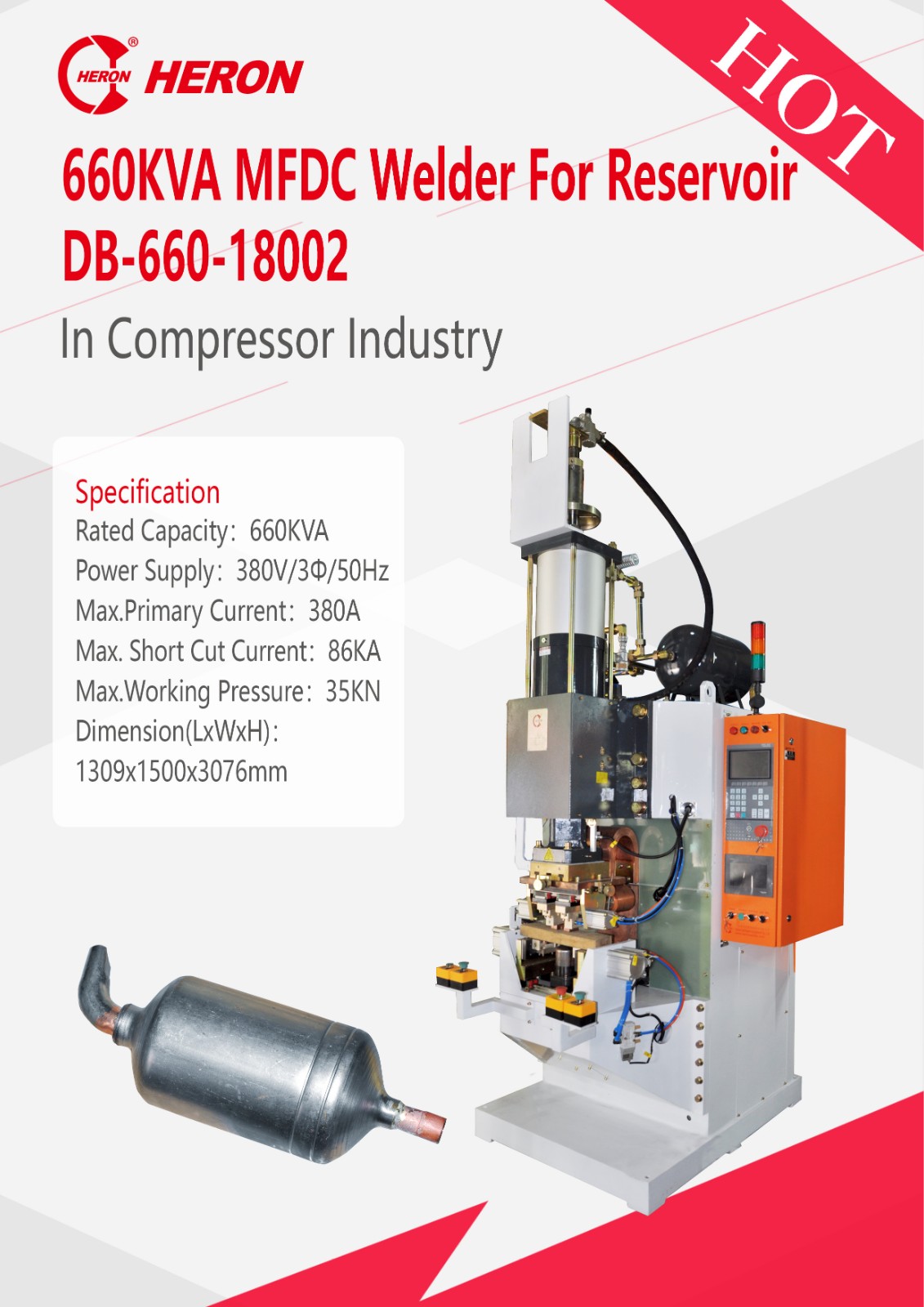
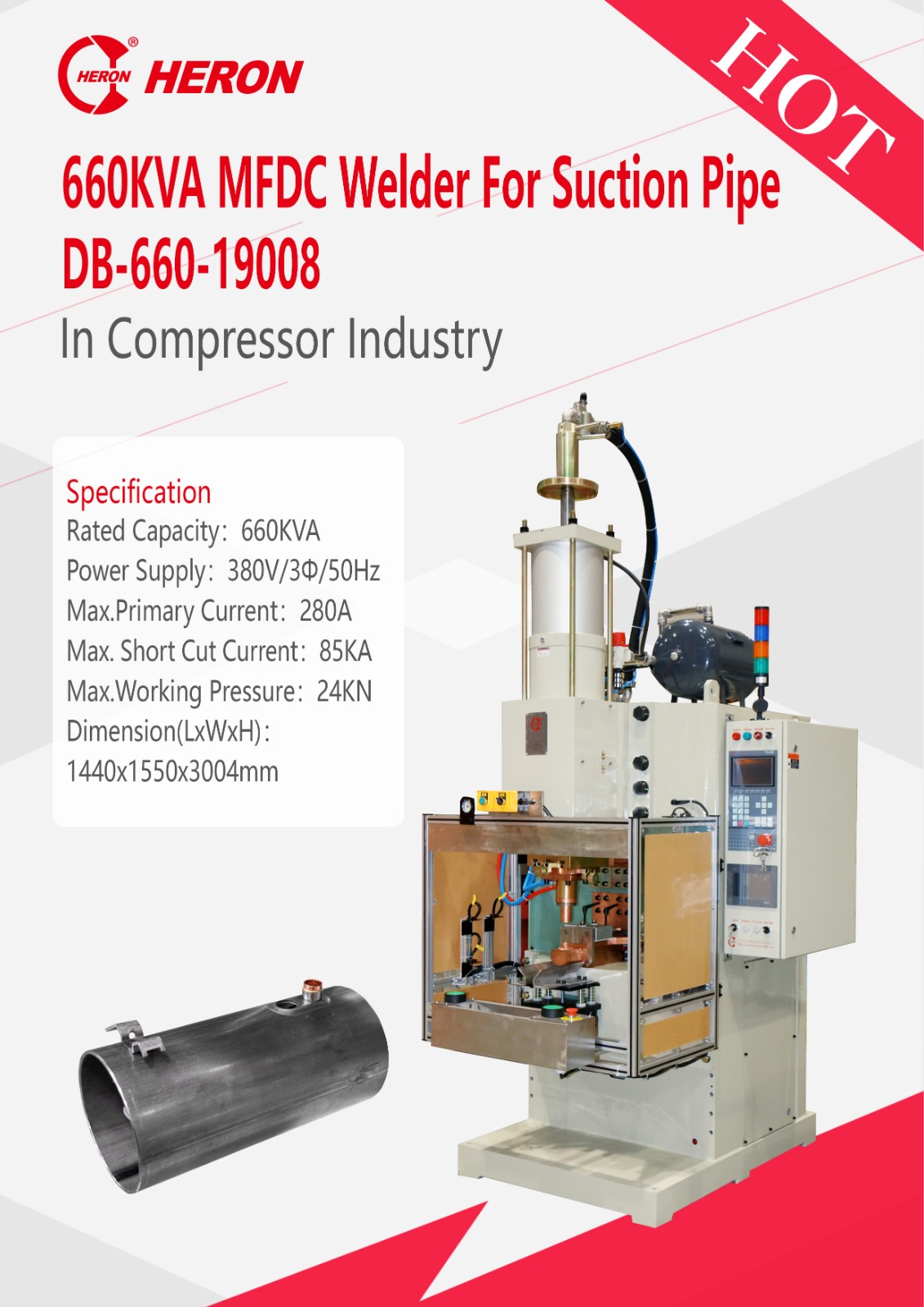
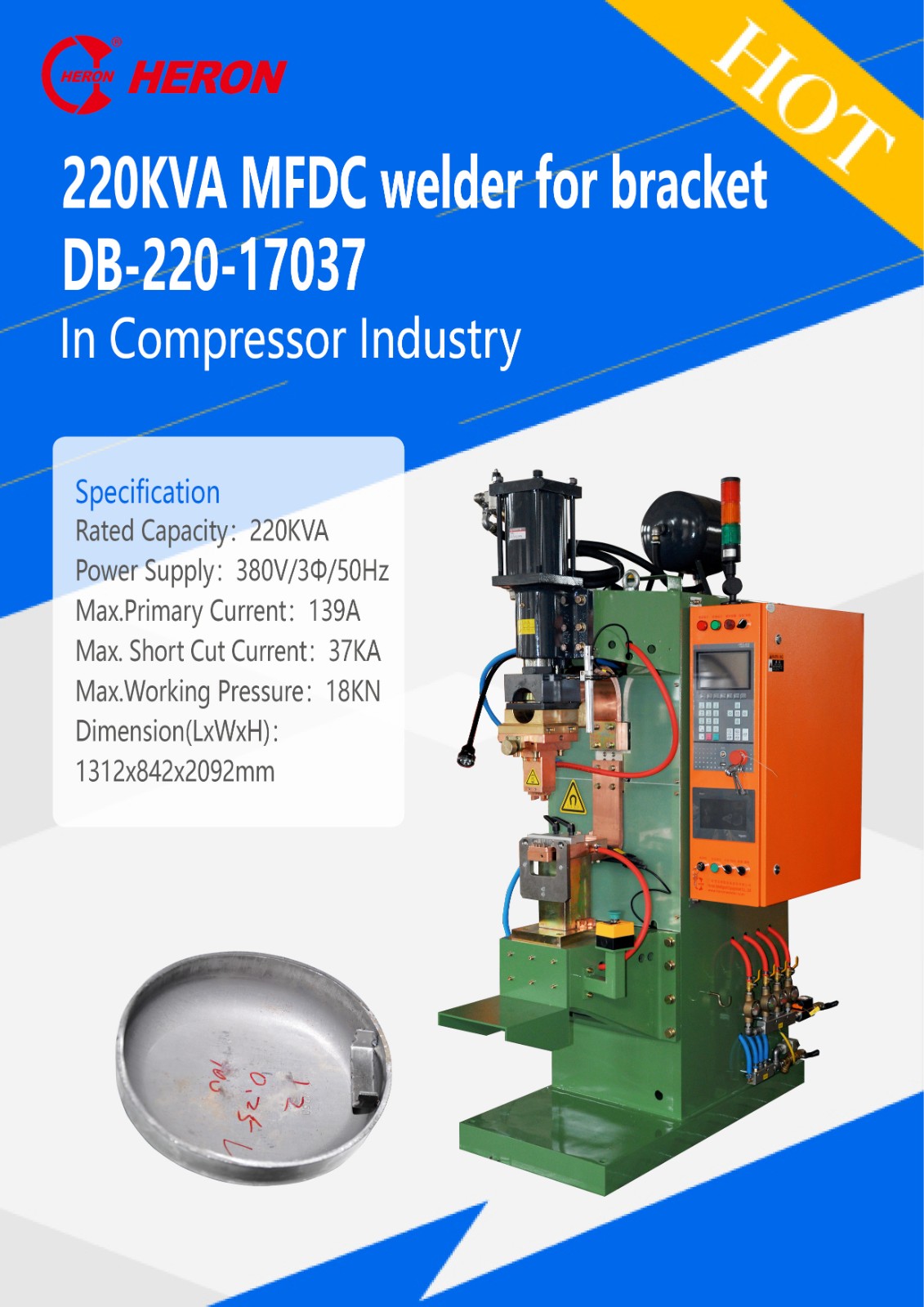
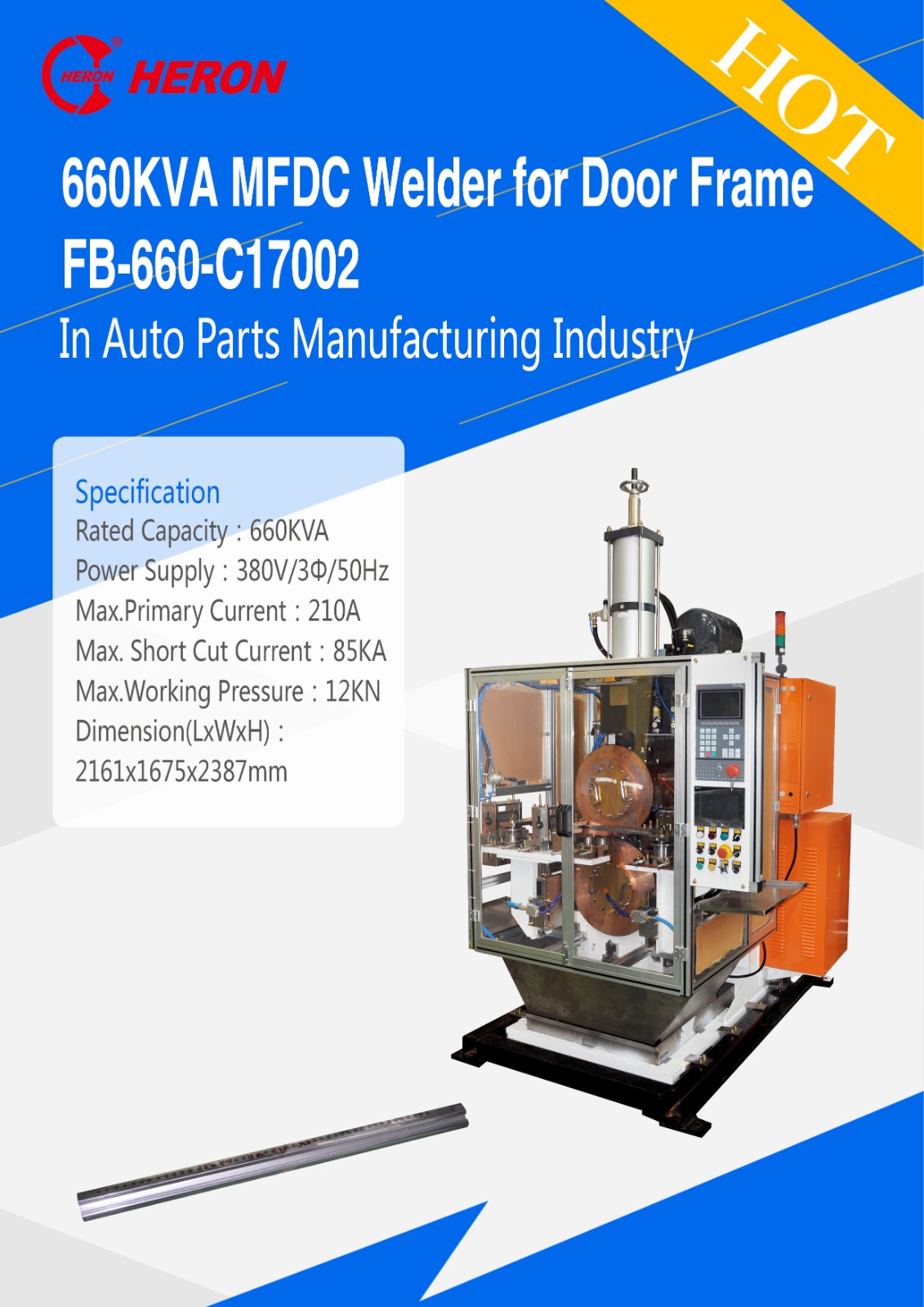
| Medium Frequency DC (MFDC) | Rapid current rise, continuous DC output | High-strength steel, aluminum, high-speed lines | Premium (requires inverter) |
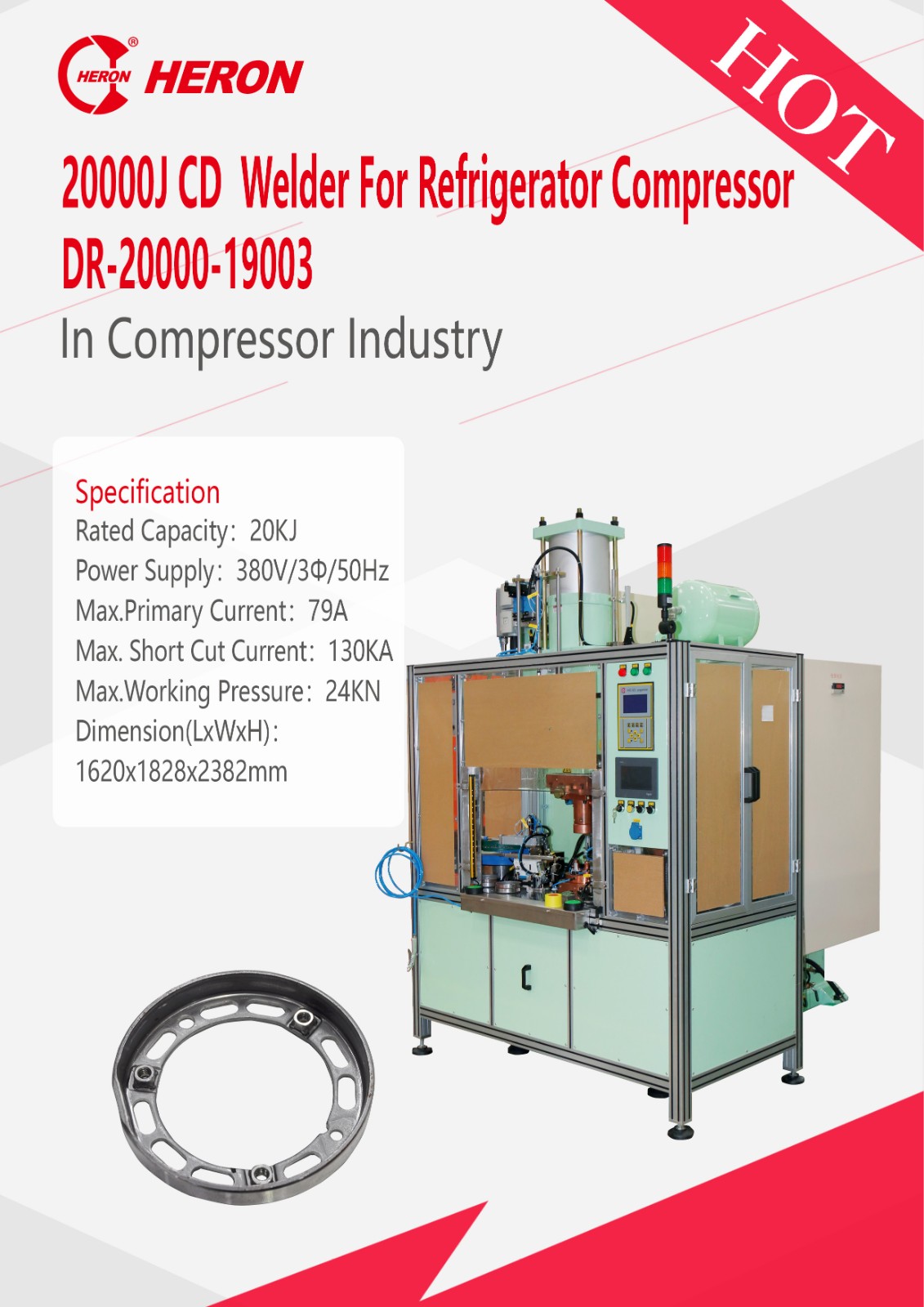
| Capacitor Discharge (CD) | Extremely fast, high-peak energy release | Projection welding, heat-sensitive materials | Moderate to High |
Manufacturing Quality and Factory Verification
Many suppliers of resistance welders are assemblers rather than true manufacturers. They purchase transformers, controllers, and pneumatic systems from sub-suppliers and mount them to fabricated frames. The quality of the final machine depends entirely on their supply chain control and assembly standards.
Conducting thorough Factory Audits is essential to verify whether a supplier winds their own transformers or relies on third parties, and to assess their internal quality management systems.
Key Areas for Inspection
Factory-Level Quality Checks
- Transformer Windings: Verify the use of high-purity electrolytic copper rather than copper-clad aluminum.
- Cooling Channels: Ensure water cooling circuits cover the transformer, SCRs (thyristors), and electrode holders without internal bottlenecks.
- Frame Rigidity: Check for heavy-duty cast iron or heavily reinforced welded steel frames to prevent arm deflection.
- Pneumatic Components: Confirm the use of internationally recognized pneumatic brands (e.g., SMC, Festo) for reliable pressure control.
- Controller Origin: Verify if the microprocessor controls are developed in-house or sourced from reputable industrial brands.
Struggling to verify transformer specifications and duty cycle claims? Let our engineers vet the factories and establish strict quality parameters for your order.
Talk to our teamCompliance and Safety Standards
Resistance welders draw massive electrical currents and operate under high pressure, making regulatory compliance non-negotiable for import and resale. Depending on your target market, you must ensure the equipment meets specific directives.
For the European market, machines must comply with the Machinery Directive, the Low Voltage Directive (LVD), and Electromagnetic Compatibility (EMC) standards to bear the CE mark. For North America, UL or CSA certification on the electrical components and controllers is typically required by end-users. Utilizing professional Compliance & Testing services ensures the machines meet these legal and safety requirements before they leave the factory.
Typical MOQs, Lead Times, and Pricing Drivers
Pricing for resistance welders scales dramatically with power output, controller sophistication (MFDC inverters cost significantly more than basic AC thyristor controls), and the degree of automation.
Because these machines are heavy and bulky, efficient container loading and freight consolidation are vital to maintaining your profit margins. Implementing rigorous Quality Control & Inspection prior to shipment prevents the costly mistake of importing defective heavy machinery.
Need accurate landed costs for commercial resistance welders? We can negotiate pricing, oversee production, and manage the heavy freight.
Get a free consultationFrequently Asked Questions
Successfully sourcing resistance welding equipment requires looking past the outer casing to evaluate the core electrical and structural components. By defining rigid specifications and verifying factory capabilities, you can secure reliable machinery that delivers consistent performance for your end-users.
Get Sourcing Help for Resistance Welders
Tell us your requirements and our experts will connect you with verified manufacturers.