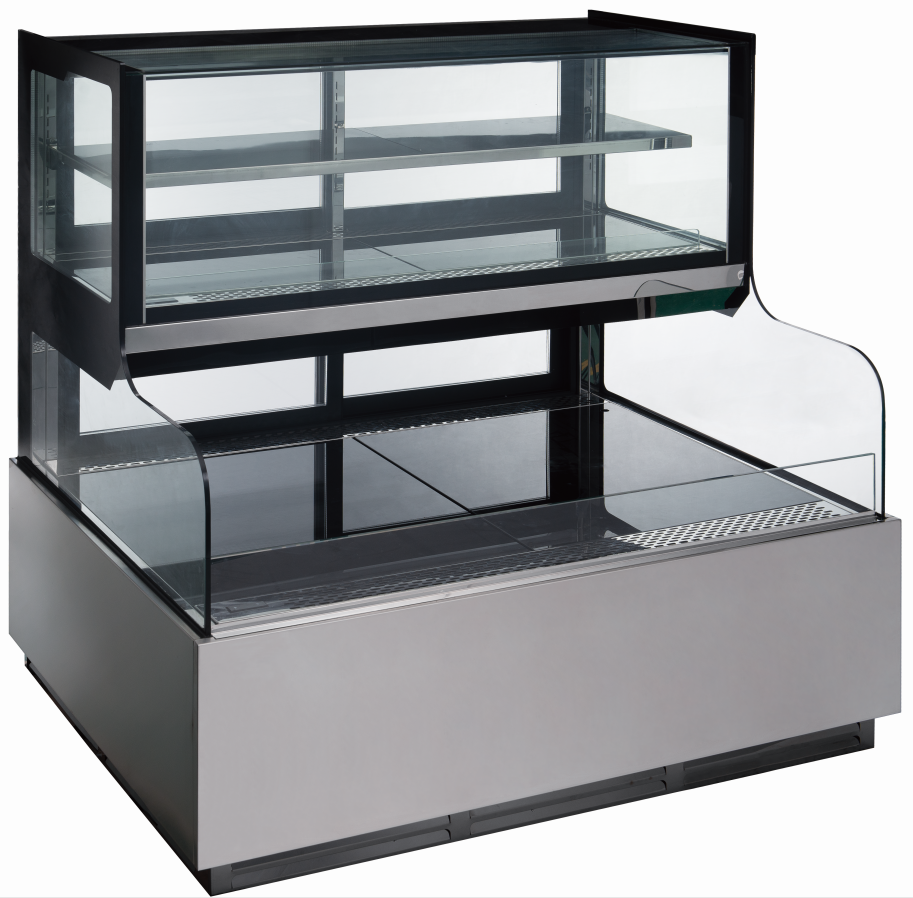
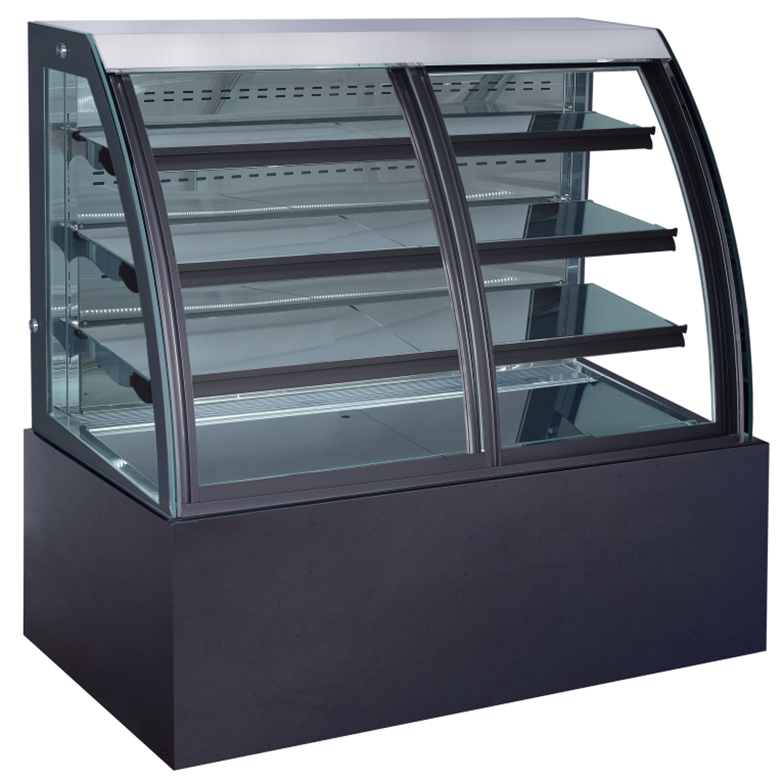
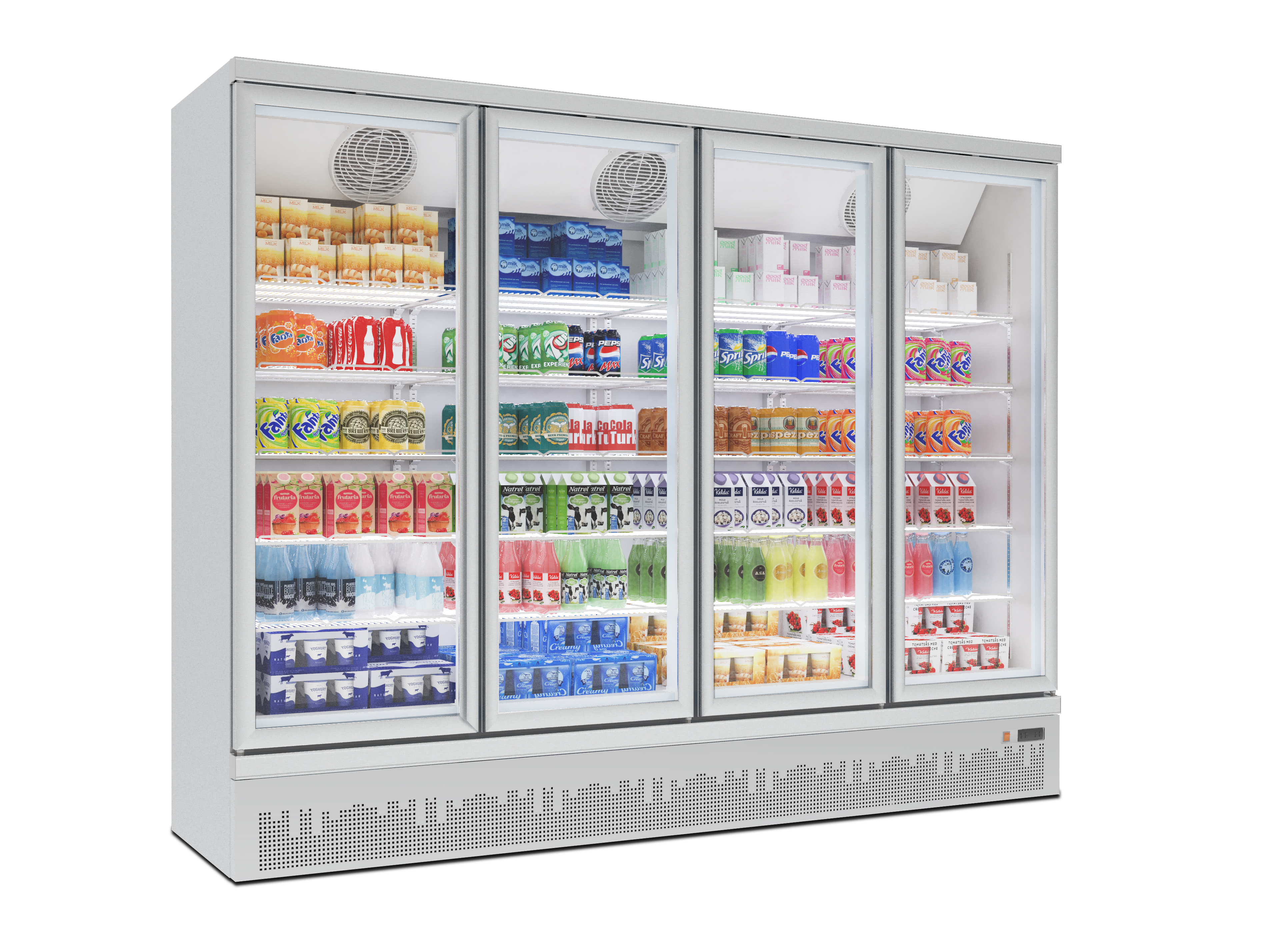
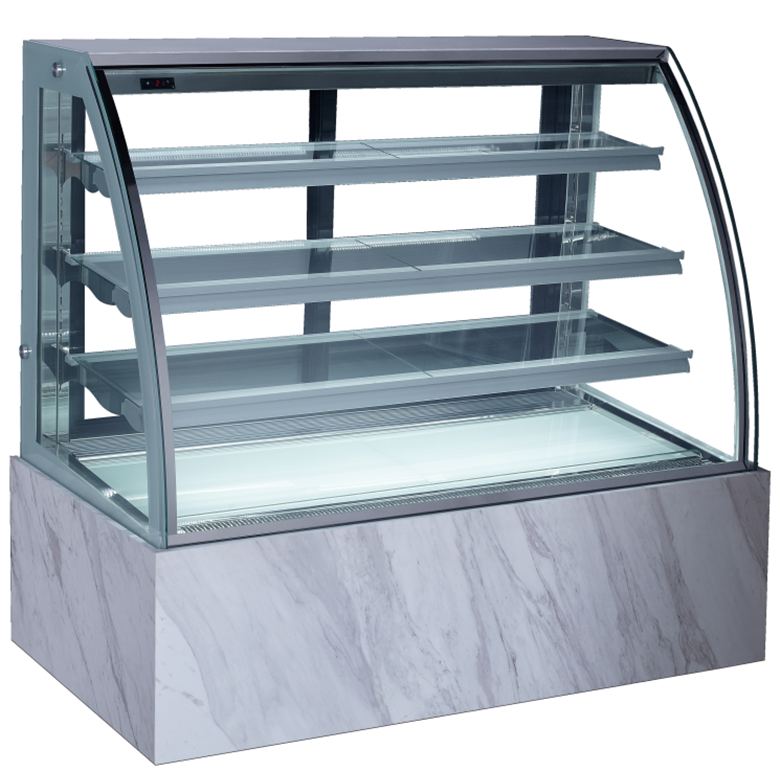
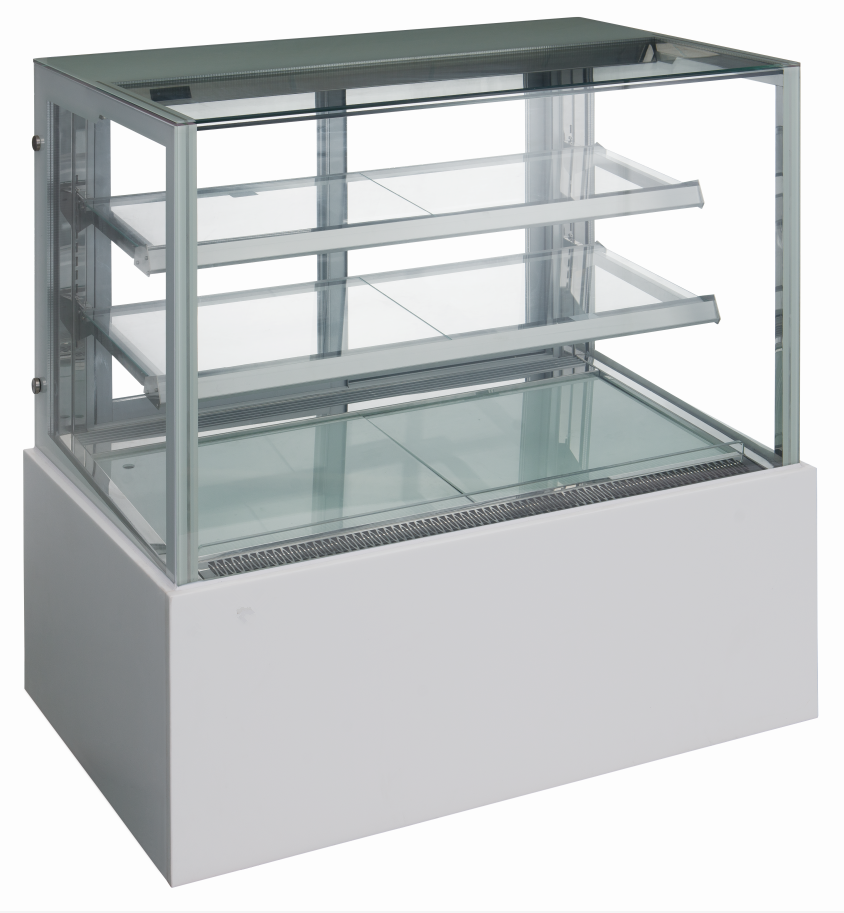
Refrigeranted Display Cases
Source commercial refrigerated display cases from vetted suppliers and manufacturers across Asia. Built for importers, wholesalers, distributors, and brands seeking reliable OEM/private-label production, our network delivers high-performance, compliance-tested cooling equipment in bulk volume.
Sourcing commercial refrigerated display cases requires balancing thermal efficiency, aesthetic visibility, and strict regulatory compliance. For volume buyers, the core challenge is not just finding a factory that can assemble a metal cabinet, but verifying that the underlying refrigeration system—compressors, evaporators, and insulation—is engineered for long-term reliability in demanding retail environments.
Critical Specifications for Commercial Cooling
When defining your product requirements, the internal components dictate both performance and unit cost. Buyers must specify the exact refrigeration architecture to avoid receiving underpowered units that struggle during peak ambient temperatures.
- Cooling Systems: Ventilated (dynamic/fan-assisted) cooling is standard for most commercial applications due to rapid temperature pull-down and even distribution. Static cooling is typically reserved for specific applications like fresh meat or delicate pastries where airflow might dry out the product.
- Compressors: Specify internationally recognized brands (such as Secop, Embraco, or Danfoss) for the compressor. White-label or unbranded compressors significantly increase the risk of premature failure and complicate aftermarket servicing.
- Refrigerants: Global environmental regulations have heavily restricted high-GWP (Global Warming Potential) refrigerants. R290 (propane) is now the industry standard for light commercial refrigeration, offering excellent thermodynamic properties and regulatory compliance across North American and European markets.
- Glass Technology: For closed merchandisers, specify double or triple-glazed tempered glass. To prevent exterior condensation in humid environments, Low-E (low emissivity) coatings or actively heated glass doors are mandatory specifications.
| Feature | Ventilated (Dynamic) Cooling | Static Cooling |
|---|---|---|
| Temperature Consistency | Excellent, even distribution | Prone to temperature stratification |
| Pull-Down Speed | Fast recovery after door openings | Slow recovery |
| Product Dehydration | Higher risk without proper packaging | Minimal, ideal for unpackaged fresh goods |
| Maintenance | Requires regular fan and coil cleaning | Simpler mechanics, manual defrost often needed |
Need help matching refrigeration specs to your target market's climate and compliance standards?
Discuss your spec requirementsManufacturing Quality & Factory Vetting
The visual finish of a display case often masks manufacturing shortcuts. High-quality production relies on precise copper tube welding, high-density polyurethane foaming, and rigorous electrical safety protocols. If the insulation foaming process leaves internal voids, the unit will suffer from condensation issues and excessive energy consumption.
Conducting thorough factory audits is crucial before placing bulk orders. You need to verify that the manufacturer has automated foaming machines, leak detection equipment (such as helium mass spectrometers), and climate-controlled testing chambers.
Key Factory Floor Checks
- Verify helium leak detection is used on all copper joints.
- Inspect the polyurethane injection process for consistent density and lack of voids.
- Check that electrical wiring harnesses are properly routed away from moisture zones.
- Ensure climate chambers are available to test units at high ambient temperatures (e.g., 40 Celsius, 75 percent humidity).
Compliance and Certifications
Commercial refrigeration is heavily regulated. Depending on your destination market, units must pass stringent safety, sanitation, and energy efficiency tests.
- North America: UL or ETL certification is required for electrical safety. NSF/ANSI 7 certification is mandatory for sanitation, dictating specific materials, cleanability, and temperature holding capabilities. DOE (Department of Energy) compliance is also strictly enforced.
- Europe: CE marking is required, alongside adherence to EcoDesign and Energy Labeling directives (MEPS).
Navigating these requirements is complex. Utilizing professional compliance testing services ensures your units meet local laws before they leave the factory floor, preventing costly customs rejections.
R290 Charge Limits
While R290 is the preferred eco-friendly refrigerant, it is highly flammable. Safety regulations strictly limit the maximum charge size per refrigeration circuit (historically 150g, though limits are updating in some regions). Ensure your manufacturer's designs comply with these specific volumetric limits.
Pricing, MOQs, and Lead Times
Because refrigerated display cases are bulky, container utilization is a primary driver of your landed cost. Shipping empty space destroys profit margins.
MOQs are typically based on container loads rather than arbitrary unit counts. Most factories require a minimum of a 20ft container, though 40HQ containers offer significantly better freight economics. Many suppliers will allow you to mix 2 to 3 different models within a single 40HQ container to meet the MOQ.
Pricing is highly elastic based on your specifications. Upgrading to a premium compressor brand, adding heated glass, or utilizing OEM/ODM services for custom cabinet dimensions and integrated brand lighting will increase unit costs but significantly elevate the product's market positioning.
Optimize your container loads and unit costs with our supply chain experts.
Get a sourcing consultationQuality Control Before Shipment
Never authorize a final payment without a comprehensive pre-shipment inspection. Refrigeration equipment is susceptible to hidden defects that only become apparent when the unit is powered on. Implementing strict quality control protocols at the factory is non-negotiable.
Visual & Dimensional Inspection
Verify cabinet dimensions, glass integrity, branding accuracy, and overall finish.
Electrical Safety Testing
Conduct Hi-Pot (high potential) and earth continuity testing to ensure electrical safety.
Performance Pull-Down Test
Run the unit in a climate chamber to measure how quickly it reaches the target temperature from ambient.
Packaging Verification
Ensure units are bolted to heavy-duty pallets and protected with corner guards to survive ocean freight.
Successfully importing refrigerated display cases requires more than just finding a low price; it demands rigorous specification management and strict oversight of the manufacturing process. By controlling the component selection and enforcing robust quality checks, volume buyers can secure highly reliable equipment that minimizes total cost of ownership and protects their brand reputation.
Get Sourcing Help for Refrigeranted Display Cases
Tell us your requirements and our experts will connect you with verified manufacturers.