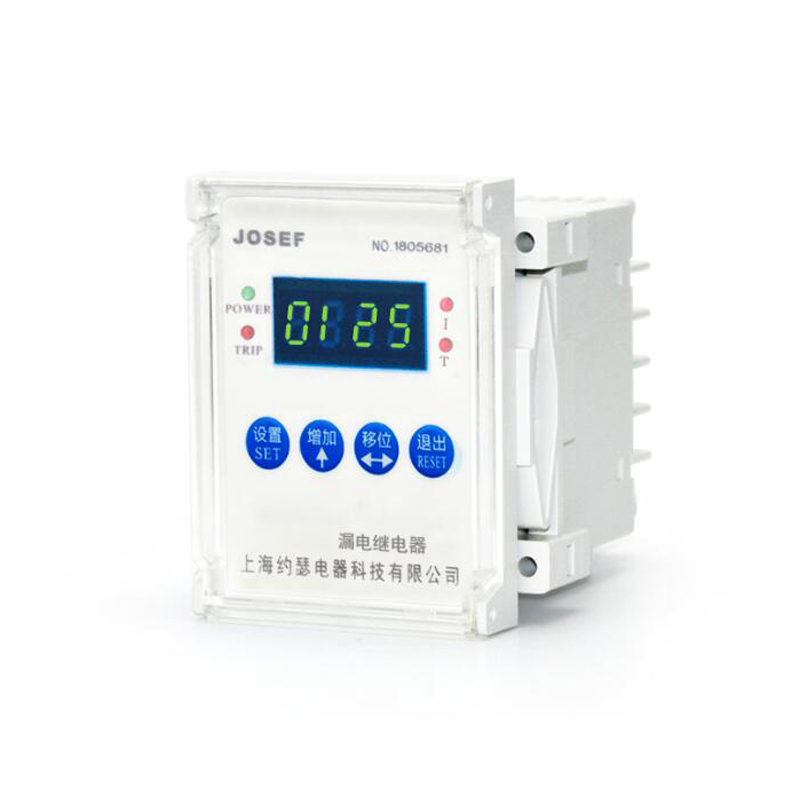
Protection Relays and Systems
Source commercial-grade Protection Relays and Systems from vetted suppliers and manufacturers across Asia. Designed for electrical distributors, importers, and industrial procurement teams, our network offers scalable manufacturing, custom OEM production, and strict compliance with international safety standards.
Sourcing protection relays in bulk requires navigating a complex landscape of electrical safety standards, precise calibration requirements, and rigorous testing protocols. Whether you are procuring microprocessor-based relays for modern industrial switchgear or solid-state relays for specific control panels, supplier selection is the single biggest factor in ensuring grid stability and equipment safety. The factories producing these critical components must demonstrate advanced PCB assembly capabilities, strict firmware version control, and comprehensive in-house testing infrastructure.
Defining Specifications for Manufacturer Production
To secure accurate quotes and avoid costly manufacturing errors, your RFQ must detail exact electrical and environmental operating parameters. Relying on generic datasheets often leads to misaligned expectations, especially when integrating relays into larger SCADA systems.
Critical Specifications to Define in Your RFQ
- Nominal system voltage and operating voltage range (including auxiliary power supply requirements).
- Current and voltage transformer (CT/VT) input ratings (e.g., 1A or 5A secondary).
- Specific protection functions required (ANSI/IEEE standard device numbers like 50/51, 27, 59, 87).
- Communication protocols for numerical relays (Modbus RTU/TCP, IEC 61850, DNP3, PROFINET).
- Environmental tolerances (operating temperature range, humidity, and IP rating for the enclosure).
Relay Technologies and Sourcing Profiles
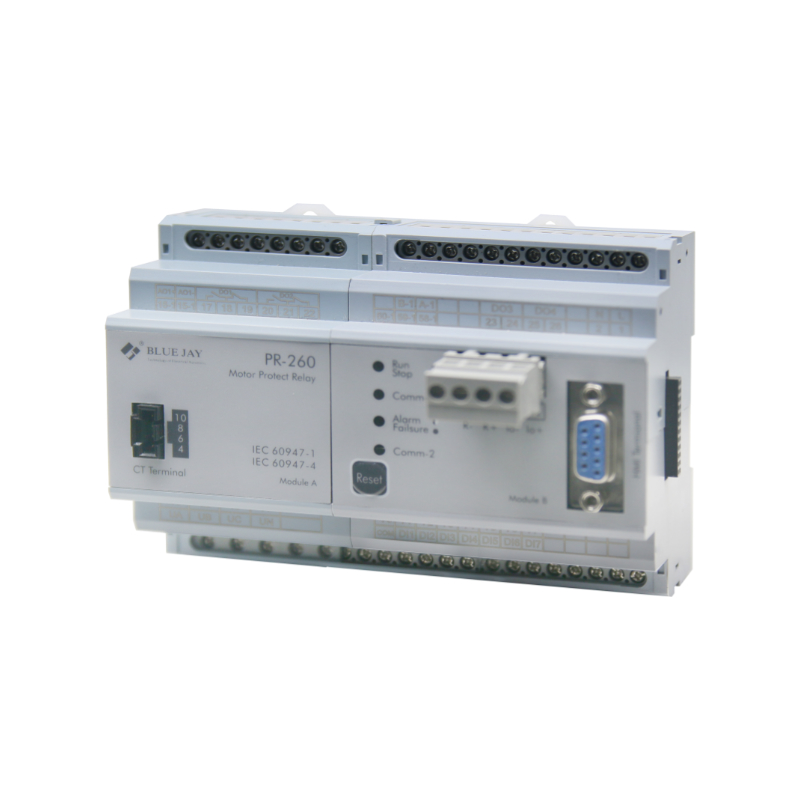
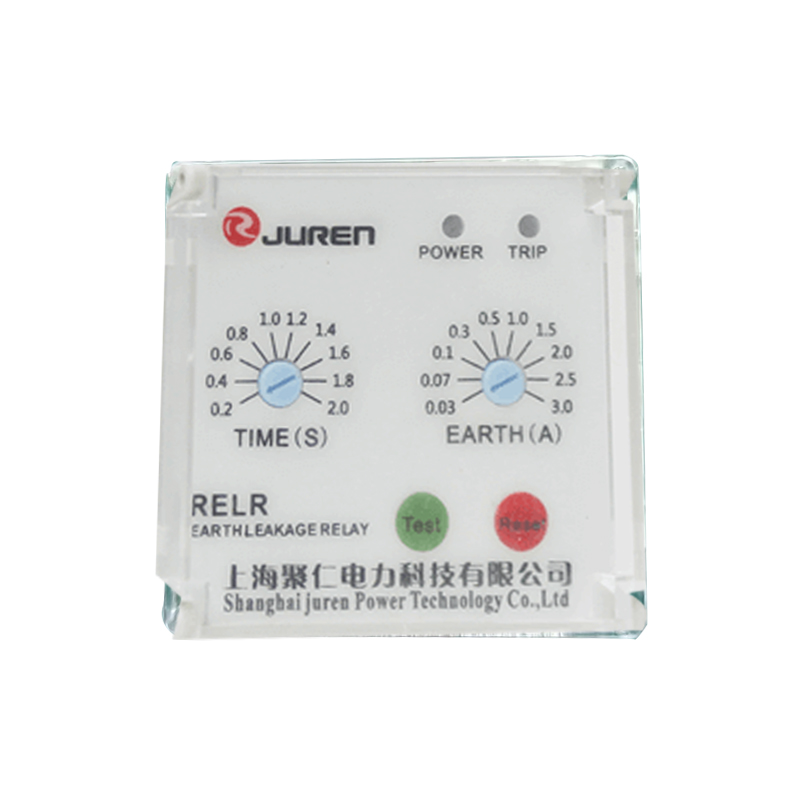
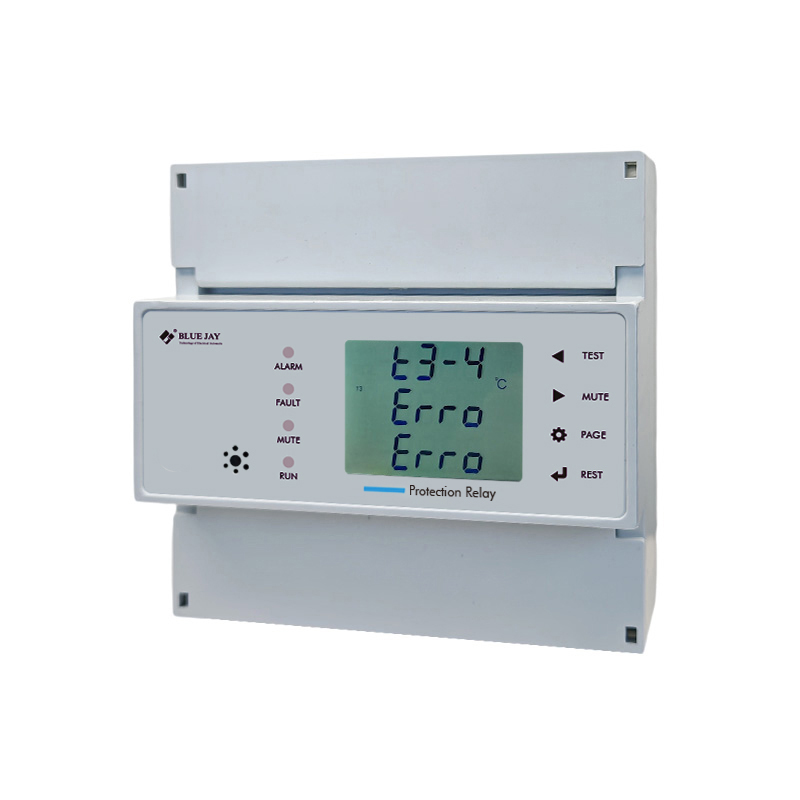
Different relay architectures require different manufacturing capabilities. While many Asian facilities excel at assembling digital relays, sourcing high-quality electromechanical variants requires finding factories with specialized precision-machining capabilities.
| Technology | Primary Application | Manufacturing Focus | Typical Cost Driver |
|---|---|---|---|
| Numerical (Microprocessor) | Modern switchgear, smart grids | PCB assembly, firmware integration | DSP chips, communication modules |
| Solid-State | High-speed switching, harsh environments | Semiconductor sourcing, thermal management | High-power thyristors/transistors |
| Electromechanical | Legacy system retrofits, simple isolation | Coil winding, precision mechanics | Copper volume, mechanical contacts |
Need help identifying manufacturers with the right technical capabilities for your protection systems?
Discuss your sourcing requirementsFactory Capabilities and Quality Control
The reliability of a protection relay is determined on the factory floor. Assessing a manufacturer requires looking beyond their sales catalog and examining their testing infrastructure. Facilities producing critical electrical protection equipment must have automated secondary injection testing setups and environmental chambers.
When conducting Factory Audits, pay close attention to the calibration laboratory. A capable manufacturer will test every relay against standard trip curves using calibrated equipment from recognized brands (like OMICRON or Megger). Furthermore, their PCB assembly lines should utilize automated optical inspection (AOI) and conformal coating processes to protect sensitive electronics from industrial environments.
Compliance and Certification Standards
Protection relays cannot be imported or installed without rigorous adherence to international standards. Failing to verify a supplier's certification claims can result in customs seizures or catastrophic liability in the event of an electrical fault.
Verify IEC 60255 Compliance
IEC 60255 is the foundational standard for measuring relays and protection equipment. Ensure your supplier can provide authentic, verifiable test reports from accredited third-party laboratories demonstrating compliance with the specific parts of this standard relevant to your product.
If you are importing into North America, UL 508 (Industrial Control Equipment) or specific ANSI/IEEE C37 standards will apply. European markets require CE marking, specifically adhering to the Low Voltage Directive (LVD) and Electromagnetic Compatibility (EMC) Directive. Engaging professional Compliance & Testing services early in the sourcing process is highly recommended to validate these credentials before mass production begins.
Pricing, Lead Times, and MOQs
The cost of protection systems scales heavily with the complexity of the protection algorithms and the required communication interfaces. Custom OEM projects involving proprietary firmware or specialized housing will naturally incur higher upfront NRE (Non-Recurring Engineering) costs.
Connect with our team to analyze current market pricing and lead times for your specific relay requirements.
Get a pricing assessmentFrequently Asked Questions
Sourcing protection relays demands zero compromise on quality and strict adherence to international electrical standards. Success in this category requires moving past generic trading companies and building direct relationships with specialized manufacturers who possess the engineering depth and testing infrastructure required for critical electrical infrastructure.
Get Sourcing Help for Protection Relays and Systems
Tell us your requirements and our experts will connect you with verified manufacturers.