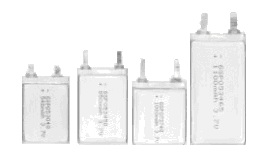
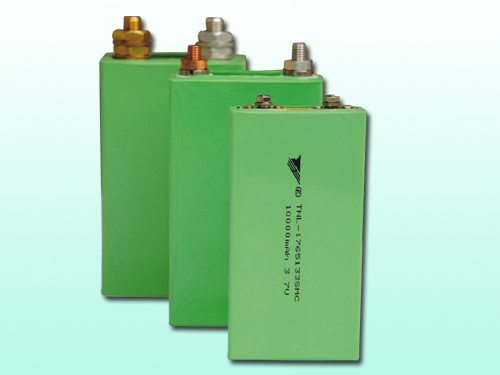
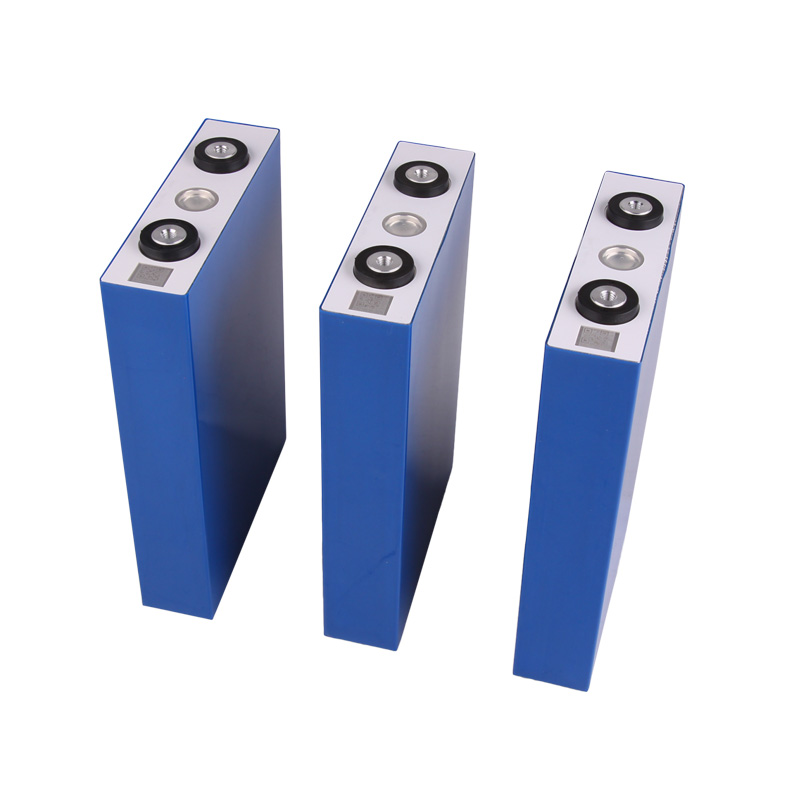
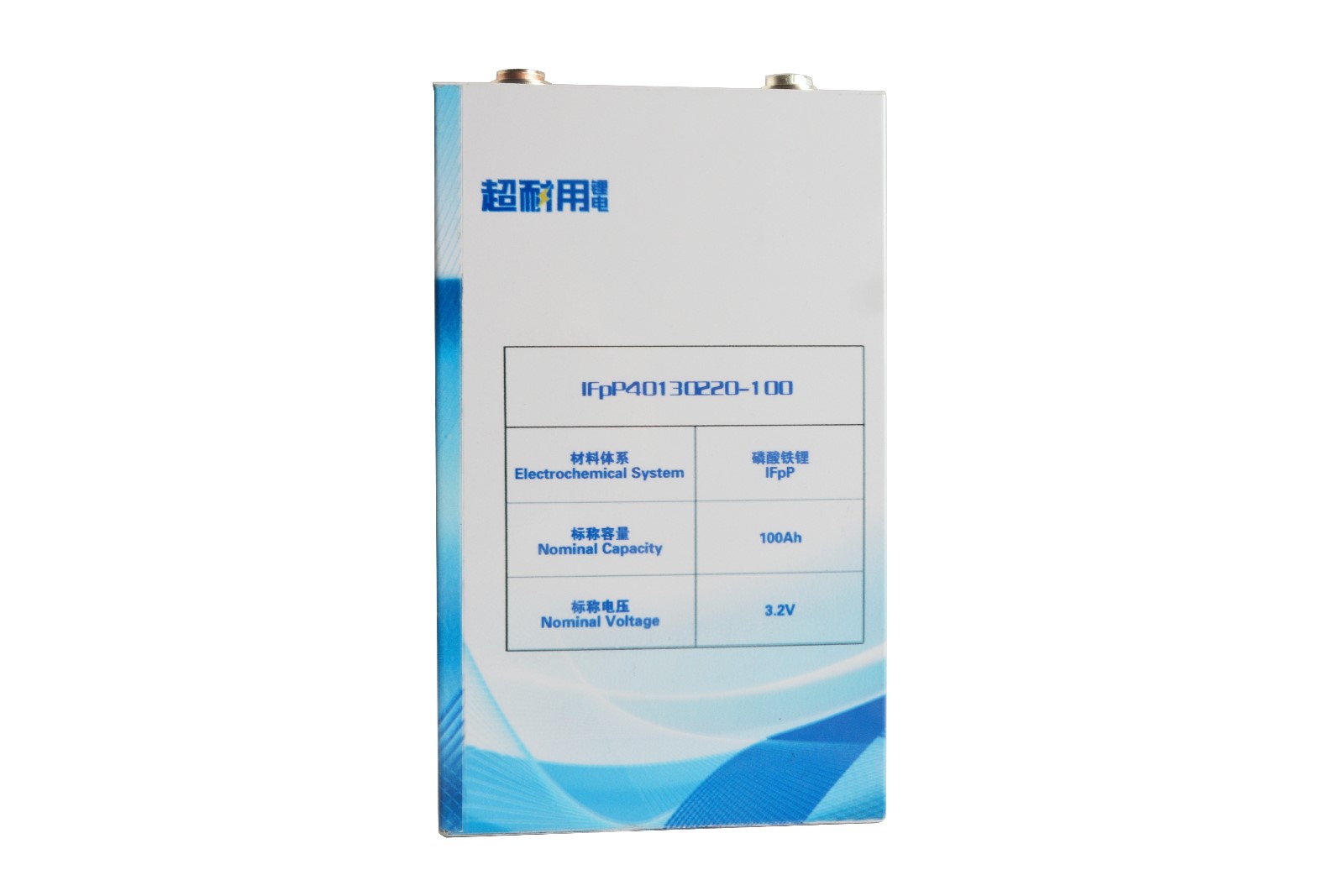
Prismatic Lithium-Ion Batteries
Source bulk prismatic lithium-ion batteries directly from vetted manufacturers and suppliers. Designed for importers, wholesale distributors, and energy brands, our network delivers high-capacity cells for ESS and EV applications with full support for OEM production and scalable procurement.
Prismatic lithium-ion batteries are the backbone of modern energy storage systems (ESS) and electric mobility, favored for their superior packing efficiency, structural durability, and thermal management capabilities. However, sourcing these cells at volume requires navigating a complex landscape of cell grading, chemistry variations, and highly variable factory standards. Securing a reliable supply chain means looking past top-line specifications to understand the manufacturer's internal quality controls and production methods.
Core Specifications for Bulk Procurement
When negotiating with manufacturers, precision in your specification sheet prevents costly misunderstandings. Prismatic cells are primarily defined by their chemistry—typically Lithium Iron Phosphate (LiFePO4/LFP) for longevity and safety, or Nickel Manganese Cobalt (NMC) for energy density—but secondary metrics dictate the true performance of the cell.
| Specification | LFP (LiFePO4) Prismatic | NMC Prismatic |
|---|---|---|
| Nominal Voltage | 3.2V | 3.6V / 3.7V |
| Typical Cycle Life | 4,000 to 8,000+ cycles | 1,000 to 2,000 cycles |
| Energy Density | 140 to 170 Wh/kg | 200 to 250+ Wh/kg |
| Thermal Stability | Excellent (Runaway over 270°C) | Moderate (Runaway over 150°C) |
Beyond chemistry, you must specify exact requirements for internal resistance (IR), usually measured in milliohms (mΩ). Lower IR indicates better manufacturing tolerances and higher efficiency. Ensure your supplier defines their testing parameters, including temperature and state of charge (SOC), as these drastically skew IR readings.
Struggling to verify supplier claims? Let our experts handle the technical vetting and secure reliable Grade A cell production for your next project.
Talk to our teamManufacturing Processes and Quality Control
The internal structure of a prismatic cell is either wound or stacked. Stacking generally offers better space utilization and thermal dissipation but requires highly precise, slower manufacturing processes. Winding is faster and cheaper but can lead to uneven stress distribution at the corners of the cell.
The biggest risk in sourcing prismatic batteries is cell grading. Factories categorize cells into Grade A, Grade B, and sometimes Grade C based on capacity, IR, and cosmetic defects. Unscrupulous suppliers often pass off Grade B cells as Grade A to foreign buyers. This makes rigorous factory audits essential to verify that a supplier actually possesses the automated testing equipment required to grade cells accurately.
Pre-Shipment Verification Checklist
- Capacity and Voltage Matching: Ensure all cells in a batch are matched within tight tolerances (e.g., within 0.05V and 1% capacity).
- Internal Resistance (IR) Testing: Verify IR consistency across the entire order.
- Visual Inspection: Check for terminal damage, electrolyte leakage, or swelling.
- QR Code Verification: Scan factory QR codes to trace manufacturing dates and original grading.
Implementing independent quality control before the batteries leave the factory is the only way to ensure you are receiving the grade you paid for.
Pricing, MOQs, and Lead Times
Battery pricing is highly volatile, tied directly to raw material costs (lithium carbonate, nickel, cobalt).
When calculating landed costs, remember that lithium-ion batteries are Class 9 dangerous goods. This significantly impacts logistics. You will need a partner experienced in shipping and freight for hazardous materials, ensuring all UN38.3 testing reports and MSDS documents are valid and up to date. Furthermore, depending on your target market, you may need additional compliance and testing such as UL1973 or CE certification.
Need to coordinate complex battery logistics and secure competitive pricing? Speak with our sourcing specialists today.
Get a free consultationFrequently Asked Questions
Sourcing prismatic lithium-ion batteries is a high-stakes procurement exercise where factory-floor realities often diverge from Alibaba spec sheets. Success requires deep technical vetting, strict QA protocols, and flawless hazmat logistics. If you need a partner to manage this complexity and protect your investment, Merhein can manage the entire process from factory floor to final delivery.
Get Sourcing Help for Prismatic Lithium-Ion Batteries
Tell us your requirements and our experts will connect you with verified manufacturers.