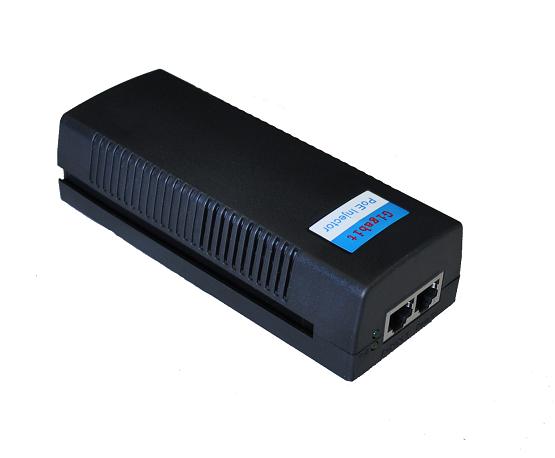
Power over Ethernet (PoE)
Source commercial-grade Power over Ethernet (PoE) from vetted suppliers and manufacturers. Designed for importers, distributors, and networking brands seeking bulk procurement or custom OEM production. Secure reliable, fully compliant PoE switches, injectors, and splitters direct from top-tier Asian factory partners.
Sourcing Power over Ethernet (PoE) equipment in volume requires navigating a complex manufacturing landscape where the difference between a reliable power sourcing equipment (PSE) device and a network failure lies deep in the PCB design and component selection. Whether you are procuring single-port injectors, ruggedized splitters, or high-density PoE switches, ensuring strict adherence to IEEE standards and robust thermal management is critical for enterprise and industrial deployments.
Navigating PoE Standards and Specifications
When negotiating with manufacturers, vague specifications lead to inconsistent product performance. Factories often cut costs by utilizing lower-tier PSE controller chips or undersized transformers. You must specify exact IEEE 802.3 standards and power budgets to ensure compatibility with modern powered devices (PDs) like PTZ cameras, Wi-Fi 6 access points, and VoIP phones.
| Standard | Max Power (PSE) | Delivered Power (PD) | Typical Applications |
|---|---|---|---|
| IEEE 802.3af (PoE) | 15.4W | 12.95W | Basic IP cameras, VoIP phones |
| IEEE 802.3at (PoE+) | 30W | 25.5W | Dual-band APs, PTZ cameras |
| IEEE 802.3bt Type 3 (PoE++) | 60W | 51W | Video conferencing, multi-radio APs |
| IEEE 802.3bt Type 4 (PoE++) | 90W | 71.3W | Digital signage, high-power lighting |
Active vs. Passive PoE
Always clarify if a supplier is quoting "Active" (standard-compliant, negotiates power) or "Passive" (always-on, non-standard) PoE. Passive PoE is cheaper to manufacture but can permanently damage non-PoE devices plugged into the network. For enterprise applications, demand Active PoE with proper handshake protocols.
Need help verifying factory capabilities for high-power PoE++ production? Let our engineers review your supplier's technical specifications.
Talk to our teamManufacturing Tolerances and Quality Control
The reliability of a PoE device is won or lost on the factory floor. High power budgets generate significant heat, meaning thermal management and component quality cannot be compromised. When setting up Quality Control & Inspection protocols, focus heavily on the power supply unit (PSU) and the network interface.
Key Factory-Floor Vulnerabilities
- PSE Controller Chips: The global semiconductor market is flooded with gray-market or recycled PSE controllers. Specify authorized distributors for critical ICs (like those from Texas Instruments or Microchip) and verify BOMs (Bill of Materials) during production.
- Transformer Quality: Network transformers isolate the device and inject power. Poorly wound transformers result in crosstalk, data packet loss, and IEEE compliance failures.
- Thermal Management: For multi-port PoE+ and PoE++ switches, standard aluminum heat sinks are often insufficient. Ensure the factory uses thermal pads with adequate conductivity ratings and, where necessary, active cooling with reliable fan bearings.
Essential PoE Pre-Shipment Inspection Checks
- Hi-Pot (High Potential) testing for electrical isolation and safety.
- Full-load burn-in testing at maximum power budget for at least 24 hours.
- Fluke network testing for data transmission integrity under power load.
- Verification of handshake protocols with standard PD simulators.
- Thermal imaging during load tests to identify PCB hot spots.
If you are developing custom enclosures or proprietary firmware, utilizing structured OEM/ODM Services ensures that industrial design changes do not negatively impact the device's thermal dynamics or EMI shielding.
Compliance, MOQs, and Pricing Realities
PoE devices bridge two heavily regulated domains: networking (telecommunications) and power supplies. Entering markets like North America or the EU requires strict adherence to safety and emissions standards. Do not take a supplier's word for it; leverage independent Compliance & Testing to verify UL/cUL, CE (LVD/EMC), and FCC certifications.
Pricing is heavily dictated by the total power budget and port density. A 24-port switch with a 250W total power budget will cost significantly less than a 24-port switch with a 400W budget, even if both support IEEE 802.3at. Always calculate the "per-port power budget" when comparing supplier quotations to ensure you are comparing equivalent capabilities.
Struggling to balance total power budgets with target unit costs? We can help you negotiate effectively with top-tier network equipment manufacturers.
Get a free consultationFrequently Asked Questions
Procuring high-quality Power over Ethernet hardware in bulk is a high-stakes process where technical oversights translate directly to network downtime and safety risks. Thoroughly vetting your manufacturing partner's engineering capabilities and supply chain is non-negotiable. Conducting comprehensive Factory Audits before placing your first order is the most effective way to separate genuine manufacturers from simple assemblers reliant on gray-market components.
Get Sourcing Help for Power over Ethernet (PoE)
Tell us your requirements and our experts will connect you with verified manufacturers.