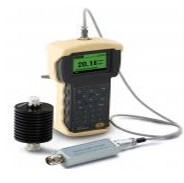
Power Measuring Instruments
Source professional-grade Power Measuring Instruments from vetted manufacturers and suppliers in Asia. Designed for importers, electrical distributors, and brands seeking reliable OEM/ODM production, our network delivers precision instruments built for rigorous industrial and commercial applications.
Procuring power measuring instruments in bulk—whether you are sourcing digital multimeters, panel meters, wattmeters, or advanced power quality analyzers—requires strict attention to component selection and calibration stability. For industrial and commercial applications, a device's accuracy class and safety rating are non-negotiable. The primary sourcing challenge is identifying manufacturers whose production lines can consistently maintain tight tolerances and pass stringent international safety certifications, rather than just producing functional prototypes.
Critical Specifications and Component Architecture
The reliability of a power measuring instrument relies entirely on its internal architecture. When evaluating potential suppliers, you must look past the external casing and examine the core components that dictate measurement precision and lifespan.
- Analog-to-Digital Converters (ADCs): High-resolution ADCs (16-bit to 24-bit) are essential for True RMS measurements and capturing transient voltage spikes.
- Shunt Resistors and Current Transformers (CTs): The quality of the internal shunt or external CT dictates the thermal drift. Low temperature coefficient materials (under 50 ppm per degree Celsius) are required for devices operating in fluctuating industrial environments.
- Microcontrollers (MCUs): For smart meters and power quality analyzers, robust MCUs are necessary to handle high sampling rates and complex harmonic calculations without lagging.
| Specification | Standard Panel Meters | Advanced Power Analyzers |
|---|---|---|
| Accuracy Class | Class 1.0 or 0.5 | Class 0.2s or better |
| Measurement Type | RMS or Average | True RMS with Harmonics |
| Safety Rating | CAT II / CAT III | CAT III / CAT IV |
| Data Interface | Modbus RTU (RS485) | Ethernet, Wi-Fi, IEC 61850 |
Struggling to verify a supplier's technical capabilities? Let us help you evaluate factory engineering standards before you place an order.
Talk to our teamManufacturing and Calibration Standards
The assembly of power measuring devices utilizes standard Surface Mount Technology (SMT), but the true test of a manufacturer is their calibration and testing infrastructure. A factory producing reliable instruments must have dedicated, climate-controlled calibration rooms equipped with high-precision reference standards (such as Fluke calibrators).
Relying on a supplier's self-reported accuracy is risky. Conducting rigorous Factory Audits is critical to verify that their testing equipment is routinely calibrated by accredited third-party labs (ISO/IEC 17025). Furthermore, burn-in testing is vital; reputable factories will subject finished boards to elevated temperatures for 24 to 48 hours to weed out early component failures.
Key Quality Control Checks
When setting up your Quality Control & Inspection protocols, ensure inspectors focus on the following:
Pre-Shipment Inspection Focus Areas
- Verification of accuracy class against reference standards across multiple load points.
- Dielectric withstand voltage (hi-pot) testing to confirm insulation integrity.
- Inspection of PCB conformal coating for moisture and dust resistance.
- Functional testing of communication ports (RS485, Ethernet) under load.
- Visual inspection of casing seals and IP rating compliance.
Compliance and Safety Certifications
Power instruments connect directly to live electrical circuits, making regulatory compliance your highest liability risk. Depending on your target market, devices must comply with specific safety and electromagnetic compatibility (EMC) standards.
Ensure the manufacturer can provide valid, verifiable test reports for IEC 61010-1 (Safety requirements for electrical equipment for measurement, control, and laboratory use). Devices must be correctly rated for their Measurement Category (CAT I through CAT IV). Mislabeling a CAT II device as CAT IV is a common and dangerous issue with unvetted suppliers. Working with a partner to manage Compliance & Testing ensures your imported goods won't be held up at customs or face costly recalls.
Sourcing Mechanics: MOQs, Lead Times, and Customization
Pricing and minimum order quantities (MOQs) vary significantly based on the complexity of the instrument and the level of customization required.
If you are developing a proprietary device, leveraging OEM/ODM Services allows you to customize the housing tooling, PCB layout, and firmware. Keep in mind that custom tooling will require upfront NRE (Non-Recurring Engineering) costs and will extend the initial lead time by 30 to 45 days.
Planning a custom power measurement device? We can help you navigate OEM development and secure favorable terms with capable manufacturers.
Get a free consultationFrequently Asked Questions
Sourcing power measuring instruments is an exercise in risk management and technical verification. Success requires moving beyond unit price and rigorously auditing a supplier's component supply chain, calibration infrastructure, and compliance track record. Partnering with experienced sourcing professionals on the ground ensures your specifications translate into safe, accurate, and reliable instruments.
Get Sourcing Help for Power Measuring Instruments
Tell us your requirements and our experts will connect you with verified manufacturers.