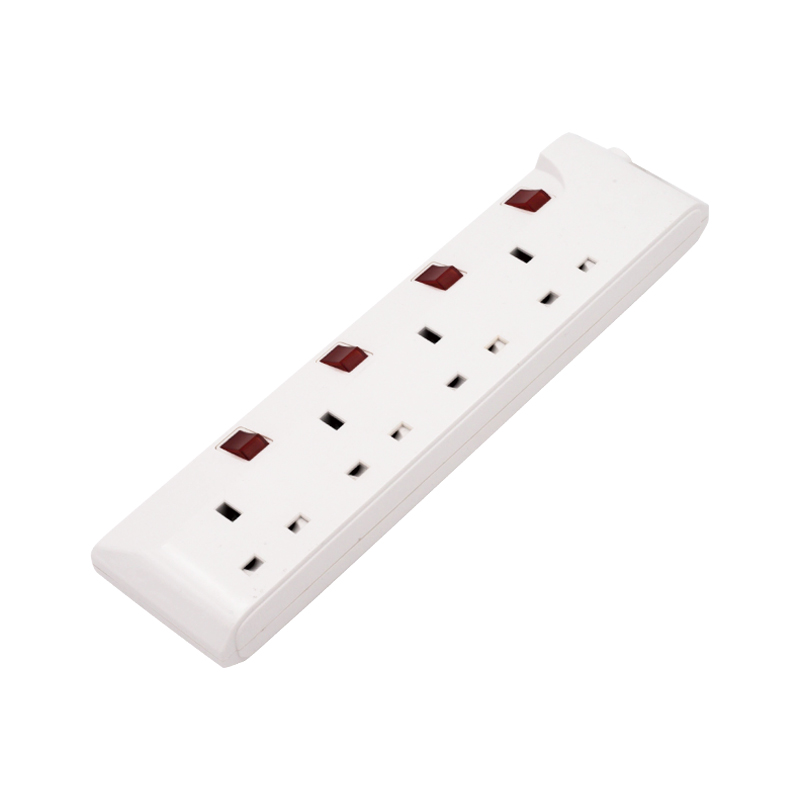
Power Cables
Source bulk Power Cables from vetted manufacturers and wholesale suppliers across Asia. Designed for importers, regional distributors, and electronics brands requiring reliable OEM production, this catalog features high-quality power cords built to strict international safety and compliance standards.
Sourcing power cables in bulk is fundamentally an exercise in risk management. While the product appears simple, the liability attached to a faulty power cable is immense. A substandard cable doesn't just result in a non-functioning device; it carries severe risks of overheating, fire, and catastrophic product recalls. For bulk buyers, success depends on strictly controlling conductor materials, navigating regional safety certifications, and managing pricing tied to volatile commodities.
Conductor Materials and the CCA Risk
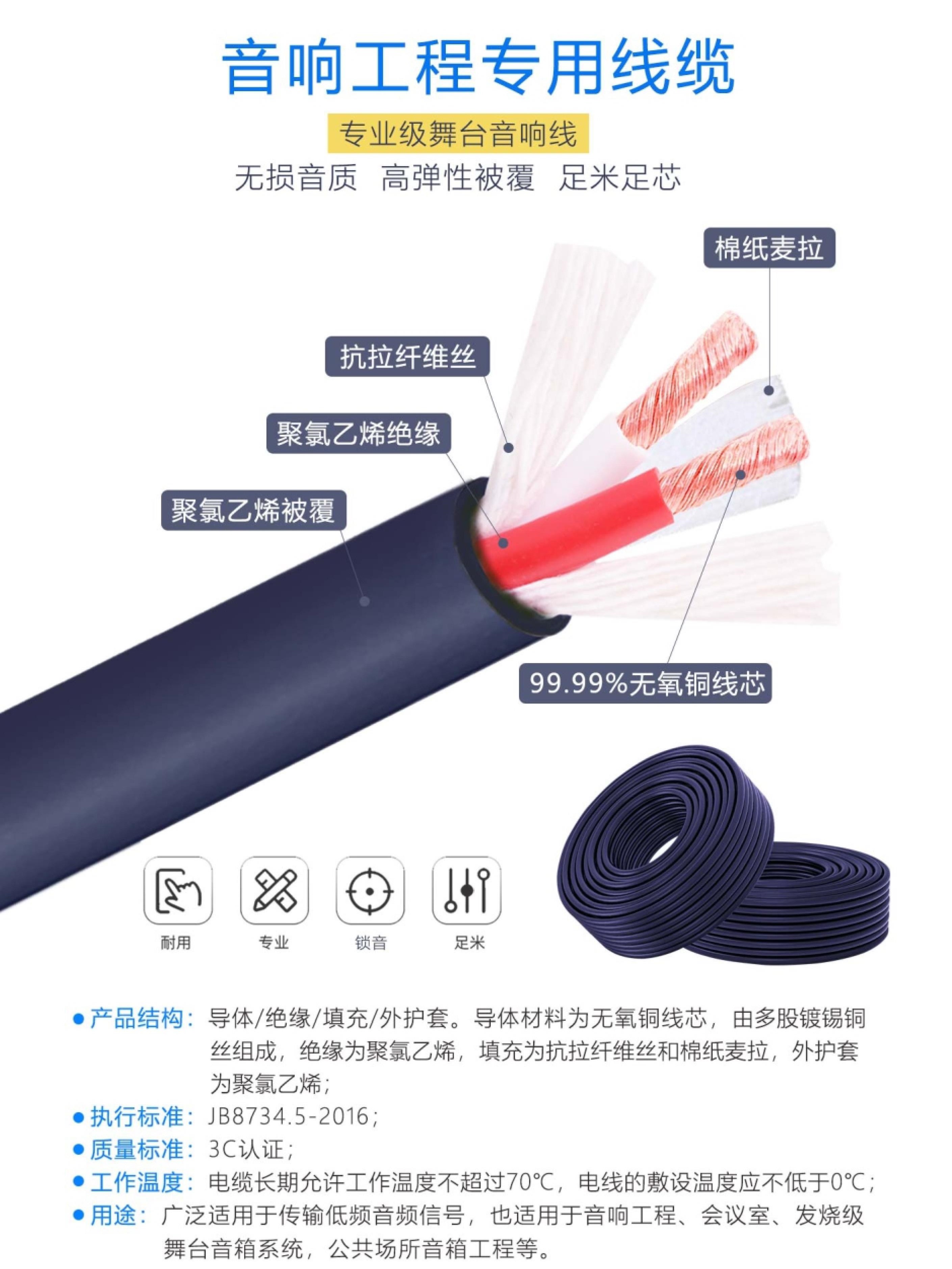
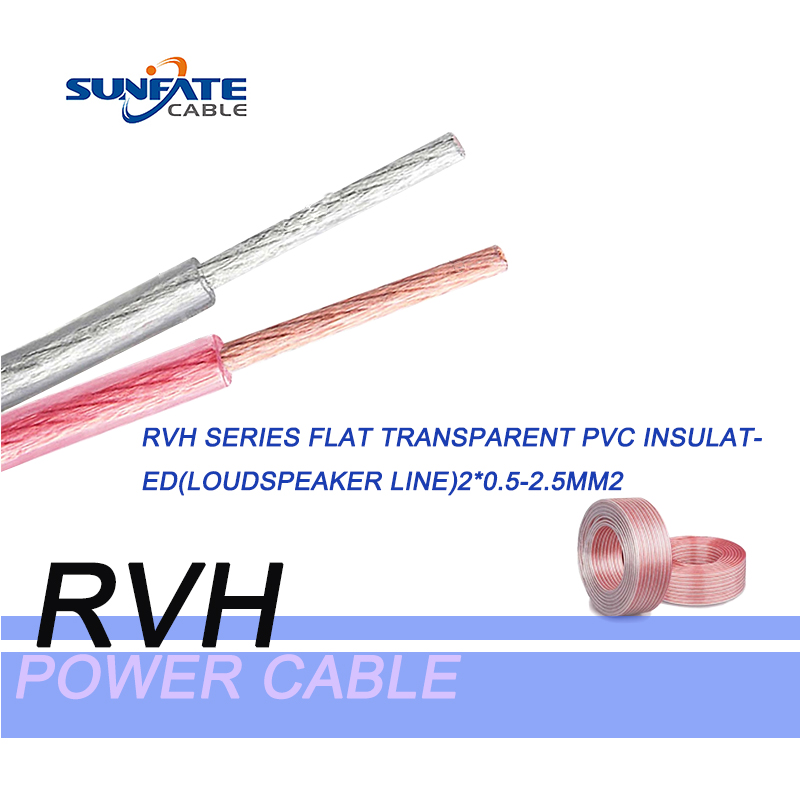
The most critical factor in power cable manufacturing is the conductor material. The global standard for safe, compliant power transmission is pure annealed copper (often specified as Oxygen-Free Copper or Bare Copper).
However, to aggressively cut costs, low-tier suppliers often substitute pure copper with Copper-Clad Aluminum (CCA). CCA has significantly higher electrical resistance than pure copper, meaning it generates dangerous levels of heat when carrying standard mains voltage. Using CCA in power cables is a severe safety hazard and will fail standard compliance testing.
| Specification | Pure Copper (Standard) | Copper-Clad Aluminum (CCA) |
|---|---|---|
| Conductivity | Optimal for mains voltage | Poor (approx. 60% of copper) |
| Heat Generation | Minimal under rated load | High risk of overheating |
| Flexibility | High (resists breaking) | Brittle (prone to internal fractures) |
| Compliance | Passes UL/VDE/CCC | Fails standard regulatory testing |
When negotiating with a new factory, you must explicitly specify pure copper and the exact cross-sectional area (e.g., 3x0.75mm² or 18 AWG) required for your target market.
Need to verify a supplier's copper purity and prevent material substitution? Our sourcing experts can help you lock down your specifications.
Get a free consultationNavigating Regional Compliance and Certifications
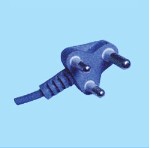
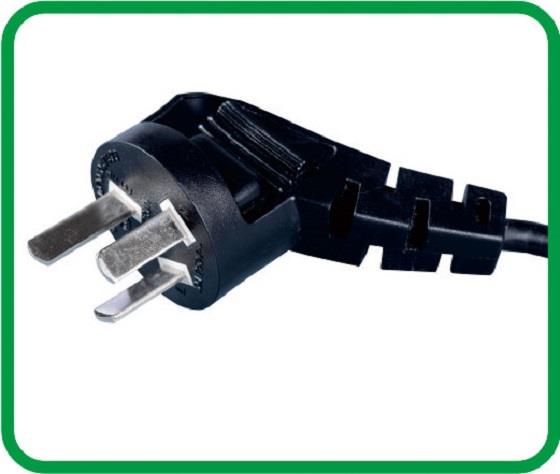
Power cables are heavily regulated. A cable that is legal to sell in North America cannot be legally imported into the European Union or Japan without the correct regional certifications. Furthermore, the certification must apply to the entire assembly—the plug, the wire, and the connector—not just the raw wire itself.
Key regional standards include:
- North America: UL (Underwriters Laboratories) / cUL / CSA
- Europe: VDE, CE, RoHS, and specific national marks (e.g., BSI for the UK)
- China: CCC (China Compulsory Certificate)
- Japan: PSE
- Australia/New Zealand: SAA
Relying on a supplier's PDF certificate is not enough. Fake or expired certificates are common. You must verify the supplier's certification number directly with the issuing body. Conducting thorough Factory Audits is essential to ensure the manufacturer actually holds the tooling and authorization to produce the certified plugs they are quoting. If you are developing custom molds, you will also need robust Compliance & Testing to ensure your new design meets these strict regional requirements.
Pricing Structures, MOQs, and Lead Times
Power cable pricing is highly dynamic because it is directly pegged to the London Metal Exchange (LME) copper index. When you receive a quote for bulk power cables, the factory will typically state that the price is only valid for a short window (often 7 to 15 days).
If you are a brand looking for OEM/ODM Services to create custom-colored jackets, branded overmolds, or unique cable lengths, expect the MOQ to increase to justify the custom setup and material extrusion runs.
Looking to secure factory capacity and navigate volatile copper pricing for your next bulk order?
Talk to our teamQuality Control on the Factory Floor
Catching defects before the cables are packed is critical. Once a container of non-compliant cables ships, the capital is largely unrecoverable. Professional Quality Control & Inspection for power cables goes beyond visual checks.
Essential Pre-Shipment Tests for Power Cables
- Hi-Pot (High Potential) Testing: Applying high voltage to ensure insulation integrity.
- Continuity Testing: Verifying there are no internal breaks in the conductors.
- Pull-Force Testing: Ensuring the molded plug does not separate from the cable under stress.
- Polarity Checks: Confirming Live, Neutral, and Earth wires are correctly pinned.
- Visual Inspection: Checking for flash on the molded plugs and consistent jacket extrusion.
Successfully importing power cables requires strict attention to material purity, relentless verification of compliance documents, and tight control over the manufacturing process. By treating the purchase as a technical procurement rather than a simple commodity buy, you protect your supply chain from costly delays and dangerous liabilities.
Get Sourcing Help for Power Cables
Tell us your requirements and our experts will connect you with verified manufacturers.