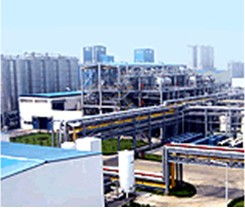
Polymers
Source bulk polymers directly from vetted global suppliers and chemical manufacturers. Designed for industrial importers, distributors, and brands requiring consistent grade quality for manufacturing. We connect you with reliable factory partners for competitive pricing and compliant raw materials.
Sourcing industrial polymers in bulk requires strict control over batch-to-batch consistency, material purity, and supply chain reliability. Whether you are securing raw resins for injection molding, extrusion, compounding, or film blowing, the difference between a profitable production run and costly downtime often comes down to precise technical alignment with your chemical manufacturer.
Critical Specifications for Bulk Polymer Procurement
When negotiating with polymer manufacturers, generic material names are insufficient. To avoid processing failures or mechanical weaknesses in the final product, buyers must provide comprehensive technical data sheets (TDS) and specify exact parameters for the required grade.
Key Technical Parameters to Specify
- Melt Flow Index (MFI) or Melt Flow Rate (MFR) for processing fluidity
- Density and specific gravity tailored to the end application
- Molecular Weight Distribution (MWD) impacting tensile strength and impact resistance
- Moisture content limits, especially for hygroscopic polymers
- Additive packages (UV stabilizers, antioxidants, slip agents, flame retardants)
Failure to align on these metrics often results in excessive scrap rates during manufacturing. A supplier's Certificate of Analysis (COA) should be required for every batch, detailing the exact test results against your baseline specifications.
Need help verifying supplier technical capabilities and securing consistent polymer grades?
Talk to our teamManaging Batch-to-Batch Consistency
The primary risk in bulk polymer sourcing is inconsistency between production runs. Variations in feedstock purity, reactor temperature, or catalyst efficiency at the chemical plant can subtly alter the polymer's thermal and mechanical properties.
To mitigate this, serious buyers implement rigorous Quality Control & Inspection protocols. This includes drawing samples from the actual production batch prior to shipping, rather than relying solely on pre-production marketing samples.
Watch for Contamination
Cross-contamination during pelletizing or packaging is a common defect. Ensure your supplier utilizes dedicated silos and lines, or employs strict purge procedures when switching between different polymer grades or colors.
Verifying Supplier Legitimacy and Compliance
The global chemical market is heavily regulated. Depending on your destination market and end-use application (such as food packaging, medical devices, or automotive components), the polymer must comply with specific frameworks. Navigating this requires thorough Factory Audits to ensure the manufacturer holds valid, up-to-date certifications rather than relying on trading company claims.
Key compliance frameworks often include REACH (for the EU), RoHS, and FDA or EFSA approvals for food-contact materials. Implementing independent Compliance & Testing through accredited third-party labs is standard practice to verify absence of restricted substances like heavy metals or specific phthalates.
Typical MOQs, Pricing Drivers, and Lead Times
Polymer pricing is notoriously volatile, heavily indexed to crude oil, natural gas, and naphtha prices. Buyers should understand that spot market prices fluctuate daily, and long-term contracts often include price adjustment formulas based on global chemical indices.
Logistics also play a massive role in landed costs. Polymers are typically shipped in 25kg bags stacked on pallets, or in 1,000kg Jumbo bags (FIBCs). Optimizing container space and managing freight forwarding efficiently is critical for maintaining margins on these high-volume, low-margin commodities.
Looking to optimize your bulk chemical supply chain and secure stable pricing?
Get a free consultationFrequently Asked Questions
Procuring polymers in commercial volumes demands rigorous attention to chemical specifications, market timing, and supply chain integrity. By establishing strict quality gates and partnering with fully audited manufacturers, you can secure the consistent raw materials necessary to keep your production lines running smoothly and profitably.
Get Sourcing Help for Polymers
Tell us your requirements and our experts will connect you with verified manufacturers.