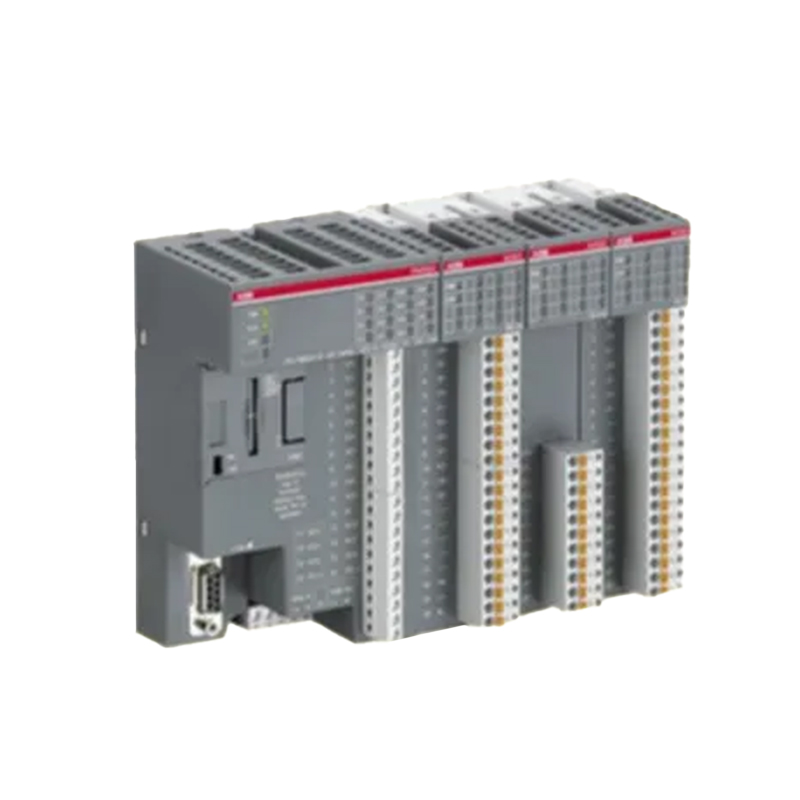
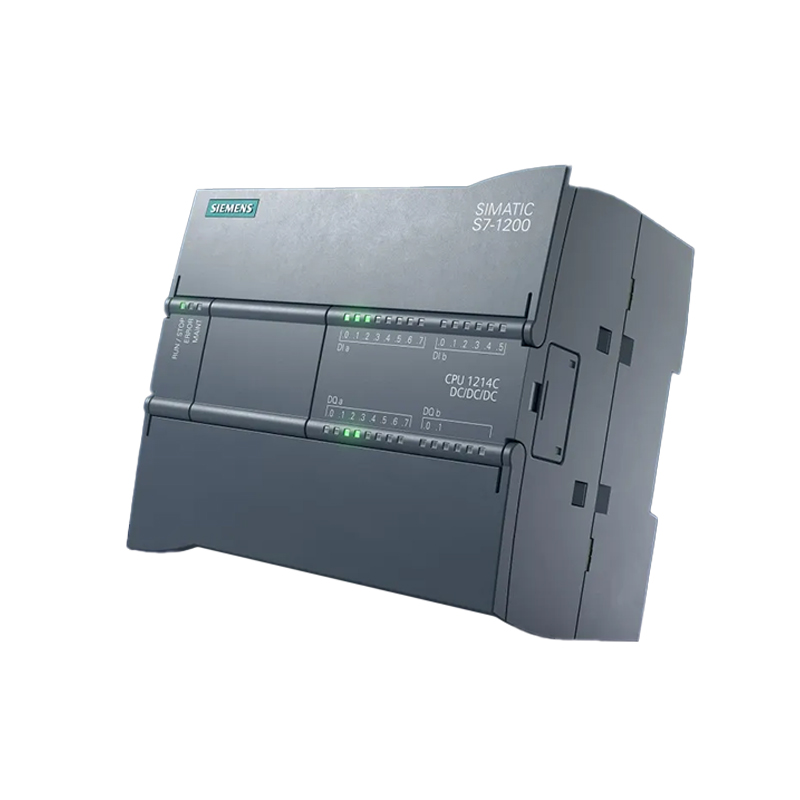
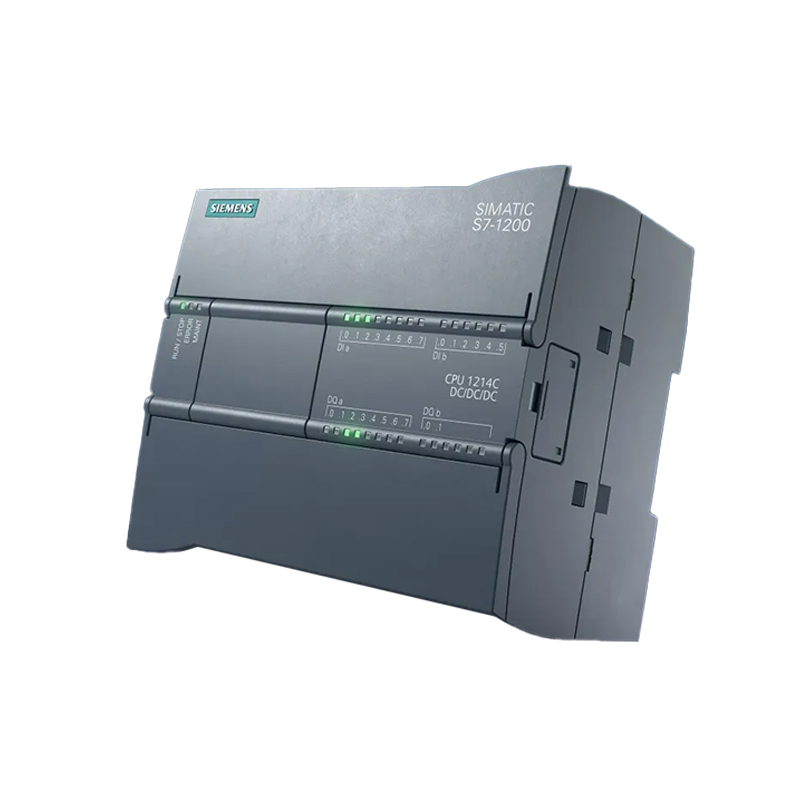
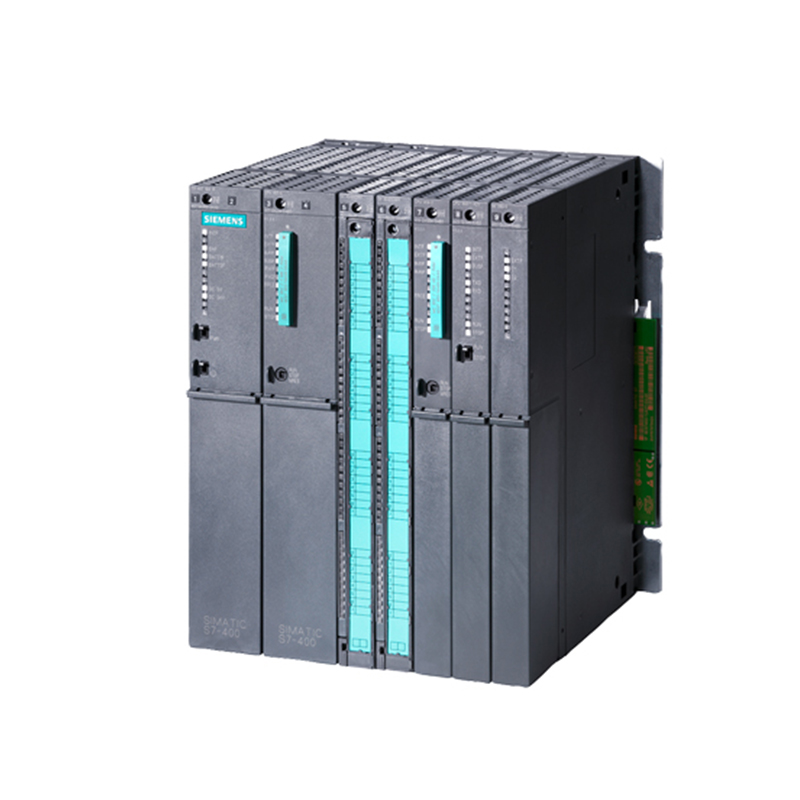
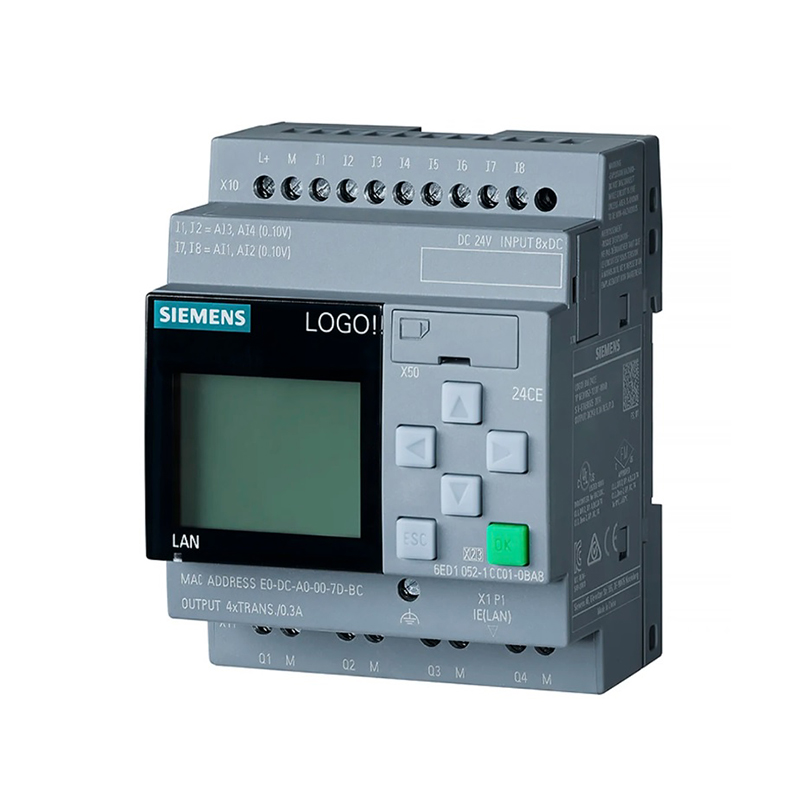
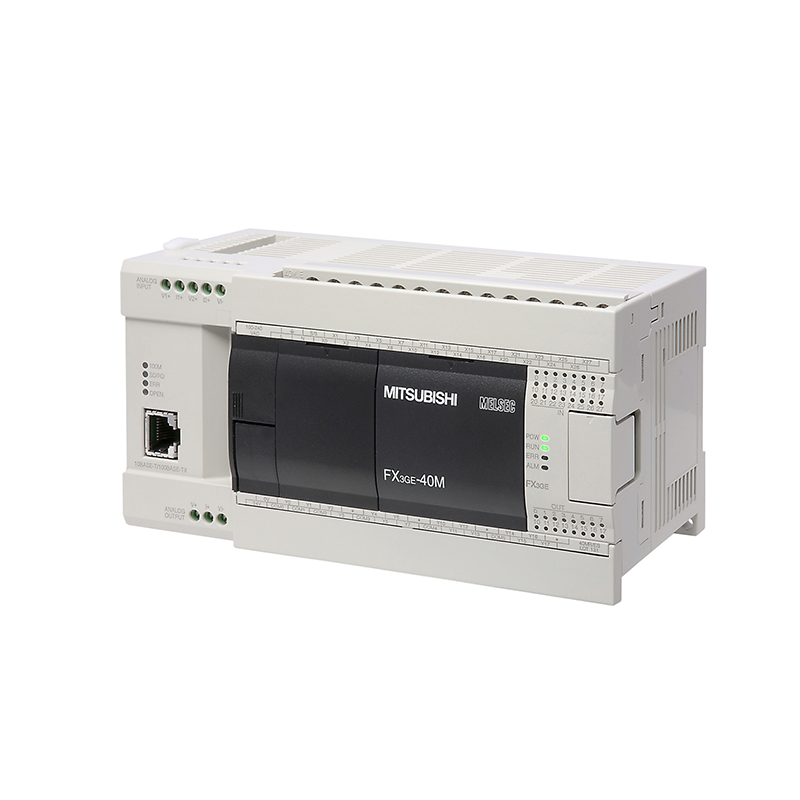
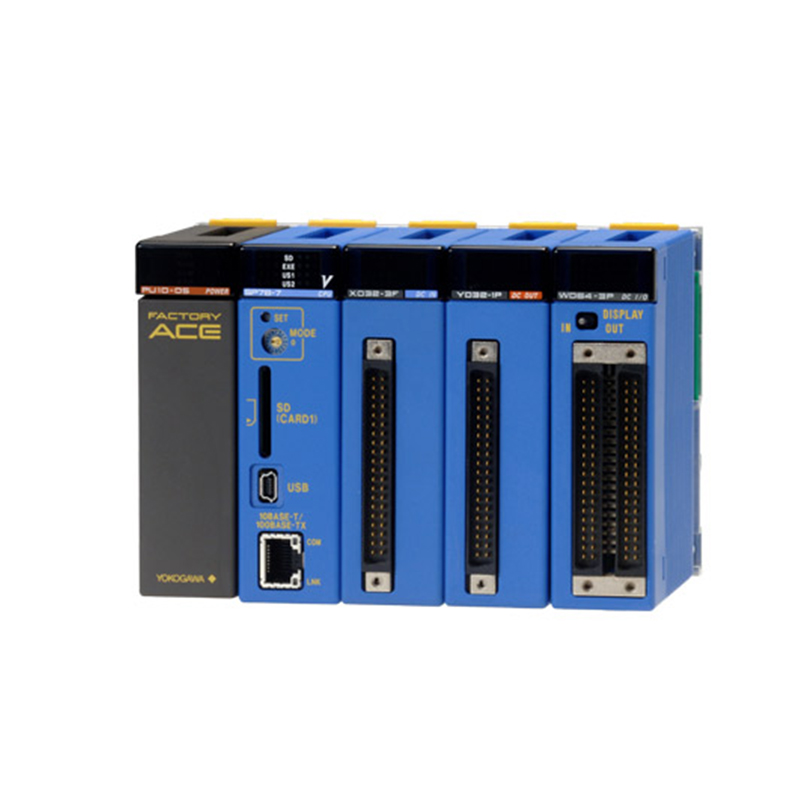
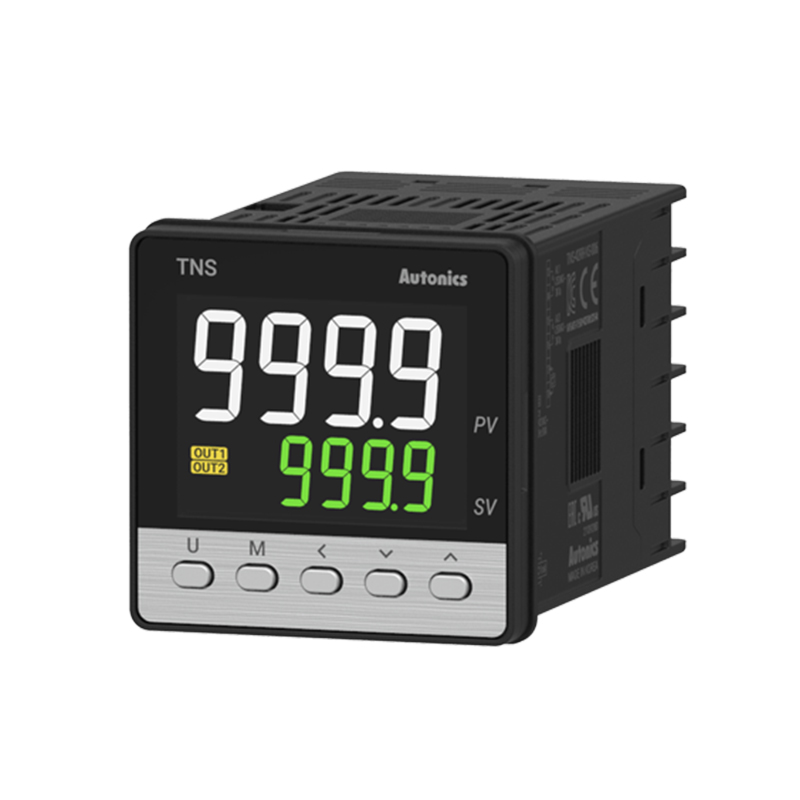
PLC, PAC & Dedicated Controllers
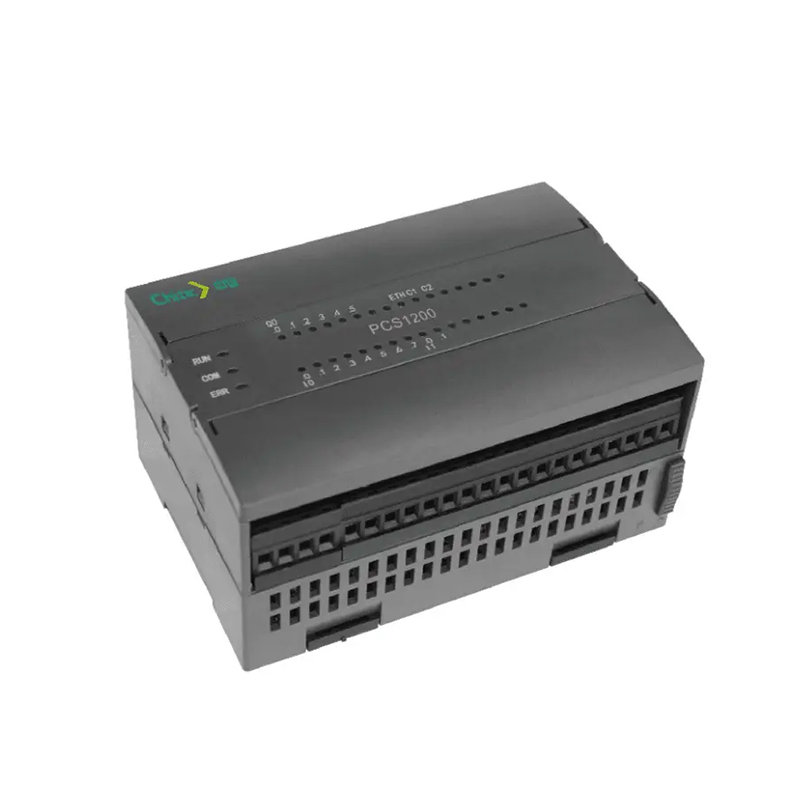
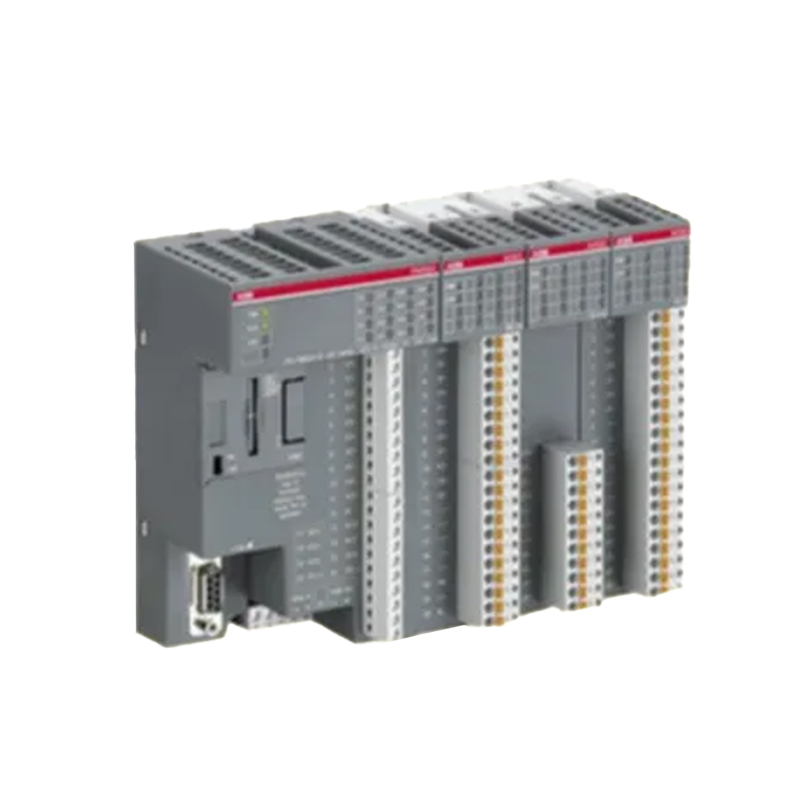
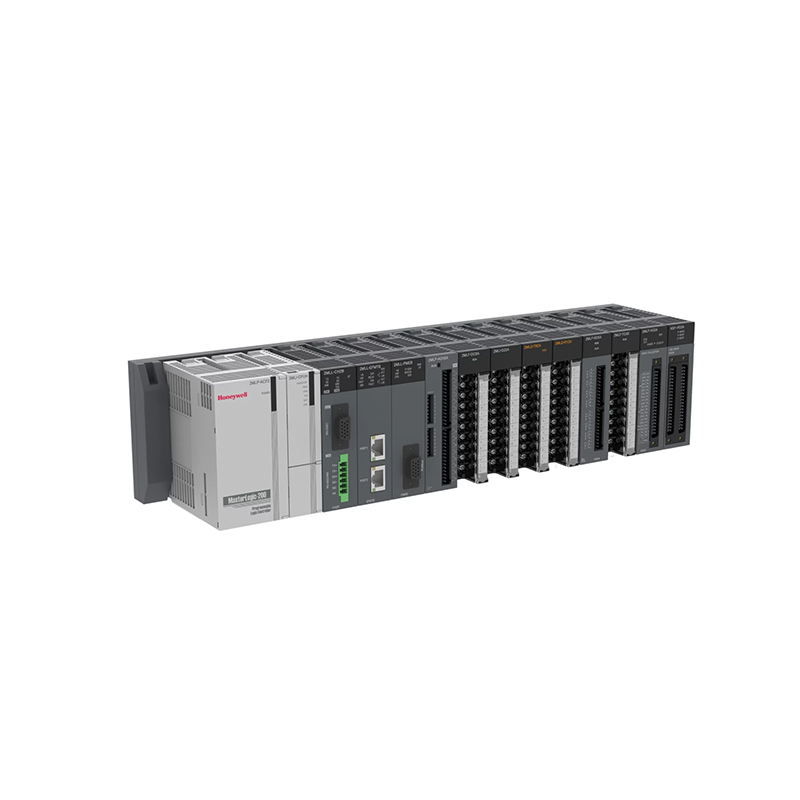
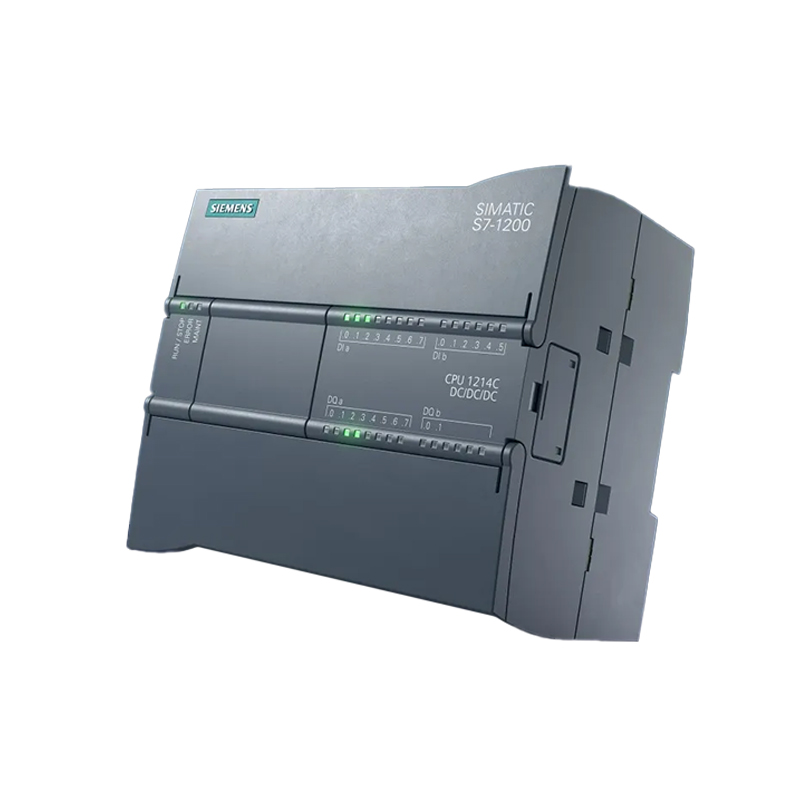
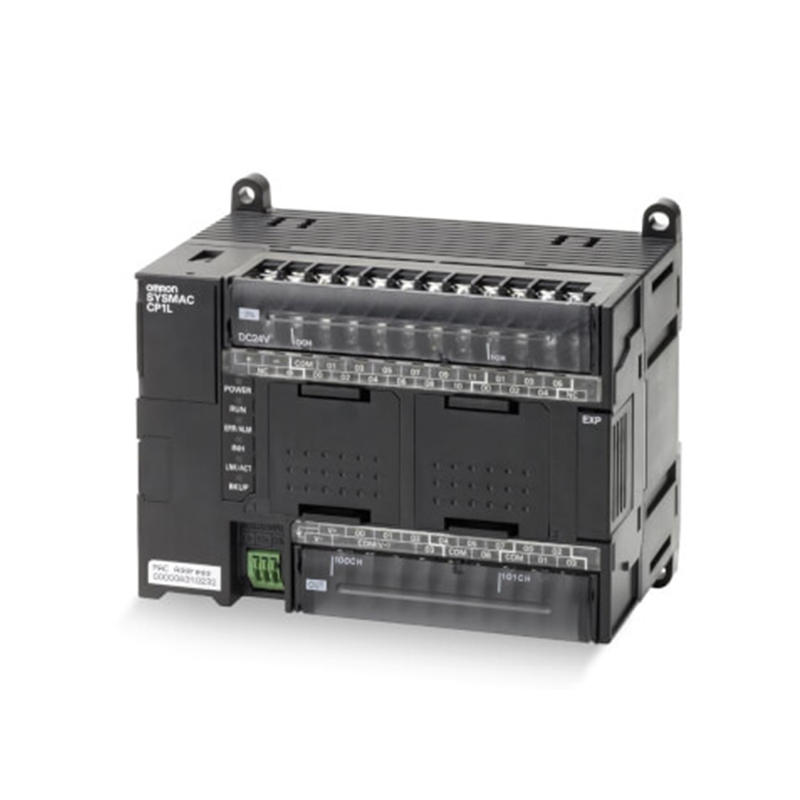
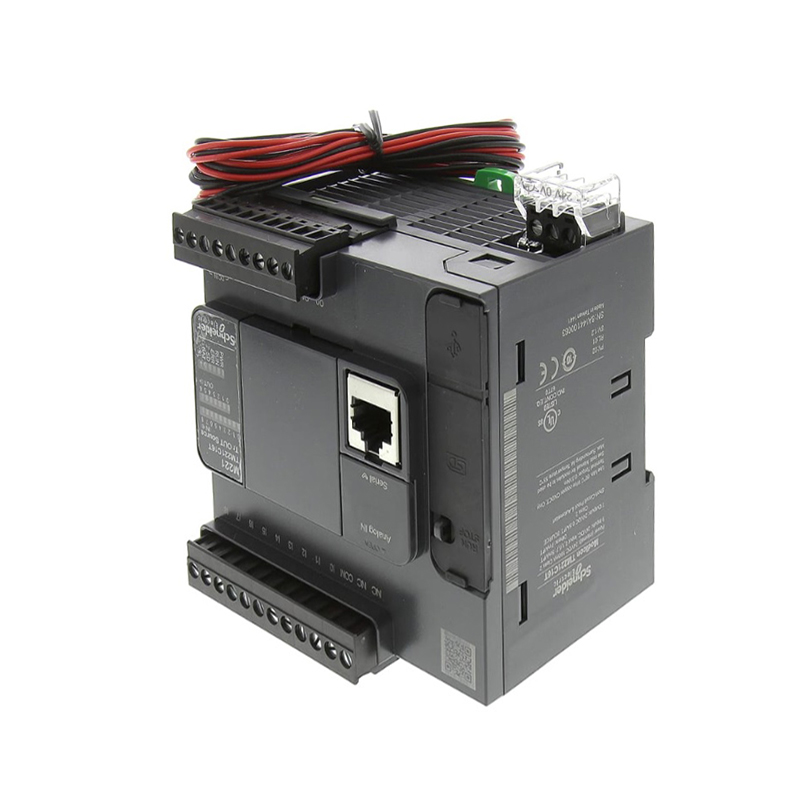
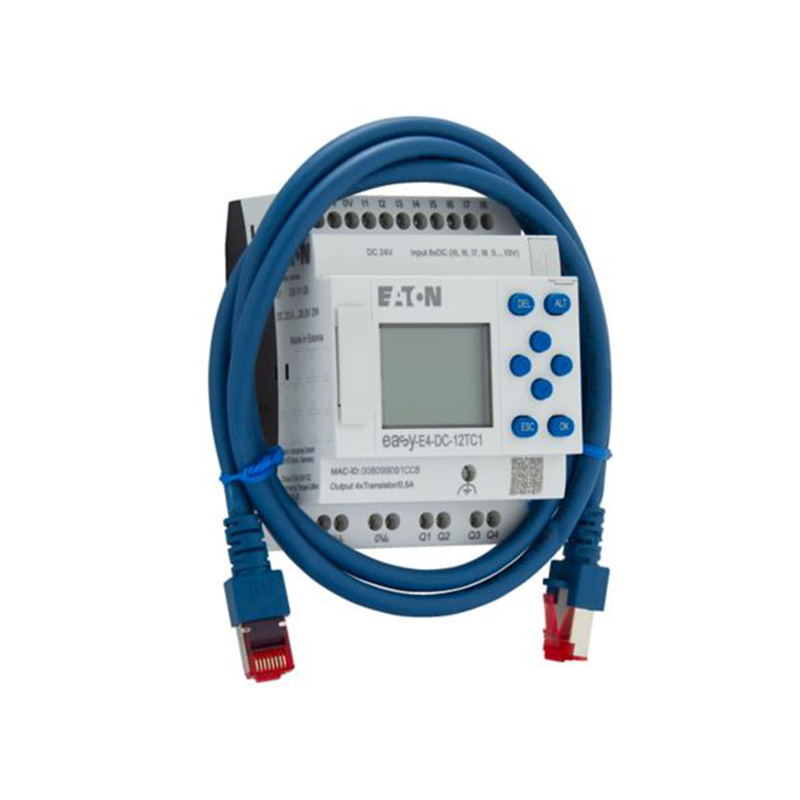
Source industrial-grade PLC, PAC & Dedicated Controllers from vetted suppliers and manufacturers across Asia. Designed for automation distributors, procurement managers, and systems integrators requiring high-volume wholesale or custom OEM/ODM production. Ensure robust control solutions with competitive factory-direct pricing.
Sourcing programmable logic controllers (PLCs), programmable automation controllers (PACs), and dedicated industrial controllers requires navigating a complex intersection of hardware reliability, firmware stability, and stringent industrial compliance. For high-volume buyers, the risk isn't just a defective unit—it is catastrophic downtime on an end-user's factory floor. Successfully procuring these systems from overseas manufacturers demands rigorous technical vetting, transparent component sourcing, and strict intellectual property controls.
Evaluating Factory Capabilities and Hardware Architecture
Not all electronics assemblers are equipped to manufacture industrial control systems. A supplier's capability is heavily defined by their surface-mount technology (SMT) precision, their ability to source genuine microprocessors (from brands like STMicroelectronics, NXP, or Texas Instruments), and their experience with multi-layer PCB layouts designed for high noise immunity.
When assessing a manufacturer, you must look beyond the spec sheet and evaluate the hardware architecture they are capable of producing:
| Controller Tier | Processing Architecture | I/O Handling | Typical Network Protocols |
|---|---|---|---|
| Standard PLC | Single-core MCU (e.g., ARM Cortex-M) | Local I/O, under 256 points | Modbus RTU/TCP, basic Ethernet |
| Advanced PAC | Multi-core processors, often FPGA-assisted | Distributed I/O, thousands of points | EtherCAT, PROFINET, Ethernet/IP, OPC UA |
| Dedicated Controller | Application-specific ASIC or DSP | Highly specialized (e.g., CNC, HVAC) | CANopen, BACnet, custom serial |
Navigating the supplier landscape for industrial electronics is complex. Let us help you identify factories with the exact technical capabilities your controllers require.
Discuss your sourcing requirementsManufacturing Quality and Environmental Robustness
Industrial environments subject controllers to extreme temperatures, vibration, and electromagnetic interference (EMI). A standard commercial electronics factory will often fail to meet the rigorous assembly standards required for industrial automation.
To ensure longevity and reliability, your procurement strategy must include verifying the factory's production and testing processes. Conducting thorough Factory Audits before placing an order is essential to confirm that the supplier actually possesses the testing equipment they claim to have.
Critical Manufacturing & Testing Verifications
- Conformal Coating: Ensure the factory applies automated conformal coating to protect PCBs from moisture, dust, and chemical exposure.
- Thermal Cycling & Burn-in: Verify that 100 percent of units undergo burn-in testing at elevated temperatures (typically 48 to 72 hours at 50 to 70 degrees Celsius).
- EMI/EMC Testing: Confirm the facility has an anechoic chamber or partners with a certified lab to test for radiated emissions and electrical fast transients (EFT).
- Component Traceability: The supplier must provide a clear bill of materials (BOM) with traceable origins to prevent counterfeit relays, optocouplers, or memory chips.
Customization and OEM/ODM Integration
Many distributors and systems integrators choose to develop private-label controllers or entirely custom hardware tailored to specific industries (such as water treatment, HVAC, or packaging). Engaging in OEM/ODM Services allows you to dictate the form factor, I/O configuration, and branding.
However, custom development introduces firmware and intellectual property risks. When developing a custom PAC or dedicated controller, you must ensure the factory provides a clear demarcation between hardware assembly and firmware flashing. Many buyers choose to have the factory ship unprogrammed hardware, flashing proprietary firmware locally, or they implement encrypted bootloaders to protect their intellectual property during overseas assembly.
Pricing, MOQs, and Lead Times
The cost of industrial controllers is driven by processing power, the type and number of isolated I/O points, and the licensing of industrial communication protocols.
Procurement managers should anticipate fluctuating lead times based on global semiconductor availability. Securing long-term pricing agreements often requires forecasting demand 6 to 12 months in advance and negotiating buffer stock agreements for critical components.
Need to lock in reliable pricing and production schedules for your industrial control products? Connect with our technical sourcing experts.
Get a free consultationFrequently Asked Questions
Sourcing PLCs, PACs, and dedicated controllers at scale is a highly technical endeavor where hardware stability and supply chain transparency are non-negotiable. By prioritizing rigorous factory vetting, precise BOM control, and comprehensive pre-shipment testing, you can secure high-performance industrial automation hardware that protects your brand's reputation in the field.
Get Sourcing Help for PLC, PAC & Dedicated Controllers
Tell us your requirements and our experts will connect you with verified manufacturers.