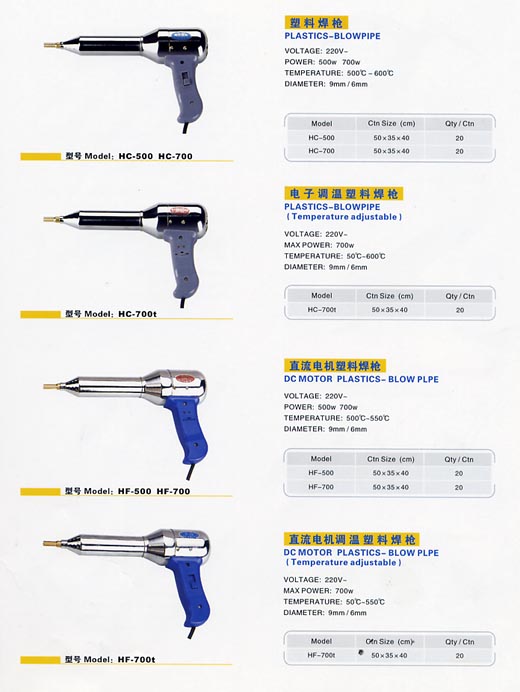
Plastic Welders
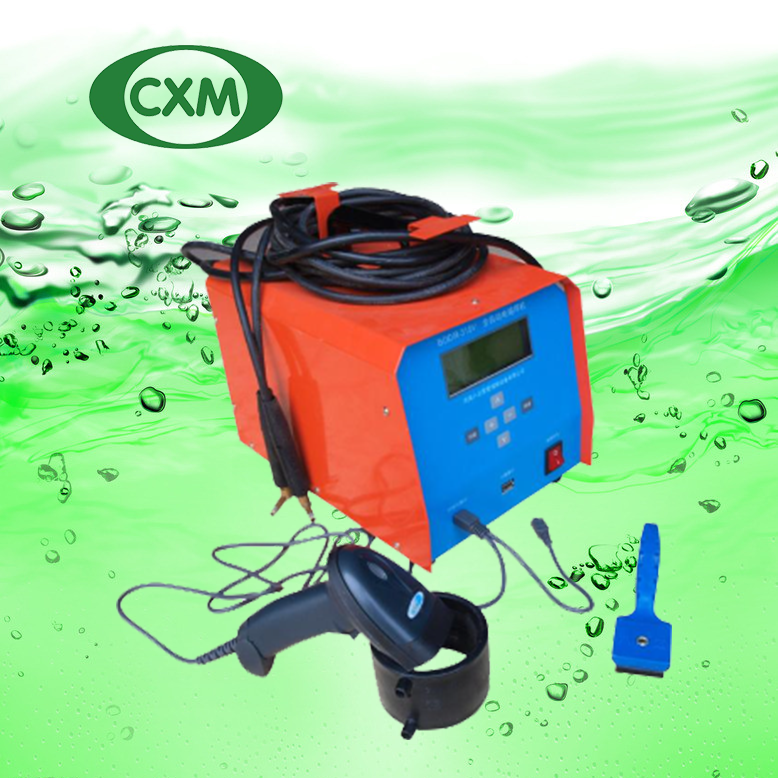
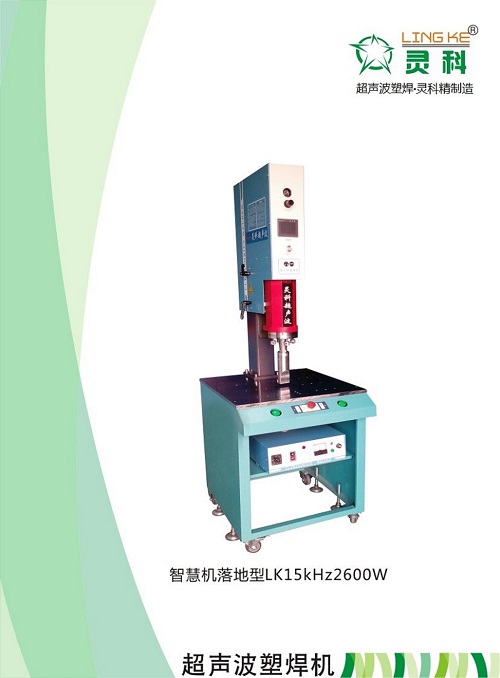
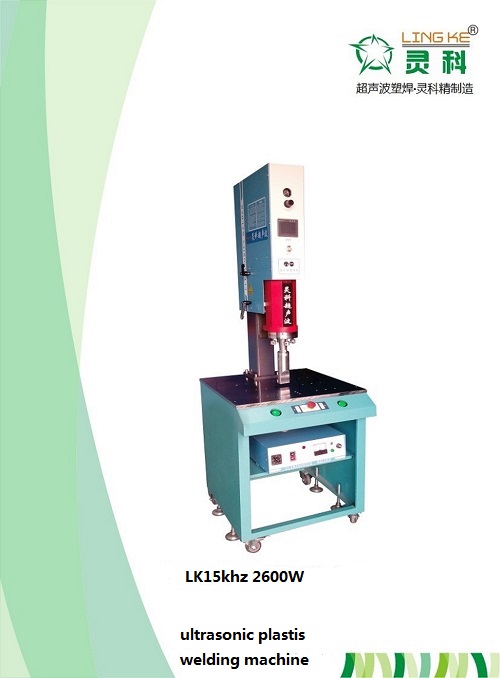
Source commercial-grade plastic welders from vetted manufacturers and suppliers in China and across Asia. Designed for importers, wholesalers, and brands seeking reliable OEM and private-label production, our network delivers high-performance welding equipment for heavy fabrication, roofing, and flooring applications.
Sourcing commercial plastic welders requires navigating a highly fragmented supplier base where outward appearances often mask sub-standard internal components. For volume buyers, the primary challenge is securing equipment that delivers stable, continuous heat output without premature failure of the heating element or motor. Success depends on specifying the right internal architecture and rigorously verifying factory assembly standards.
Core Specifications and Component Quality
The reliability of a plastic welder—whether a handheld hot air tool or a heavy-duty extrusion welder—is entirely dependent on its thermal and aerodynamic components. When negotiating with manufacturers, vague specifications will result in cost-cutting on the parts that matter most.
| Component | Standard Market Spec | Commercial Grade Spec |
|---|---|---|
| Heating Element | Mica-wrapped wire | Plug-in ceramic honeycomb (often imported) |
| Motor Type | Brushed AC motor (carbon brushes) | Brushless DC motor (maintenance-free) |
| Temperature Control | Basic triac dimmer | Closed-loop PID controller with sensor |
| Casing Material | Standard ABS | Glass-fiber reinforced nylon (heat resistant) |
The Heating Core and Motor
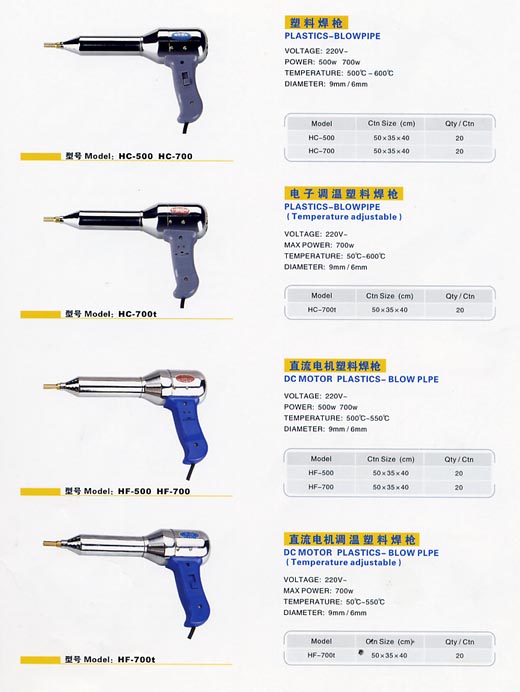
For handheld units (typically 1600W to 3400W), the heating element is the most frequent point of failure. Top-tier Chinese manufacturers often import ceramic heating elements from Switzerland or Germany to ensure longevity, while producing the casing and motor domestically. If you are targeting professional end-users, specifying a brushless motor is critical; it eliminates the need for carbon brush replacements and significantly extends the tool's continuous-run lifespan.
Temperature Accuracy
Professional welding of PVC, TPO, or PE requires precise temperature stability. Basic models use open-loop power control, meaning the actual air temperature fluctuates with ambient conditions and voltage drops. Commercial-grade units must utilize closed-loop PID control with integrated thermocouples, ensuring the output temperature remains within a tight tolerance (usually plus or minus 2 degrees Celsius).
Ensure your plastic welder supply chain is built on verified component quality and rigorous factory vetting.
Talk to our teamManufacturing Tolerances and Quality Control
Assembly quality in plastic welder manufacturing directly impacts electrical safety and thermal efficiency. Poor wiring insulation or inadequate grounding can lead to catastrophic failure. Because these tools draw high current and operate at extreme temperatures (often up to 600 degrees Celsius), validating the manufacturer's internal testing protocols is non-negotiable.
Conducting comprehensive Factory Audits before placing an order allows you to verify that the supplier has proper high-voltage testing stations and thermal aging racks.
Critical Pre-Shipment Inspection Points
- Hipot (Dielectric Withstand) testing to verify electrical insulation integrity.
- Thermal imaging or thermocouple testing to confirm PID controller accuracy across the full temperature range.
- Airflow volume verification (L/min) using an anemometer at the nozzle exit.
- Continuous run-time testing (aging) for a minimum of 4 to 8 hours to identify premature component failure.
- Drop testing of the reinforced nylon casing to ensure structural integrity under job-site conditions.
Implementing strict Quality Control & Inspection protocols before the goods leave the factory is the only way to prevent defective units from reaching your distribution network.
OEM Customization and Compliance
Most volume buyers require some level of customization, ranging from simple color-matching and logo printing to entirely custom casing molds. When utilizing OEM/ODM Services, be aware that custom injection molds for glass-fiber reinforced plastics require higher tooling investments than standard ABS.
Furthermore, electrical compliance is mandatory and varies strictly by region. Do not accept generic CE marks without verifying the technical file. You must ensure the product passes specific directives, such as the Low Voltage Directive (LVD) and Electromagnetic Compatibility (EMC). Engaging professional Compliance & Testing services ensures your imported welders meet local regulatory standards like UL/ETL for North America or legitimate CE/RoHS for Europe.
Pricing, MOQs, and Lead Times
Pricing in this category is highly elastic, driven almost entirely by the origin of the heating element and the type of motor specified.
Cost-Cutting Risks
If a supplier's quote is significantly below the market average for a 1600W welder, they are likely substituting a plug-in ceramic element for a cheaper, hard-wired mica element, which drastically increases post-sale warranty claims.
Navigate pricing complexities and secure the right manufacturing partner for your volume requirements.
Get a free consultationFrequently Asked Questions
Successfully sourcing plastic welders at scale requires looking past the outer shell and scrutinizing the thermal and electrical architecture. By enforcing strict component specifications and implementing robust testing protocols, you can build a highly profitable, reliable product line.
Get Sourcing Help for Plastic Welders
Tell us your requirements and our experts will connect you with verified manufacturers.