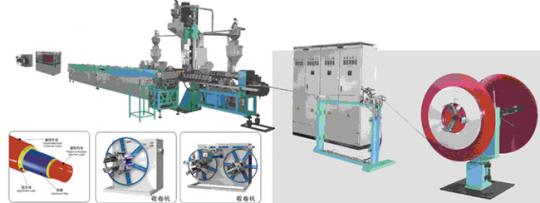
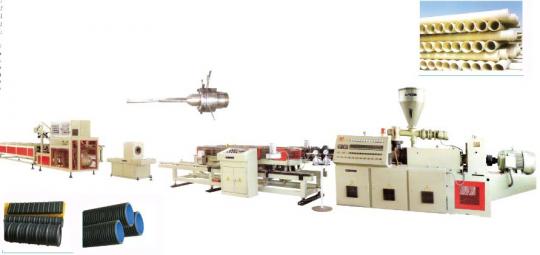
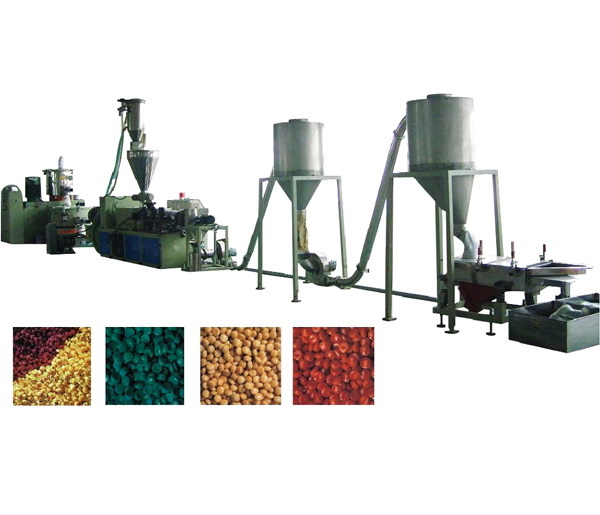
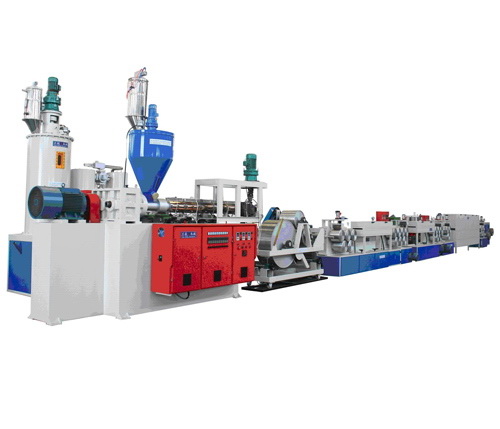
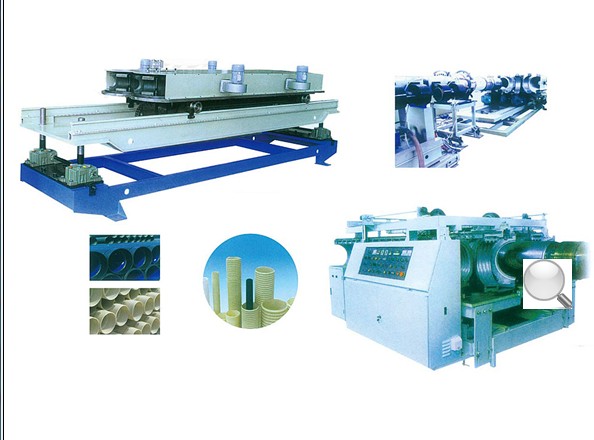
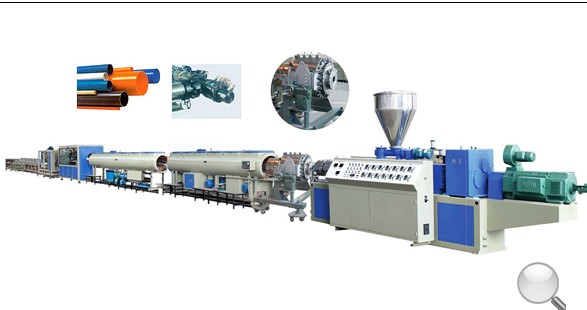
Plastic Product Processing Lines
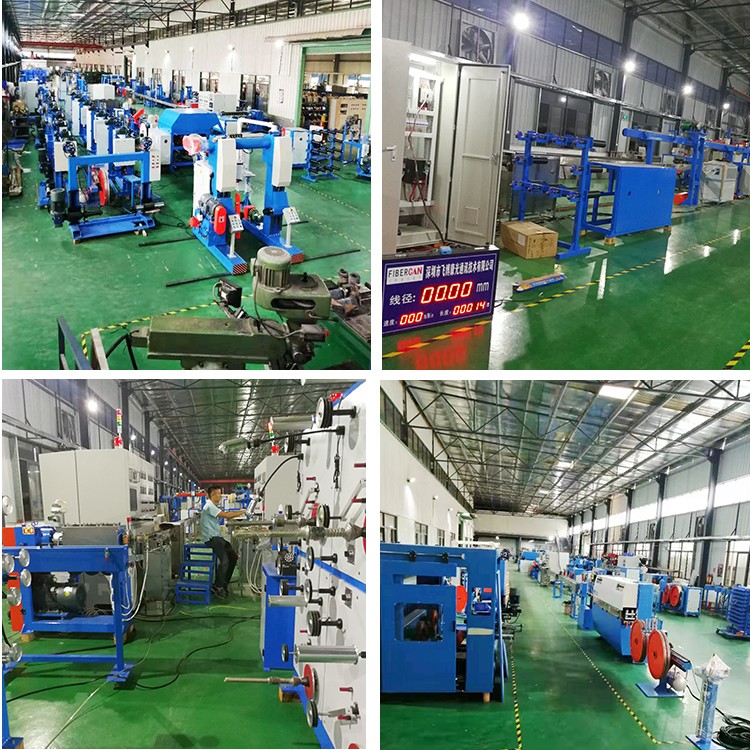
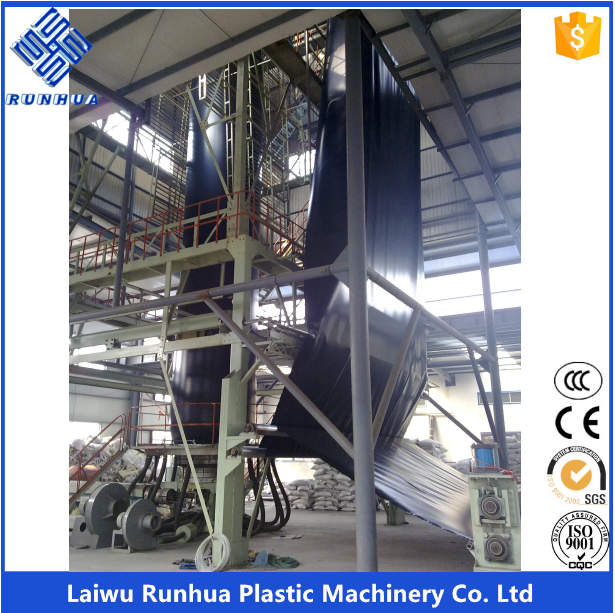
Source high-performance Plastic Product Processing Lines from vetted suppliers and manufacturers in China. Designed for industrial importers, distributors, and brands requiring custom OEM setups, these complete systems are optimized for high-volume extrusion, molding, and recycling operations.
Sourcing a complete plastic product processing line is a major capital expenditure that dictates your factory's production efficiency and product quality for the next decade. Whether you are setting up a facility for PVC profile extrusion, PET pelletizing, or automated injection molding, the line must be precisely configured for your target output, raw material characteristics, and local electrical standards. Buying industrial machinery overseas requires strict technical oversight to ensure the components specified on paper actually make it onto the factory floor.
Core Specifications and Configuration
The foundation of any reliable processing line is the core extrusion or molding unit. You must match the machine's specifications directly to your polymer type (PE, PP, PVC, PET) and desired throughput.
When negotiating specifications, pay close attention to the screw and barrel design. Processing recycled materials or highly filled plastics (like calcium carbonate-filled PVC) requires specialized bimetallic screws to prevent premature wear, whereas standard nitrided screws may suffice for virgin resins.
Preventing Component Substitution
A common risk when sourcing heavy machinery is "component swapping." A supplier might quote a line featuring premium European motors and Japanese electronics, only to substitute them with cheaper domestic equivalents during assembly to increase their margin.
Configuring industrial machinery requires strict oversight. We help verify your supplier's technical capabilities and monitor assembly on the ground.
Talk to our teamTo protect your investment, detail every critical component in the purchase contract and verify them during production.
Critical Component Verification
- Drive Motors & Inverters: Specify exact brands (e.g., Siemens, ABB, Yaskawa) and verify serial numbers.
- Gearboxes: Check torque ratings, thrust bearing origins (NSK/SKF), and cooling systems.
- Screw & Barrel: Confirm the specific surface treatment (Nitrided vs. Bimetallic) and alloy grade.
- Automation & PLC: Ensure the HMI and PLC are from globally supported brands for easier local troubleshooting.
- Electrical Safety: Verify that all contactors, breakers, and wiring meet your destination's standards (CE, UL, CSA).
Conducting thorough Factory Audits before placing a deposit is essential to confirm the manufacturer actually machines their own core components rather than just assembling parts sourced from sub-suppliers.
Factory Acceptance Testing (FAT)
You should never authorize the shipment of a plastic processing line without a rigorous Factory Acceptance Test (FAT). The machine must be fully assembled, wired, and run continuously using your exact raw materials for at least 4 to 8 hours.
During the FAT, a comprehensive Quality Control & Inspection protocol is necessary to measure the actual throughput against the quoted capacity, monitor the melt pressure and temperature stability, and inspect the final product for dimensional accuracy and surface finish. Catching a vibration issue in the gearbox or a flow defect in the die head is fixable at the factory; it is disastrous once the machine arrives at your facility.
Pricing Tiers, MOQs, and Logistics
The Minimum Order Quantity (MOQ) for complete processing lines is universally one set. Pricing is highly variable, driven primarily by the level of automation and the origin of the core components.
| Configuration Tier | Component Origins | Price Impact | Best For |
|---|---|---|---|
| Standard / Domestic | Chinese motors, standard gearboxes, domestic PLC | Baseline Cost | Standard domestic production with accessible maintenance |
| Export / Premium | European/Japanese PLCs, Motors, and Bearings | Plus 30% to 60% | High-uptime industrial environments requiring global support |
Logistics for these lines are complex. A single processing line often requires multiple 40HQ containers, or flat-rack containers for oversized extruders and haul-off units. Proper rust-proofing, vacuum packing, and secure lashing are mandatory to prevent transit damage. Coordinating the Shipping & Freight for heavy machinery requires specialized handling and exact scheduling to avoid port storage fees.
Need help managing the procurement, FAT, and heavy freight logistics for your processing line?
Get a free consultationA reliable plastic processing line is the result of rigorous specification, strict component verification, and comprehensive pre-shipment testing. Securing the right setup ensures consistent output, minimizes costly downtime, and ultimately protects your production margins over the life of the equipment.
Get Sourcing Help for Plastic Product Processing Lines
Tell us your requirements and our experts will connect you with verified manufacturers.