Plastic Mixers
Source industrial-grade Plastic Mixers from vetted suppliers and manufacturers across Asia. Designed for importers, distributors, and procurement managers buying in bulk or seeking OEM/ODM production, our network delivers reliable machinery for plastic raw material processing. Secure competitive pricing on reliable mixing equipment today.
Sourcing plastic mixers requires balancing motor torque, blade metallurgy, and barrel durability against continuous operational demands. The primary challenge isn't finding a supplier; it is verifying that a manufacturer's quoted specifications translate to actual performance under heavy loads, without overheating, material contamination, or premature wear.
Technical Configurations and Applications
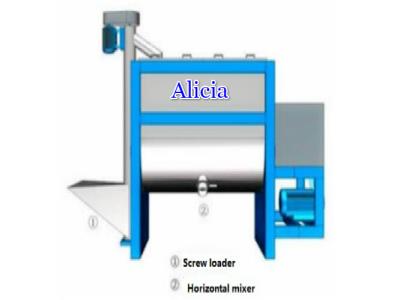
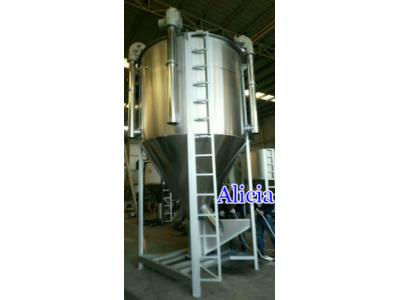
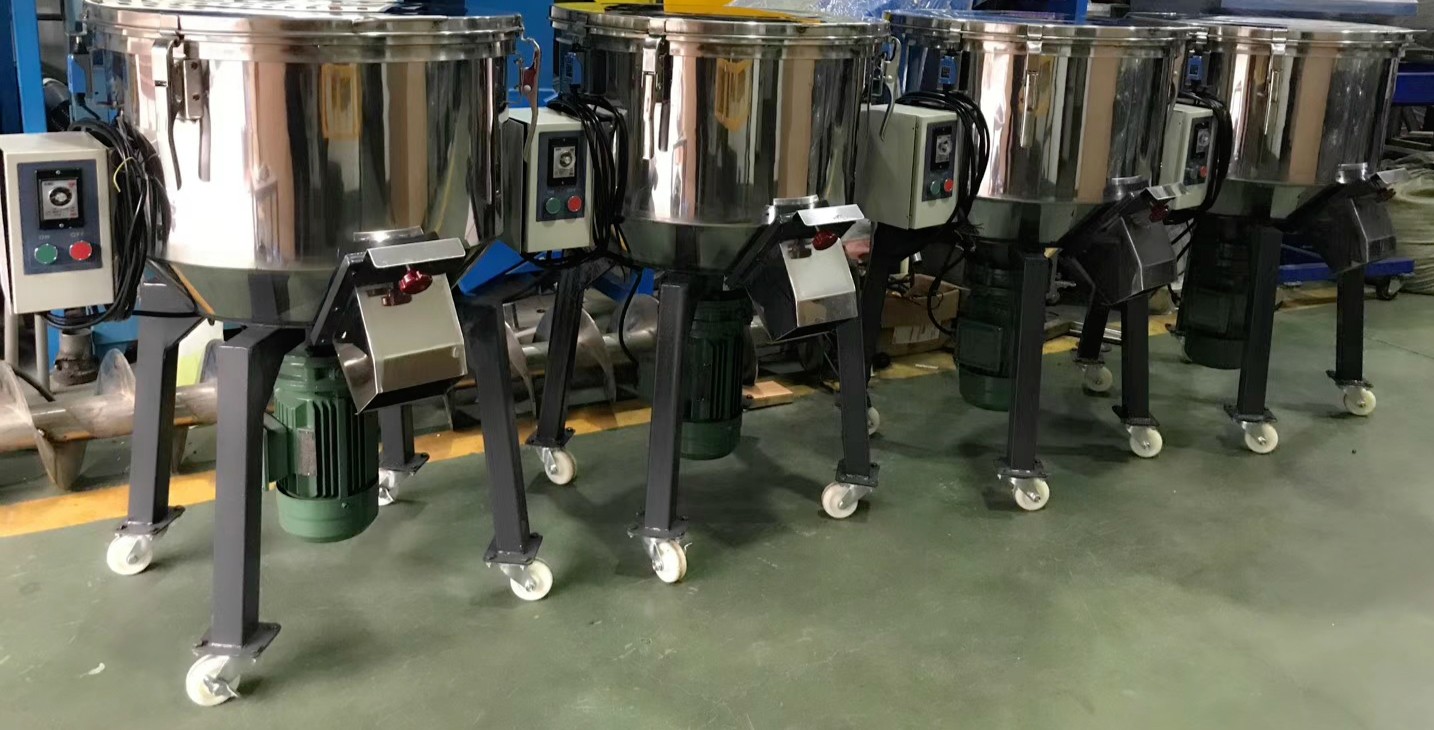
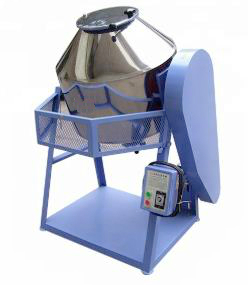
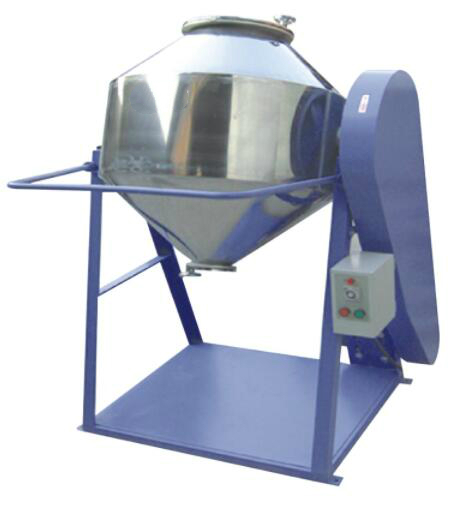
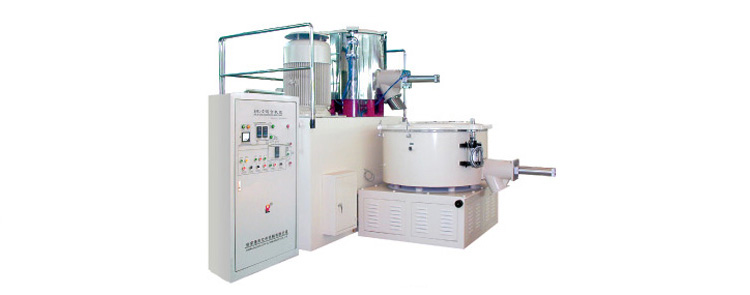
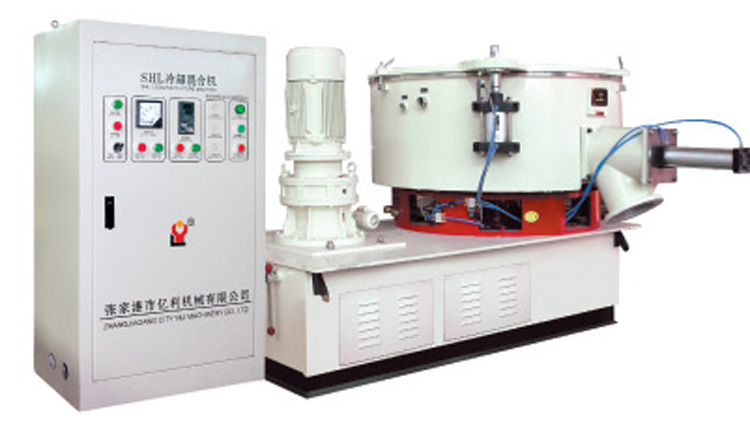
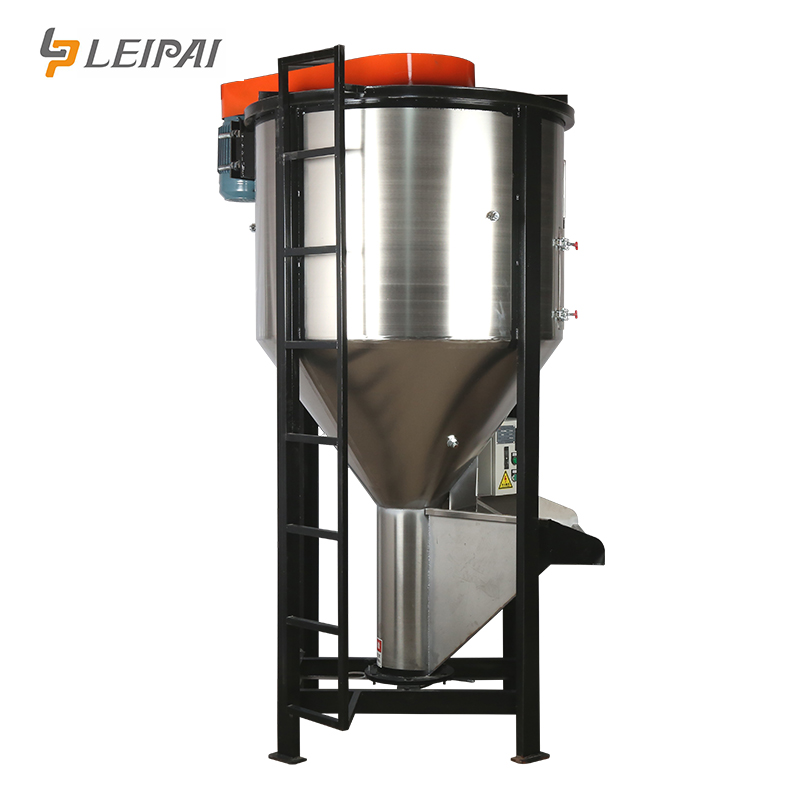
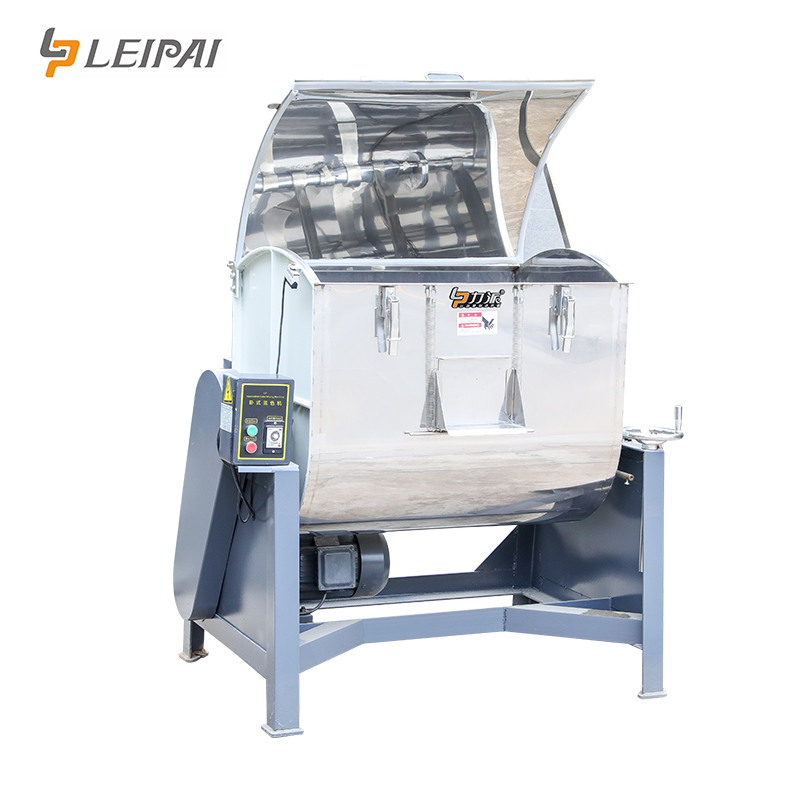
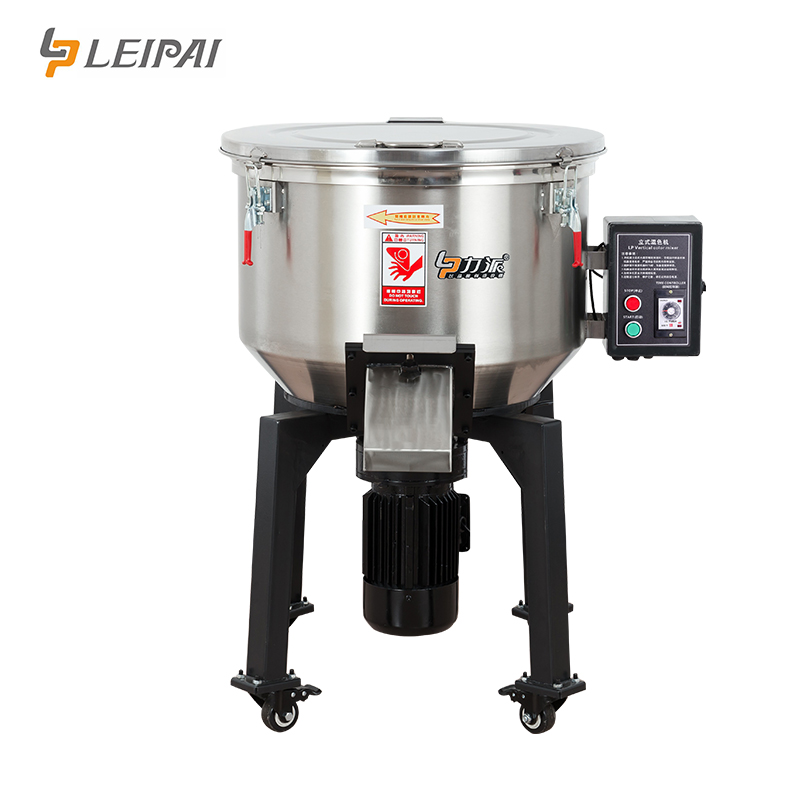
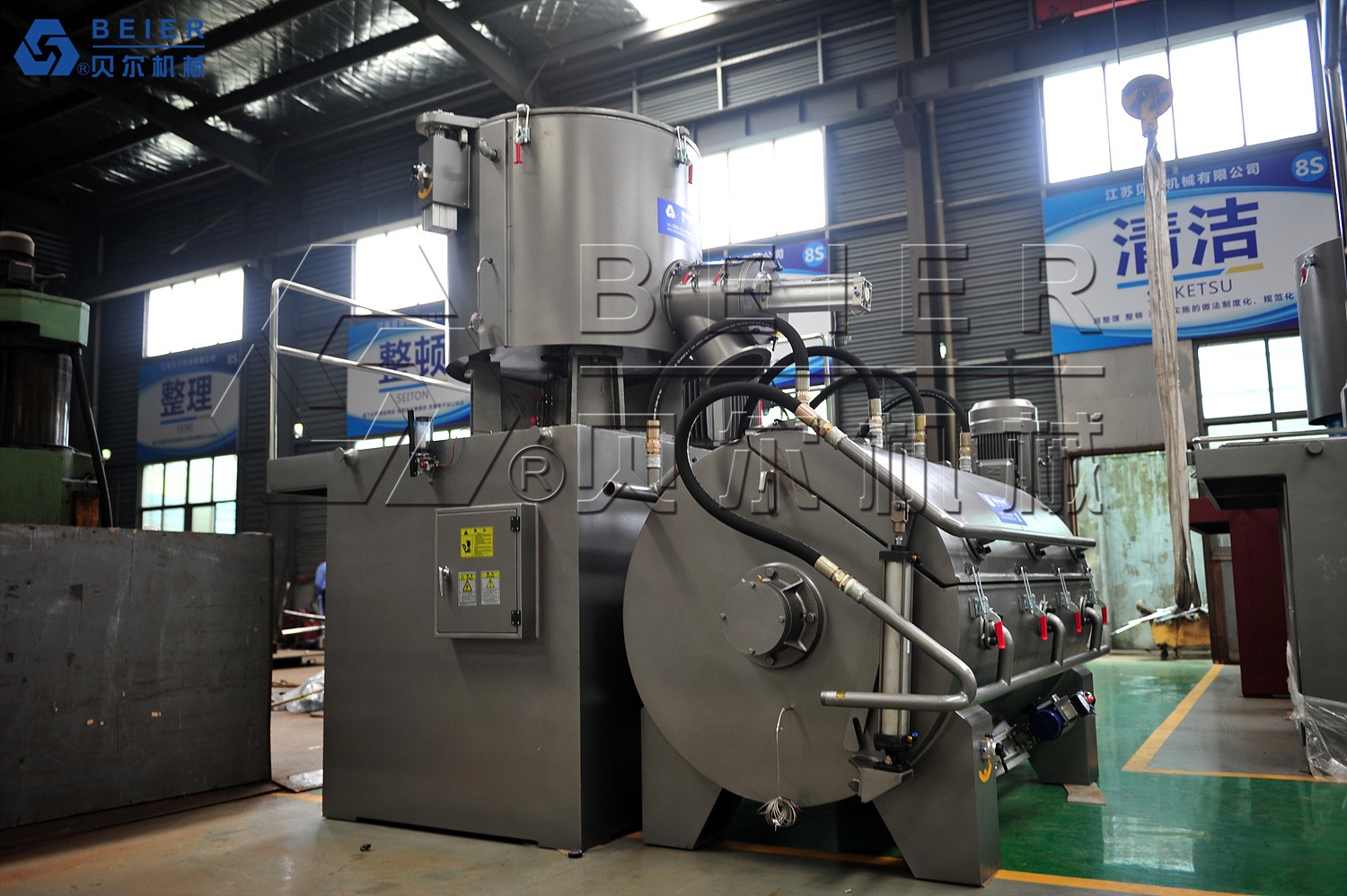
Plastic mixers fall into distinct structural categories, each engineered for specific material behaviors—whether blending virgin pellets with regrind, dispersing color masterbatch, or drying hygroscopic polymers. Specifying the wrong configuration leads to bridging, uneven dispersion, or excessive energy consumption.
| Specification | Vertical Mixers | Horizontal Mixers |
|---|---|---|
| Typical Capacity | 500kg to 5,000kg | 50kg to 1,000kg |
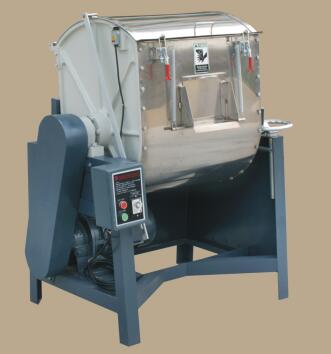
| Mixing Mechanism | Center screw lifting | U-shaped barrel with ribbon blades |
| Material Suitability | Pellets, flakes, and regrind | Powders, colorants, and additives |
| Footprint | Tall, requires high clearance | Wide, requires floor space |
When working with factories on custom or OEM configurations, it is critical to specify the exact grade of stainless steel for material-contact parts. While SS304 is standard, highly abrasive regrind or corrosive additives may necessitate SS316 or specialized blade hardening treatments.
Ensure your machinery orders meet exact technical specifications before production begins.
Talk to our teamManufacturing Quality and Defect Prevention
The longevity of a plastic mixer is largely determined by the quality of its core components and the precision of the factory's fabrication process. Many lower-tier suppliers reduce costs by using thinner gauge steel for the mixing barrel or installing generic, underpowered motors that struggle under full load capacity.
Verifying the supplier's fabrication capabilities through thorough on-site factory audits prevents these baseline issues. Look specifically at their welding processes; poor weld seams inside the barrel create trap points for material, leading to cross-contamination between color batches.
Critical Pre-Shipment Inspection Points
- Motor and gearbox verification (brand, kilowatt rating, and voltage compatibility)
- Vibration and noise testing under no-load and simulated load conditions
- Measurement of barrel wall and blade thickness against contracted specifications
- Inspection of internal weld seams for smoothness and zero-defect polishing
- Electrical cabinet safety checks (CE/UL compliance, overload protection relays)
Implementing rigorous quality control and inspection prior to container loading is essential. Once a one-ton machine arrives at your facility, correcting a misaligned drive shaft or replacing a non-compliant electrical panel is prohibitively expensive.
Pricing, MOQ, and Lead Times
Because plastic mixers are capital equipment, Minimum Order Quantities (MOQs) are highly flexible. However, bulk pricing tiers emerge when ordering multiple units or combining different machinery types into a single container.
Pricing is heavily influenced by capacity, motor brand (e.g., Siemens/ABB versus domestic equivalents), and the inclusion of auxiliary features like drying heaters or automated feeding systems. Given the volumetric weight and footprint of these machines, coordinating freight forwarding and shipping early in the purchasing cycle is critical to calculating accurate landed costs.
Need accurate landed cost calculations and reliable supplier vetting for your next machinery import?
Get a free consultationFrequently Asked Questions
Successfully sourcing plastic raw material machinery requires moving beyond surface-level specifications to audit the actual build quality and component integration. By enforcing strict quality standards and verifying electrical compliance early, you ensure the equipment delivers reliable, long-term performance on the production floor.
Get Sourcing Help for Plastic Mixers
Tell us your requirements and our experts will connect you with verified manufacturers.