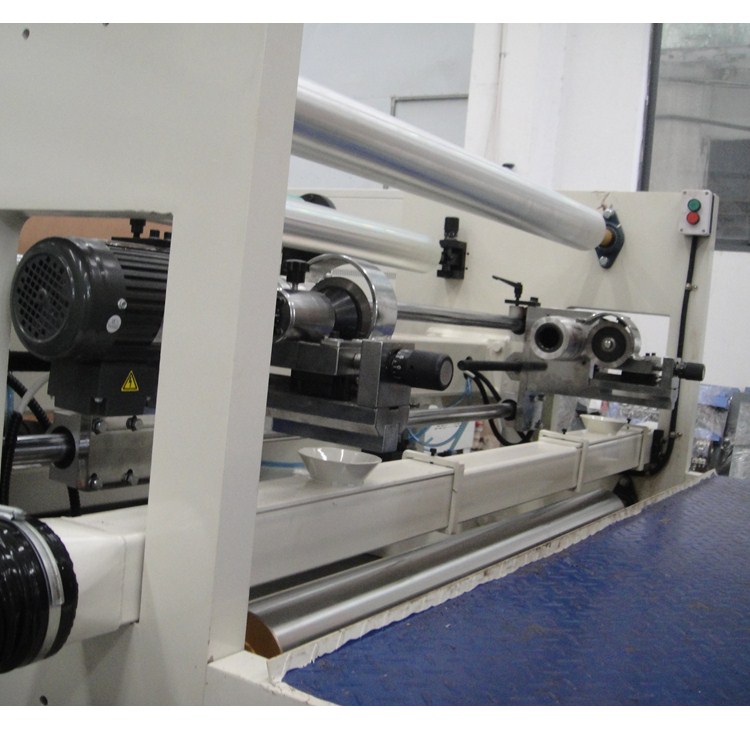
Plastic Laminating Machines
Source industrial and commercial Plastic Laminating Machines directly from vetted manufacturers and suppliers. Designed for importers, wholesalers, distributors, and brands seeking OEM production, our wholesale network offers reliable thermal, cold, and roll-to-roll lamination equipment. Secure competitive bulk pricing and scalable manufacturing for your market.
Sourcing commercial and industrial plastic laminating machines requires navigating a fragmented supplier base where outward appearances often mask internal component compromises. For high-volume production, the difference between a profitable machine and a maintenance liability lies in the precision of its heat distribution, web tension control, and pressure application. Whether you are importing container loads of commercial roll laminators or procuring heavy-duty industrial laminating lines, specifying the right technical parameters is critical to avoiding delamination, curling, and costly downtime.
Critical Specifications for High-Volume Laminators
When negotiating with manufacturers, vague requirements lead to substituted components. To ensure consistent performance, you must dictate the exact specifications for the core systems that govern heat, pressure, and speed.
- Heating Systems and Thermal Stability: The primary driver of lamination quality is consistent temperature across the entire width of the heating roller. Entry-level machines often use electric infrared heating tubes, which can suffer from temperature drops during high-speed continuous runs. Industrial units should utilize circulating thermal oil systems, which provide a stable thermal mass and maintain temperature fluctuations to under 2 degrees Celsius.
- Pressure Mechanisms: Pneumatic pressure systems are standard for commercial machines, offering clean and responsive adjustments. However, for thick substrates or high-speed industrial applications, hydraulic systems are necessary to provide the sustained, heavy pressure required for flawless adhesion without silvering (micro-bubbles).
- Tension Control (Web Handling): Proper tension between the unwind film shaft and the rewind/collection shaft prevents the substrate from curling after lamination. Specify magnetic powder brakes and clutches, paired with automatic tension control systems, to maintain uniform tension as the roll diameter changes.
Need help verifying supplier capabilities and technical specifications? We handle the engineering dialogue and factory vetting on your behalf.
Talk to our teamEvaluating Component Quality on the Factory Floor
A laminating machine is only as reliable as its internal components. Many manufacturers cut costs on electrical systems and roller metallurgy to offer lower wholesale prices. Verifying these details before placing a bulk order is essential, which is why conducting thorough Factory Audits is a standard part of professional procurement.
| Component | Standard Commercial | Heavy Industrial |
|---|---|---|
| Heating Roller | Hard chrome-plated steel | Mirror-polished steel with internal oil channels |
| Pressure Roller | Standard silicone rubber | High-temperature resistant polyurethane |
| Electrical Control | Domestic generic PLC | International brands (Siemens, Omron, Delta) |
| Cutting Mechanism | Manual or simple hot knife | Rotary flying knife or chain knife system |
Pay close attention to the hardness (Shore A rating) of the rubber pressure rollers. If the rubber is too soft, it will degrade quickly under high heat; if it is too hard, it will not conform to slight variations in substrate thickness, leading to uneven lamination.
Quality Control and Common Defects
Catching defects before the machines leave the factory is non-negotiable. Rigorous Quality Control & Inspection should involve testing the machines with actual substrates and films at the specified maximum operational speed.
Pre-Shipment Inspection Focus Areas
- Verify temperature uniformity across the heating roller using thermal imaging or multi-point infrared thermometers.
- Test continuous operation at maximum rated speed for at least 60 minutes to check for motor overheating or inverter faults.
- Inspect the laminated output for wrinkling, bubbling, or silvering, which indicate pressure or temperature failures.
- Check the automatic cutting and stacking mechanisms for timing accuracy and clean edges.
- Confirm that all electrical components match the specified brands in the bill of materials (BOM).
Pricing, MOQs, and Lead Times
The manufacturing landscape for plastic laminating machines is highly segmented. Desktop or small-format commercial machines are typically produced in batches, while large-format industrial lines are built to order.
When calculating your landed costs, factor in the physical footprint of the machinery. Industrial laminating lines are heavy and bulky, often requiring flat rack containers or specialized loading. Coordinating Shipping & Freight early in the purchasing process prevents unexpected logistical bottlenecks and port delays.
Looking to import laminating machinery in volume? We manage the entire process from price negotiation to final delivery.
Get a free consultationFrequently Asked Questions
Successful procurement of plastic laminating machines relies on strict technical oversight rather than simply hunting for the lowest quoted price. By locking down component specifications, mandating thermal stability, and conducting thorough functional tests prior to shipment, you secure equipment that delivers long-term reliability and operational profitability.
Get Sourcing Help for Plastic Laminating Machines
Tell us your requirements and our experts will connect you with verified manufacturers.