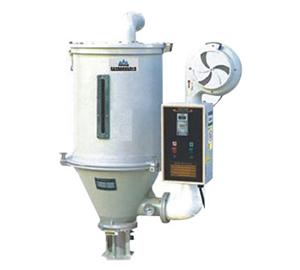
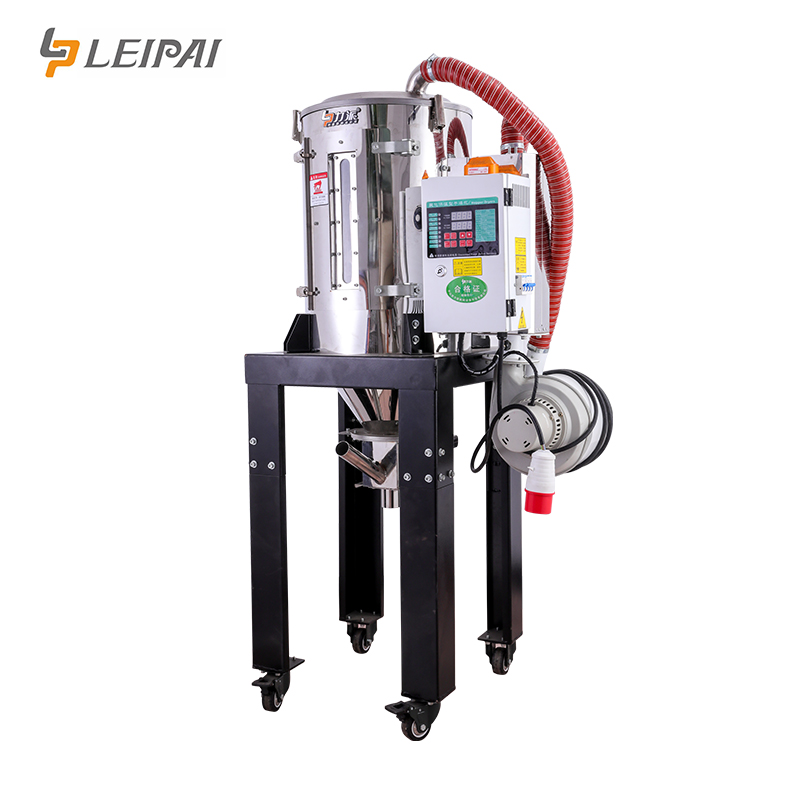
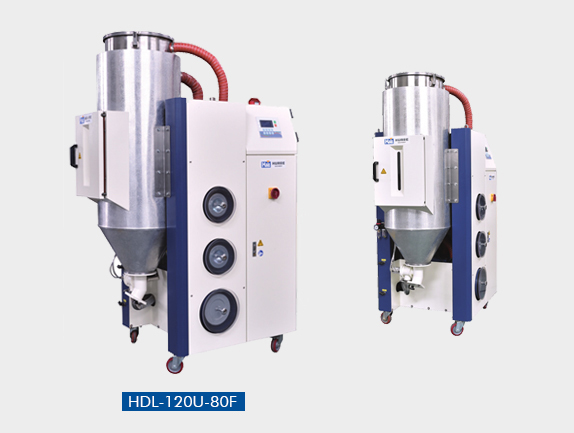
Plastic Drying Machines
Source industrial Plastic Drying Machines from vetted manufacturers and suppliers. Designed for procurement managers, distributors, and equipment importers buying in bulk, our network offers high-performance drying systems for injection molding and extrusion lines with full OEM/ODM capabilities.
Moisture control is a non-negotiable variable in plastic processing. Whether you are running hygroscopic resins like PET, PA, and PC, or simply pre-heating non-hygroscopic materials like PP and PE, inadequate drying leads to splay, voids, loss of tensile strength, and compromised intrinsic viscosity. Sourcing industrial plastic drying machinery requires cutting through supplier spec sheets to verify the actual thermal efficiency, airflow consistency, and component durability of the equipment.
Specifying Drying Systems for Processing Lines
When procuring plastic drying machines, matching the thermal and volumetric capacity to the throughput of the injection molding or extrusion line is critical. Over-specifying wastes energy; under-specifying bottlenecks production and degrades part quality.
Buyers must specify the exact working environment and resin types to the manufacturer. High-end hygroscopic resins require closed-loop desiccant rotor technology to achieve dew points under -40°C, while standard applications may only require direct-mount hot air hopper dryers.
| System Type | Target Materials | Typical Dew Point | Primary Mechanism |
|---|---|---|---|
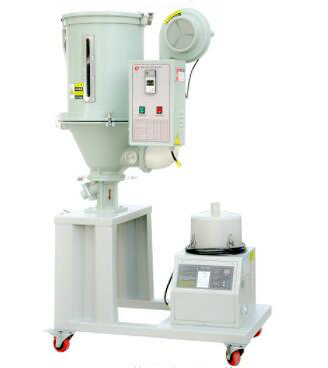
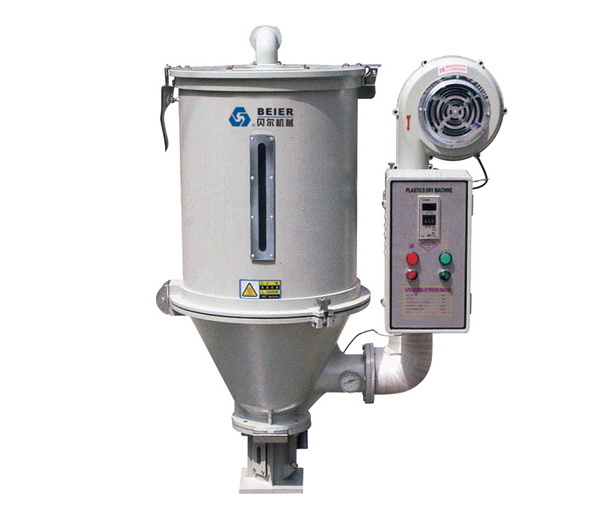
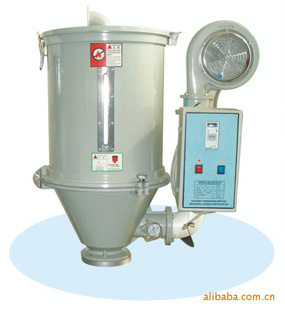
| Standard Hopper Dryer | PP, PE, PS | Not applicable | Open-loop hot air circulation |
| Desiccant Dehumidifying Dryer | PET, Nylon, PC, ABS | Under -40°C | Closed-loop molecular sieve / honeycomb rotor |
| Cabinet / Tray Dryer | Small batches, colorants, scrap | Ambient to moderate | Batch thermal convection |
Navigating supplier specifications for industrial machinery can be complex. Get expert guidance on matching equipment capabilities to your required throughput.
Talk to our teamManufacturing Quality and Common Factory Shortcuts
China is the global hub for plastics auxiliary equipment, with major manufacturing clusters in Guangdong (Dongguan, Shenzhen) and Zhejiang (Ningbo). While top-tier factories produce world-class machinery, lower-tier suppliers often cut corners to win on price.
The difference in lifespan and efficiency usually comes down to internal components and material selection. When evaluating a supplier, these are the critical areas where quality is won or lost:
- Material Contact Surfaces: High-quality dryers use SUS304 stainless steel for all parts contacting the resin to prevent contamination. Budget suppliers often substitute SUS201, which is prone to oxidation and rust over time, especially in humid environments.
- Thermal Insulation: Proper insulation between the inner hopper and outer shell is vital for energy efficiency and worker safety. Inferior machines use thin or low-density fiberglass, leading to massive heat loss and surface temperatures exceeding safe limits.
- Electrical Components: The reliability of contactors, solid-state relays, and PID temperature controllers dictates the machine's uptime. Ensure the factory uses internationally recognized brands (e.g., Schneider, Siemens, Omron) rather than unbranded domestic alternatives.
- Airflow Distribution: A poorly designed diffuser cone at the base of the hopper will cause channeling, where hot air bypasses the center mass, leaving some pellets damp while burning others.
Because these details are hidden beneath the machine's casing, conducting thorough Factory Audits is highly recommended before committing to a new supplier.
Quality Control and Pre-Shipment Verification
Defects in industrial machinery are costly to rectify once the equipment leaves the country of origin. Implementing strict Quality Control & Inspection protocols at the factory ensures the machines perform to the agreed specifications under load.
Critical Inspection Points for Drying Machinery
- Verify PID controller accuracy: check for temperature overshoot and stabilization time.
- Inspect stainless steel gauge and weld quality on all material contact surfaces.
- Conduct electrical safety tests: insulation resistance and dielectric strength (hipot test).
- Measure blower motor vibration and operating decibel levels.
- Confirm correct voltage, phase, and frequency wiring for the destination market.
Pricing Drivers, MOQs, and Lead Times
The cost of plastic drying machinery varies drastically based on capacity, technology, and component origin.
Standard hot-air hopper dryers (25kg to 100kg capacity) are highly commoditized. They carry low MOQs (often 1 to 5 units) and short lead times of 10 to 15 days. Pricing is heavily tied to raw material costs, specifically stainless steel and aluminum.
Desiccant and dehumidifying systems, especially those with honeycomb rotors and integrated loaders, are custom-assembled based on the buyer's line requirements. Lead times for these systems typically range from 30 to 45 days. Because these machines are bulky, optimizing the packing density inside shipping containers is crucial. Coordinating the loading process through experienced Shipping & Freight partners can significantly reduce the landed cost per unit by maximizing container space.
Streamline your machinery procurement. We handle supplier vetting, technical negotiations, and logistics to ensure your equipment arrives on time and on spec.
Get a free consultationSourcing plastic drying machines requires a rigorous approach to supplier selection and technical verification. By focusing on component quality, insulation standards, and proper airflow design, buyers can secure reliable auxiliary equipment that protects their processing lines from moisture-related defects.
Get Sourcing Help for Plastic Drying Machines
Tell us your requirements and our experts will connect you with verified manufacturers.