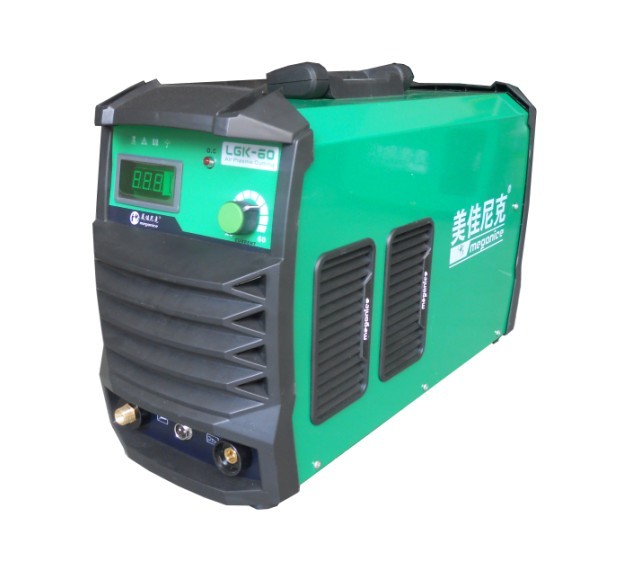
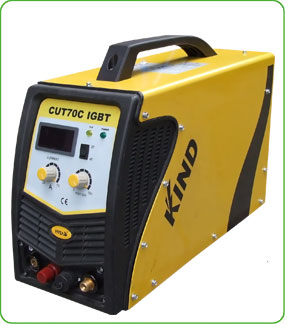
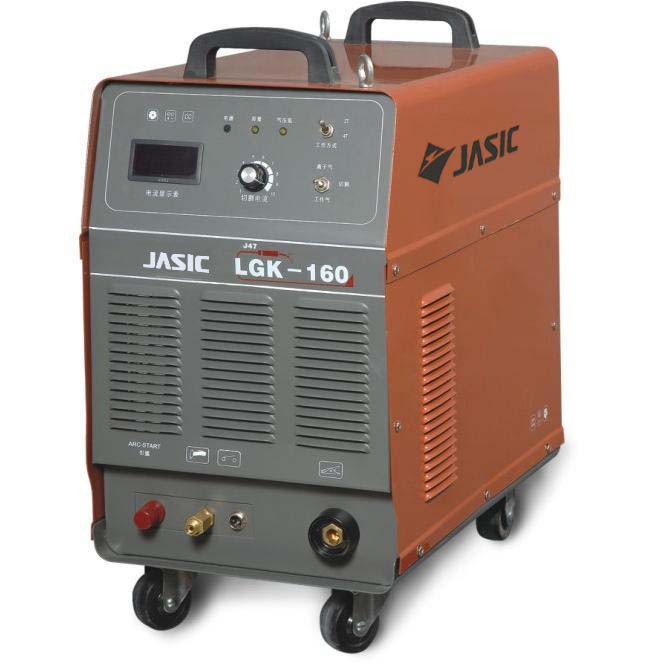
Plasma Cutters
Source professional-grade plasma cutters directly from vetted manufacturers and wholesale suppliers. Designed for industrial distributors, hardware importers, and brands seeking OEM or private-label production, our network delivers reliable cutting performance and certified safety for your bulk procurement needs.
Sourcing plasma cutters in volume requires navigating a complex intersection of high-current electronics, thermal management, and strict safety compliance. Whether you are expanding a proprietary line of welding and cutting equipment or supplying industrial fabrication shops, securing reliable manufacturing partners is critical to avoiding high return rates and catastrophic component failures in the field.
Critical Specifications for OEM and Wholesale Buyers
When specifying plasma cutting equipment for production, the headline amperage only tells part of the story. Professional buyers must define the exact performance parameters to ensure the factory uses appropriate internal components.
The two most abused specifications in overseas manufacturing are cutting thickness and duty cycle. Factories often quote "severance thickness" (the maximum thickness the torch can blow through, leaving a jagged edge) rather than "clean cut thickness" (the thickness it can cut at a steady travel speed with minimal dross).
| Parameter | Light Industrial (Auto/HVAC) | Heavy Industrial (Fabrication) |
|---|---|---|
| Typical Amperage | 40A to 50A | 80A to 120A+ |
| Duty Cycle | 60 percent at 40A | 60 to 100 percent at 100A |
| Arc Start Method | High-Frequency (HF) Contact | Blowback / Non-HF Pilot Arc |
| Phase | Single-Phase (110V/220V) | Three-Phase (380V/480V) |
For brands developing their own lines, leveraging OEM/ODM Services allows you to customize the chassis, interface (digital vs. analog), and internal component architecture to match your target market's exact needs.
Need help navigating factory capabilities and component specifications? Let our sourcing engineers match you with the right manufacturer.
Talk to our teamComponent Selection and Manufacturing Quality
The longevity of an inverter plasma cutter is dictated entirely by its internal component quality and thermal management. A poorly designed cooling tunnel will cause premature failure of the inverter board, regardless of the stated duty cycle.
When evaluating a manufacturer's bill of materials (BOM), pay close attention to the following:
Key Component Verifications
- IGBT Transistors: Verify the use of top-tier brands (e.g., Infineon, Fairchild) over unbranded generic alternatives.
- Transformers: Ensure 100 percent copper windings rather than copper-clad aluminum (CCA) to prevent overheating under load.
- Cooling Architecture: Look for isolated cooling tunnels that route air over heat sinks without blowing metallic dust directly across the PCB.
- Torch Compatibility: Standardize on widely available consumable styles (e.g., PT-31, AG-60, or P-80) to ensure aftermarket support.
Verifying these components on the factory floor is essential. Conducting comprehensive Factory Audits before placing a bulk order ensures the supplier has the actual engineering capability and supply chain controls to maintain your specified BOM across multiple production runs.
Compliance, Testing, and Quality Control
Plasma cutters deal with lethal voltages and generate significant electromagnetic interference (EMI). Depending on your target market, strict regulatory compliance is non-negotiable. North American markets require CSA or UL certification, while European markets demand CE (including LVD and EMC directives) and RoHS compliance.
Navigating Compliance & Testing requires a manufacturer that maintains proper technical files and works with accredited third-party labs.
Furthermore, high-voltage equipment requires rigorous end-of-line testing. Do not rely solely on the factory's internal QA. Implementing independent Quality Control & Inspection ensures every batch undergoes dielectric withstand (hi-pot) testing, sustained load bank testing to verify duty cycles, and functional arc-start testing before the container is sealed.
Typical Pricing, MOQs, and Lead Times
Wholesale pricing for plasma cutters is highly elastic, driven primarily by the amperage rating, the quality of the IGBT modules, and the inclusion of features like CNC ports or built-in air compressors.
Ready to negotiate pricing and terms with top-tier welding equipment manufacturers? We can streamline your procurement process.
Get a free consultationFrequently Asked Questions
Successfully sourcing plasma cutters requires looking past the spec sheet and scrutinizing the internal architecture and factory assembly processes. By enforcing strict component standards and rigorous pre-shipment testing, you can build a reliable product line that stands up to heavy industrial use.
Get Sourcing Help for Plasma Cutters
Tell us your requirements and our experts will connect you with verified manufacturers.