Pipe and Tube Bending Machines
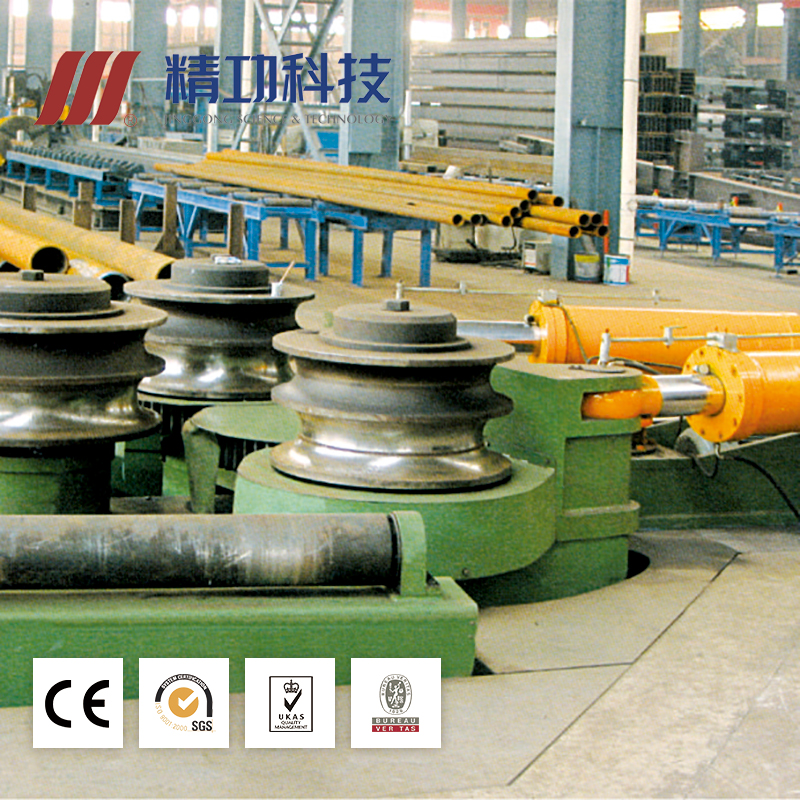
Source industrial-grade Pipe and Tube Bending Machines from vetted suppliers and manufacturers across Asia. Designed for importers, wholesalers, distributors, and brands seeking reliable OEM production, our network delivers precision machinery built for bulk import and high-volume manufacturing environments.
Sourcing pipe and tube bending machines requires navigating a highly fragmented supplier base where the line between a true engineering manufacturer and a low-tier component assembler is often blurred. For industrial applications—from automotive exhaust manufacturing to aerospace fluid lines—the machine's ability to maintain tight tolerances across thousands of cycles without causing tube ovality or wrinkling is paramount. Securing reliable equipment at scale means looking past the spec sheet and scrutinizing the core components, frame construction, and the supplier's integration capabilities.
Core Specifications and Machine Architecture
When negotiating with manufacturers, precision is heavily dependent on the control architecture and the quality of the drive systems. Buyers must specify exact requirements based on the maximum Outside Diameter (OD), wall thickness, and Center Line Radius (CLR) of the intended applications.
| Capability | NC (Numerical Control) | CNC (Computer Numerical Control) |
|---|---|---|
| Axes of Control | Typically 1-2 (Bending angle) | Up to 12+ (Feeding, rotation, bending, mandrel) |
| Production Volume | Low to medium batches | High-volume, continuous production |
| Complex Geometries | Requires manual repositioning | Fully automated multi-plane bending |
| Typical Cost Factor | Baseline | 2x to 5x baseline |
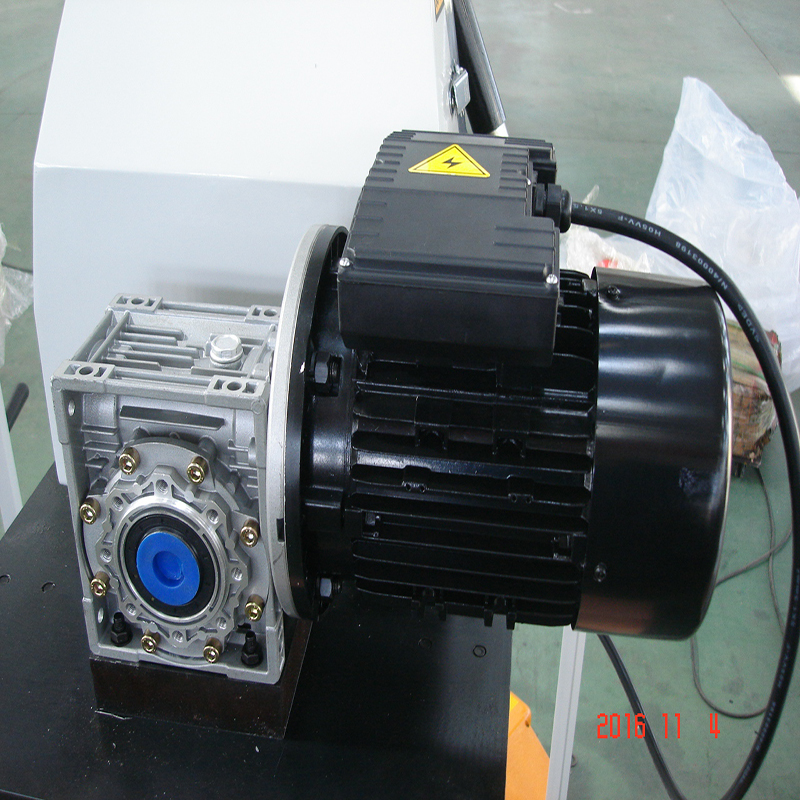
Beyond the control type, pay close attention to the hydraulic systems and servomotors. High-tier Chinese manufacturers will readily integrate internationally recognized components (such as Yaskawa or Mitsubishi servos, and Rexroth or Yuken hydraulic valves). Lower-tier suppliers may substitute domestic equivalents to cut costs, which can impact long-term reliability and spare parts availability in your destination market.
Need help verifying machine builders and component authenticity before placing a high-value order?
Talk to our teamFactory Floor Realities: Where Quality is Won or Lost
The structural integrity of a bending machine dictates its lifespan. Heavy-duty bending generates immense torque. If the machine's frame is not properly stress-relieved, it will warp over time, leading to severe accuracy degradation.
When evaluating a manufacturer, or conducting Factory Audits, focus on their fabrication processes.
Critical Manufacturing Checks
- Frame Annealing: Ensure the welded steel frame undergoes thermal stress relief (annealing) before machining. Skipping this step is a common cost-cutting measure.
- Machining Precision: Verify that mounting surfaces for the bending head and guide rails are machined on large-scale CNC gantry mills in a single setup.
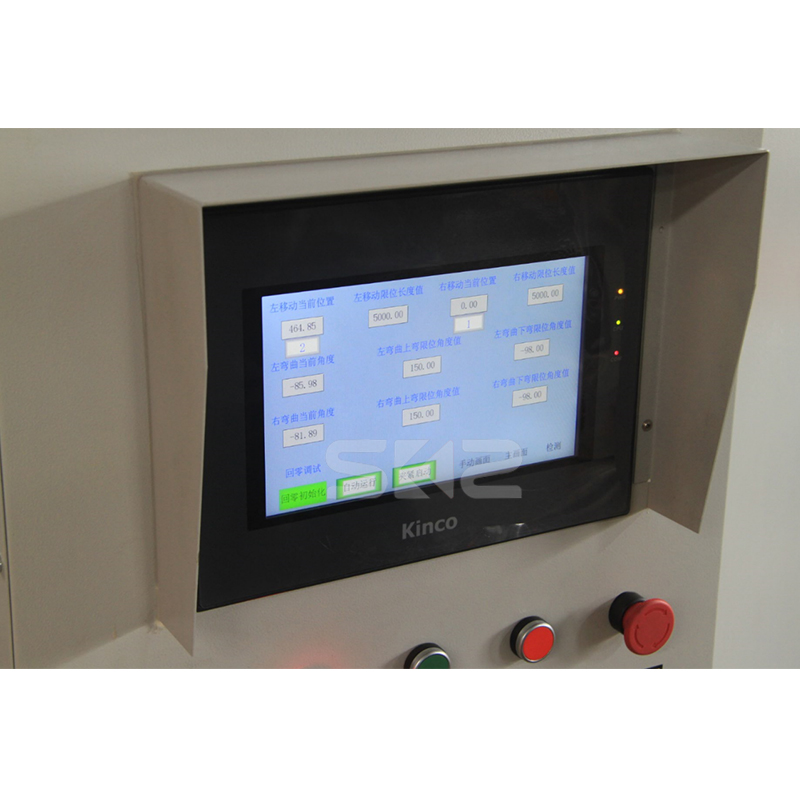
- Software Integration: Check if the supplier develops their own PLC/CNC software or relies on locked third-party systems. Proprietary software allows for easier future customization.
- Tooling Hardness: Bending dies, wiper dies, and mandrels should be hardened to at least HRC 55-60 to resist premature wear.
Catching integration issues early is critical. Implementing stringent Quality Control & Inspection protocols prior to shipment ensures the machine operates smoothly under load. Factory acceptance testing (FAT) should always involve running the machine at its maximum rated capacity using the actual tube material and dimensions it will process in the field.
Pricing, MOQs, and Logistics
Heavy machinery sourcing operates on different financial and logistical models compared to standard consumer goods.
- MOQs: The Minimum Order Quantity for industrial pipe benders is almost universally 1 unit. However, wholesalers purchasing standard NC machines in container loads (e.g., 3-5 units per 20ft container) can negotiate significant bulk discounts.
- Lead Times: Standard NC machines typically require 30 to 45 days for production. Custom CNC machines with multi-stack tooling or automated loading systems push lead times to 60 to 90 days.
- Logistics: These machines are exceptionally heavy and often feature awkward dimensions. Large CNC benders may require flat rack containers or special oversized cargo handling. Coordinating Shipping & Freight early in the procurement process prevents costly delays at the port of loading.
Streamline your heavy machinery procurement with end-to-end supplier negotiation, quality control, and freight management.
Get a free consultationFrequently Asked Questions
Importing industrial pipe and tube bending equipment demands rigorous technical vetting and a clear understanding of machine architecture. By prioritizing frame construction, component origin, and comprehensive pre-shipment testing, buyers can secure production-ready machinery that delivers reliable performance cycle after cycle.
Get Sourcing Help for Pipe and Tube Bending Machines
Tell us your requirements and our experts will connect you with verified manufacturers.