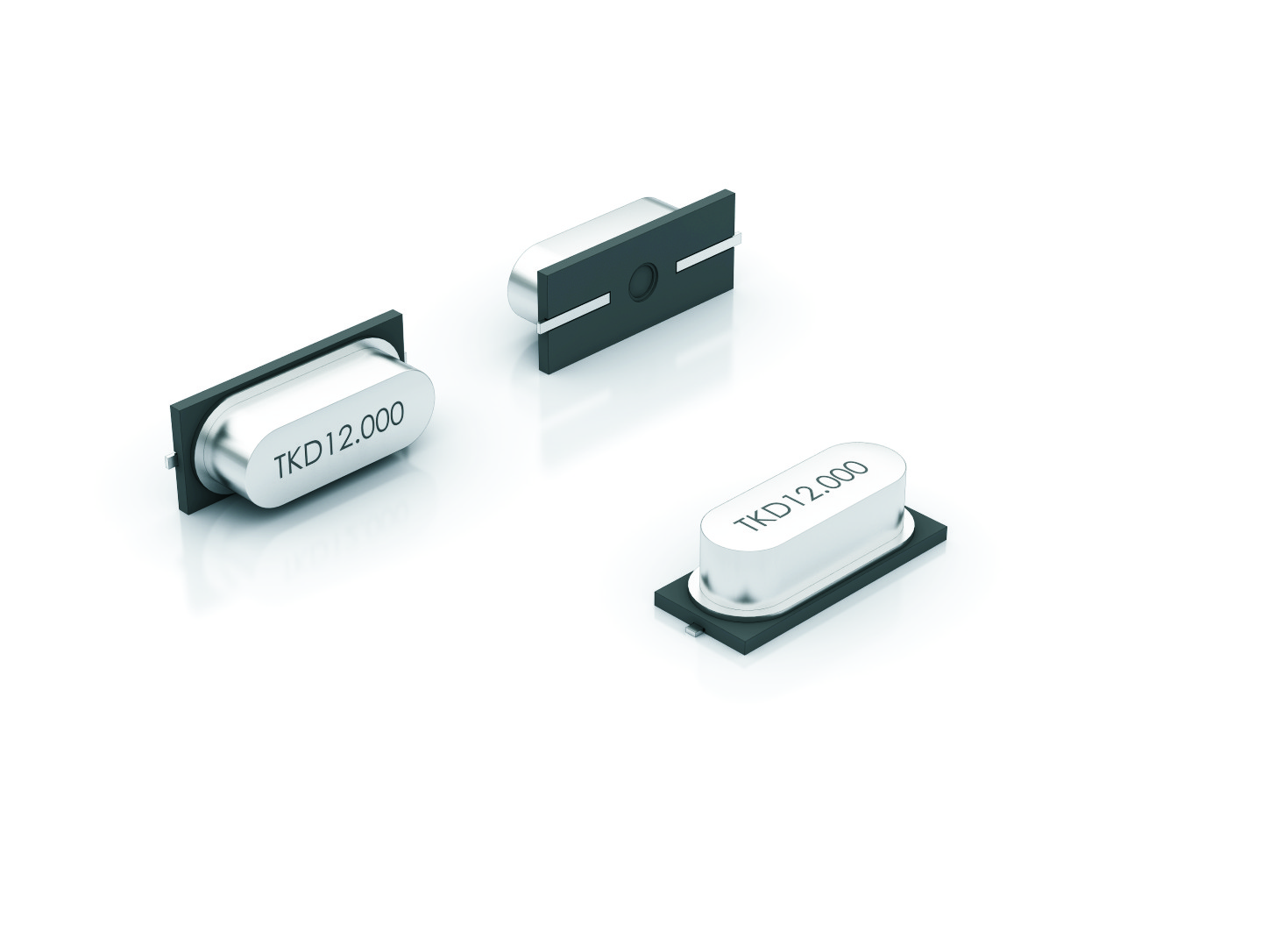
Piezoelectric
Source high-quality piezoelectric components in bulk from vetted manufacturers and suppliers. Designed for importers, distributors, and electronics brands seeking reliable OEM production, our network delivers precision piezo ceramics, sensors, and transducers tailored to your exact frequency and capacitance requirements.
Sourcing piezoelectric components in commercial volumes requires navigating strict tolerances in material science and manufacturing. Whether you are procuring piezo buzzers, ultrasonic transducers, or precision actuators, the core challenge remains the same: ensuring batch-to-batch consistency. Variations in the ceramic formulation, sintering temperature, or the poling process can drastically alter the resonant frequency and capacitance of the final component, leading to high failure rates in your assembled products.
Critical Specifications for Your RFQ
When approaching piezoelectric manufacturers, a generic specification sheet will result in inconsistent prototypes. Piezoelectric ceramics (most commonly PZT, or Lead Zirconate Titanate) are highly sensitive to their operating environment. To ensure accurate pricing and performance, your RFQ must explicitly define the following parameters.
| Parameter | Application Impact | Typical Tolerance |
|---|---|---|
| Resonant Frequency (Fr) | Determines the optimal operating point for transducers and buzzers. | ±2% to ±5% |
| Static Capacitance (C0) | Affects impedance matching with the driving circuit. | ±10% to ±20% |
| Coupling Coefficient (Kp/Kt) | Defines the efficiency of converting electrical to mechanical energy. | Minimum threshold specified |
| Mechanical Quality Factor (Qm) | Dictates bandwidth and heat generation during continuous resonance. | ±20% |
Struggling to lock down consistent specifications with your current supplier? Let us help you standardize your piezo procurement.
Talk to our teamManufacturing Variables That Dictate Quality
The performance of a piezoelectric element is won or lost on the factory floor. The transformation of raw ceramic powder into a functional electromechanical component involves several highly sensitive steps.
Milling and Calcining
Raw materials (lead oxide, zirconium oxide, titanium oxide) are milled and heated. Inconsistent mixing here leads to uneven electrical properties across a single batch.
Pressing and Sintering
The powder is pressed into discs, rings, or custom shapes, then sintered at high temperatures. Poor temperature control causes structural micro-cracks or incorrect grain sizes.
Electroding
Silver or gold paste is screen-printed onto the ceramic and fired. Poor adhesion results in electrode delamination during soldering or under high-vibration use.
Poling
The ceramic is heated in an oil bath and subjected to a high DC voltage field to align its internal dipoles. Incomplete poling leaves the component with a weak piezoelectric effect.
Because visual inspection cannot detect poorly poled or micro-cracked ceramics, verifying the supplier's testing infrastructure is critical. Before committing to a large order, conducting comprehensive Factory Audits ensures the manufacturer has automated impedance analyzers, temperature cycling chambers, and rigorous in-line quality controls, rather than relying solely on end-of-line batch sampling.
The RoHS Compliance Challenge
A major hurdle in sourcing piezoelectric components is regulatory compliance. The most efficient and widely used piezoelectric material, PZT, contains over 60 percent lead by weight.
RoHS Exemption 7(c)-I
Under current RoHS directives, lead in piezoelectric devices is permitted under Exemption 7(c)-I (electrical and electronic components containing lead in a glass or ceramic). However, your supplier must provide valid, up-to-date documentation proving they meet the specific conditions of this exemption.
Relying on a supplier's word for chemical compliance is a massive risk for importers. Integrating professional Compliance & Testing into your supply chain ensures your shipments will not be seized at customs or rejected by downstream distributors.
Pricing, MOQs, and Lead Times
Piezoelectric component pricing is heavily driven by material volume, dimensional precision, and the complexity of the electrode pattern. Standardized shapes (like 20mm buzzer discs) are highly commoditized, while custom ultrasonic transducer arrays command premium pricing and tooling fees.
Note: Custom formulations (e.g., high-temperature bismuth titanate or lead-free alternatives like KNN) will significantly increase both the MOQ and the per-unit cost.
Need to negotiate better terms or consolidate your component supply chain? We manage the end-to-end procurement process.
Get a free consultationFrequently Asked Questions
Sourcing piezoelectric components requires a deep understanding of both electromechanical specifications and ceramic manufacturing processes. By partnering with experts who understand the nuances of poling, electroding, and compliance, you can eliminate batch inconsistencies and secure a reliable supply chain for your production lines.
Get Sourcing Help for Piezoelectric
Tell us your requirements and our experts will connect you with verified manufacturers.