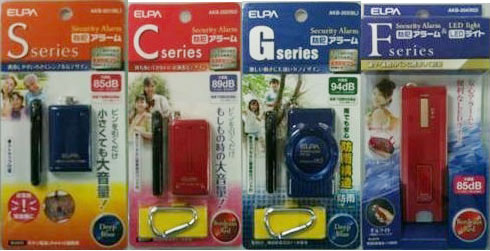
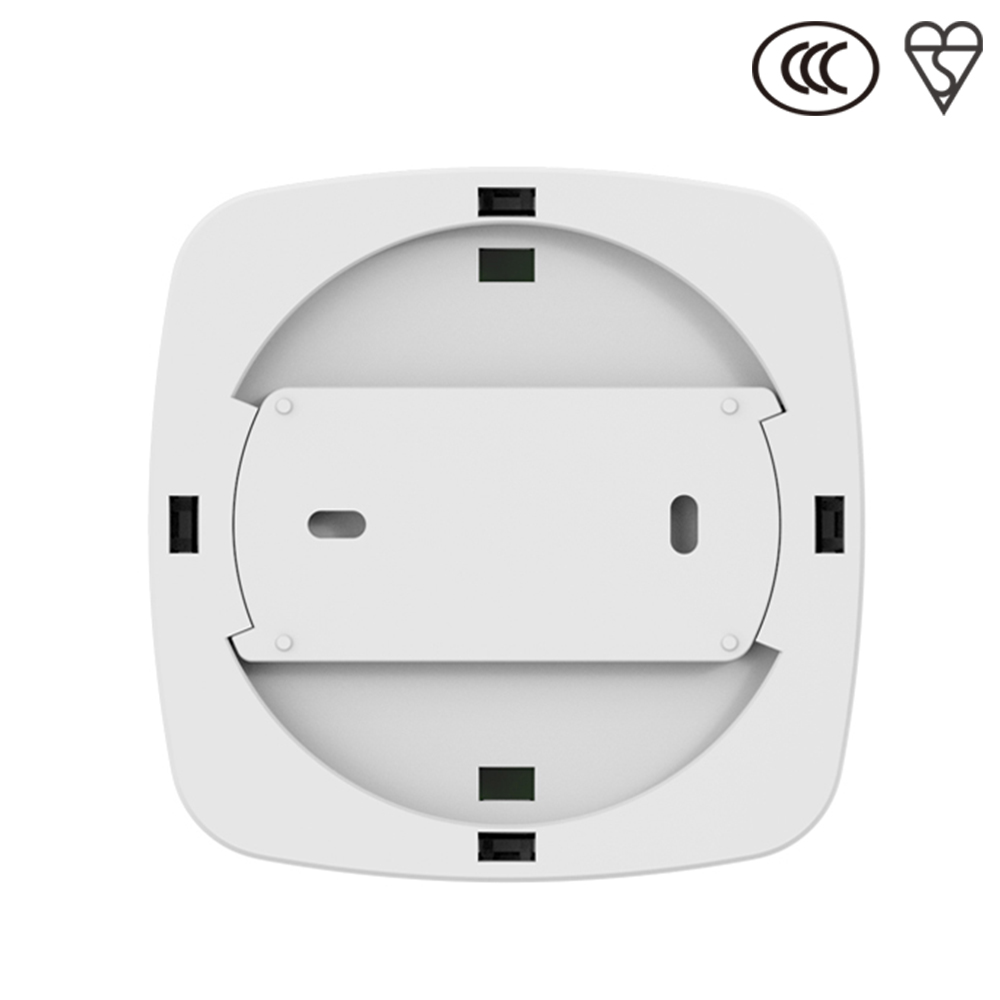
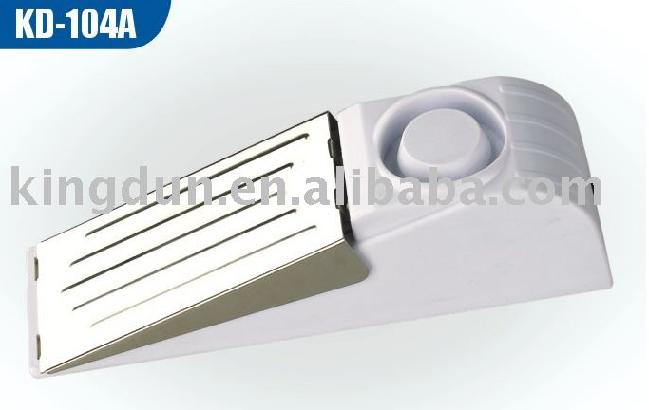
Personal Alarms
Source reliable personal alarms in bulk directly from vetted manufacturers. Designed for importers, wholesalers, distributors, and brands seeking OEM/private-label production, our supply chain ensures rigorous quality control and compliance for high-decibel, battery-operated safety devices.
Sourcing personal alarms at scale requires balancing unit cost with absolute reliability. Because these are safety devices, a unit that fails to sound during an emergency—or triggers accidentally in a warehouse—can destroy brand trust instantly. The core procurement challenge lies in securing consistent piezoelectric buzzer performance, managing battery shelf-life, and ensuring precise activation tolerances across high-volume production runs.
Core Specifications Dictating Performance
A personal alarm is mechanically simple, but variations in component quality drastically affect the final product. When evaluating factory samples, buyers must specify exact parameters rather than relying on standard catalog descriptions.
- Acoustic Output (Decibels): Most factories claim 120dB to 140dB. However, you must specify the measurement distance. A buzzer measuring 130dB at the source (0 meters) may only register at 100dB at 1 meter. Always specify "dB at 1 meter distance" in your purchase orders.
- Activation Mechanism: The standard is a metal or plastic pull-pin attached to a keychain. The friction tolerance of this pin is critical; it must resist accidental pulls (e.g., snagging in a bag) but deploy smoothly under panic conditions.
- Auxiliary Features: Many models include LED strobe lights (measured in lumens) to disorient attackers or signal for help.
| Specification | Button Cell (LR44 / CR2032) | Li-ion Rechargeable (Type-C) |
|---|---|---|
| Unit Cost | Lower | Higher |
| Standby Life | 12 to 24 months | 6 to 12 months (requires top-up) |
| Siren Duration | 30 to 45 minutes continuous | Up to 90 minutes continuous |
| Target Market | Promotional, budget retail | Premium retail, eco-conscious brands |
Factory Floor Realities and Quality Risks
The majority of personal alarm manufacturers are concentrated in Shenzhen and Dongguan, leveraging the region's robust PCB and plastic injection molding supply chains. While the assembly process is straightforward, quality is won or lost in component sourcing and final assembly testing.
A common defect in lower-tier factories is "parasitic drain," where a poorly designed PCB slowly draws power even when the alarm is inactive, resulting in dead units upon arrival.
Struggling with inconsistent factory samples? Let us standardize your specifications and vet capable manufacturers.
Talk to our teamTo mitigate these risks, comprehensive Quality Control & Inspection is mandatory. Relying solely on factory self-reporting for safety devices is a high-risk strategy.
Critical Pre-Shipment Inspection Checks
- Decibel meter testing at exactly 1 meter distance in a soundproof environment.
- Pull-pin tension testing using a digital force gauge (typically requiring 1.5 to 2.5 kg of force).
- Battery voltage checks to ensure no parasitic drain during the production and packaging window.
- Drop testing (typically 1 meter onto concrete) to verify ABS casing integrity and internal solder joint strength.
Customization, OEM, and Compliance
For brands looking to differentiate, personal alarms offer excellent margins for customized designs. Through OEM/ODM Services, buyers can modify the outer ABS shell, add soft-touch silicone coatings, or integrate dual-activation methods (e.g., pull-pin plus a double-click SOS button).
Because these devices contain electronics and batteries, they are subject to strict regulatory standards. Ensure your supplier can provide valid documentation for CE and RoHS for the European market, or FCC if the device includes smart features like Bluetooth tracking. Furthermore, any alarm shipping with batteries must comply with UN38.3 regulations for safe transport. Managing these certifications through proper Compliance & Testing prevents costly customs delays.
Pricing, MOQs, and Lead Times
Pricing for personal alarms is highly elastic, driven primarily by the battery type, the quality of the piezoelectric speaker, and the degree of custom tooling required.
Ready to scale your personal alarm inventory? We handle the negotiation, quality control, and logistics.
Get a free consultationBuyer FAQ
Sourcing personal alarms requires strict attention to component quality and assembly tolerances to ensure the device performs exactly when needed. By defining clear acoustic standards, enforcing strict pull-pin tension requirements, and auditing the PCB for battery drain, bulk buyers can secure reliable, high-margin safety products.
Get Sourcing Help for Personal Alarms
Tell us your requirements and our experts will connect you with verified manufacturers.