Paper Product Processing Lines
Source industrial-grade Paper Product Processing Lines from vetted suppliers and manufacturers in China. Designed for importers, distributors, and large-scale production facilities, our catalog covers high-speed, automated converting machinery for bulk manufacturing. Find reliable OEM partners for your production line expansion today.
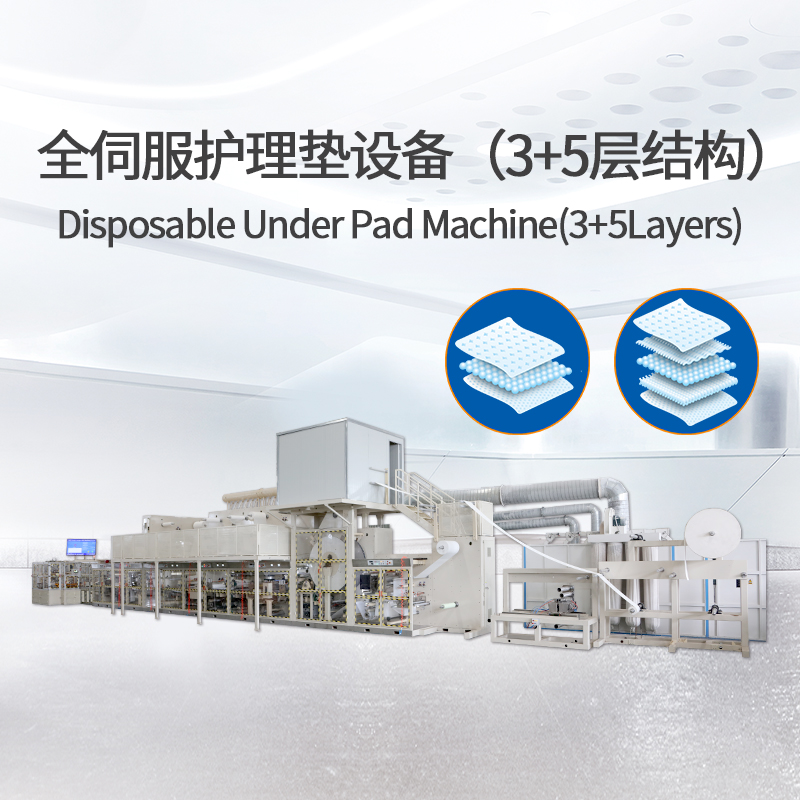
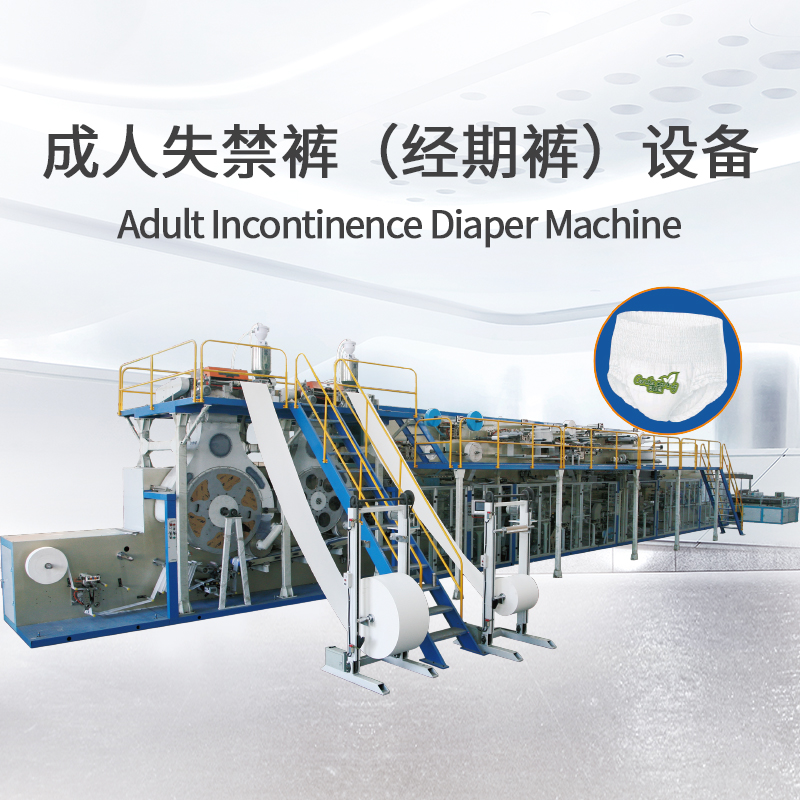
Sourcing a complete paper product processing line requires balancing theoretical output speeds against long-term mechanical stability. Whether you are scaling up converting operations, packaging manufacturing, or specialized paper forming, the difference between a highly profitable line and a maintenance liability lies in the underlying component architecture and system integration. Procuring industrial machinery overseas demands strict oversight of technical specifications, electrical standards, and pre-shipment validation.
Core Specifications and Component Architecture
The performance of paper processing machinery is dictated by its drive systems, control electronics, and the metallurgy of its wear parts. Buyers must specify exact requirements rather than accepting off-the-shelf configurations, as domestic Chinese market standards often differ from export requirements.
| System Component | Standard Configuration | High-Performance / Export Grade |
|---|---|---|
| Drive System | Mechanical / Chain-driven (higher maintenance) | Full Servo Motor (Multi-axis synchronization) |
| Control Unit & HMI | Domestic PLC (e.g., Inovance, Delta) | Imported PLC (Siemens, Allen-Bradley, Mitsubishi) |
| Cutting & Slitting | Standard alloy steel blades | Tungsten carbide or High-Speed Steel (HSS) |
| Pneumatics | Local brand cylinders and valves | SMC, Festo, or Airtac components |
When negotiating with manufacturers, clearly define the difference between "design speed" and "stable running speed." A machine rated for a design speed of 200 meters per minute may only run stably at 150 meters per minute without excessive vibration or paper tearing.
Need help verifying technical specifications with a manufacturer? Our engineering team can review machine blueprints and component lists to ensure they meet your production targets.
Discuss your projectManufacturing Oversight and the Factory Acceptance Test (FAT)
Paper processing lines are rarely plug-and-play. They are custom-assembled based on your raw material width, core diameter, and finished product dimensions. Quality control cannot wait until the machine arrives at your port; it must be executed on the factory floor before the final balance is paid.
This makes comprehensive Quality Control & Inspection essential. The cornerstone of machinery sourcing is the Factory Acceptance Test (FAT).
Critical FAT Protocol for Paper Processing Lines
- Continuous Run Test: Operate the machine at 90 percent of maximum rated speed for a minimum of 4 continuous hours using your exact raw paper specifications.
- Electrical Compliance: Verify that cabinet wiring follows CE/UL/CSA standards, with clear English labeling and proper grounding.
- Safety Interlocks: Test all emergency stops, light curtains, and physical guarding mechanisms.
- HMI Verification: Ensure the interface is fully translated into your required language, with no hard-coded Chinese error messages.
- Output Tolerance: Measure the finished product (cut length, fold accuracy, embossing depth) against strict dimensional tolerances.
Before committing to a high-value machinery order, conducting Factory Audits is highly recommended. You must verify that the supplier actually has the in-house CNC machining capabilities to produce precision rollers and frames, rather than just acting as a final assembly workshop for outsourced, lower-tier parts.
Lead Times, Pricing, and Heavy Logistics
Procuring heavy industrial lines involves longer lead times and complex shipping arrangements.
Pricing is heavily influenced by the level of automation. Upgrading from a mechanical cam-driven system to a fully servo-driven line can increase the machine cost by 30 to 50 percent, but drastically reduces changeover times and mechanical wear.
Furthermore, shipping a 15-meter processing line requires specialized logistics. Depending on the dimensions, the line may need to be broken down into multiple 40HQ containers or shipped via Open Top or Flat Rack containers. Coordinating Shipping & Freight early in the production process prevents costly delays at the port and ensures the machinery is properly treated with anti-rust coatings and vacuum-sealed packaging before transit.
Planning a major machinery import? Let us handle the supplier negotiation, FAT execution, and heavy freight logistics.
Speak to an expertFrequently Asked Questions
Successful procurement of paper product processing lines requires looking past the initial quotation. By specifying international-grade components, enforcing rigorous pre-shipment testing, and planning for complex logistics, buyers can secure high-performance machinery that delivers a rapid return on investment.
Get Sourcing Help for Paper Product Processing Lines
Tell us your requirements and our experts will connect you with verified manufacturers.