Packaging Lines
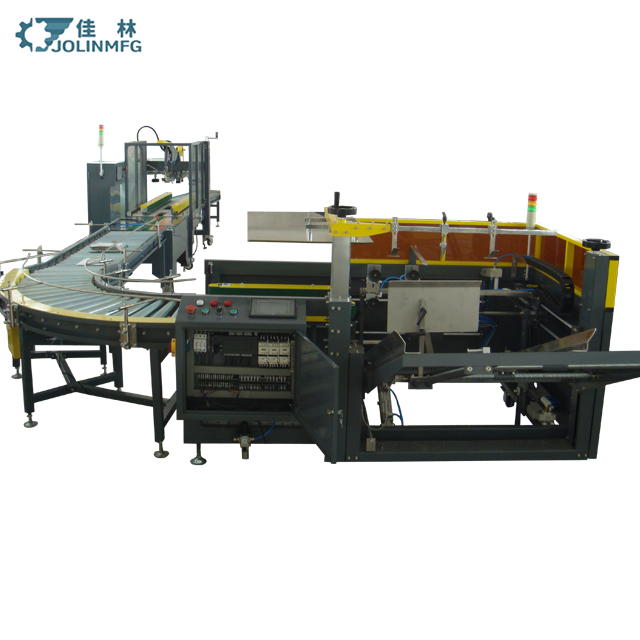
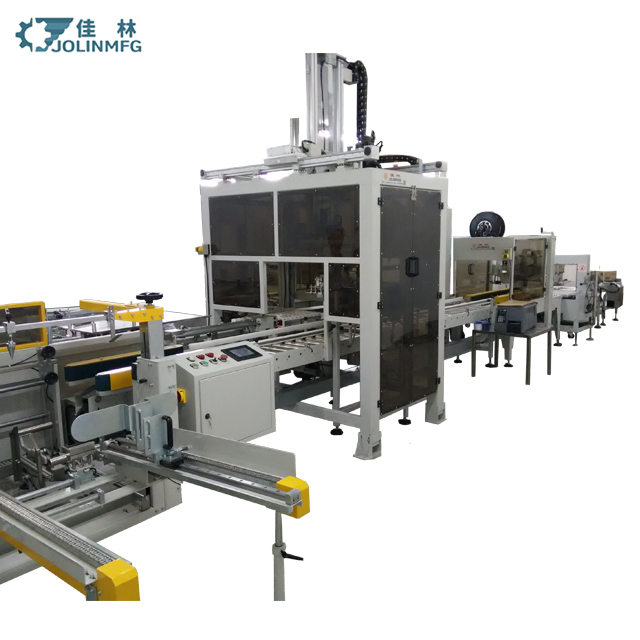
Source high-performance packaging lines from vetted manufacturers and suppliers across Asia. Designed for industrial importers, distributors, and brands scaling their production, these turnkey systems ensure efficiency and compliance. Contact us for direct wholesale pricing and custom OEM/ODM configurations.
Sourcing a complete packaging line is rarely as simple as connecting individual machines end-to-end. The primary challenge lies in systems integration—ensuring that the unscrambler, filler, capper, labeler, and cartoner communicate seamlessly without creating micro-stoppages or bottlenecking throughput. When procuring turnkey lines from overseas manufacturers, success depends on rigorous specification of control architectures, precise mechanical synchronization, and ironclad validation protocols before the equipment ever leaves the factory floor.
Defining Control Architectures and Components
The reliability of a packaging line is dictated by its nervous system: the Programmable Logic Controller (PLC), servo motors, Variable Frequency Drives (VFDs), and pneumatics. Many overseas manufacturers default to domestic component brands to keep costs low. While these are sufficient for lower-speed operations, high-throughput lines requiring strict Overall Equipment Effectiveness (OEE) demand internationally supported components.
When specifying your line, you must explicitly define the bill of materials (BOM) for the electrical and pneumatic systems. If a component fails three years post-installation, your maintenance team needs to be able to source a replacement locally.
| System Tier | Typical PLC / Servos | Typical Pneumatics | Best Application |
|---|---|---|---|
| Economy / Domestic | Delta, Xinje, Inovance | AirTAC | Low-speed, localized production where budget is the primary constraint. |
| Mid-Range / Export | Mitsubishi, Omron, Panasonic | SMC | Standard FMCG production with moderate throughput and standard changeovers. |
| Enterprise / Global | Siemens, Allen-Bradley | Festo | High-speed pharmaceutical, food & beverage, or complex multi-format lines. |
Factory Acceptance Testing (FAT) Protocols
The most critical phase of procuring a packaging line is the Factory Acceptance Test (FAT). You cannot afford to discover integration failures or software bugs during site installation. The FAT must simulate your actual production environment using your specific packaging materials (bottles, caps, labels, cartons, and fluid/product simulants).
Relying solely on a video sent by the supplier is a severe risk. Professional buyers utilize rigorous Quality Control & Inspection teams with mechanical engineering backgrounds to conduct the FAT on-site.
Critical FAT Verification Points
- Continuous Run Test: Minimum 4 to 8 hours of uninterrupted operation at the contracted speed to monitor for thermal faults or micro-stoppages.
- Changeover Validation: Time and verify the process of switching tooling between different container sizes or formats.
- Reject System Accuracy: Trigger deliberate faults (e.g., missing cap, crooked label) to ensure the sensor and pneumatic reject systems fire accurately at high speeds.
- Safety Interlock Testing: Verify that opening safety guarding immediately halts the relevant machine section without desynchronizing the line.
- Electrical & Pneumatic Routing: Inspect cable trays, wire labeling, and air hose routing for compliance with CE/UL standards.
Planning a complex packaging line procurement? Our engineering teams can manage supplier technical negotiations and execute rigorous on-site FAT protocols on your behalf.
Discuss your projectSupplier Capabilities and Vetting
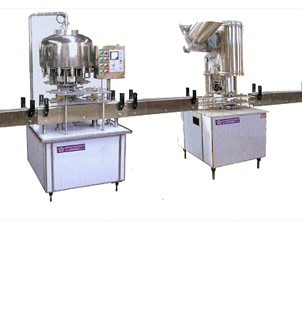
Not all packaging machine builders are capable of delivering full lines. Many specialize in just one or two machines (e.g., liquid fillers) and will outsource the cappers and labelers from neighboring factories, painting them to match and selling them as a unified system.
While this "integrator" model is standard, the risk lies in fragmented software integration. If the filler uses a Siemens PLC but the outsourced labeler runs on a localized Delta PLC, handshaking between the machines can be problematic. Conducting thorough Factory Audits prior to placing a deposit is essential to determine whether the supplier has a dedicated automation engineering team capable of programming a centralized Human-Machine Interface (HMI) that oversees the entire line.
Pricing, Lead Times, and Logistics
Turnkey packaging lines are capital expenditure (CapEx) projects requiring careful cash flow and logistics planning. Standard payment terms are typically 30% deposit (T/T), 60% after a successful FAT, and 10% after Site Acceptance Testing (SAT) or commissioning.
Because packaging lines consist of oversized, delicate equipment, standard container loading is insufficient. Machinery must be vacuum-sealed in foil (to prevent maritime corrosion), secured in fumigated wooden crates, and properly lashed. Coordinating this specialized Shipping & Freight is critical to ensure the equipment arrives without bent frames or damaged sensors.
Need accurate pricing and lead-time estimates for a custom packaging line? We help buyers negotiate favorable payment terms and manage the entire production schedule.
Talk to our teamFrequently Asked Questions
Successfully sourcing a packaging line requires treating the procurement not as a simple equipment purchase, but as an engineering integration project. By clearly defining your control architecture, validating the supplier's software capabilities, and enforcing a strict FAT, you can secure high-performance automation at a highly competitive price point. Having experienced technical oversight on the ground in Asia is often the difference between a smooth installation and months of costly troubleshooting.
Get Sourcing Help for Packaging Lines
Tell us your requirements and our experts will connect you with verified manufacturers.