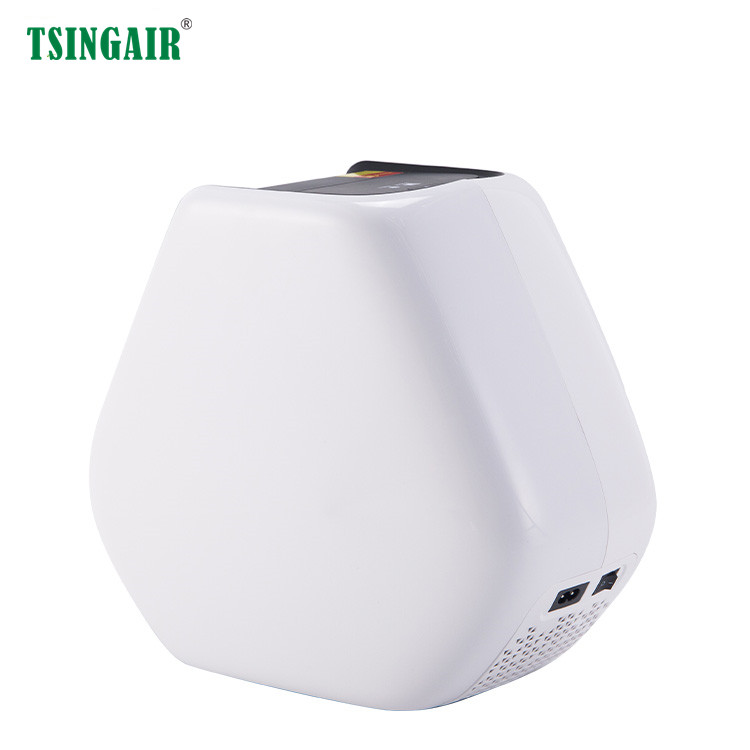
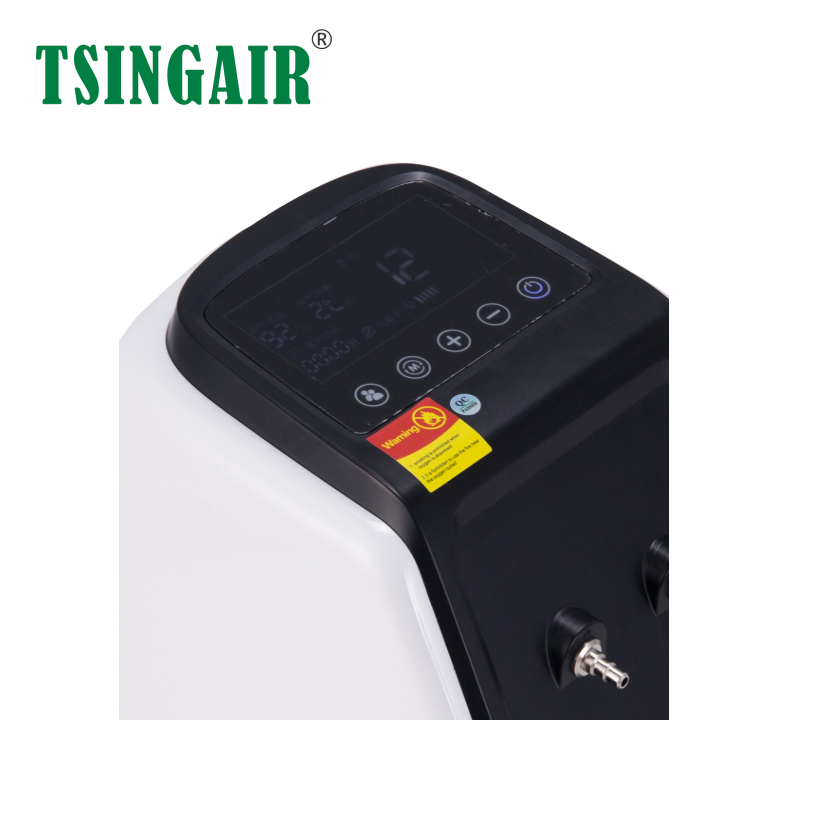
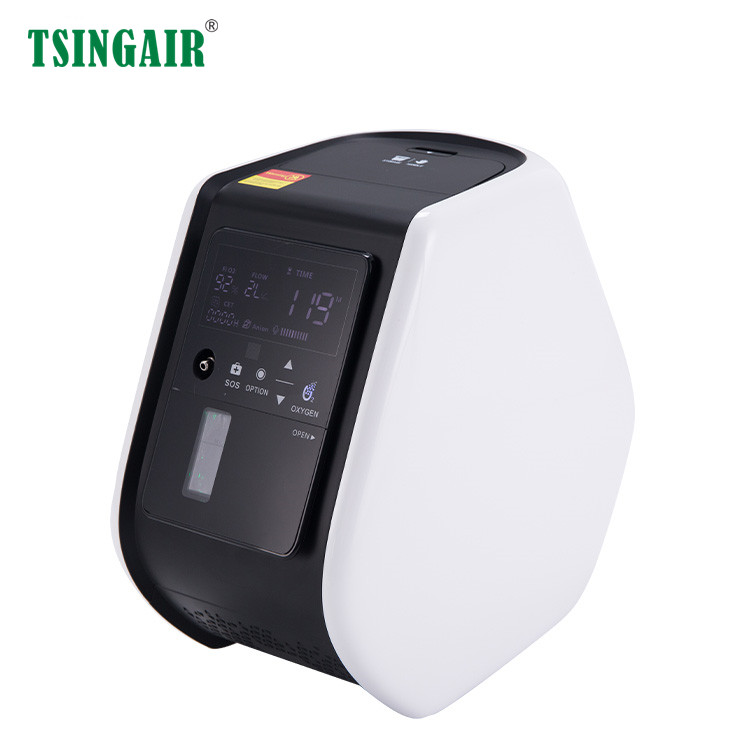
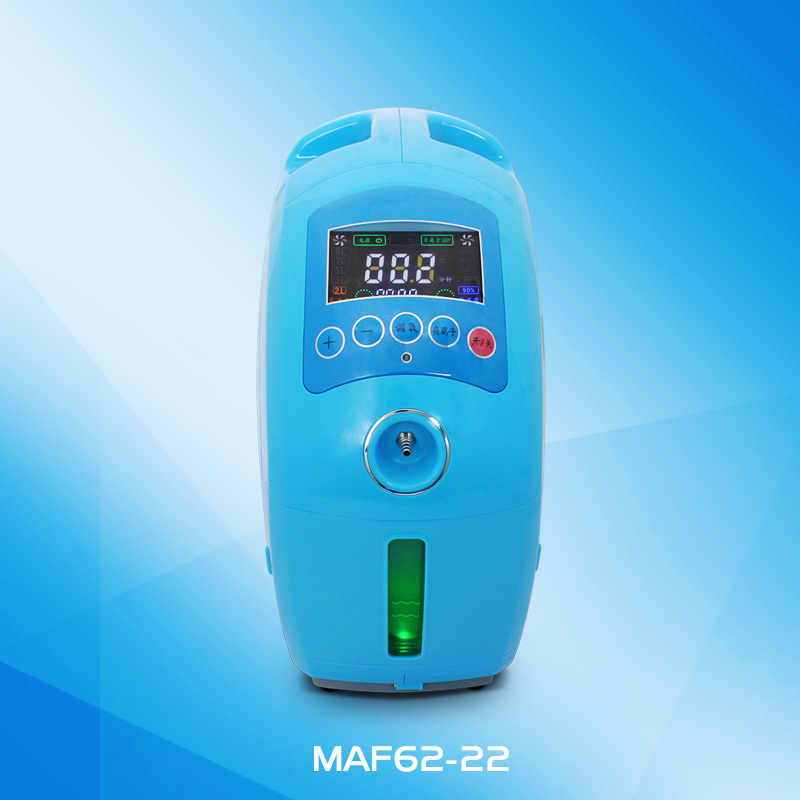
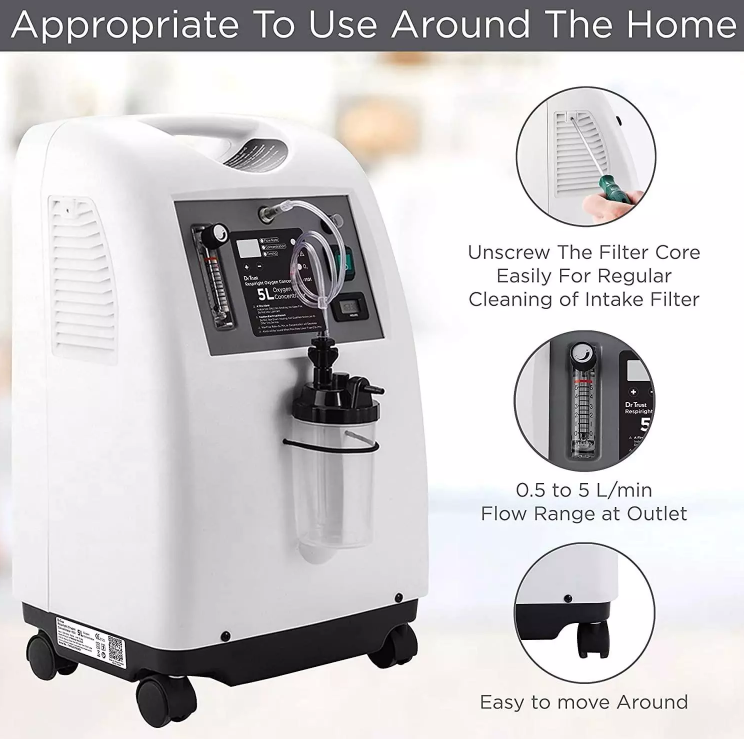
Oxygen Concentrators
Source medical-grade and household oxygen concentrators from vetted manufacturers and suppliers. Designed for importers, healthcare distributors, and brands seeking reliable bulk purchasing or OEM/private-label production. Ensure strict quality compliance and stable supply chains for your volume orders.
Sourcing oxygen concentrators requires more than just finding a capable assembly line. It demands rigorous verification of component origins, strict adherence to medical device standards, and consistent quality management. Whether you are supplying clinical facilities or the homecare market, the reliability of the internal compressor and molecular sieve beds dictates the product's lifespan and your brand's reputation.
Core Specifications and Component Sourcing
An oxygen concentrator is only as reliable as its internal components. When evaluating a factory's technical capabilities, professional buyers must drill down into the bill of materials (BOM). The difference between a unit that fails after 3,000 hours and one that runs flawlessly for 15,000 hours lies in the core hardware.
Critical Components to Verify
- Molecular Sieve Beds: Specify the origin. Premium units typically use lithium-based molecular sieves from recognized suppliers (e.g., CECA in France or specific US manufacturers) rather than generic sodium-based alternatives.
- Compressor Quality: Require oil-free copper compressors. Thomas or GSE are industry standards, though high-tier Chinese domestic brands offer viable alternatives for budget-conscious models.
- Oxygen Purity Sensors (OSI): Ensure the unit includes an ultrasonic oxygen sensor that triggers an alarm if purity drops below 82 percent.
- Cooling Systems: Heat degrades sieve beds rapidly. Verify the size of the cooling fan and the presence of aluminum heat sinks.
Navigating component specifications and factory capabilities is complex. Let us help you identify manufacturers that use genuine, high-grade internal components.
Talk to our teamManufacturing Standards and Quality Control
Oxygen concentrators are classified as medical devices in most jurisdictions (Class II in the US, Class IIa under EU MDR). You cannot rely on standard consumer electronics manufacturing processes. The facility must operate under ISO 13485 quality management systems, and verifying this certification is non-negotiable.
Conducting thorough Factory Audits before placing an order is critical to ensure the supplier actually manufactures the units rather than just trading them, and that they maintain the necessary cleanroom environments for sieve bed filling.
During production, quality control must focus on continuous performance. Standard AQL (Acceptable Quality Limit) inspections are insufficient on their own.
Sieve Bed Filling Inspection
Sieve beds must be filled in a low-humidity environment. Moisture contamination during assembly permanently reduces oxygen output.
Aging and Continuous Run Testing
Units should be run continuously for 24 to 72 hours on the factory floor to identify early compressor failures or pressure leaks.
Purity and Flow Verification
Testing must confirm that oxygen purity remains at 93 percent (±3 percent) across all flow settings, not just at the lowest output.
Implementing independent Quality Control & Inspection prior to shipment is the only way to guarantee that the units loaded into the container meet the exact specifications agreed upon in your contract.
OEM/ODM and Customization Options
For brands looking to establish their own line of respiratory equipment, Chinese manufacturers offer extensive OEM/ODM Services. While developing a completely custom housing requires significant tooling investment, most buyers opt for white-labeling existing proven chassis while customizing the interface and features.
| Customization Level | Typical Requirements | Best For |
|---|---|---|
| White-Label (Basic OEM) | Logo printing, custom packaging, localized manuals | Distributors wanting fast time-to-market with low MOQs |
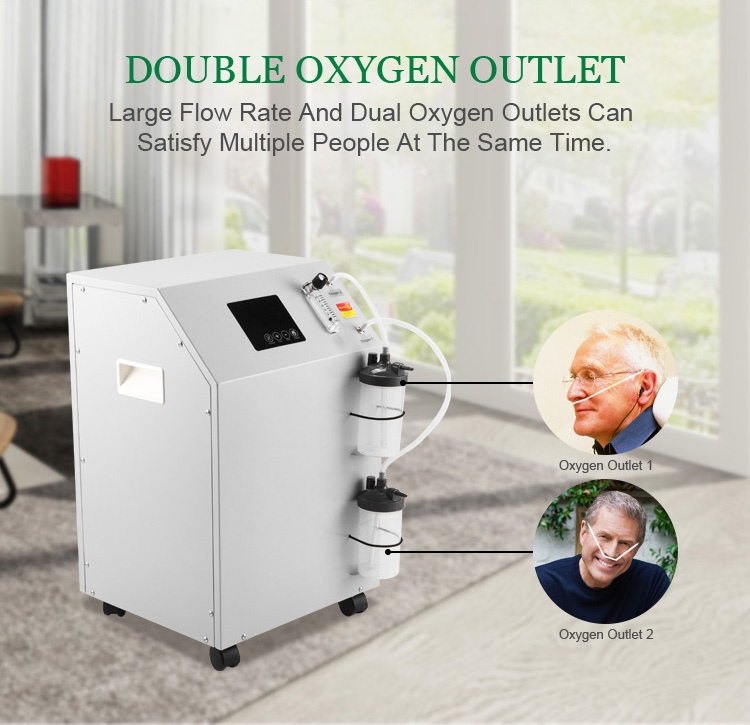
| Feature Customization | Adding nebulizer functions, dual-flow outputs, voice prompts, custom LCDs | Brands targeting specific homecare or clinical niches |
| Full ODM | Custom housing molds, proprietary PCB design, custom footprint | Established medical brands requiring exclusive product lines |
Buying Mechanics: Pricing, MOQs, and Lead Times
Pricing for oxygen concentrators scales directly with the maximum flow rate (e.g., 3L, 5L, 10L) and the origin of the core components. A 5L medical-grade unit with imported sieve beds and compressors will command a premium over a 3L unit designed for general wellness using domestic parts.
Need accurate pricing and lead times for your specific volume requirements? We can connect you with audited manufacturers that match your exact needs.
Get a free consultationFrequently Asked Questions
Successfully importing oxygen concentrators requires balancing aggressive pricing with uncompromising clinical reliability. By focusing your sourcing efforts on component transparency and robust in-line quality control, you can build a resilient supply chain that protects both your margins and the end-user.
Get Sourcing Help for Oxygen Concentrators
Tell us your requirements and our experts will connect you with verified manufacturers.