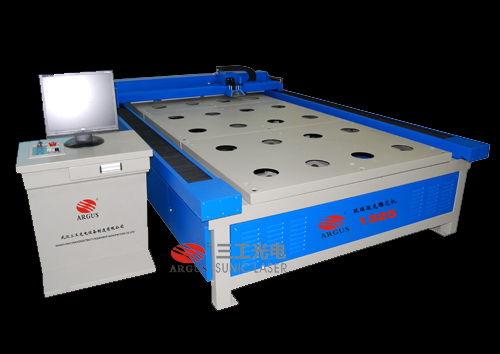
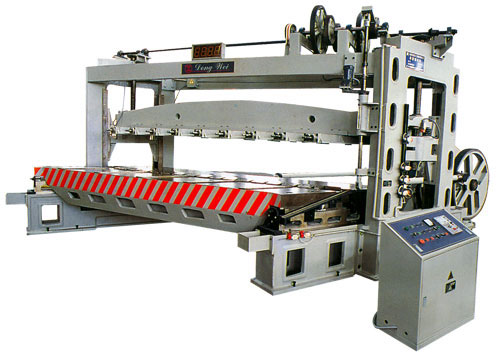
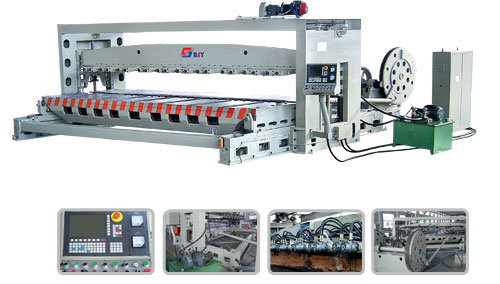
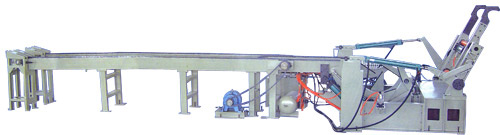
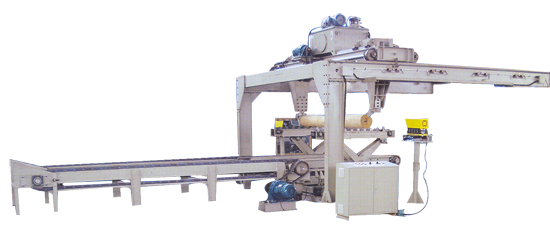
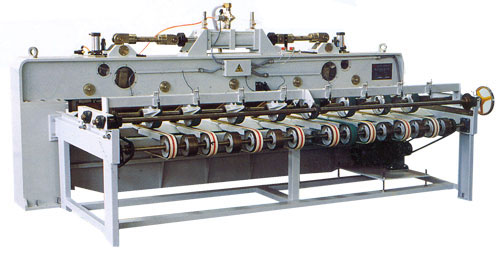
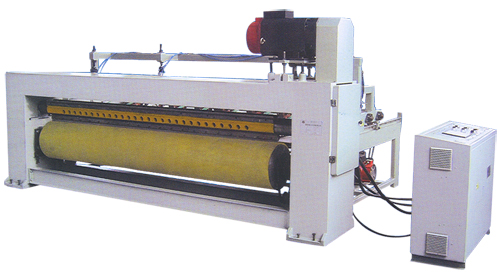
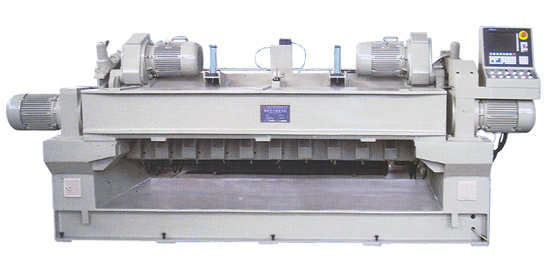
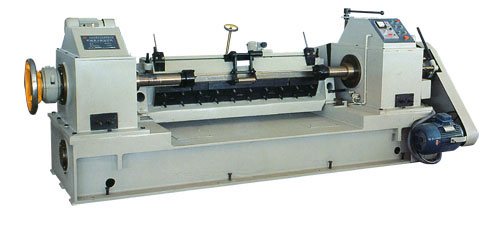
Other Woodworking Machinery
Source Other Woodworking Machinery from vetted Chinese manufacturers and suppliers. Designed for importers, wholesalers, and industrial brands seeking reliable bulk purchasing or OEM production. Secure competitive wholesale pricing on specialized woodworking equipment with strict quality control.
Sourcing auxiliary and specialized woodworking machinery—ranging from industrial dust extraction systems and briquette presses to veneer splicers and specialized dowel machines—requires navigating a highly fragmented manufacturing base. Because these machines fall outside the standard catalog of mainstream CNC or edge-bander factories, the primary procurement challenge is identifying genuine, specialized manufacturers rather than trading companies that simply re-label sub-contracted equipment.
For commercial buyers, securing reliable performance means digging into component origins, electrical compliance, and the structural integrity of the machinery before committing to a volume order.
Defining Technical and Electrical Specifications
Auxiliary woodworking machinery often operates in high-dust, high-vibration environments. When negotiating specifications with a factory, standard off-the-shelf configurations are rarely sufficient for heavy industrial end-users.
You must explicitly define the motor specifications, bearing types, and electrical enclosures. Relying on default factory specs often results in machinery equipped with localized components that fail under continuous commercial use or fail to meet destination-market electrical codes.
| Component / Spec | Standard Export Configuration | Heavy Industrial Requirement |
|---|---|---|
| Motor Duty | S3 (Intermittent) | S1 (Continuous duty) |
| Electrical Enclosure | IP44 (Basic splash protection) | IP54 or IP55 (Dust-proof) |
| Frame Construction | Stamped or welded sheet metal | Cast iron or heavy-gauge ribbed steel |
| Bearings | Generic domestic brands | SKF, NSK, or equivalent premium brands |
Struggling to find a manufacturer that meets your exact technical requirements? Let us connect you with vetted factories.
Talk to our teamManufacturing Tolerances and Quality Control
The durability of specialized woodworking machinery is determined on the factory floor during machining and assembly. Many factories cut costs by using thinner gauge steel for machine bodies or by taking shortcuts in motor winding insulation.
To prevent premature equipment failure, strict oversight is required. Conducting comprehensive Factory Audits prior to finalizing your supplier choice ensures the facility actually possesses the heavy machining and testing equipment necessary to produce the machinery, rather than merely assembling outsourced parts.
Critical Inspection Points for Specialized Machinery
- Verify motor nameplates match the agreed-upon S1 continuous duty rating and IP class.
- Inspect the thickness and weld quality of the main chassis (vibration dampening relies on mass).
- Check for proper grounding and wiring standards (CE/UL/CSA compliance).
- Ensure all moving parts and belts have adequate, compliant safety guarding installed.
- Test run the equipment under load to measure vibration and decibel levels.
Implementing rigorous Quality Control & Inspection protocols before the machinery leaves the factory floor is essential. Catching a misaligned spindle or a non-compliant electrical panel is significantly cheaper in the factory than dealing with a warranty claim from your end-user.
Pricing, MOQs, and Production Lead Times
Because "Other Woodworking Machinery" encompasses a wide variety of equipment, pricing and order terms vary significantly. However, production timelines and minimum order quantities follow predictable patterns based on the level of customization required.
Key Cost Drivers
- Electrical Certification: Upgrading a standard 380V/50Hz machine to a UL/CSA-certified 220V/440V 60Hz system for the North American market requires different motors, contactors, and wiring, typically adding 10 to 20 percent to the unit cost.
- Component Sourcing: Specifying internationally recognized brands for PLCs (e.g., Siemens, Delta) or pneumatics (e.g., SMC, Festo) will increase the baseline price but drastically reduce long-term maintenance issues.
- Customization: If you are utilizing OEM/ODM Services to develop a proprietary machine or modify an existing design for a specific niche, expect higher initial tooling costs and larger MOQs to offset the factory's engineering time.
Need to negotiate better terms or consolidate shipments from multiple machinery suppliers? We can manage the process.
Get a free consultationBuyer FAQ
Optimizing Your Machinery Supply Chain
Sourcing specialized woodworking machinery demands technical precision and strict supplier accountability. Success in this category requires moving beyond standard Alibaba searches and actively verifying factory capabilities, enforcing strict component standards, and managing the logistics of heavy industrial freight. By treating procurement as an engineered process, you can secure reliable machinery that protects your brand's reputation and your bottom line.
Get Sourcing Help for Other Woodworking Machinery
Tell us your requirements and our experts will connect you with verified manufacturers.