Other Welding Equipment
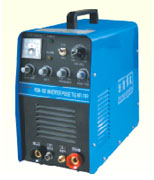
Source bulk and wholesale Other Welding Equipment from vetted manufacturers and factory partners. This category serves importers, industrial distributors, and brands seeking reliable OEM and private-label production for specialized welding machinery and support equipment. Secure competitive pricing on high-volume orders.
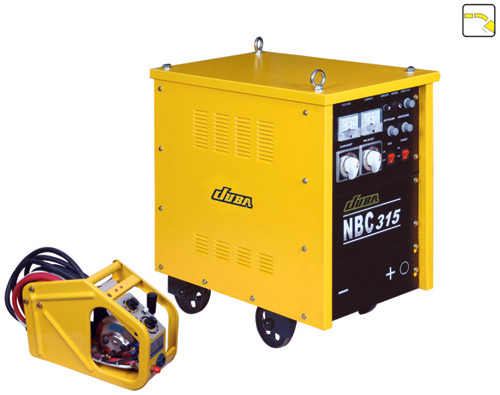
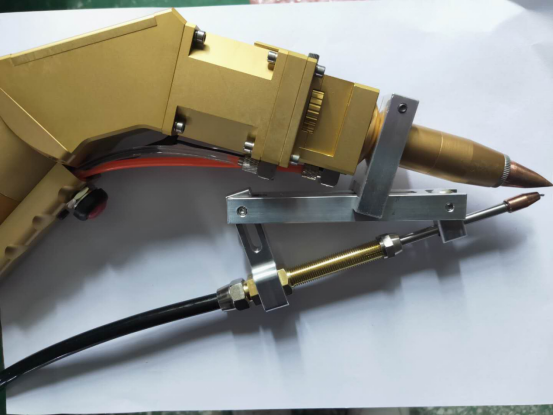
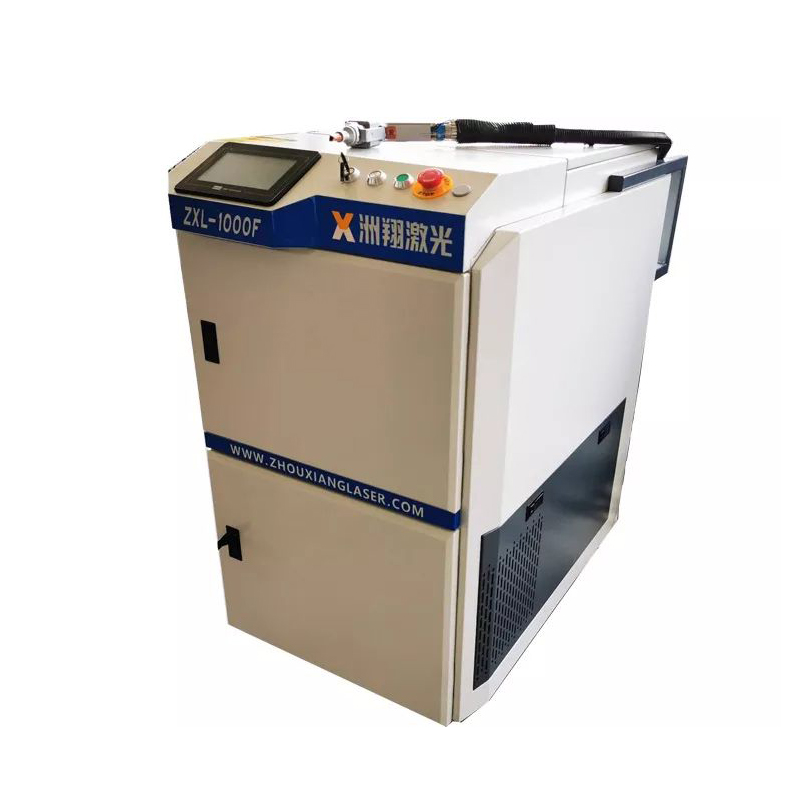
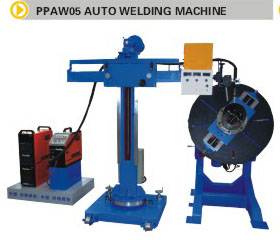
Sourcing specialized and ancillary welding equipment—ranging from spot welders and stud welding machines to ultrasonic welders and automated positioners—requires strict attention to electrical safety, duty cycles, and industrial durability. Because this category encompasses highly varied machinery, standardizing your technical requirements and verifying factory capabilities is critical to avoiding costly returns and safety liabilities.
Critical Specifications for Bulk Procurement
When ordering specialized welding equipment, the internal architecture dictates the machine's reliability in industrial settings. Buyers must clearly define electrical and performance parameters before production begins.
| Architecture | Transformer-Based | Inverter-Based |
|---|---|---|
| Weight & Footprint | Heavy, designed for stationary shop use | Lightweight, highly portable |
| Power Efficiency | Lower efficiency, higher operational cost | High efficiency, draws less input power |
| Control Systems | Basic analog controls | Advanced digital controls, programmable |
| Durability | Highly robust against dust and drops | Requires conformal coating to protect PCBs |
Beyond the core architecture, you must specify:
- Duty Cycle: The percentage of a 10-minute period the machine can operate at rated output without overheating. Industrial buyers typically demand duty cycles over 60 percent.
- Input Voltage & Phase: Ensure the factory configures the equipment for your target market (e.g., 110V/220V single-phase for light commercial, 480V three-phase for heavy industrial).
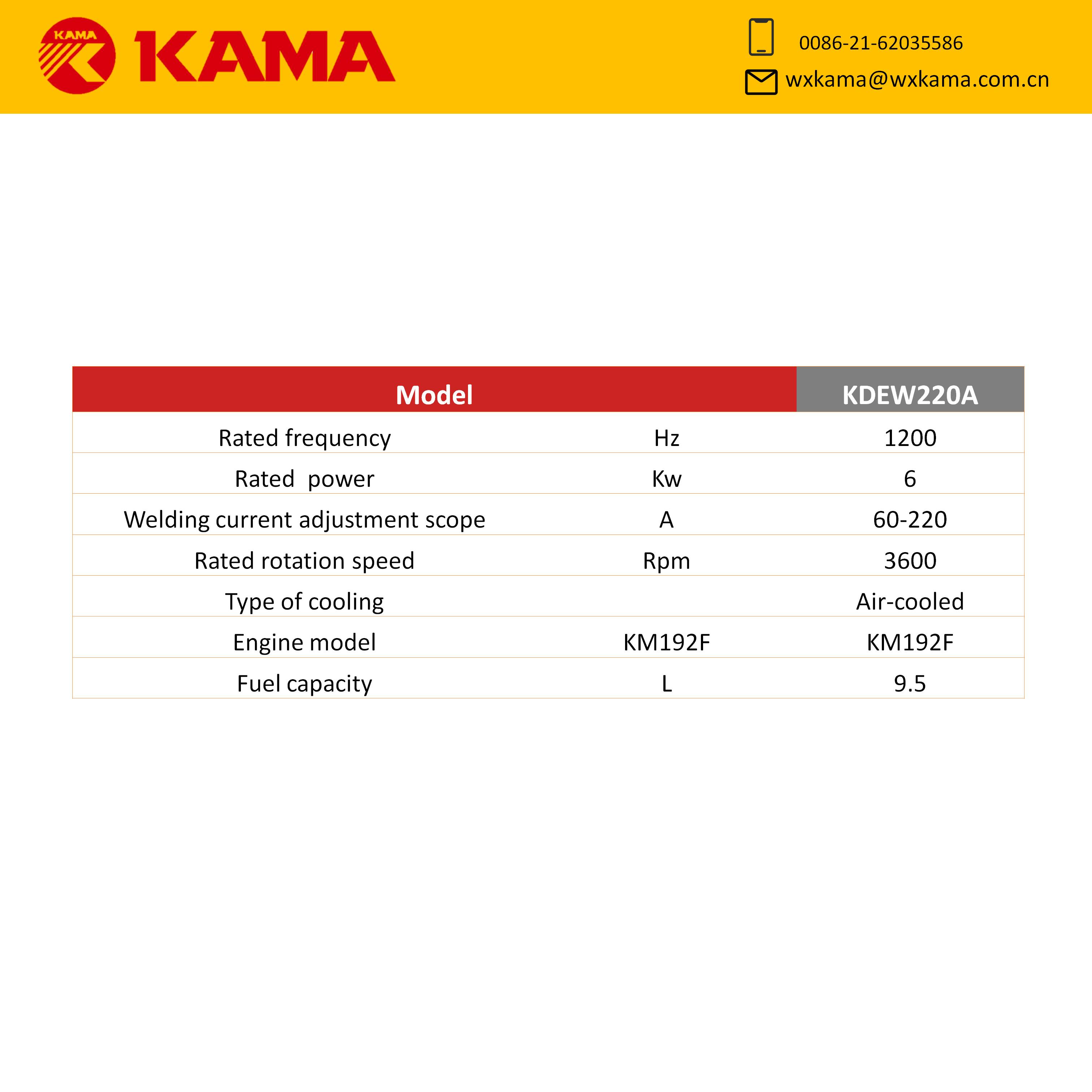
- Thermal Management: Specify the cooling mechanism (fan-cooled vs. water-cooled) and ensure thermal overload protection circuits are integrated.
Need to verify a factory's technical capabilities before placing a bulk order? We handle the vetting and negotiations.
Talk to our teamQuality Control on the Factory Floor
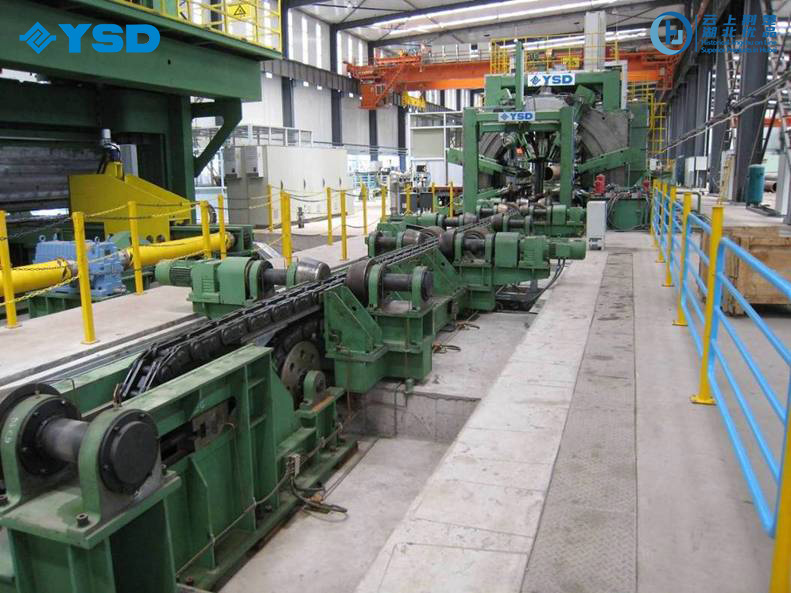
The gap between a sample's performance and mass-production reliability is where many importers lose money. Specialized welding equipment involves high currents and extreme heat, making internal build quality non-negotiable. Conducting thorough factory audits before placing an order ensures the supplier has the necessary testing equipment on site.
Key Inspection Points for Welding Equipment
- PCB Protection: Verify conformal coating is applied to circuit boards to prevent shorting from metallic shop dust.
- Wiring Gauge & Insulation: Check that internal wiring meets or exceeds the required AWG for the machine's maximum amperage.
- Transformer Winding: Confirm the use of pure copper windings rather than copper-clad aluminum (CCA) for better thermal conductivity.
- Grounding Systems: Ensure chassis grounding is secure and meets target market safety regulations.
- Load Testing: Mandate full-load burn-in testing for at least 30 to 60 minutes on a statistical sample of the batch.
Implementing strict quality control protocols, including pre-shipment inspections and in-line testing, catches these internal defects before the container is sealed.
Customization and Market Compliance
For brands looking to establish a private label, Chinese manufacturers offer extensive OEM/ODM services. This goes beyond simple color changes and logo placement. You can customize digital interfaces, upgrade internal components for higher duty cycles, and modify housing designs for better ergonomics.
However, any customization must align with regional safety standards. Welding equipment is heavily regulated. You will need to ensure compliance testing is completed for standards such as CE (EN 60974) for Europe, or UL/CSA standards for North America. Never assume a factory's existing certifications apply to your customized OEM model without verification.
MOQs, Lead Times, and Pricing Dynamics
Pricing and minimum order quantities (MOQs) in this category vary significantly based on the complexity of the equipment.
- Typical MOQs: For lighter, inverter-based specialized welders, expect MOQs around 50 to 100 units. For heavy-duty industrial machinery (like large automated positioners or heavy spot welders), factories may accept MOQs as low as 5 to 10 units.
- Production Lead Times: Standard lead times range from 35 to 50 days. Custom OEM tooling or complex internal modifications can push initial orders to 60 days or more.
- Pricing Drivers: The primary cost drivers are the raw materials (copper and steel prices), the quality of the internal IGBTs (Insulated Gate Bipolar Transistors), and the required safety certifications.
Struggling to negotiate favorable MOQs and pricing with equipment manufacturers? Let us manage the sourcing process.
Get a free consultationSourcing specialized welding equipment requires balancing aggressive pricing with uncompromising electrical safety and industrial durability. By strictly defining internal component specs and enforcing rigorous floor-level inspections, you can secure machinery that performs reliably in the field.
Get Sourcing Help for Other Welding Equipment
Tell us your requirements and our experts will connect you with verified manufacturers.