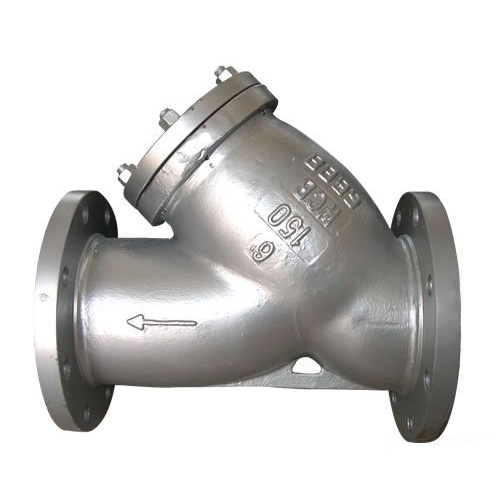
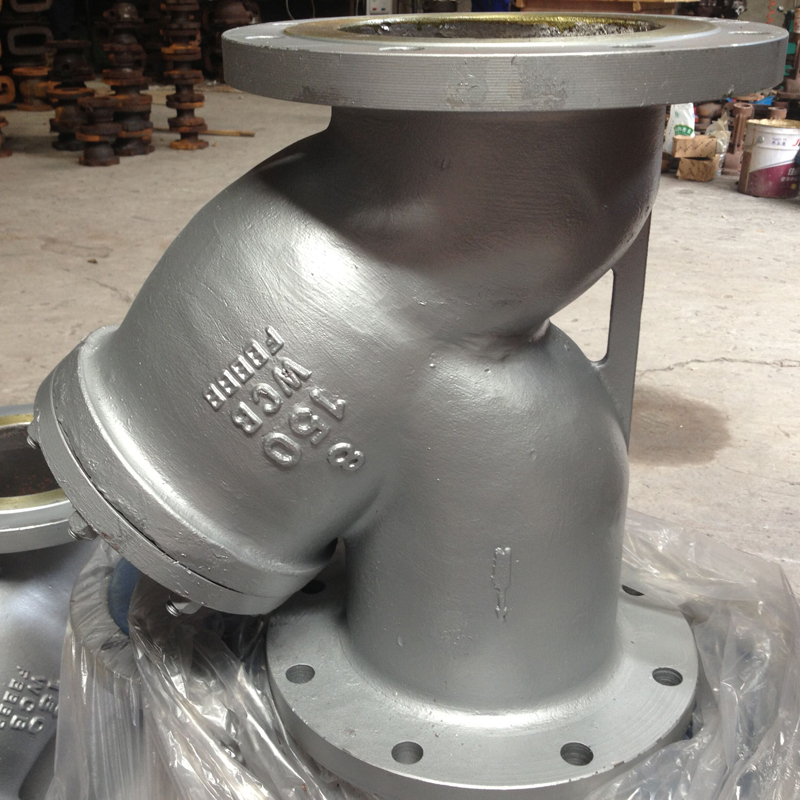
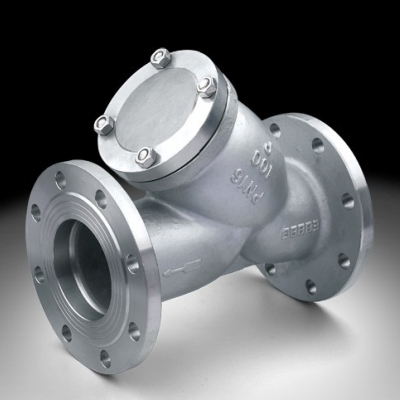
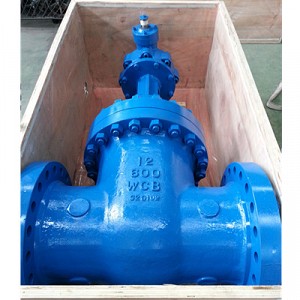
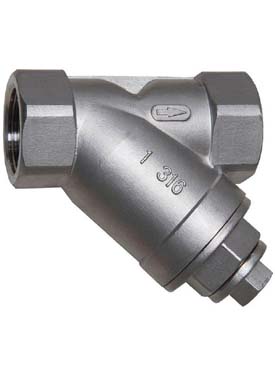
Other Valves
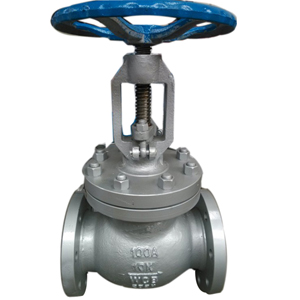
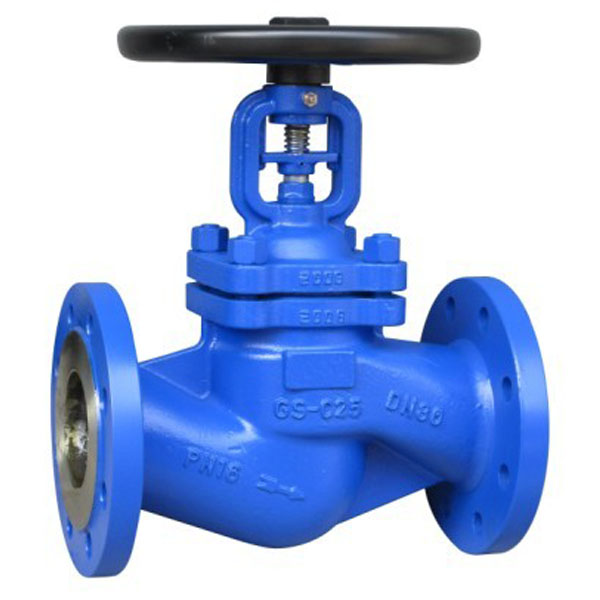
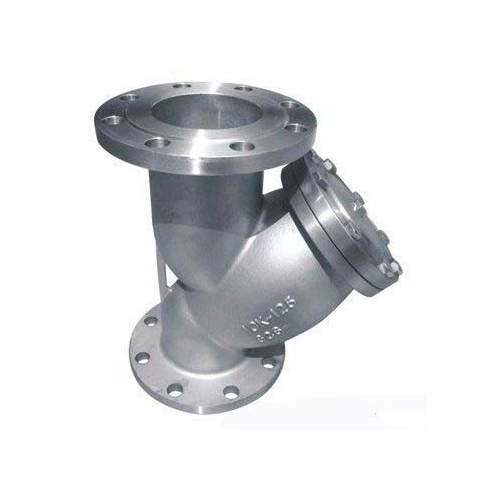
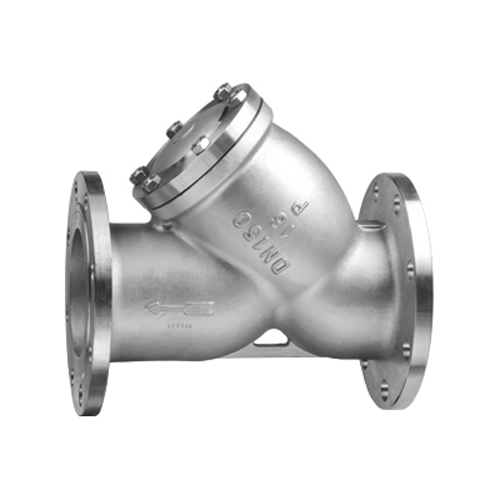
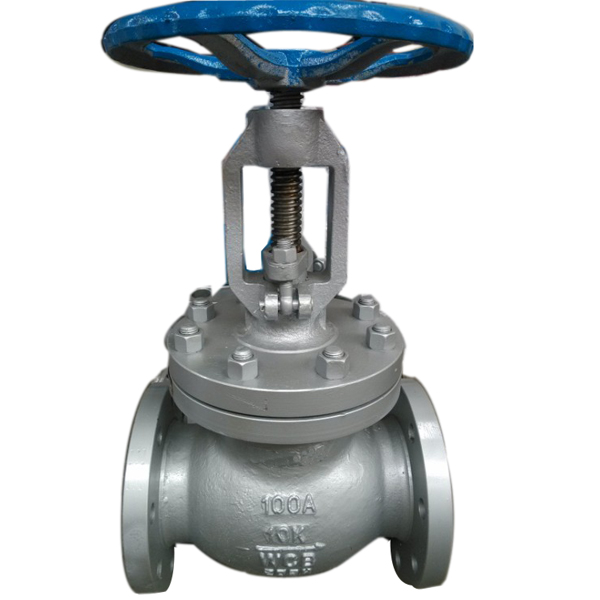
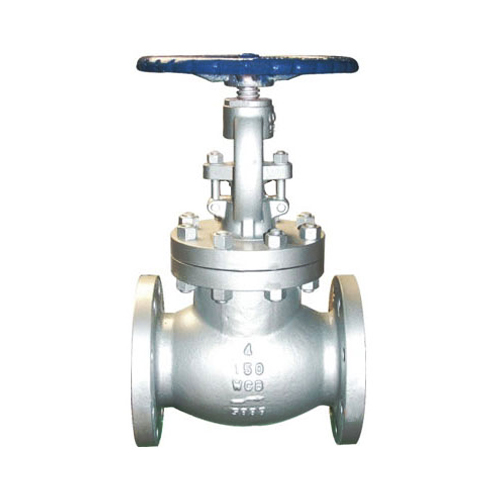
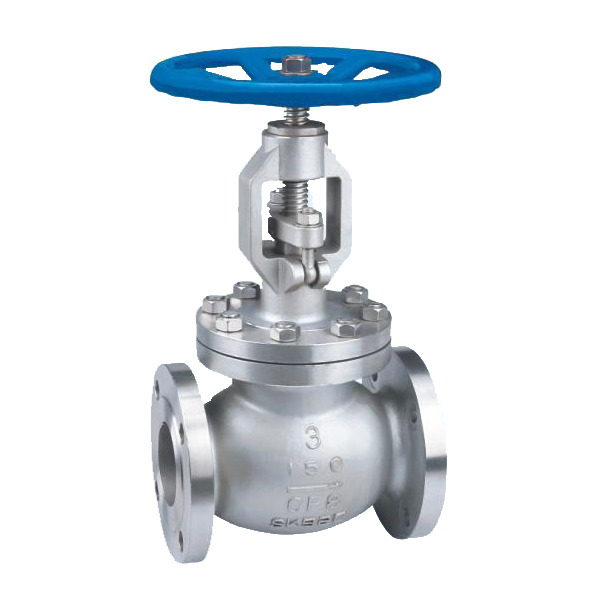
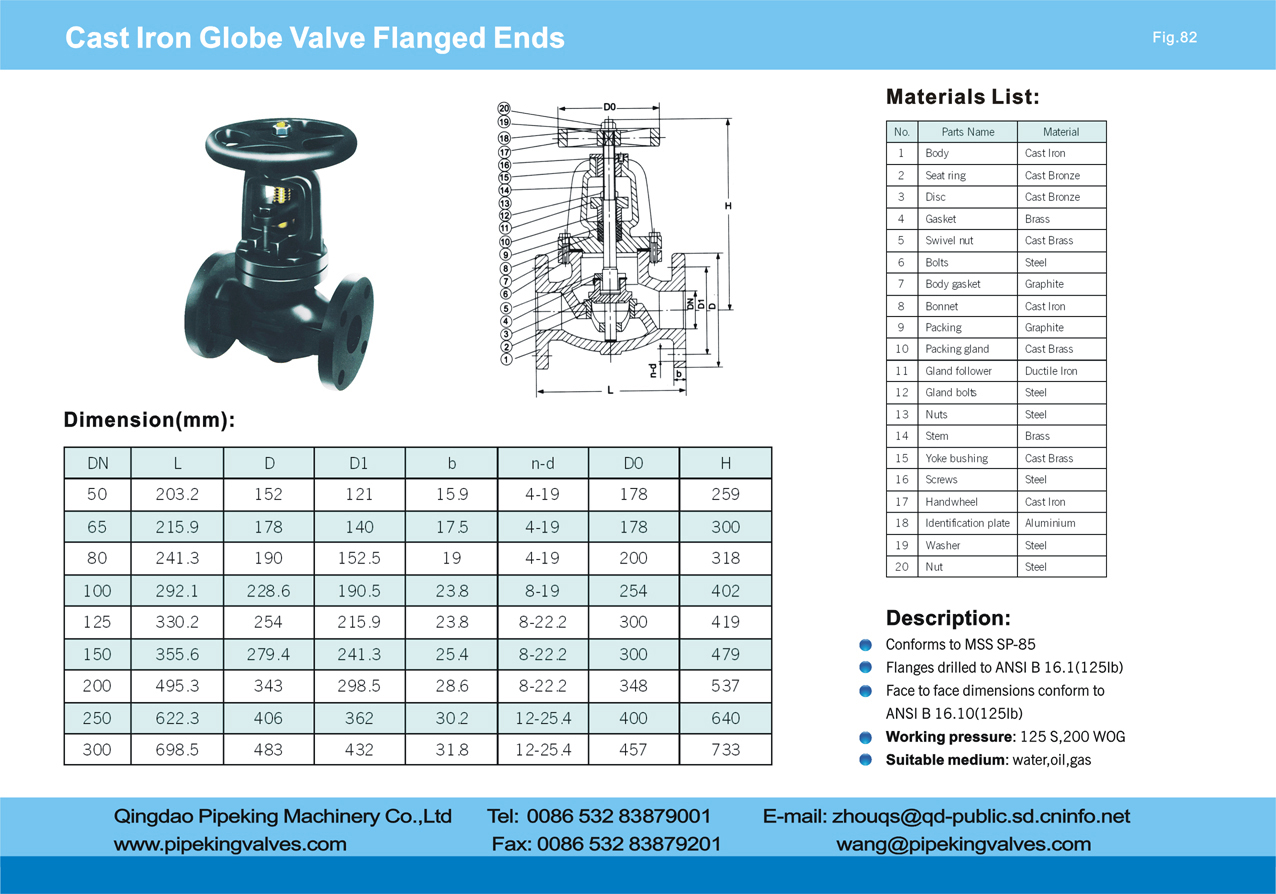
Source specialty and other valves from vetted suppliers and manufacturers across Asia. Designed for importers, wholesalers, and industrial distributors buying in bulk, this category covers custom, niche, and application-specific valve solutions for OEM and private-label production.
Sourcing specialty, custom, or otherwise non-standard valves presents a distinct procurement challenge. Unlike commodity valves where production is highly standardized, "other valves" often require application-specific engineering, specialized casting molds, and precise material compatibility for unique fluid dynamics or corrosive media. Success in this category relies heavily on matching your exact technical requirements with a factory that possesses the specific CNC machining capabilities and testing infrastructure required for your niche.
Specifying Specialty Valves for Production
When ordering non-standard valves, the margin for error in your technical specification sheet is virtually zero. Because these valves often serve specialized industrial, chemical, or agricultural applications, the factory needs exact parameters to ensure the correct casting methods and sealing materials are used.
Critical Specifications for Factory Orders
- Nominal Diameter (DN) and precise connection types (NPT, BSPT, Flanged to specific ANSI/DIN standards).
- Nominal Pressure (PN) or Class ratings, including peak surge pressure limits.
- Body and trim material grades (e.g., SS316L, Bronze, Duplex Stainless Steel) with required material test reports.
- Seat and seal materials (PTFE, EPDM, Viton/FKM) matched to the exact temperature range and chemical media.
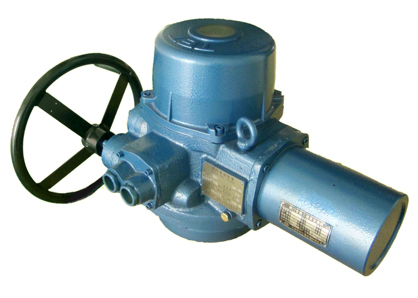
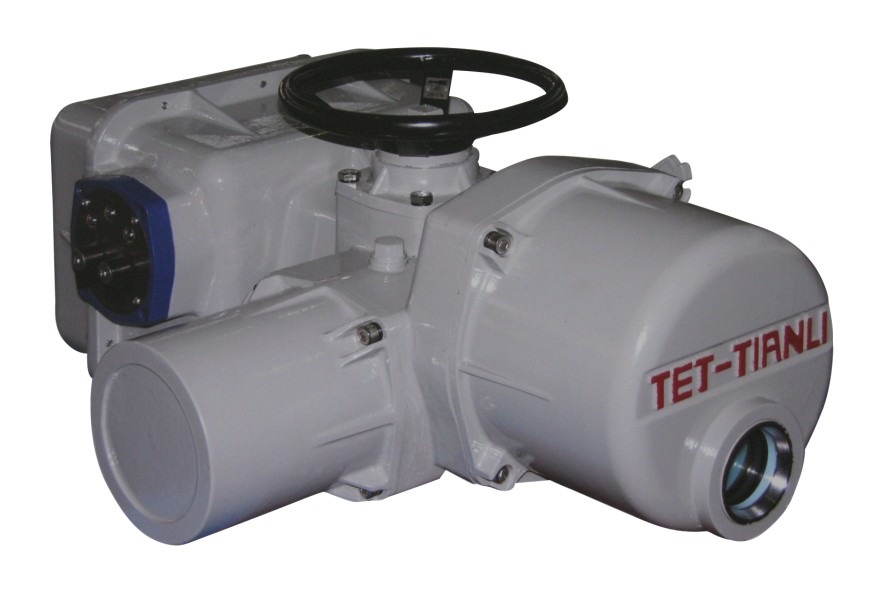
- Actuation readiness (ISO 5211 mounting pads) and required torque specifications if automated.
Need help verifying if a factory can meet your custom valve tolerances? Our engineering team can review your technical requirements.
Discuss your specificationsManufacturing Tolerances and Quality Control
The reliability of a specialty valve is won or lost in the machining and assembly phases. While many foundries can cast a valve body, the internal machining of the seating surfaces determines whether the valve will hold pressure without leaking.
For custom designs, verifying the manufacturer's tooling capability is essential. Relying on factory audits before placing an order ensures the supplier actually owns the necessary multi-axis CNC equipment and isn't outsourcing the precision work to unverified third parties.
| Manufacturing Phase | Standard Production | High-Precision / Custom Production |
|---|---|---|
| Casting Method | Sand casting (higher porosity risk) | Investment casting / Lost-wax (superior finish) |
| Machining | Manual or basic CNC turning | Multi-axis CNC with automated tool calibration |
| Pressure Testing | Batch sampling (air/water) | 100% Hydrostatic and pneumatic seat testing |
| Traceability | Batch-level tracking | Individual heat numbers and material certificates |
Implementing rigorous quality control & inspection prior to shipment is non-negotiable. Inspectors should verify shell test and seat leak test results according to international standards (like API 598 or ISO 5208) using the factory's own calibrated pressure testing rigs.
Buying Mechanics: Tooling, MOQs, and Lead Times
Because "other valves" often involve custom configurations or proprietary designs, the economics of sourcing them differ from standard commodity hardware. If you are leveraging OEM/ODM services to produce a proprietary valve design, you will need to account for mold development costs and testing phases.
Pricing is highly volatile based on global metal commodity markets (especially copper and nickel for brass and stainless steel valves). Buyers should lock in material prices at the time of deposit and clearly define acceptable tolerance limits for casting weights, as some manufacturers may attempt to reduce wall thickness to save on raw material costs.
Looking to consolidate your valve supply chain or develop a custom mold? Let's discuss your volume and requirements.
Talk to our sourcing teamFrequently Asked Questions
Sourcing specialty and non-standard valves requires a disciplined approach to engineering specifications and factory selection. By focusing on material traceability, machining capabilities, and stringent pressure testing, buyers can secure reliable, high-performance valves that meet exact application demands without overpaying for unnecessary overhead.
Get Sourcing Help for Other Valves
Tell us your requirements and our experts will connect you with verified manufacturers.