Other Small Electromechanical Products for Daily Use
Source Other Small Electromechanical Products for Daily Use from vetted manufacturers and suppliers. Designed for importers, wholesalers, and brands seeking reliable OEM/ODM production, this category covers bulk procurement of daily-use motorized and electronic devices built to strict safety and performance standards.
Sourcing small electromechanical products for daily use requires balancing mechanical durability with electronic stability. Because these devices integrate moving parts with circuitry—often in compact, consumer-facing housings—the core procurement challenge is ensuring that micro-motors, PCBs, and gear assemblies perform reliably over thousands of duty cycles without premature failure or safety risks.
When buying in volume, success depends on specifying the right internal components and partnering with a factory that maintains rigorous assembly and testing standards.
Component Specifications and Quality Drivers
The reliability of any small electromechanical device rests on three pillars: the motor, the control board, and the structural housing.
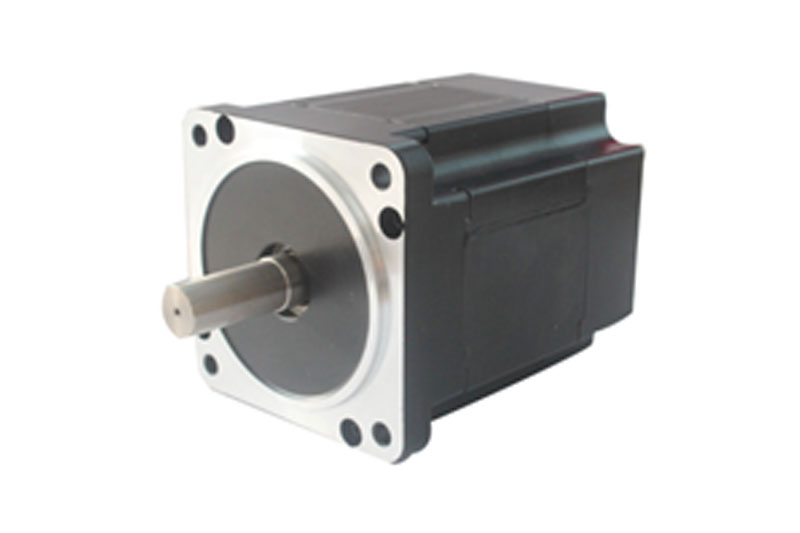
- Micro-Motors: The choice between brushed and brushless (BLDC) motors dictates the product's lifespan, noise level, and cost. For items requiring continuous operation or premium positioning, BLDC is mandatory.
- PCB and Firmware: Daily-use items are frequently exposed to varied environments (humidity, dust, temperature fluctuations). Specify conformal coating for PCBs to prevent short circuits.
- Gears and Transmissions: For devices requiring torque (like automated dispensers or compact motorized tools), specify POM (Polyoxymethylene) or metal gears. Cheap ABS gears will strip under load.
| Component | Standard Specification | Premium / High-Durability Specification |
|---|---|---|
| Motor Type | Brushed DC (500-1,000 hour lifespan) | Brushless DC (BLDC) (5,000+ hour lifespan) |
| Gear Material | Nylon or ABS (Low torque) | POM or Powder Metallurgy (High torque) |
| Housing | Standard ABS | PC/ABS Blend (High impact resistance) |
| PCB Protection | Bare board | Conformal coating (Moisture resistant) |
Need help verifying supplier component quality? Merhein can audit factory BOMs and production lines to ensure you get what you pay for.
Talk to our teamManufacturing and Assembly Realities
Electromechanical assembly is highly labor-intensive, even in automated facilities. Quality is often won or lost at the soldering and final assembly stations. Poor wire routing can lead to pinched cables, while inconsistent soldering causes intermittent power failures.
Before committing to a high-volume order, it is critical to conduct thorough factory audits to verify the supplier's Quality Management System (QMS). Look specifically for:
- Incoming Quality Control (IQC): Do they test raw motors and batteries before assembly?
- In-Process Testing: Are there functional test stations on the assembly line to check motor draw and PCB function before the housing is sealed?
- Aging Tests: A reliable factory will run a percentage of finished goods through an aging room (running the device continuously for 24-48 hours) to catch early-life failures.
Battery Integration Risks
If your electromechanical product includes a rechargeable lithium-ion battery, ensure the factory uses UN38.3 certified cells and integrates proper Battery Management Systems (BMS) to prevent overcharging and thermal runaway.
Compliance and Market Access
Electromechanical products are heavily regulated. Import customs and retail distributors will require proof of compliance. Depending on your target market, you must ensure the factory can provide valid test reports, or you will need to arrange independent compliance and testing.
Critical Certifications to Verify
- CE (LVD and EMC Directives) for the European market.
- FCC Part 15 for electromagnetic interference in the US.
- RoHS compliance verifying the absence of restricted heavy metals in PCBs and plastics.
- UL or ETL listing for the power supply or the entire device, especially for mains-powered items.
Pricing, MOQs, and Lead Times
Procuring custom or private-label electromechanical goods requires navigating tooling costs and component minimums. While off-the-shelf white-label products have lower barriers to entry, true OEM/ODM services demand higher upfront commitment.
Pricing is heavily influenced by the motor type and battery capacity. A shift from a brushed to a brushless motor can increase the unit cost by 20 to 40 percent, but drastically reduces warranty claims. Always negotiate based on a transparent Bill of Materials (BOM).
Struggling to negotiate favorable terms and MOQs with electromechanical factories? Let Merhein manage the sourcing and pricing strategy.
Get a free consultationFrequently Asked Questions
Successfully importing electromechanical products requires more than just finding a low price on a B2B directory. It requires deep technical validation of the components, strict oversight of the assembly process, and rigorous quality control and inspection before the goods ever reach a container. By specifying the right internal components upfront, you protect your brand from costly post-sale failures.
Get Sourcing Help for Other Small Electromechanical Products for Daily Use
Tell us your requirements and our experts will connect you with verified manufacturers.