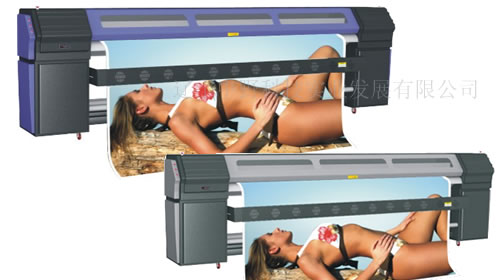
Other Printers
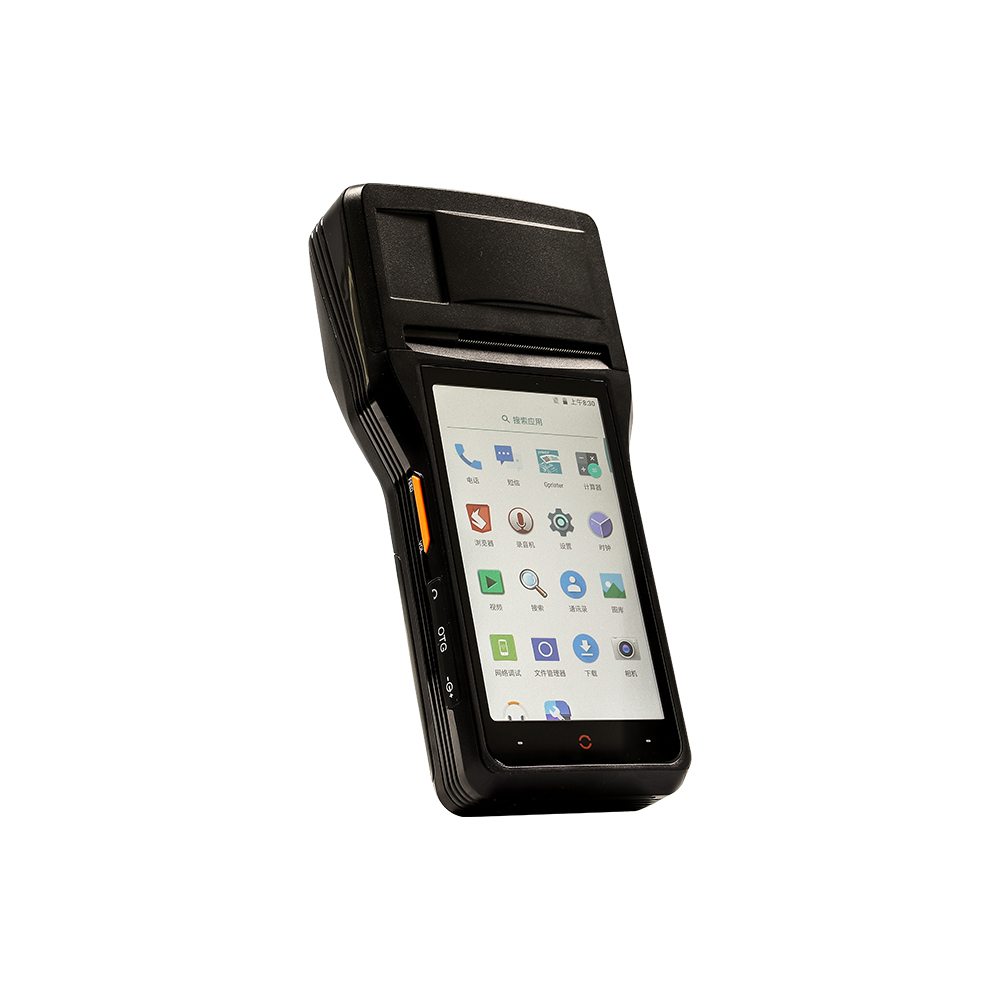
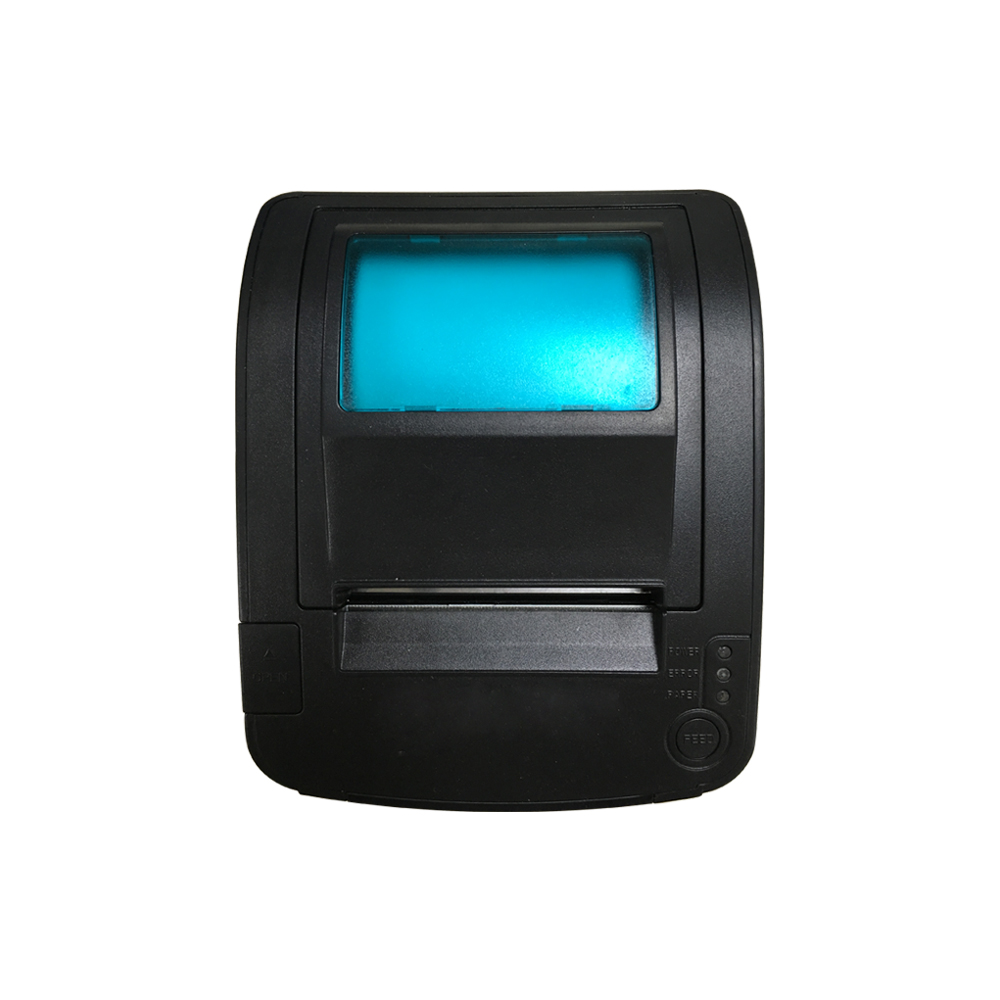
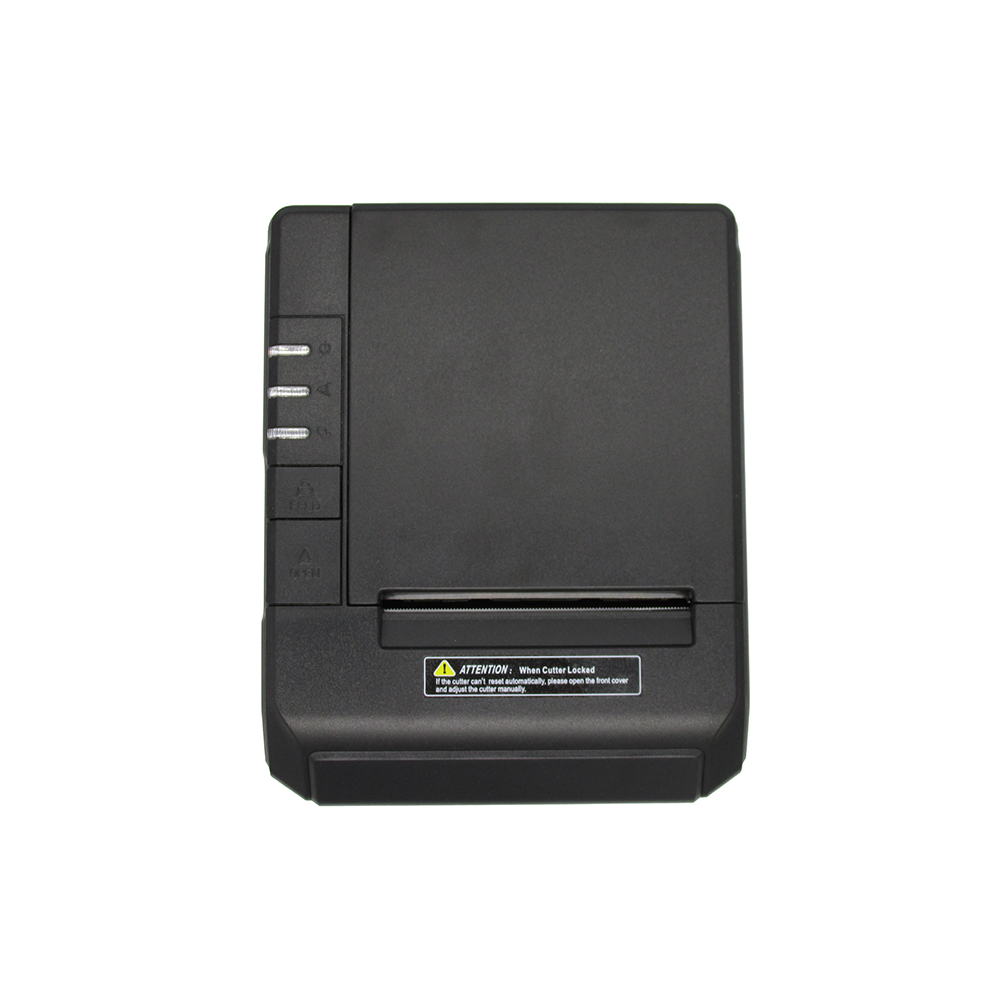
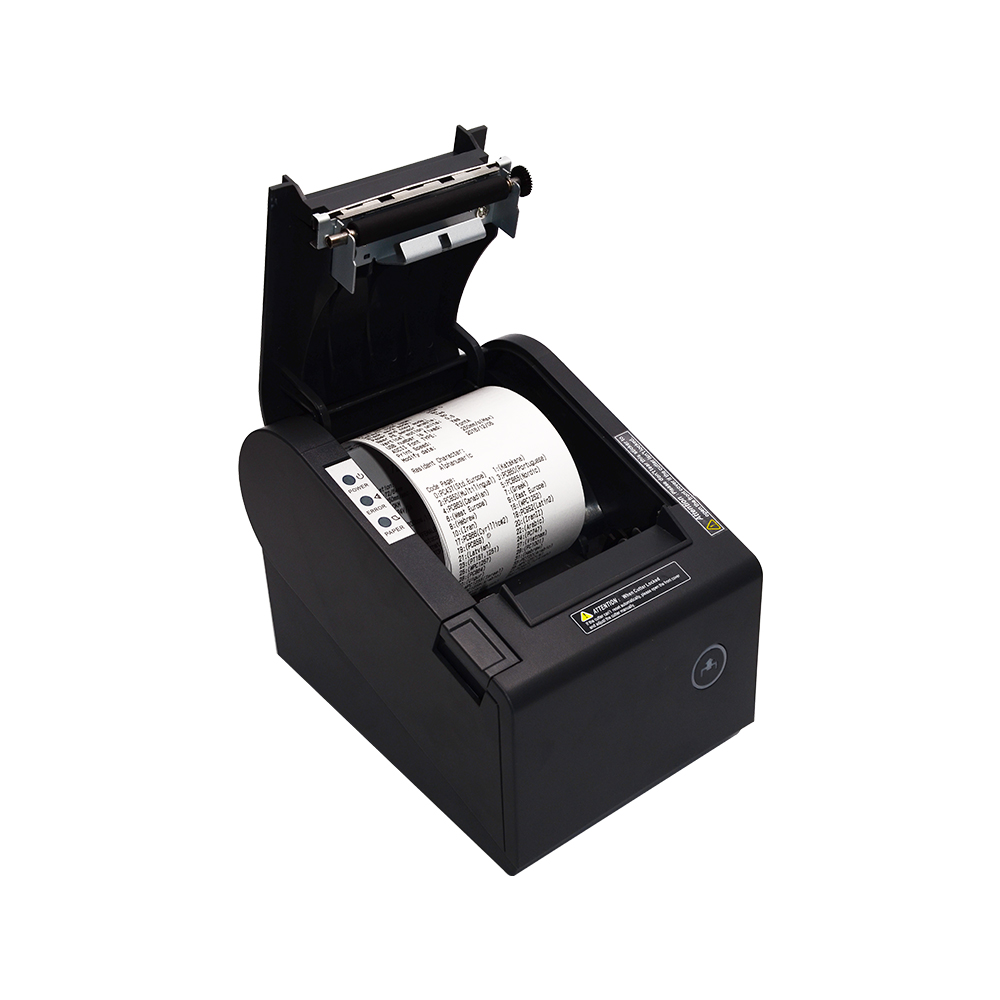
Source specialized and custom printing machinery from vetted manufacturers and suppliers. Designed for importers, distributors, and brands seeking OEM production, our network provides bulk access to niche commercial printers. Ensure precision and reliability for your unique industrial printing requirements.
Sourcing specialized printing equipment—whether for unique substrates, industrial marking, or niche commercial applications—requires matching precise mechanical requirements with a factory capable of consistent assembly. When dealing with non-standard or highly specialized printers, the primary sourcing challenge is ensuring the manufacturer isn't simply retrofitting consumer-grade components into an industrial chassis. You need a supply chain that guarantees genuine core components, stable firmware, and rigorous alignment during assembly.
Core Specifications for Specialized Printers
The reliability of any commercial printer rests on its print engine and motion control systems. When evaluating suppliers for specialized printing machinery, your specification sheet must clearly define the origin and grade of these critical components.
Critical Sourcing Specifications
- Printhead Origin: Specify genuine industrial heads (e.g., Ricoh Gen5/Gen6, Kyocera, or Epson i3200/u3200) rather than refurbished or unlocked consumer heads.
- Motion Control: Require branded linear guide rails (e.g., THK, HIWIN) and closed-loop servo motors (e.g., Leadshine) to prevent step loss during high-speed carriage movement.
- Ink Delivery System: Specify negative pressure ink supply systems for high-viscosity inks, ensuring continuous flow without nozzle starvation.
- Board Architecture: Define the motherboard ecosystem (e.g., Hoson, Senyang) to ensure compatibility with your target market's preferred RIP software (Maintop, FlexiPRINT, Onyx).
Need help verifying factory component sourcing and technical capabilities?
Talk to our teamManufacturing Quality and Assembly Precision
In printing machinery, the quality of the final output is entirely dependent on the physical precision of the machine's assembly. A factory may use top-tier printheads, but if the main gantry is poorly milled, the carriage will vibrate, leading to banding and misregistration.
Before committing to a bulk order, it is critical to verify the manufacturer's internal machining capabilities. Factories that outsource the milling of their aluminum beams often suffer from batch-to-batch inconsistency. Conducting thorough Factory Audits allows you to confirm whether the supplier has in-house CNC machining and robust quality management systems.
During production, focus your Quality Control & Inspection on the following areas:
- Gantry Leveling: The print carriage must travel perfectly parallel to the media bed. Tolerances should be strictly measured (typically under 0.05mm deviation across the beam).
- Ink Line Purging: Ensure all ink lines and dampers are pressure-tested for micro-leaks before the printheads are installed.
- Continuous Print Testing: Machines should undergo a minimum 24-hour continuous burn-in test to identify motherboard overheating or servo motor faults.
Customization and Private Labeling
For brands importing commercial printers under their own label, the value is in customization. Beyond simply applying a logo to the chassis, true OEM/ODM Services allow you to adapt the machine for your specific market. This includes localizing the firmware interface, customizing the casing for better operational ergonomics, and adapting the power supply to meet regional safety standards (such as UL or CE).
Firmware Lockouts
Always negotiate motherboard and firmware access upfront. Some manufacturers hardcode ink-chip recognition into their boards, forcing you to buy their white-label ink. If you plan to supply third-party ink, specify an open-board architecture in your purchasing contract.
Typical Pricing, MOQs, and Lead Times
The economics of sourcing specialized printers vary heavily based on the machine's footprint and industrial grade.
Pricing is driven primarily by the number and type of printheads installed, the complexity of the curing/drying system (e.g., LED UV lamps vs. infrared heaters), and the rigidity of the chassis. When negotiating price, always clarify whether the quoted cost includes the printheads, as some factories quote "bare bone" machines to appear artificially competitive.
Optimize your printing machinery supply chain and negotiate better OEM terms.
Get a free consultationFrequently Asked Questions
Successfully importing specialized printers requires more than just finding a supplier with a good price; it requires rigorous technical vetting and strict oversight of the assembly process. By controlling the bill of materials and enforcing precise assembly tolerances, you can secure reliable machinery that builds your brand's reputation in the commercial printing market.
Get Sourcing Help for Other Printers
Tell us your requirements and our experts will connect you with verified manufacturers.