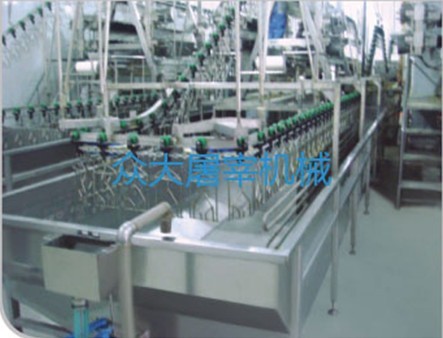
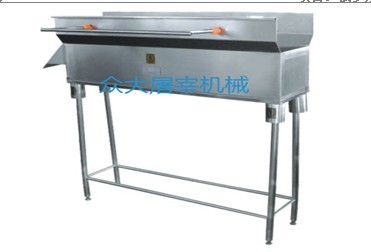
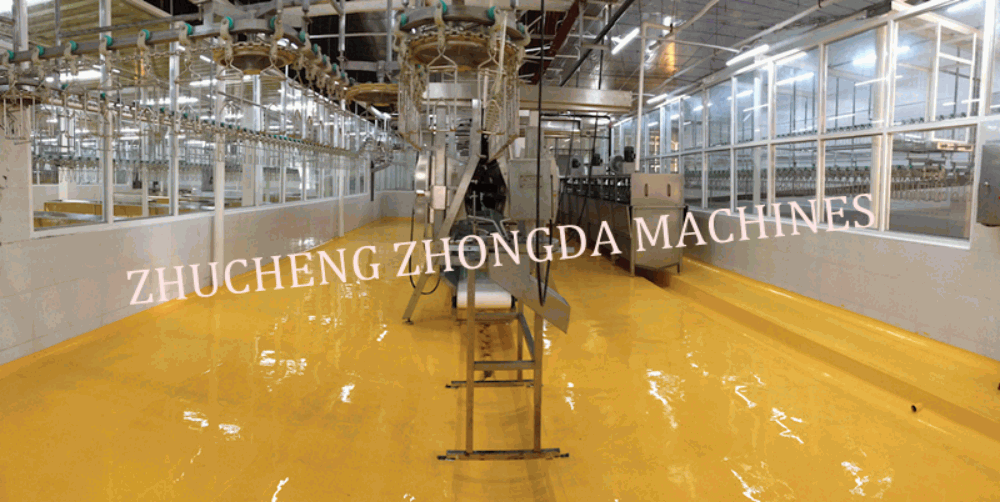
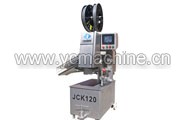
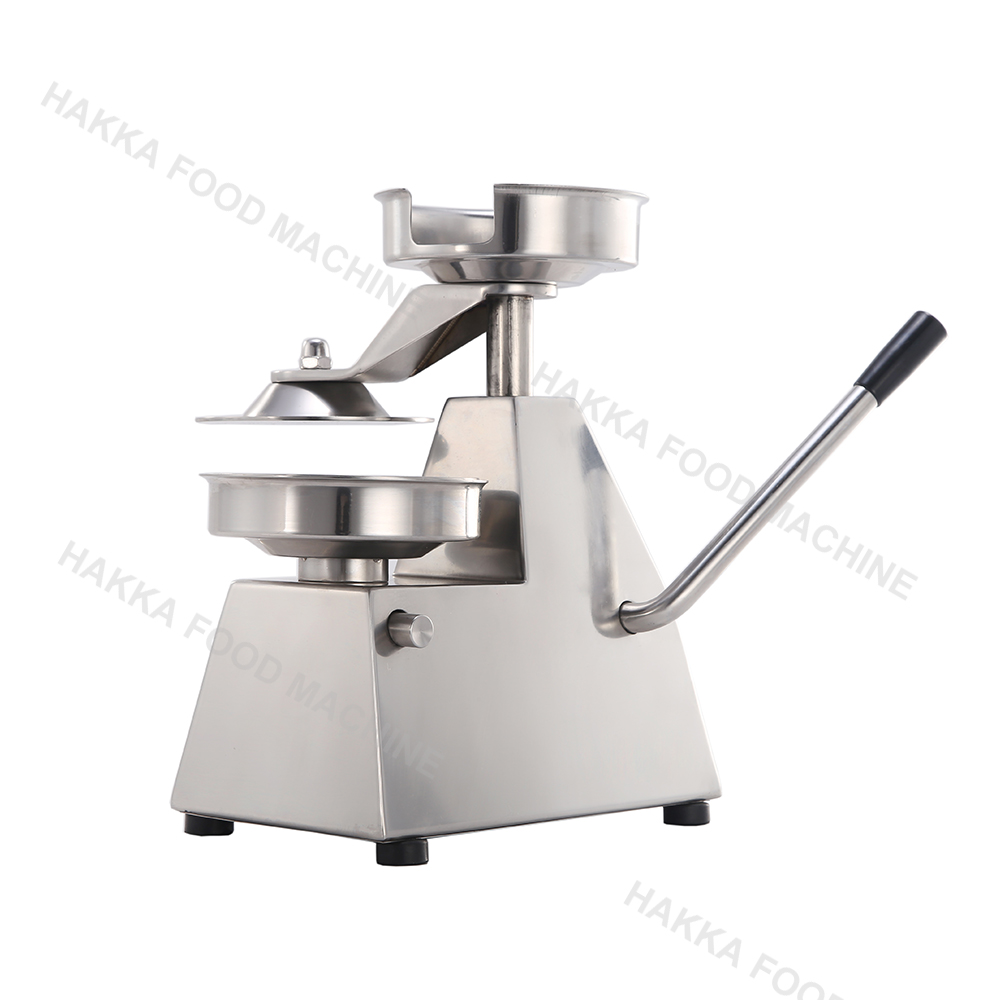
Other Meat Processing Machinery
Source commercial Other Meat Processing Machinery directly from vetted manufacturers and suppliers. Designed for importers, distributors, and brands seeking OEM production, our network delivers specialized industrial equipment built to rigorous food safety standards for high-volume meat processing operations.
Specialized meat processing machinery encompasses a wide range of industrial equipment—from heavy-duty bone crushers and vacuum tumblers to commercial meat flatteners and specialized injectors. Sourcing these specialized units in bulk requires balancing high-throughput demands with strict food safety compliance. The primary challenge lies in verifying that a manufacturer's claims about washdown ratings, material grades, and motor durability hold up under continuous, rigorous industrial use.
Core Specifications for Specialized Meat Equipment
When dealing with customized or niche meat processing machinery, generic specifications lead to rapid equipment failure. Industrial buyers must clearly define the technical parameters for both the mechanical components and the structural housing.
The most critical factor is the material grade. Meat processing environments are highly corrosive due to moisture, salt, blood, and aggressive cleaning chemicals.
| Component | Standard Specification | Premium/Heavy-Duty Specification |
|---|---|---|
| Food Contact Surfaces | SUS304 (Standard Food Grade) | SUS316L (High Corrosion Resistance) |
| Frame & Housing | SUS201 or thin-gauge SUS304 | Full SUS304 (2.0mm+) with continuous welds |
| Electrical Enclosures | IP54 (Splash resistant) | IP65 or IP69K (High-pressure washdown) |
Beyond the steel, the electronics dictate reliability. Specify exact brands for the PLC (Programmable Logic Controller), contactors, and motors. While domestic Chinese motors are cost-effective, many buyers specify imported components (such as Siemens motors or Omron PLCs) for easier maintenance and parts replacement in their home markets.
Struggling to verify food-grade material certifications and component origins from overseas suppliers? Let our engineers handle the technical vetting.
Talk to our teamManufacturing Blind Spots and Quality Control
Quality in meat processing machinery is often determined by what you cannot easily see. Poor sanitary design is a common flaw among lower-tier manufacturers. Any crevice, pitted weld, or "dead corner" in the machine's design can harbor bacteria, leading to cross-contamination and failing local health inspections.
Implementing strict Quality Control & Inspection protocols during production is essential. Do not wait until the machine is crated for shipping to verify its construction.
Critical Inspection Points for Meat Processing Machinery
- Sanitary Welding: Ensure all joints are continuous, ground smooth, and free of pits or crevices where organic matter can accumulate.
- Electrical Safety: Verify CE or UL markings on all internal contactors, PLCs, and relays, ensuring proper grounding for wet environments.
- Gaskets and Seals: Confirm food-grade certifications (e.g., FDA-compliant silicone or PTFE) for all O-rings and seals to prevent chemical leaching.
- Load Testing: Run the machinery under simulated processing loads to check for motor overheating, abnormal vibration, or gearbox stress.
For equipment destined for highly regulated markets, independent Compliance & Testing may be necessary to ensure the machinery meets stringent NSF, CE, or local sanitary standards before export.
Sourcing Mechanics: MOQs, Lead Times, and Pricing
Because "Other Meat Processing Machinery" covers highly specialized equipment, production is rarely off-the-shelf. Most factories operate on a build-to-order basis, which impacts both lead times and minimum order quantities (MOQs).
Pricing is directly tied to the weight of the stainless steel used, the complexity of the machining, and the origin of the internal components. When comparing quotes, always demand a detailed Bill of Materials (BOM). A supplier offering a price significantly below market average is almost certainly compromising on steel thickness, using SUS201 instead of SUS304, or utilizing unbranded internal electronics. Conducting thorough Factory Audits is the most reliable way to confirm a supplier actually has the heavy-duty machining centers required to produce industrial-grade equipment.
Need a reliable manufacturer for custom meat processing equipment? We can match you with audited factories that meet your exact specifications.
Get a free consultationFrequently Asked Questions
Sourcing specialized meat processing equipment requires a rigorous approach to technical specifications and quality assurance. By focusing on sanitary design, material integrity, and component reliability, buyers can secure high-performance machinery that withstands the demands of industrial food processing.
Get Sourcing Help for Other Meat Processing Machinery
Tell us your requirements and our experts will connect you with verified manufacturers.