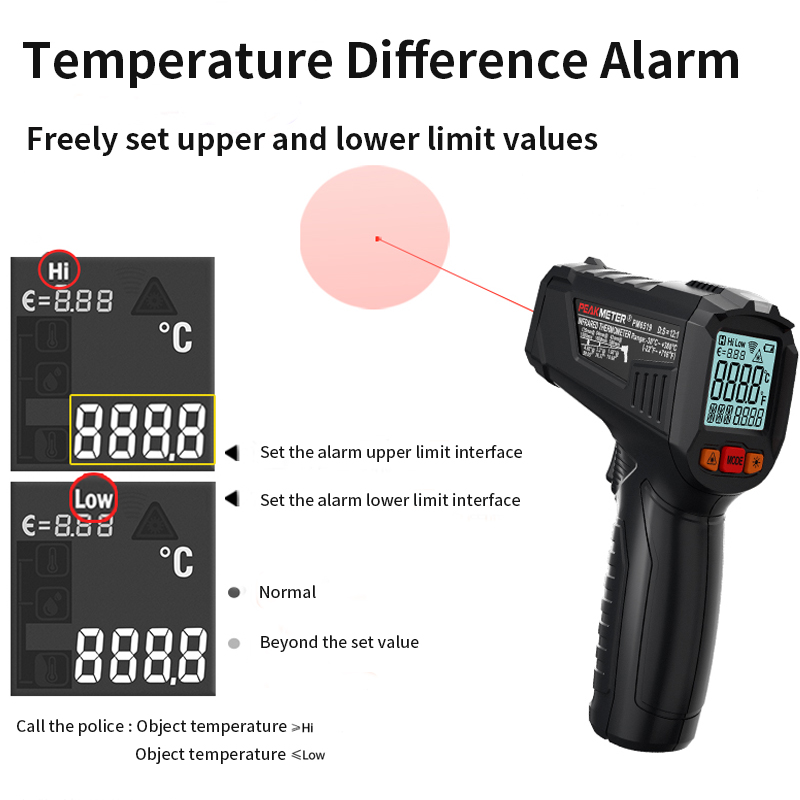
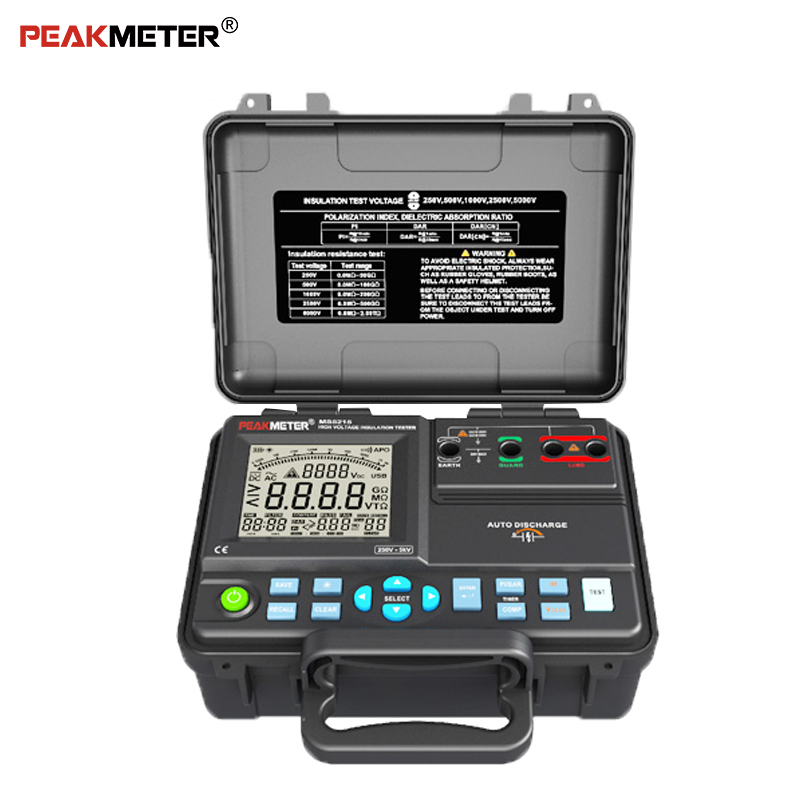
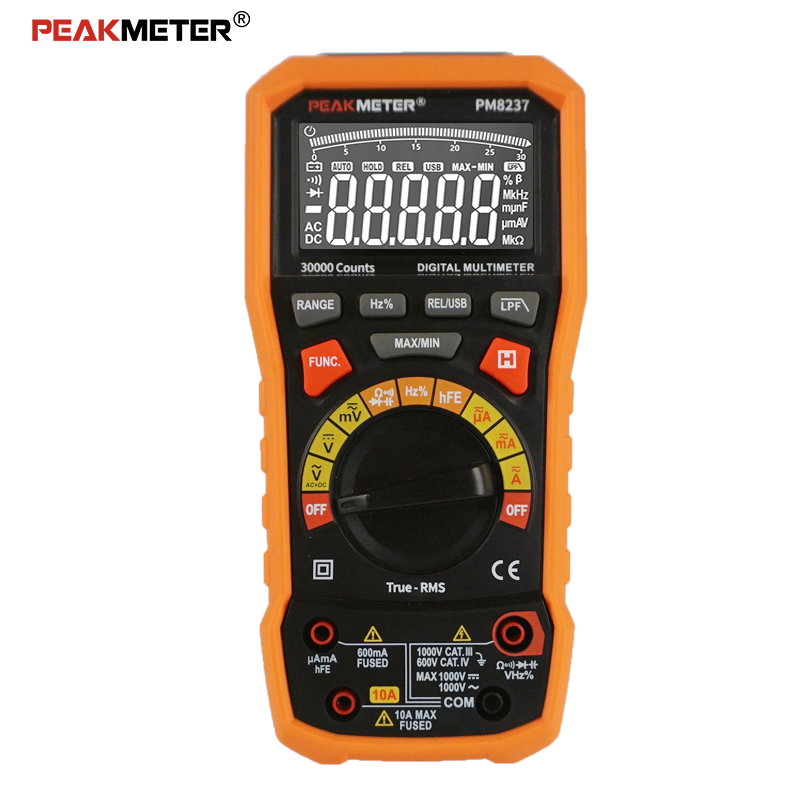
Other Instruments and Apparatuses
Source precision other instruments and apparatuses in bulk directly from vetted manufacturers. Designed for importers, distributors, and brands seeking reliable OEM and private-label production, our catalog connects you with specialized factories capable of meeting strict tolerances and international compliance standards.
Sourcing specialized instruments and apparatuses that fall outside standard classifications requires rigorous attention to component sourcing, assembly environments, and calibration standards. Whether you are procuring niche diagnostic tools, specialized measuring devices, or custom laboratory apparatuses, the core challenge remains identical: ensuring consistent accuracy and durability across high-volume production runs.
Core Specifications for Precision Apparatuses
When defining requirements for specialized instruments, buyers must establish strict parameters for both the external housing and the internal electronics or mechanical components. Ambiguity in your specification sheet directly leads to sensor drift, premature failure, or out-of-box calibration errors.
- Housing and Ingress Protection: Specify exact material grades. For industrial applications, demand die-cast aluminum or high-impact ABS/PC blends. If the apparatus operates in harsh environments, explicitly state the required IP rating (e.g., IP65 or IP67) and require waterproof gasketing and sealed membrane switches.
- Operating Tolerances: Define the acceptable environmental operating ranges. A standard apparatus might function between 0°C and 40°C, but industrial or field equipment must often be rated for -20°C to 60°C, requiring industrial-grade PCBs and temperature-compensated sensors.
- Component Sourcing: For electronic apparatuses, the origin of the microcontrollers (MCUs) and sensors dictates the reliability of the unit. Specify whether tier-one imported components are required or if equivalent domestic Chinese components are acceptable for your price point.
| Specification | Standard Commercial | Industrial / Precision Grade |
|---|---|---|
| Housing Material | Standard ABS plastic | Polycarbonate blend or Die-cast Aluminum |
| Ingress Protection | IP44 (Splash resistant) | IP65 to IP67 (Dust/Waterproof) |
| Operating Temp | 0°C to 40°C | -20°C to 60°C (with compensation) |
| Calibration | Batch sample testing | 100 percent individual unit calibration |
Manufacturing Environments and Quality Control
The reliability of an instrument is won or lost on the assembly line. Precision apparatuses cannot be assembled in standard, open-air electronics workshops. Dust, static electricity, and fluctuating humidity levels will compromise sensitive optical or electronic components before the unit is even sealed.
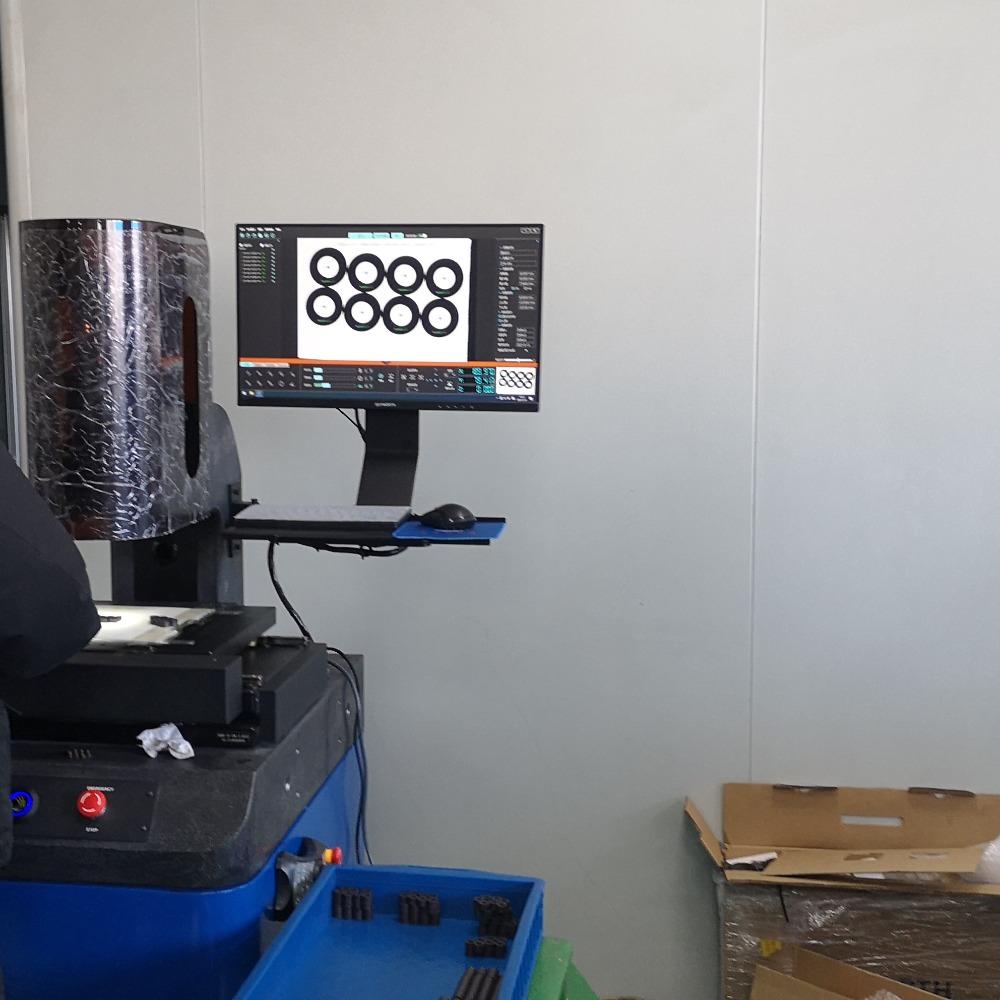
When evaluating a manufacturer, verify their cleanroom capabilities and ESD (Electrostatic Discharge) protocols. Factories producing high-tier instruments should utilize ISO Class 7 or Class 8 cleanrooms for critical assembly stages. Conducting comprehensive Factory Audits is the most effective way to verify these environmental controls exist outside of the supplier's marketing materials.
Need to verify a specialized instrument manufacturer? Let our engineers assess their assembly and calibration protocols.
Talk to our teamThe Calibration Bottleneck
Calibration is the most time-consuming phase of instrument manufacturing. Lower-tier suppliers will attempt to batch-test units to save time, calibrating one unit per hundred and assuming the rest fall within acceptable tolerances. For precision apparatuses, this is unacceptable.
Quality Control Verification Points
- Verify the factory uses certified, regularly calibrated master reference equipment.
- Ensure aging tests (burn-in) are conducted for at least 24 to 48 hours to catch early electronic failures.
- Confirm that calibration certificates can be provided for individual serial numbers if required.
- Implement strict pre-shipment inspections focusing on functional testing, not just cosmetic checks.
To prevent defective units from leaving the factory floor, integrating professional Quality Control & Inspection directly into the production schedule is critical. Catching a calibration error during in-line inspection costs pennies; catching it after the container arrives costs your reputation.
Pricing, MOQs, and Customization Realities
The cost structure for instruments and apparatuses is heavily weighted toward upfront R&D, tooling, and component minimums. If you are purchasing off-the-shelf units with minor cosmetic branding, costs remain relatively low. However, custom functionality requires significant investment.
- Minimum Order Quantities (MOQs): Standard, white-label instruments typically require MOQs of 500 to 1,000 units. If you require custom PCB layouts or proprietary sensor integration, expect MOQs to rise to 2,000+ units to cover the factory's component sourcing minimums.
- Tooling Costs: Custom plastic injection molds for instrument housings range from $3,000 for simple enclosures to over $15,000 for complex, multi-part IP67-rated housings.
- Lead Times: Standard production runs average 30 to 45 days. If you are developing a new product through OEM/ODM Services, add 45 to 60 days for prototyping, PCB design, and mold creation.
Compliance Costs
Do not overlook the cost and time required for certification. Specialized apparatuses often require CE, FCC, RoHS, or specific ISO certifications depending on your market. Factor an additional 3 to 6 weeks and thousands of dollars into your timeline for third-party lab testing.
Planning a custom instrument run? We can help you navigate tooling costs, component sourcing, and compliance testing.
Get a free consultationFrequently Asked Questions
Sourcing complex instruments and apparatuses requires moving beyond standard procurement practices and treating the factory as an extension of your engineering team. By strictly controlling the Bill of Materials, verifying assembly environments, and enforcing rigorous in-line calibration checks, you can secure precision equipment that performs reliably in the field.
Get Sourcing Help for Other Instruments and Apparatuses
Tell us your requirements and our experts will connect you with verified manufacturers.