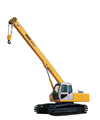
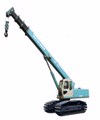
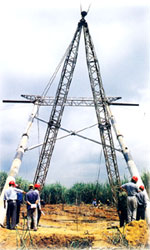
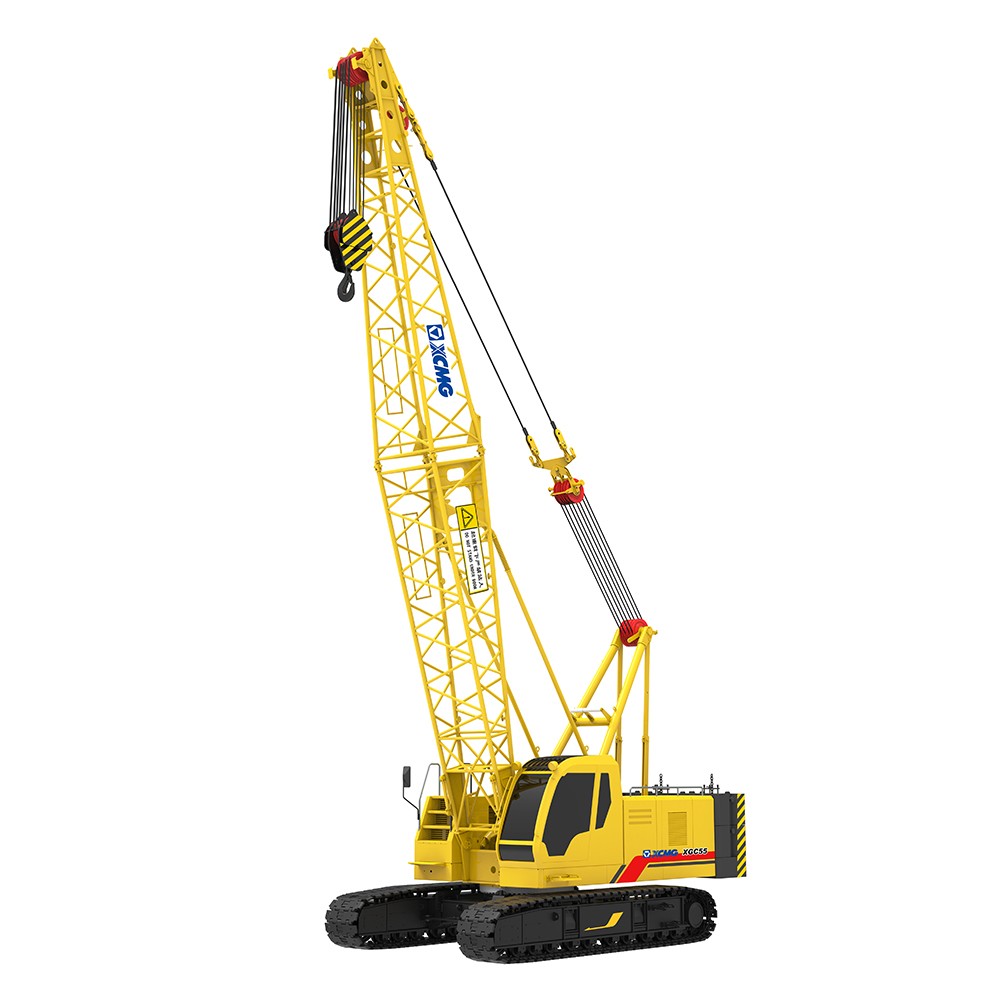
Other Cranes
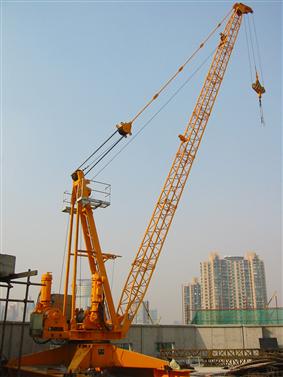
Source specialized and non-standard "Other Cranes" from vetted Chinese manufacturers and suppliers. This category is designed for importers, industrial distributors, and procurement managers buying bulk or custom lifting equipment, offering direct access to reliable OEM factories for specialized lifting applications.
Sourcing specialized lifting equipment outside standard classifications requires matching exact operational parameters with specialized manufacturing capabilities. Because these cranes often serve niche applications—from compact restricted-access lifting to specialized marine or industrial material handling—off-the-shelf specifications rarely apply. Success hinges on rigorous supplier verification, strict adherence to duty classifications, and verified load ratings.
Defining Specifications for Specialized Cranes
When procuring non-standard cranes, the margin for error in technical specifications is zero. Manufacturers in heavy-industry hubs like Henan (Changyuan) or Jiangsu have vast capabilities, but they build exactly to the specifications provided.
| Parameter | Critical Consideration | Common Specification Range |
|---|---|---|
| Safe Working Load (SWL) | Must be calculated at maximum outreach. | 0.5t to over 50t (application dependent) |
| Duty Classification | FEM/ISO rating dictates structural fatigue limits. | A3 (light duty) to A8 (continuous heavy duty) |
| Power & Actuation | Determines operational environment suitability. | 3-phase AC, Diesel-hydraulic, or Hybrid |
| Control Systems | Precision requirements and operator safety. | Pendant, Radio Remote, or CAN bus integration |
Structural Steel and Fabrication Standards
The integrity of any crane relies heavily on the steel grade used in the jib, boom, and main structural supports. Standard applications typically utilize Q345B steel, while high-stress or lightweight requirements demand high-tensile variants like Q460C or Weldox. Ensure your factory specifies the exact steel grade in the Bill of Materials (BOM) and provides mill test certificates prior to fabrication.
Need help verifying technical specifications and matching them with capable heavy-machinery manufacturers? Let us streamline your sourcing process.
Talk to our teamManufacturing Quality Control & Inspection
In heavy machinery, defects are not just costly; they are catastrophic. Relying solely on a factory's internal quality assurance is a significant risk for international buyers. Implementing independent Quality Control & Inspection during fabrication is essential.
Critical Crane Fabrication QC Checkpoints
- Non-Destructive Testing (NDT): Ultrasonic (UT) or Magnetic Particle (MT) testing on all critical load-bearing welds.
- Hydraulic System Integrity: Pressure testing cylinders and valves for micro-leaks prior to assembly.
- Electrical & Control Panel: Verification of IP ratings (IP54 to IP65) and proper grounding.
- Surface Treatment: Shot blasting (SA2.5) followed by epoxy zinc-rich primer and polyurethane topcoat (thickness verification).
- Dynamic Load Testing: Factory testing at 110 percent and 125 percent of SWL before disassembly for shipping.
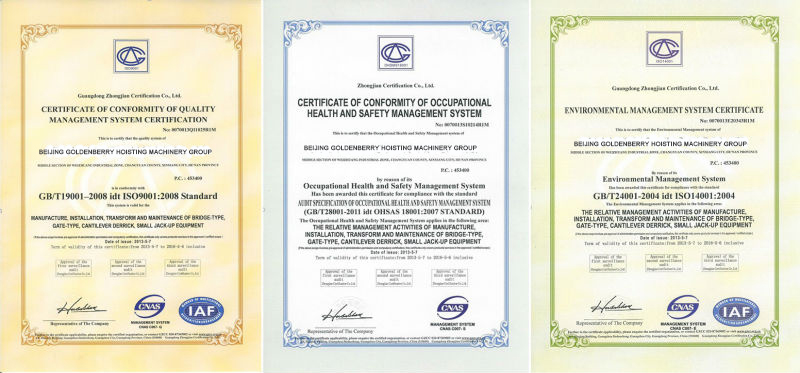
Because specialized cranes often involve custom engineering, verifying the manufacturer's actual engineering capacity—not just their assembly line—is crucial. Conducting thorough Factory Audits ensures the supplier has the necessary ISO 9001 certifications, in-house engineering teams, and dedicated testing facilities.
Compliance and Market Regulations
Lifting equipment is heavily regulated globally. Importing non-compliant machinery will result in customs seizures or severe liability issues. Depending on your destination market, specific certifications are non-negotiable.
For the European market, CE marking under the Machinery Directive (2006/42/EC) is mandatory, often requiring third-party notified body involvement for lifting equipment. For North America, compliance with OSHA standards and UL/CSA certification for electrical components is required. Engaging specialized Compliance & Testing services early in the engineering phase prevents costly retrofits later.
Buying Mechanics: MOQ, Lead Times, and Pricing
Specialized cranes are capital-intensive, project-based purchases. Unlike consumer goods, MOQs are often flexible, but lead times and pricing are highly dependent on the level of customization and current raw material costs (primarily steel).
Pricing Drivers
- Raw Material Fluctuations: Steel prices dictate a large portion of the base cost. Quotes are typically valid for only 15 to 30 days.
- Component Origins: Specifying imported components (e.g., Danfoss hydraulics, Schneider electrics, SEW motors) will increase the unit cost by 15 to 30 percent but significantly improves reliability and local serviceability.
- Custom Engineering: First-time custom builds carry higher engineering and prototyping costs.
Evaluating factory quotes for custom lifting equipment? We help buyers negotiate terms, verify BOMs, and secure reliable production timelines.
Get a free consultationFrequently Asked Questions
Procuring specialized lifting equipment requires moving beyond basic catalog sourcing. By focusing on stringent engineering verification, component transparency, and rigorous pre-shipment testing, you can secure high-performance machinery that meets your exact operational needs without compromising on safety or total cost of ownership.
Get Sourcing Help for Other Cranes
Tell us your requirements and our experts will connect you with verified manufacturers.