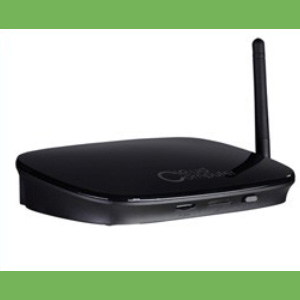
Other Computers
Source wholesale "Other Computers" from vetted manufacturers and suppliers. This category serves importers, distributors, and brands requiring OEM/private-label production for specialized computing devices, embedded systems, and industrial PCs. Secure reliable bulk pricing and strict quality control for your computing hardware.
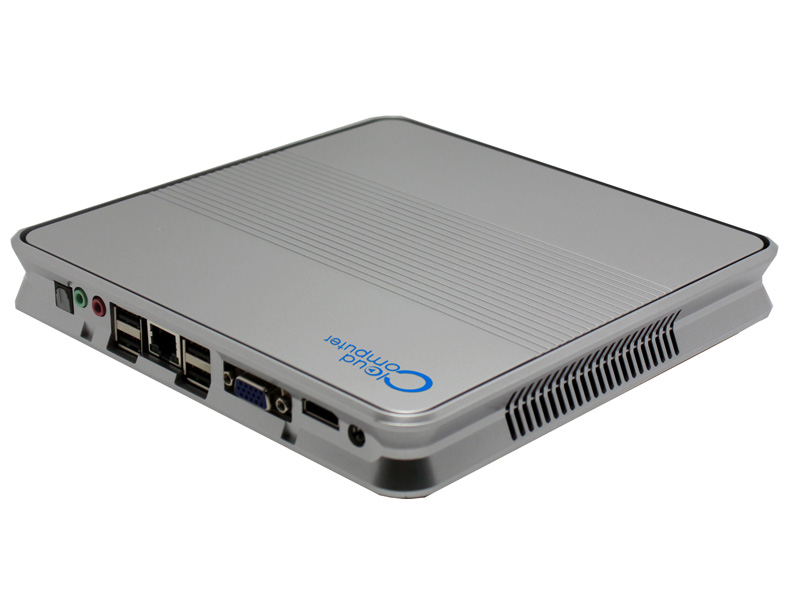
Sourcing specialized computing hardware—ranging from embedded systems and single-board computers (SBCs) to ruggedized industrial PCs and edge gateways—requires a fundamentally different approach than buying consumer electronics. When you are importing non-standard computers in bulk, the primary sourcing challenges shift from aesthetic design to component longevity, thermal stability, and strict I/O interface requirements.
Bill of Materials (BOM) Management and Component Lifecycles
The most critical failure point when sourcing specialized computers is unannounced component substitution. Consumer PC manufacturers frequently swap memory controllers, network interface cards (NICs), or power management ICs based on spot-market pricing. For specialized and industrial applications, this breaks software compatibility and voids certifications.
When negotiating with a manufacturer, you must establish a "Locked BOM" agreement. This guarantees that the core components (CPU, chipset, LAN controller, and memory modules) will not change without a formal Product Change Notification (PCN) and your explicit approval.
| Requirement | Consumer PCs | Specialized / Industrial Computers |
|---|---|---|
| BOM Stability | Fluctuates based on spot pricing | Strictly locked for 3 to 7 years |
| Operating Temp | 0°C to 35°C | Extended ranges (e.g., -20°C to 70°C) |
| I/O Interfaces | Standard USB, HDMI | Legacy COM, GPIO, dual LAN, RS-232/485 |
| Cooling | Active (fans) | Often fanless (passive heatsinks) |
Need to secure a locked BOM and reliable supply chain for your specialized computing hardware?
Talk to our teamManufacturing Tolerances and Quality Control
Specialized computers are often deployed in harsh environments where dust, vibration, and extreme temperatures are standard. The reliability of these units is determined on the Surface-Mount Technology (SMT) line and during post-assembly validation.
When evaluating a factory's capabilities, look for rigorous testing protocols rather than just assembly capacity. Verifying these processes often requires thorough Factory Audits to ensure the supplier actually owns the testing equipment they claim to use.
Critical Factory Validation Steps
- Automated Optical Inspection (AOI) on all PCB assemblies to catch soldering defects.
- Thermal chamber testing to verify passive cooling efficiency under maximum CPU load.
- Vibration testing for ruggedized units, particularly checking storage and RAM seating.
- Extended burn-in testing (typically 24 to 72 hours) at elevated temperatures to catch early silicon failure.
Catching defects before shipment is vastly cheaper than handling RMAs for deployed industrial hardware. Implementing strict Quality Control & Inspection protocols, including pre-shipment functional testing of all I/O ports, is non-negotiable.
Customization: Barebone vs. Fully Configured
Importers typically source specialized computers in one of two ways: barebone systems (chassis, motherboard, and power supply) or fully configured units (including RAM, storage, and pre-installed OS/firmware).
Sourcing barebone units allows you to utilize your own local component inventory and avoid paying import duties on the added value of RAM and SSDs. However, if you require a complete, ready-to-deploy product, utilizing OEM/ODM Services to have the factory handle full integration and custom BIOS flashing is more efficient.
BIOS and Firmware Customization
If your application requires custom boot logos, specific power-on states (e.g., Restore AC Power Loss), or locked BIOS settings, this must be flashed at the factory level. Ensure your supplier has the engineering capability to modify and flash AMI or Insyde BIOS firmware in bulk.
Typical MOQs, Pricing, and Lead Times
Pricing for specialized computing hardware is highly dependent on the chipset generation, I/O complexity, and the ruggedness of the chassis.
- Minimum Order Quantities (MOQs): Standard off-the-shelf barebone mini-PCs or SBCs often have MOQs as low as 100 to 200 units. If you require custom I/O layouts, custom chassis tooling, or a strictly locked BOM for industrial use, expect MOQs to start at 500 units.
- Lead Times: Standard configurations usually require 30 to 45 days. Fully custom ODM projects, factoring in tooling and prototype validation, can take 90 to 120 days before mass production begins.
- Compliance Costs: Specialized computers must pass stringent Compliance & Testing for FCC, CE, and RoHS. If you are modifying a chassis or changing the power supply, the unit may need to be re-certified for EMC/EMI, which adds both cost and time to the initial order.
Evaluating suppliers for custom embedded systems or specialized PCs? We can help you negotiate terms and verify technical capabilities.
Get a free consultationFrequently Asked Questions
Successful sourcing in the specialized computer category comes down to locking in your specifications and ensuring the factory has the engineering discipline to maintain them across multiple production runs. By prioritizing component stability and rigorous thermal testing, you can deploy hardware that performs reliably in the field.
Get Sourcing Help for Other Computers
Tell us your requirements and our experts will connect you with verified manufacturers.