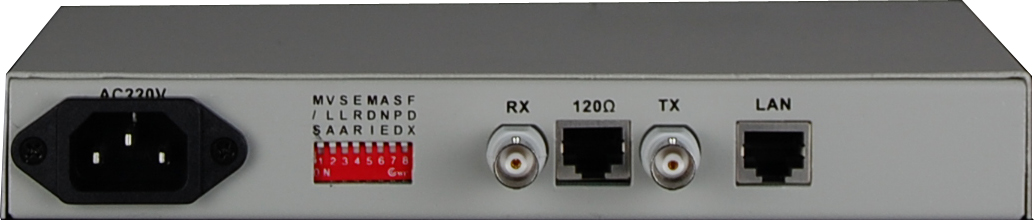
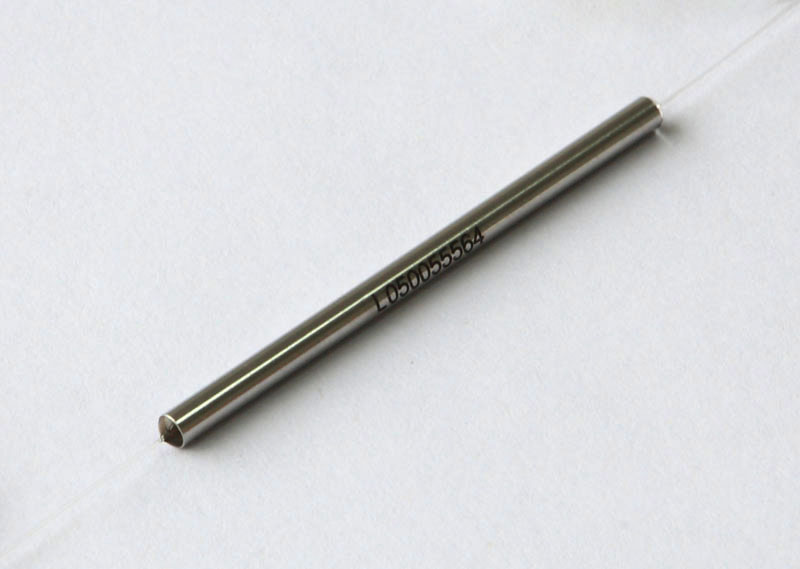
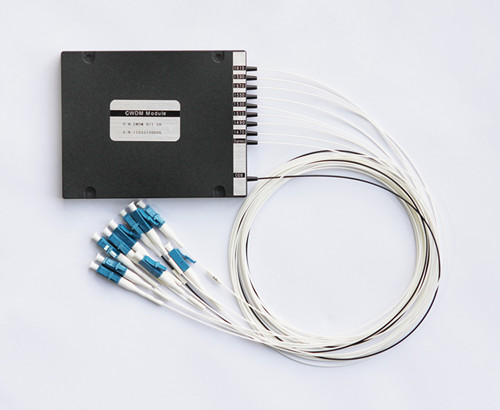
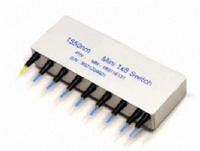
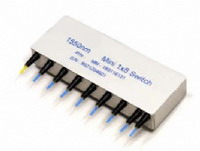
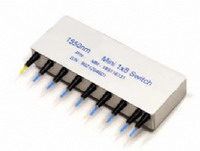
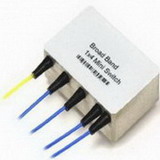
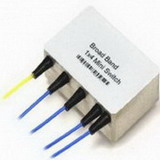
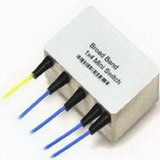
Other Communication Facilities
Source specialized and other communication facilities directly from vetted manufacturers and wholesale suppliers. Designed for telecom distributors, infrastructure importers, and brands seeking reliable OEM production, our network ensures strict compliance, scalable volumes, and competitive factory-direct pricing.
Sourcing specialized communication facilities—whether industrial network gateways, niche signal repeaters, or legacy telecom infrastructure—requires rigorous attention to interoperability and environmental tolerances. Unlike standard consumer electronics, these components must integrate flawlessly into existing networks while maintaining high uptime under harsh operating conditions. Success depends on matching your exact technical requirements with a factory that possesses the right testing infrastructure and engineering capabilities.
Critical Specifications for Specialized Telecom Gear
When defining your product requirements, precision is non-negotiable. Ambiguity in your specification sheet often leads to signal degradation, thermal throttling, or complete network failure in the field.
Professional buyers must lock down these core parameters before approaching a manufacturer:
- Frequency and Bandwidth Support: Specify exact operating frequencies, channel widths, and modulation schemes. Ensure the hardware supports the specific regional telecom bands where the equipment will be deployed.
- Environmental Tolerances: Standard commercial gear fails in industrial applications. Specify the required operating temperature range (typically -40°C to 85°C for industrial applications) and humidity tolerances.
- Ingress Protection (IP Rating): For outdoor or factory-floor facilities, specify IP65, IP67, or IP68 ratings for dust and water resistance.
- Mean Time Between Failures (MTBF): Require the manufacturer to provide MTBF calculations based on standardized models (like MIL-HDBK-217), aiming for 100,000+ hours for critical infrastructure.
| Specification | Commercial Grade | Industrial/Telecom Grade |
|---|---|---|
| Operating Temp | 0°C to 40°C | -40°C to 85°C |
| Component Lifespan | 3 to 5 years | 10+ years |
| Conformal Coating | Rarely applied | Standard on all PCBs |
| Power Input | Standard AC/DC adapter | Redundant DC inputs (e.g., 48V) |
Manufacturing Quality and Factory Vetting
The reliability of communication facilities is won or lost on the factory floor. High-frequency RF components and complex printed circuit board assemblies (PCBAs) require advanced Surface Mount Technology (SMT) lines with strict environmental controls.
When evaluating potential partners, conducting comprehensive factory audits is essential to verify their production capabilities. Look for facilities that utilize Automated Optical Inspection (AOI) and X-ray inspection to detect hidden soldering defects on high-density boards.
The Firmware Vulnerability
Hardware is only half the equation. Ensure your supplier has robust version control for firmware. Unannounced firmware swaps mid-production run can break compatibility with your existing network management systems. Always mandate that firmware versions are locked to your specific purchase order.
Essential Pre-Shipment Testing
Do not rely solely on the factory's internal quality checks. Implementing rigorous, independent quality control protocols before shipment prevents costly field failures. Your inspection checklist should include:
Telecom Hardware Inspection Protocol
- Burn-in testing (minimum 48 hours at elevated temperatures under load)
- RF signal integrity and spectrum analysis testing
- Power cycling and redundant power failover verification
- Firmware version verification and MAC address allocation checks
- Visual inspection of conformal coating application on PCBs
Sourcing reliable communication infrastructure requires rigorous factory vetting and technical oversight. Let Merhein handle the supplier qualification and quality assurance process.
Talk to our teamNavigating Compliance and Certifications
Communication facilities are heavily regulated globally. Importing non-compliant hardware can result in customs seizures, hefty fines, or forced product recalls.
Depending on your target market, you must ensure the factory can provide valid test reports for FCC (United States), CE-RED (Europe), or IC (Canada). Furthermore, environmental compliance such as RoHS and REACH is mandatory in most Western markets. If you are developing custom hardware through OEM/ODM services, budget both time and capital for certification testing, as the responsibility for compliance ultimately falls on the importer of record.
Pricing, MOQs, and Production Lead Times
Because "Other Communication Facilities" encompasses a wide range of specialized equipment, pricing and order minimums vary significantly based on the complexity and customization required.
Volume discounts are highly dependent on the cost of the underlying chipsets. When global semiconductor supply chains tighten, expect lead times to extend and pricing to fluctuate. Locking in component inventory early is a standard strategy for stabilizing costs on long-term production runs.
Need accurate pricing, realistic lead times, or help negotiating MOQs for specialized communication hardware? Speak with our sourcing experts today.
Get a free consultationFrequently Asked Questions
Procuring specialized communication facilities is fundamentally about risk management. By clearly defining your technical parameters, enforcing strict quality control, and ensuring absolute regulatory compliance, you protect your network infrastructure and your bottom line. Partnering with experienced sourcing professionals ensures your hardware meets these exacting standards from the first prototype to the final shipment.
Get Sourcing Help for Other Communication Facilities
Tell us your requirements and our experts will connect you with verified manufacturers.