Other Body Parts
Source other body parts in bulk from vetted manufacturers and suppliers. Built for automotive importers, wholesalers, distributors, and aftermarket brands seeking reliable OEM and aftermarket production, ensuring precise fitment, material durability, and scalable tooling.
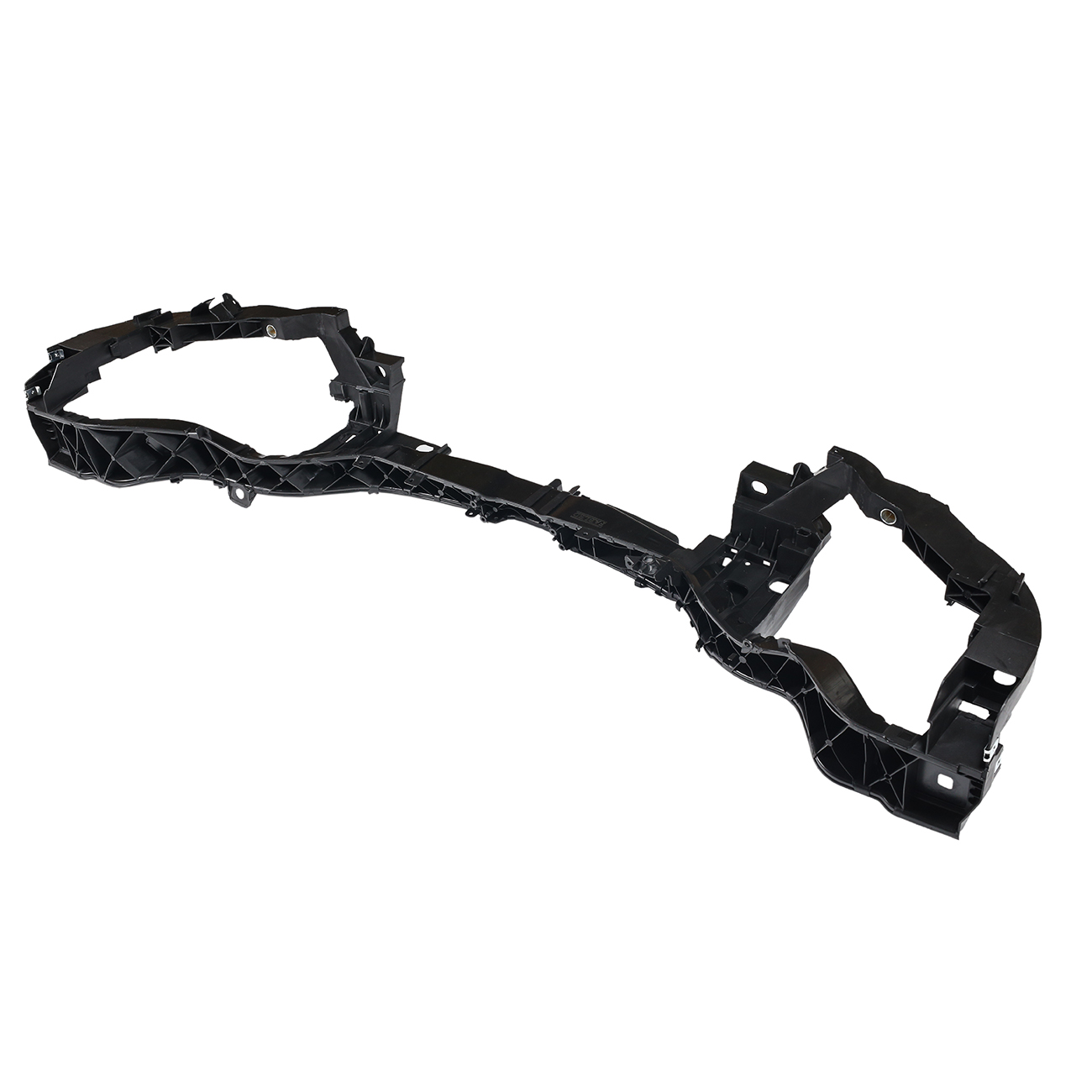
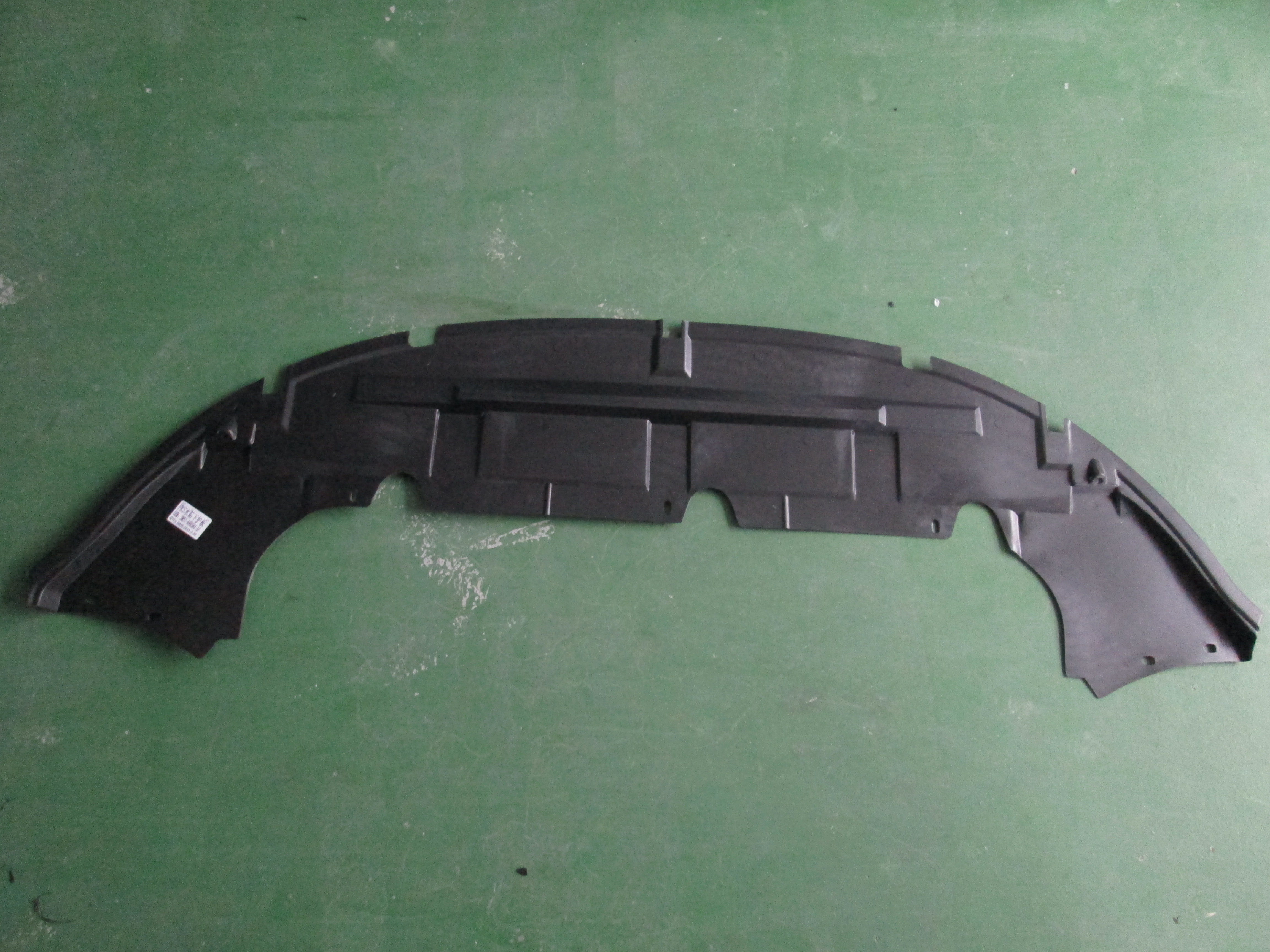
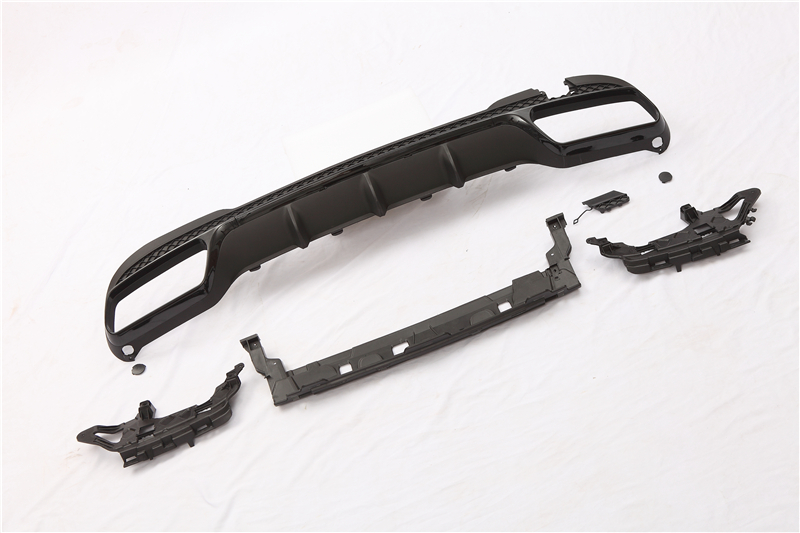
Sourcing miscellaneous auto body components—ranging from structural brackets and mounting panels to cowls, hinges, and specialized trim—presents a unique procurement challenge. Unlike major crash parts, this category involves a highly fragmented bill of materials spanning multiple manufacturing disciplines, including metal stamping, plastic injection molding, and rubber extrusion. The core challenge for buyers is balancing tooling investments with dimensional accuracy across hundreds of low-to-medium volume SKUs.
Material and Production Specifications
Because this category catches the structural and cosmetic components that bridge major body systems, supplier capability must align exactly with your material requirements. A factory excelling in stamped steel brackets will rarely possess the in-house extrusion lines needed for EPDM weatherstripping.
When mapping out your procurement strategy, categorize your parts by their underlying manufacturing process to identify the right factory profile.
| Material Category | Typical Components | Primary Production Method | Key Specification Metric |
|---|---|---|---|
| Ferrous Metals | Mounting brackets, stays, hinges | Progressive die stamping | Tensile strength, salt spray resistance |
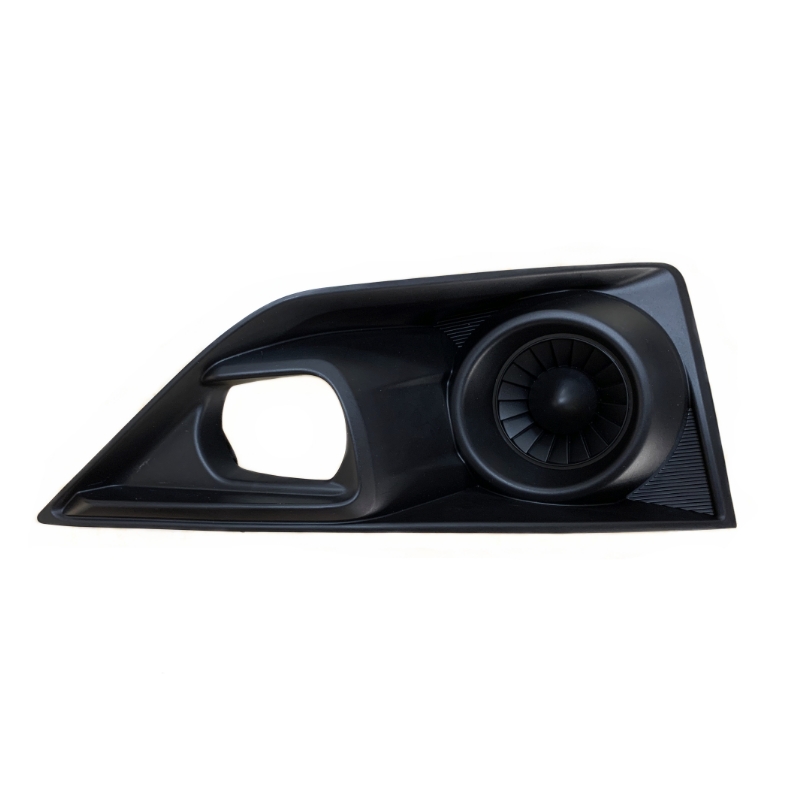
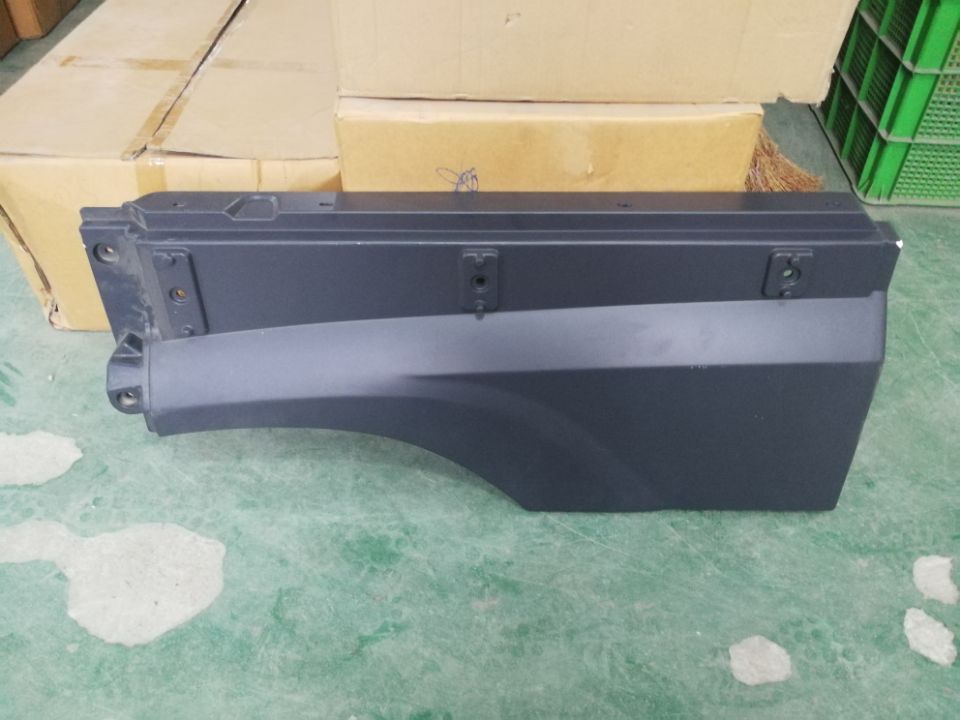
| Thermoplastics (ABS, PP, TPO) | Cowls, filler panels, trim clips | Injection molding | Impact resistance, UV stability |
| Elastomers (EPDM, Silicone) | Seals, weatherstripping, grommets | Extrusion, compression molding | Shore hardness, compression set |
For custom or aftermarket modifications, verifying the factory's tooling shop is critical. Look for facilities with in-house CNC capabilities and mold-flow analysis tools. If you are developing proprietary components, integrating OEM/ODM Services early in the design phase ensures the tooling is optimized for the specific resin or alloy, reducing cycle times and minimizing flash or burrs.
Quality Control and Fitment Validation
Dimensional variance in auxiliary body parts often leads to cascading fitment issues during vehicle assembly or repair. A bracket that is off by two millimeters can misalign an entire bumper assembly.
The Reverse Engineering Trap
Many aftermarket factories reverse-engineer parts using worn OEM samples. Ensure your supplier uses 3D laser scanning on new-in-box OEM components or relies on verified CAD data to establish baseline dimensions.
Implement a strict quality validation protocol before mass production begins. Rather than relying solely on factory-provided inspection reports, utilize independent Quality Control & Inspection to verify critical tolerances.
Critical Inspection Points for Auxiliary Body Parts
- Dimensional accuracy against OEM CAD data or master samples using CMM (Coordinate Measuring Machine).
- Surface finish inspection for sink marks, weld lines, or flash on injection-molded parts.
- Coating thickness and adhesion testing (e.g., e-coating or powder coating on steel brackets).
- Salt spray testing (minimum 480 hours) for exposed metal components.
- Material composition verification via mass spectrometry to prevent resin or alloy substitution.
Struggling with inconsistent fitment across your aftermarket catalog? Let's build a dedicated quality control framework for your supply chain.
Discuss Quality StandardsMOQs, Lead Times, and Pricing Dynamics
The economics of sourcing these components hinge heavily on tooling amortization and batch production efficiency. Because many of these parts are small but require complex molds or dies, factories rely on volume to offset setup times.
Managing Fragmented Purchasing
A common pitfall in this category is supplier bloat. Managing twenty different factories for fifty different clips, brackets, and cowls drives up logistics costs and complicates quality management.
Consolidating your vendor base through targeted Product Sourcing allows you to group similar manufacturing processes (e.g., all injection-molded parts) under a single tier-one supplier. This approach not only lowers aggregate MOQs through combined purchasing power but also simplifies container loading and freight consolidation.
Need to consolidate your supplier base for auto body components? Talk to our procurement team about streamlining your vendor list.
Explore Sourcing SolutionsBuyer FAQs
Successfully scaling your auto parts inventory requires moving away from transactional buying and building relationships with capable, specialized manufacturers. By focusing on process-specific supplier selection and rigorous dimensional control, you can eliminate fitment issues and protect your brand's reputation in the aftermarket.
Get Sourcing Help for Other Body Parts
Tell us your requirements and our experts will connect you with verified manufacturers.