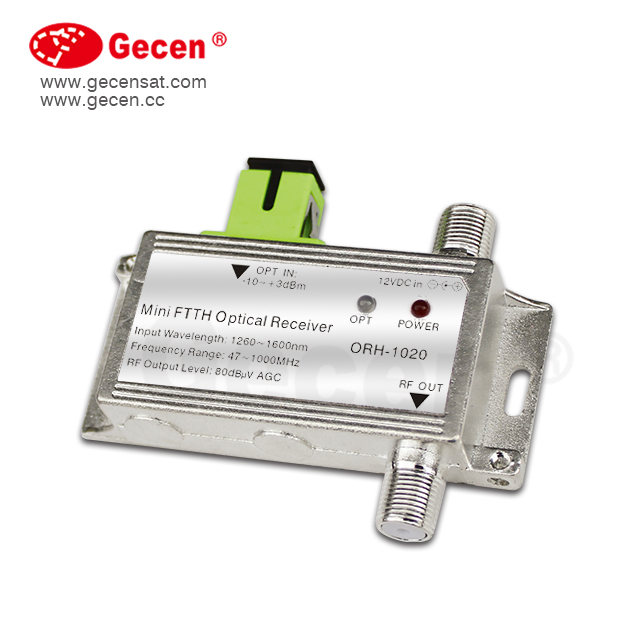
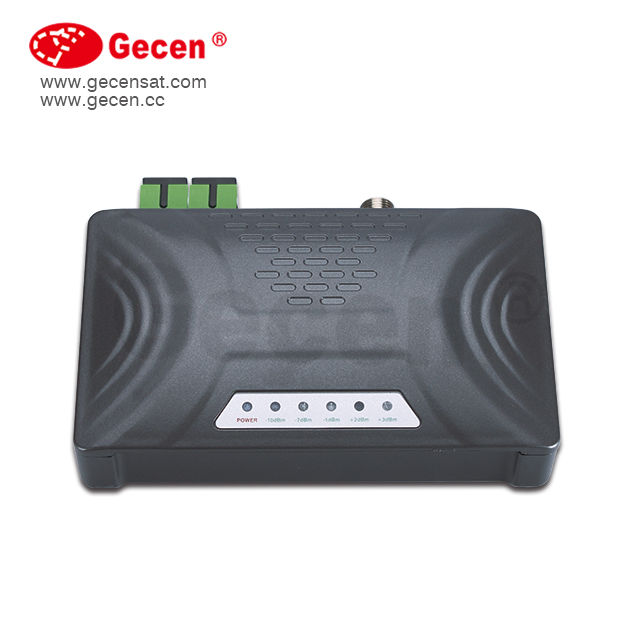
Optical Communication Equipment
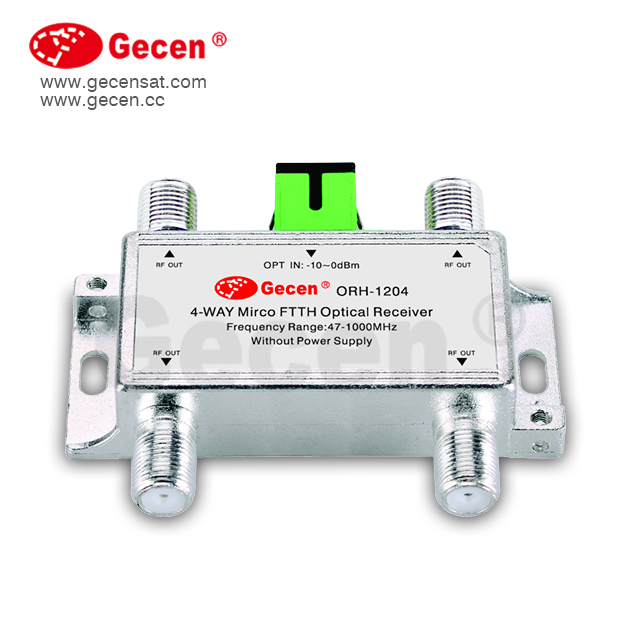
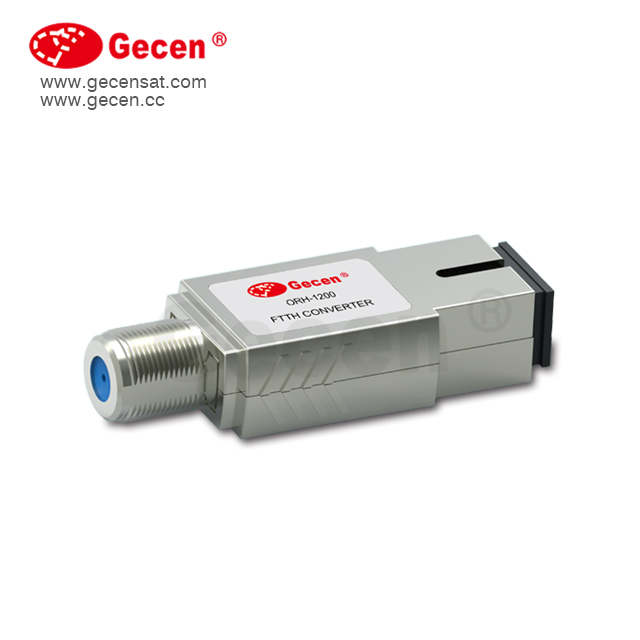
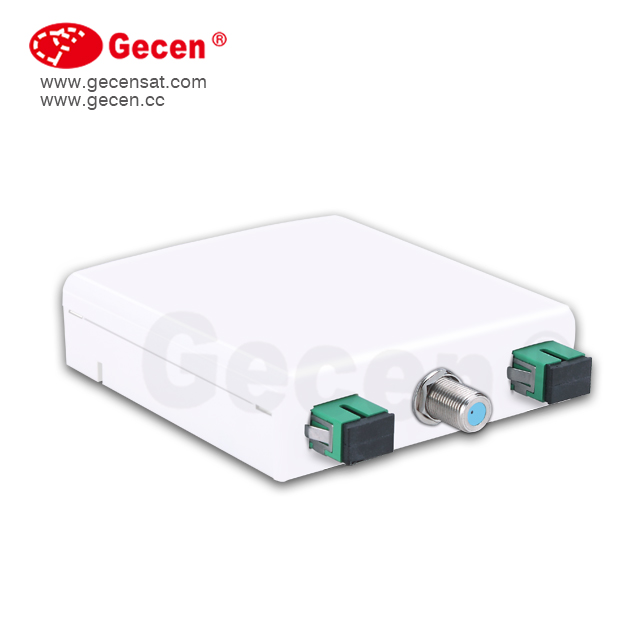
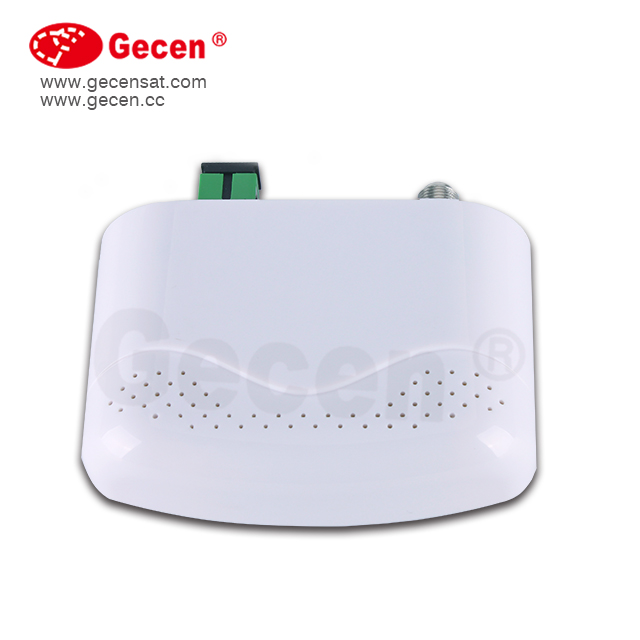
Source commercial-grade optical communication equipment from vetted manufacturers and suppliers in China. Designed for telecom distributors, network infrastructure importers, and brands seeking OEM/ODM production, our factory-direct wholesale network ensures reliable performance, strict compliance, and scalable volume pricing.
Sourcing optical communication equipment at scale requires navigating a complex matrix of component origins, assembly precision, and stringent industry standards. Whether you are importing active transceivers, passive multiplexers, or enterprise-grade fiber switches, the core sourcing challenge remains consistent: ensuring absolute reliability and multi-vendor compatibility without absorbing the inflated margins of tier-one branded hardware.
Manufacturing Precision and Component Selection
The reliability of optical network hardware is won or lost on the factory floor, specifically in the cleanroom environment and the choice of optoelectronic components. The core cost and performance drivers are the Transmitter Optical Sub-Assembly (TOSA) and Receiver Optical Sub-Assembly (ROSA).
| Component / Spec | Standard Commercial | High-Performance / Industrial |
|---|---|---|
| Laser Type (TOSA) | VCSEL (Short reach, multimode) | DFB or EML (Long reach, single-mode) |
| Receiver Type (ROSA) | PIN Diode (Standard sensitivity) | APD (High sensitivity for long haul) |
| Operating Temperature | 0°C to 70°C | -40°C to 85°C |
| Assembly Method | Semi-automated alignment | Fully automated active alignment |
When evaluating a manufacturer, their bonding and alignment capabilities are critical. Active optical alignment equipment is capital-intensive; factories relying on manual alignment will struggle with yield consistency, especially for 100G, 400G, and 800G modules.
Need to verify a manufacturer's cleanroom and alignment automation? We conduct rigorous technical audits on the ground.
Talk to our teamQuality Control and Performance Testing
Optical hardware cannot be validated by visual inspection alone. Comprehensive testing protocols must be integrated into the production line. A reliable supplier will maintain a robust testing lab to verify MSA (Multi-Source Agreement) compliance and IEEE standards.
Critical Factory-Level Tests for Optical Equipment
- Bit Error Rate (BER) Testing: Continuous transmission testing to ensure zero packet loss under load.
- Eye Diagram Analysis: Validating signal integrity, jitter, and optical transmission quality.
- Thermal Cycling: Stress-testing modules across their rated temperature extremes to catch early-life failures.
- EEPROM Coding Verification: Ensuring accurate firmware flashing for target switch compatibility.
If your factory lacks high-end testing equipment (such as Keysight or Anritsu analyzers), defect rates will inevitably slip through. Integrating professional Quality Control & Inspection before shipment is non-negotiable for active optical components.
Firmware Coding and OEM Customization
For distributors and brands, cross-compatibility is the primary value proposition. Unbranded or private-label transceivers must interface seamlessly with major OEM switches. This requires precise EEPROM programming. When utilizing OEM/ODM Services to build your own brand of optical gear, ensure the factory maintains an extensive library of original switches (not just emulators) to test coding compatibility on the actual hardware before mass production.
Pricing, MOQs, and Production Lead Times
Optical equipment pricing is highly sensitive to the global supply of DSP (Digital Signal Processor) chips and laser diodes. While final assembly happens in China, the core silicon often originates elsewhere, making lead times susceptible to global semiconductor fluctuations.
When negotiating bulk orders, clarify whether the quoted price includes original or domestic equivalent optoelectronic chips. Domestic Chinese lasers offer significant cost advantages for short-reach applications, but imported lasers are often required for long-haul stability and compliance.
Struggling with inconsistent pricing or component shortages? Let us stabilize your optical supply chain.
Get a free consultationFrequently Asked Questions
Securing reliable optical communication equipment requires looking past the spec sheet and into the factory's testing lab. The difference between a profitable wholesale operation and a network failure often comes down to the supplier's commitment to automated alignment and rigorous signal testing. Merhein's on-the-ground engineering presence ensures your optical hardware meets the highest data center and telecom standards before it ever leaves the facility.
Get Sourcing Help for Optical Communication Equipment
Tell us your requirements and our experts will connect you with verified manufacturers.