Oilfield Mud Tanks
Source high-quality Oilfield Mud Tanks from vetted manufacturers and suppliers in China. Designed for procurement managers, distributors, and equipment brands looking for bulk imports, wholesale pricing, and custom OEM production. Ensure your drilling operations are supported by reliable, compliant mud systems.
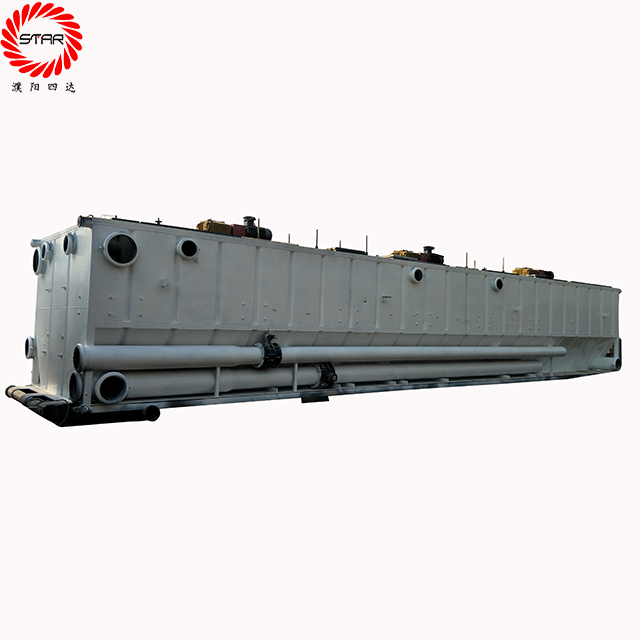
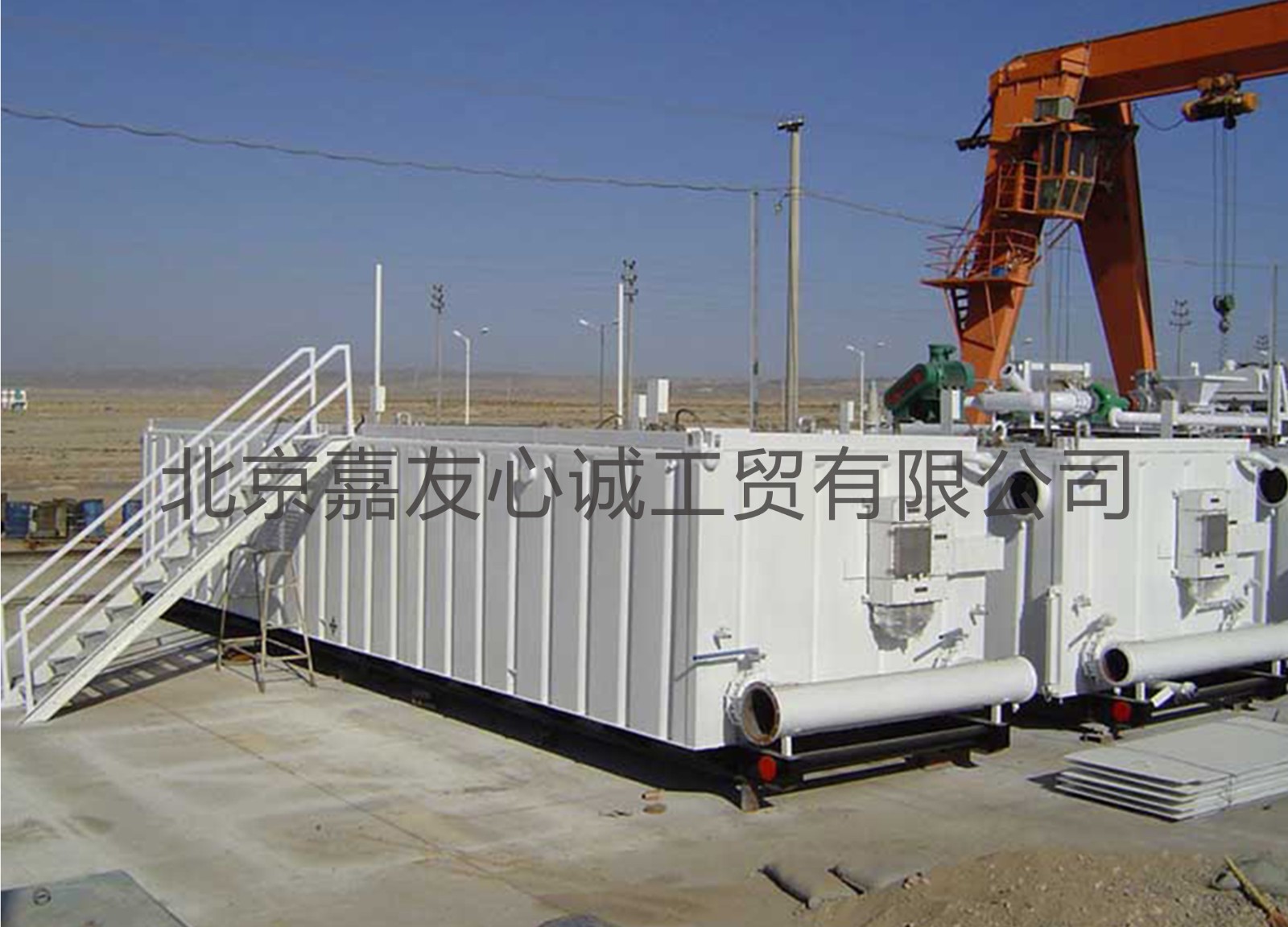
Sourcing oilfield mud tanks requires balancing structural integrity, fluid dynamics, and strict adherence to industry standards. These systems are the circulatory heart of any drilling operation. A poorly welded manifold, insufficient structural bracing, or a substandard internal coating can lead to rapid corrosion, leaks, and catastrophic rig downtime. When procuring these units in volume or commissioning custom builds, verifying factory capability is just as critical as the technical specifications on your purchase order.
Core Technical Specifications to Define
When negotiating with manufacturers, vague specifications invite cost-cutting. Factories will default to standard domestic materials and basic coatings unless you explicitly define your requirements.
| Specification | Standard Drilling Environment | Harsh/Corrosive Environment |
|---|---|---|
| Base Material | Q235B Carbon Steel (Yield 235 MPa) | Q345B / Q355B (Yield 345+ MPa) |
| Internal Coating | Standard Epoxy (DFT ~200 microns) | Zinc-rich primer + Glass-flake Epoxy (DFT 300+ microns) |
| Skid Structure | Standard I-beam construction | Reinforced H-beam with lifting lugs rated for full-weight lift |
| Piping Manifolds | Schedule 40 Seamless | Schedule 80 Seamless with anti-abrasion elbows |
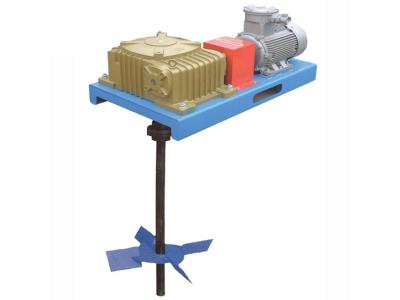
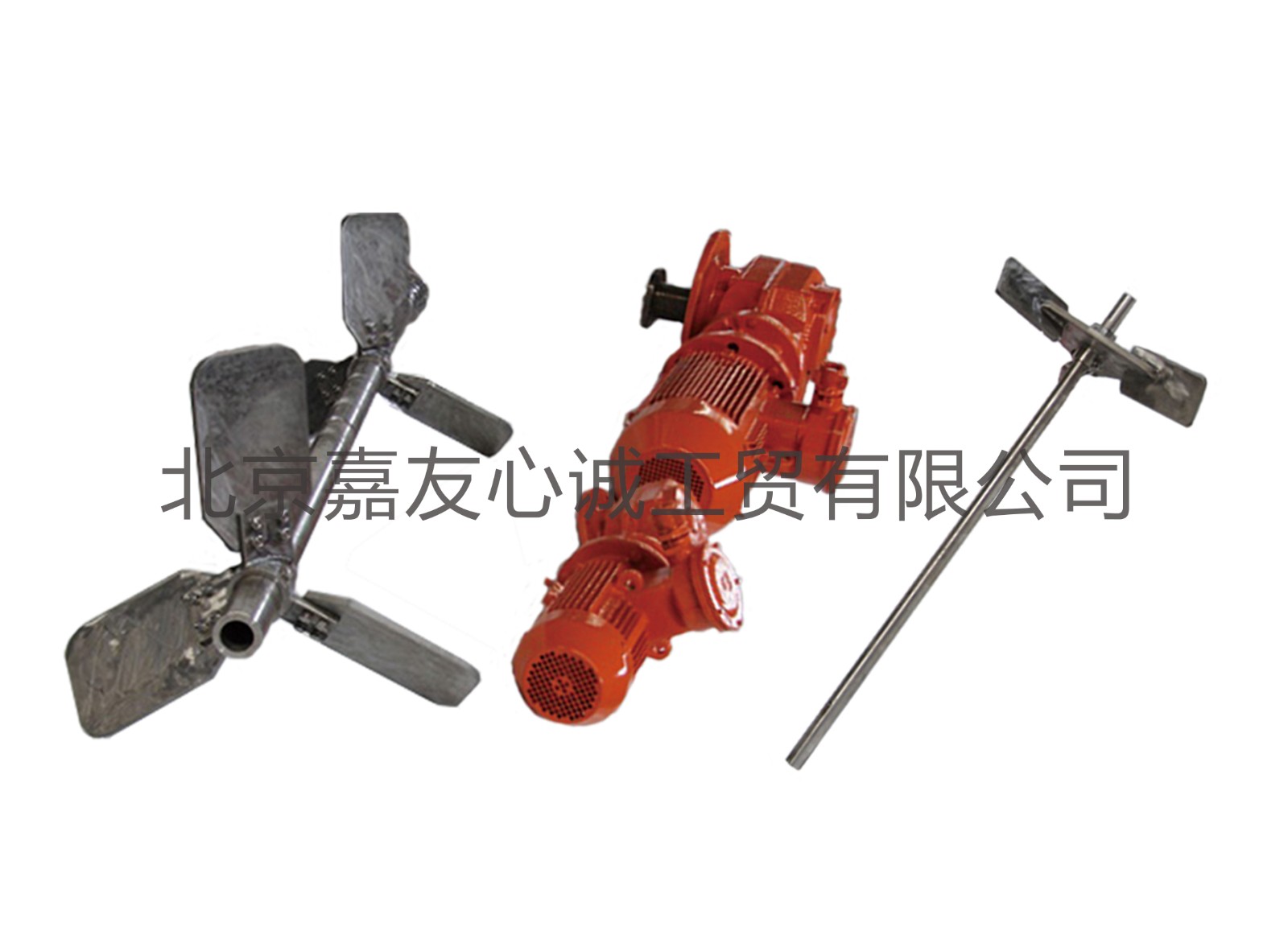
If you require specific configurations for agitators, mud guns, or shale shakers, engaging a factory that offers robust OEM/ODM Services is essential. They must be able to adapt their CAD designs to your specific footprint and equipment mounting requirements without compromising the structural integrity of the tank roof.
Need help identifying a manufacturer capable of meeting strict API structural standards and custom OEM configurations? We can manage the sourcing and technical negotiation for you.
Talk to our teamManufacturing Tolerances and Quality Control
The primary failure points in mud tanks are weld fatigue from transport and vibration, and coating failure due to abrasive drilling fluids. Assessing a supplier's production floor before committing to a bulk order is non-negotiable. Comprehensive Factory Audits should focus specifically on their welding procedures and surface preparation facilities.
Critical Factory QC Checkpoints
- Welders must hold valid certifications for structural steel (e.g., AWS D1.1 or equivalent).
- Surface preparation must reach SA 2.5 (near-white metal) before primer application.
- Non-Destructive Testing (NDT) such as Ultrasonic Testing (UT) or Magnetic Particle Inspection (MPI) must be performed on all critical load-bearing welds.
- Hydrostatic testing must be conducted to verify zero leaks in tanks and manifold piping.
- Dry Film Thickness (DFT) gauges must be used to verify coating uniformity.
Relying solely on the factory's final inspection report is a high-risk strategy. Implementing third-party Quality Control & Inspection during the manufacturing process ensures that surface preparation and mid-production welding standards are met before they are hidden beneath layers of industrial paint.
Logistics and Freight Considerations
Mud tanks are inherently bulky, often falling into the Out-of-Gauge (OOG) category for ocean freight. Transporting them requires specialized flat-rack containers or breakbulk shipping.
Skid Design for Transport
Ensure the tank's base skid is designed to withstand the dynamic loads of ocean transit and rough overland transport. Lifting lugs must be clearly marked and rated for the tare weight of the tank, and the center of gravity must be calculated and painted on the exterior.
Typical Pricing, Lead Times, and MOQs
Because mud tanks are capital equipment, Minimum Order Quantities (MOQs) are highly flexible, but unit costs are heavily dependent on steel commodity prices and the complexity of the integrated manifold systems.
Managing the production timeline, quality inspections, and complex OOG shipping for heavy oilfield equipment requires dedicated oversight. Let us streamline your supply chain.
Get a free consultationFrequently Asked Questions
Procuring oilfield mud tanks internationally offers significant cost advantages, but it leaves zero room for error in structural engineering, welding, and surface treatment. Success depends on rigorous upfront specification, active factory oversight, and meticulous logistics planning to ensure your equipment arrives ready for immediate deployment on the rig.
Get Sourcing Help for Oilfield Mud Tanks
Tell us your requirements and our experts will connect you with verified manufacturers.