Oil Press
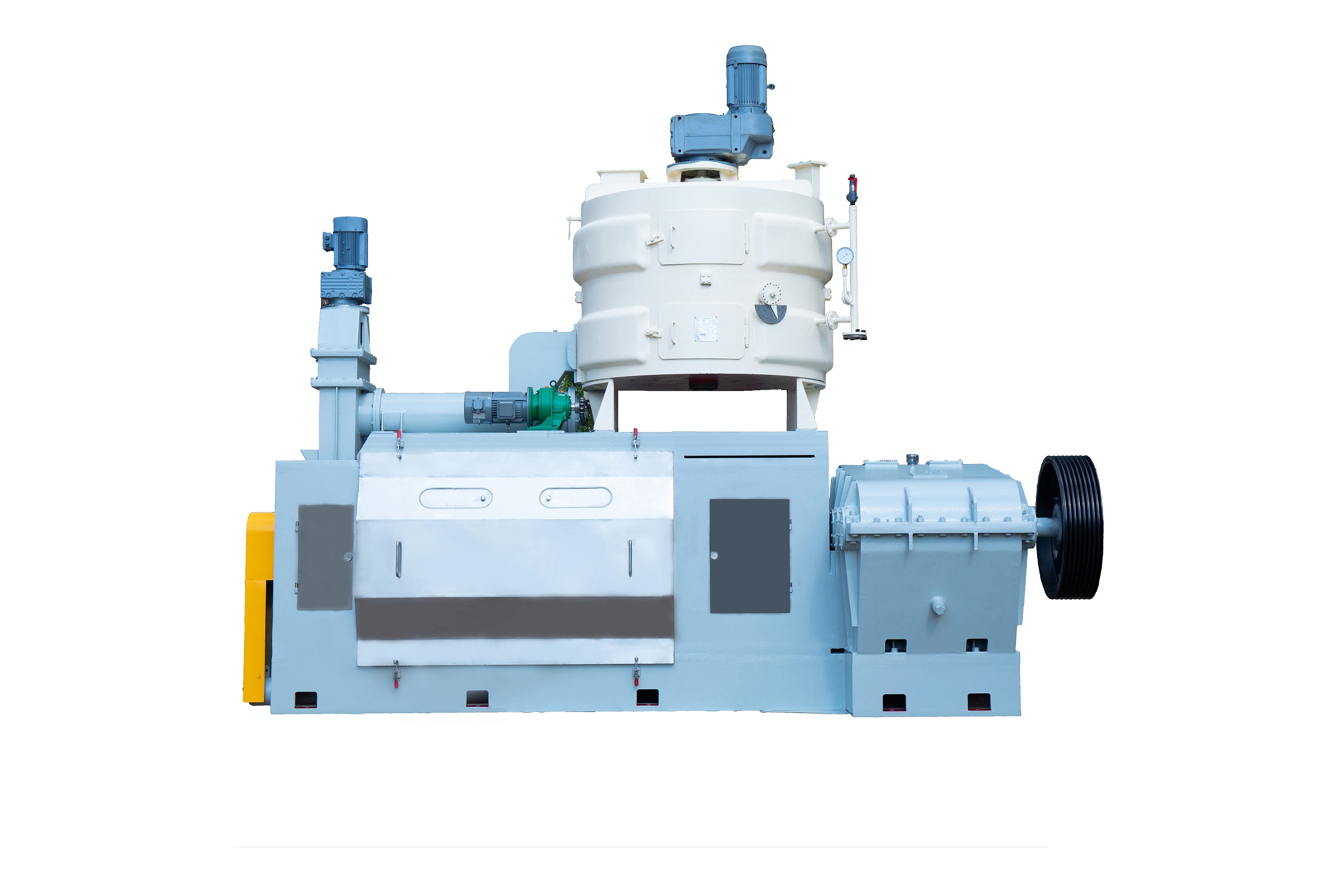
Source commercial and industrial oil press machinery directly from vetted manufacturers and suppliers. Designed for agricultural distributors, procurement managers, and brands seeking OEM/ODM production, our wholesale catalog features high-yield screw and hydraulic presses built for reliable extraction.
Sourcing industrial oil presses requires balancing initial capital expenditure with long-term extraction efficiency. For commercial buyers, the primary challenge lies in verifying the metallurgy of wear parts and the true continuous-run capacity of the machine. These factors directly dictate the residual oil rate, maintenance downtime, and ultimately, the profitability of the extraction operation.
Core Specifications and Extraction Efficiency
When evaluating suppliers, the specifications on paper often differ from factory-floor reality. Buyers must define precise technical requirements to ensure the machinery performs reliably under continuous load.
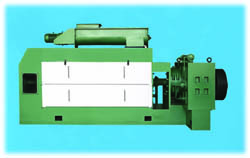
Screw Press vs. Hydraulic Press
The choice of extraction method depends entirely on the raw material and the end-product requirements.
| Specification | Screw Press (Expeller) | Hydraulic Press |
|---|---|---|
| Best For | High-oil seeds (peanut, sunflower, rapeseed) | High-value, low-yield nuts (sesame, pine nut, olive) |
| Operating Temperature | High friction (often requires cooling) | Low friction (true cold press) |
| Throughput | Continuous, high capacity | Batch processing, lower capacity |
| Residual Oil Rate | Lower (maximum extraction) | Slightly higher |
Manufacturing Quality and Wear Parts
The lifespan of an oil press is determined by the quality of its machining and heat treatment. The pressing chamber (cage bars) and the pressing screw (worm) endure immense friction and pressure. If a manufacturer cuts costs on metallurgy, these parts will wear out rapidly, leading to increased residual oil in the cake and frequent machine downtime.
High-quality suppliers use forged steel (such as 20CrMnTi or Cr12) for the pressing screw, followed by carburizing or high-frequency quenching to achieve a surface hardness of HRC 55-60. Verifying these processes often requires professional Factory Audits to ensure the supplier actually possesses the necessary heat-treatment facilities or partners with certified subcontractors.
Critical Quality Control Checkpoints
- Metallurgy: Verify the exact steel grade and hardening process used for the pressing screw and rings.
- Gearbox: Ensure helical gears are used rather than cheaper spur gears to handle high torque with less noise.
- Motor Quality: Specify 100% copper core motors from reputable brands (e.g., Siemens or top-tier domestic equivalents).
- Food Contact Surfaces: Demand SS304 or SS316 stainless steel for hoppers, oil pans, and covers to meet food safety standards.
Ensure your agricultural machinery meets strict performance and durability standards with our on-the-ground engineering support.
Talk to our teamPricing, MOQs, and Supply Chain Realities
Pricing for oil presses scales aggressively with capacity, automation level, and material quality.
- Commercial Units (50-150 kg/h): Typically range from $1,200 to $3,500 FOB. These are often standard models kept in stock or assembled quickly.
- Industrial Expellers (300-600+ kg/h): Range from $4,000 to $12,000+ FOB, heavily dependent on the gearbox quality and integrated features like vacuum filtration or automatic temperature control.
- Complete Processing Lines: Full setups including seed roasters, conveyors, and refining equipment can exceed $50,000.
MOQs and Lead Times: For standard commercial units, the Minimum Order Quantity (MOQ) is usually just 1 to 5 units, making it accessible for distributors testing a new supplier. Lead times for standard units are typically 15 to 25 days. If you are utilizing OEM/ODM Services for custom branding, specific electrical configurations, or modified structural designs, expect MOQs of 10+ units and lead times extending to 35-45 days.
Because oil presses are heavy, dense cargo, freight costs represent a significant portion of the landed price. Coordinating Shipping & Freight efficiently—whether via LCL for sample units or FCL for bulk orders—is critical to maintaining your profit margins.
Need reliable pricing, factory vetting, and heavy machinery logistics? Let our sourcing experts streamline your procurement.
Get a free consultationBuyer FAQ
When procuring oil extraction machinery, the lowest FOB price rarely results in the lowest total cost of ownership. The true value of an oil press is measured by its continuous uptime, extraction yield, and the longevity of its wear parts. Partnering with a vetted manufacturer ensures your equipment delivers consistent performance season after season.
Get Sourcing Help for Oil Press
Tell us your requirements and our experts will connect you with verified manufacturers.