Oil Pipeline Transportation Engineering
Source reliable Oil Pipeline Transportation Engineering components and contracting services from vetted suppliers and manufacturers in China. Designed for procurement managers, EPC contractors, and wholesalers importing bulk pipeline materials, valves, and pumping station equipment for major petrochemical projects.
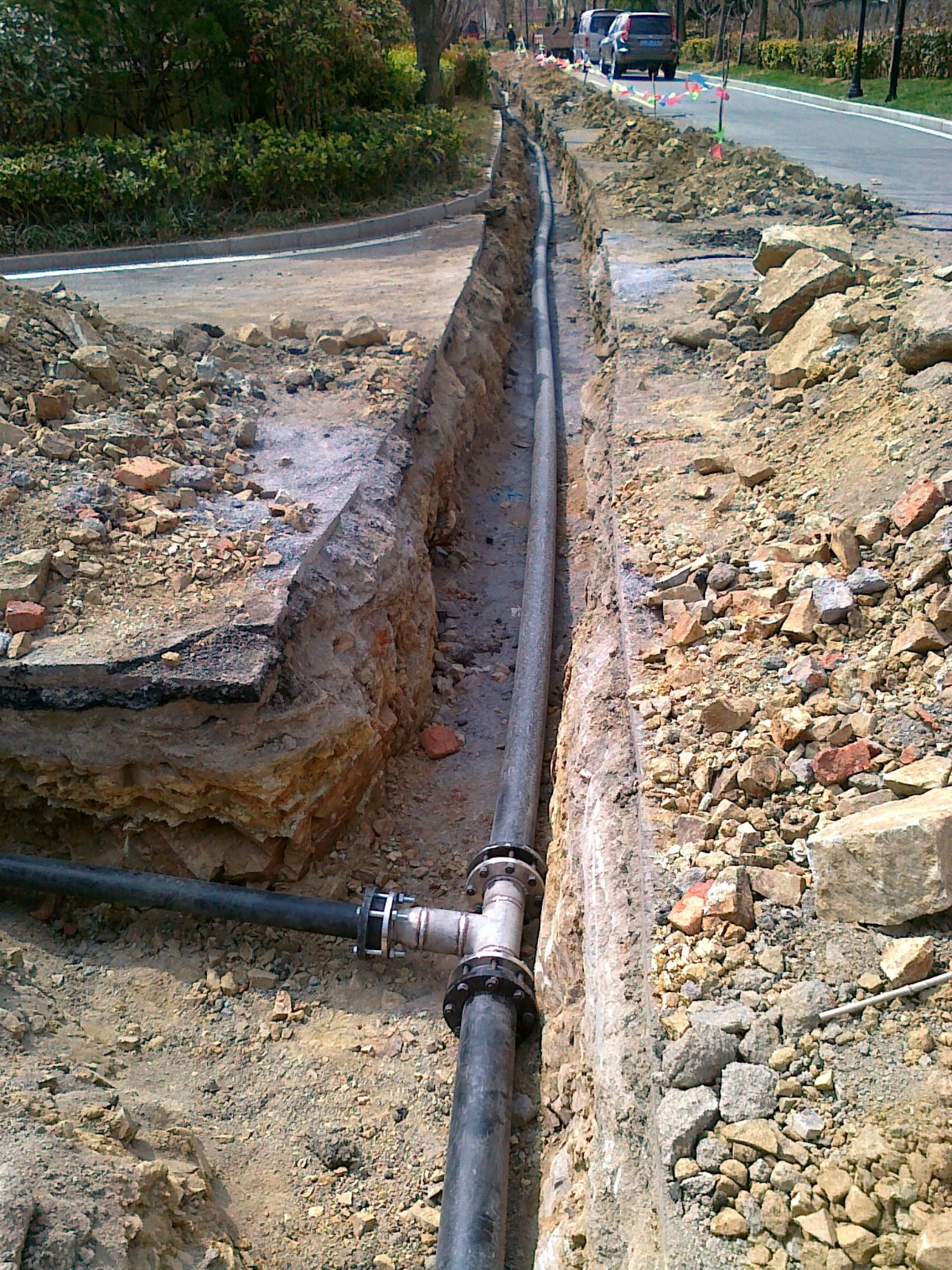
Procuring equipment and contracting services for oil pipeline transportation engineering requires rigorous vendor qualification. Whether you are sourcing bulk API line pipes, mainline block valves, or fully integrated modular pumping skids, the Chinese supply chain offers immense production capacity and engineering capability. However, ensuring strict API compliance, flawless material traceability, and fabrication precision demands active oversight at the mill and fabrication yard.
Navigating API-certified mills and fabrication yards in China? Let us handle vendor qualification, technical alignment, and procurement execution.
Talk to our teamCore Specifications for Pipeline Procurement
When sourcing materials for oil pipeline engineering, generic specifications lead to catastrophic failures. Chinese mills produce everything from standard structural steel to high-yield sour service pipe. You must define the exact product specification levels (PSL) and environmental requirements upfront.
Line Pipe Standards and Material Grades
For oil transportation, API 5L is the baseline. Procurement documentation must clearly specify whether you require PSL 1 (standard) or PSL 2 (stringent chemical and mechanical properties, mandatory notch toughness). Material grades typically range from X52 for standard gathering lines up to X80 for high-pressure transmission networks. If the pipeline will handle sour crude, materials must also comply with NACE MR0175 for sulfide stress cracking resistance.
Coating and Corrosion Protection
Bare steel is rarely shipped for pipeline projects. Factory-applied coatings are critical for asset longevity and must be specified based on the operating environment.
| Coating Type | Primary Application | Key Characteristics |
|---|---|---|
| Fusion Bonded Epoxy (FBE) | Standard buried pipelines | Excellent adhesion, susceptible to mechanical damage during transport |
| 3-Layer Polyethylene (3LPE) | Harsh environments, rocky terrain | Superior mechanical protection, high moisture resistance |
| Concrete Weight Coating (CWC) | Subsea or wetland crossings | Provides negative buoyancy and impact protection |
Manufacturing Oversight and Quality Control
The gap between a manufacturer's stated capabilities and their actual floor practices can be significant. Relying solely on final documentation is a high-risk strategy in pipeline engineering. Comprehensive factory audits are mandatory to verify a mill’s active API monograms, calibration records, and actual production capacity before placing an order.
Once production begins, quality is secured through continuous verification rather than post-production sorting.
Critical Inspection Hold Points
- Material Test Reports (MTRs): Verification of heat numbers and chemical composition against raw steel plates or coils.
- Non-Destructive Testing (NDT): Ultrasonic testing (UT) and radiographic testing (RT) of all longitudinal and spiral welds.
- Hydrostatic Testing: Pressure testing of every pipe joint to verify structural integrity under load.
- Holiday Detection: High-voltage spark testing on coated pipes to identify microscopic pinholes in the anti-corrosion layer.
- Dimensional Tolerances: Strict checks on out-of-roundness, wall thickness, and bevel angles for seamless field welding.
Implementing robust quality control and inspection protocols, including coordinating Third-Party Inspection (TPI) agencies during critical hold points, ensures that defective joints or out-of-spec valves never leave the facility.
Buying Mechanics: Pricing, MOQs, and Lead Times
Pipeline procurement operates on project scales, heavily influenced by global steel indices and specialized fabrication schedules.
- Minimum Order Quantities (MOQs): For custom API line pipe rollings, mills typically require a minimum of 500 to 1,000 metric tons per diameter and wall thickness. For engineered equipment like scraper traps (pig launchers/receivers) or metering skids, MOQs are project-based (often single units), but engineering setup costs will be front-loaded.
- Pricing Drivers: Beyond raw steel costs, pricing is dictated by the PSL level, testing requirements (e.g., sour service HIC/SSCC testing), and coating specifications.
- Lead Times: Standard API 5L pipe production usually requires 60 to 90 days, assuming raw material availability. Complex engineered skids or large-diameter mainline valves (API 6D) often require 120 to 180 days from approved drawing to ex-works.
Logistics for pipeline engineering are uniquely challenging. Moving thousands of tons of coated pipe or oversized pumping skids requires specialized shipping and freight solutions, heavily relying on breakbulk vessels and project cargo charters rather than standard containerized freight.
Need to lock in steel pricing and production schedules for your next pipeline project? We manage the end-to-end procurement and logistics process.
Get a free consultationFrequently Asked Questions
Successful oil pipeline engineering procurement requires more than just finding a mill with an API certificate; it demands rigorous technical alignment, continuous quality oversight, and complex logistics management. Working with a dedicated sourcing partner ensures your project materials are delivered to spec, on time, and fully documented.
Get Sourcing Help for Oil Pipeline Transportation Engineering
Tell us your requirements and our experts will connect you with verified manufacturers.