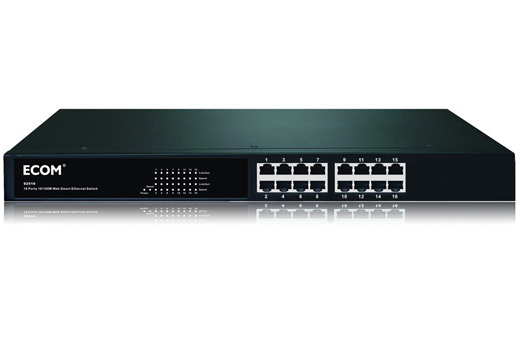
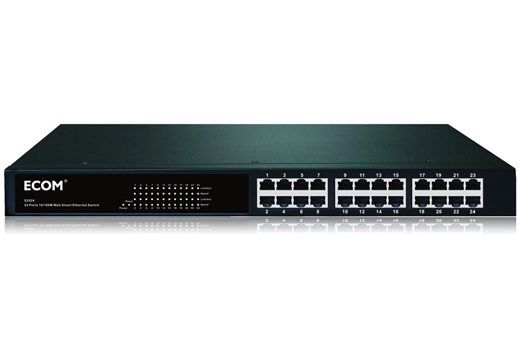
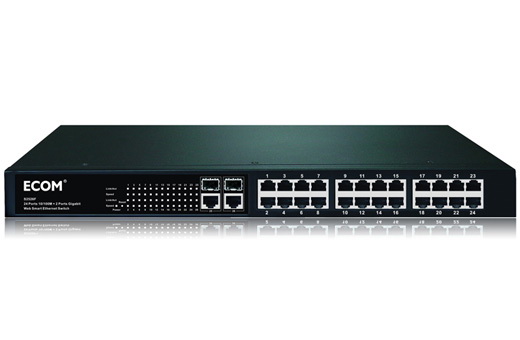
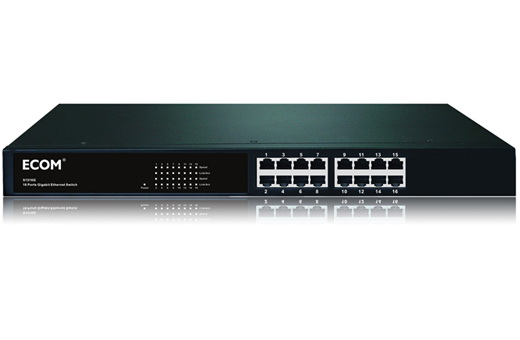
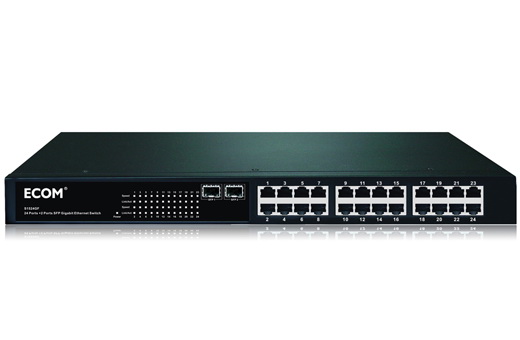
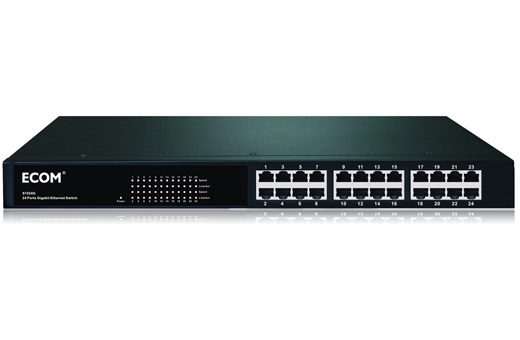
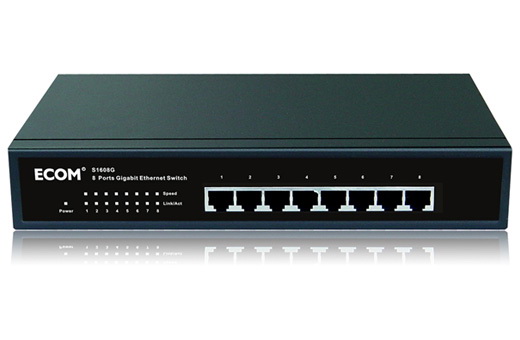
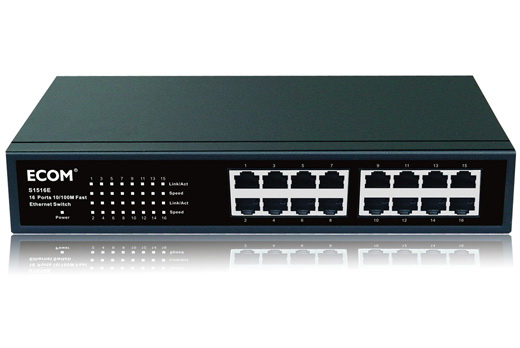
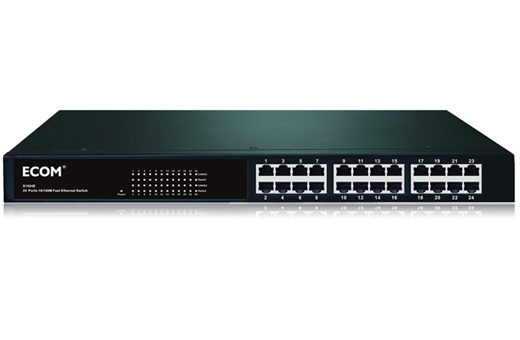
Network Switches
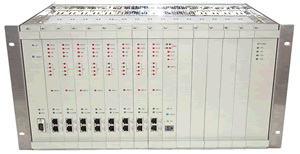
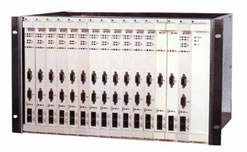
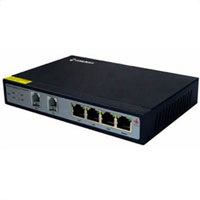
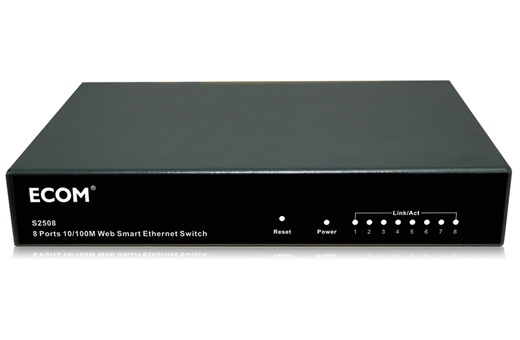
Source commercial and enterprise-grade network switches directly from vetted manufacturers and suppliers. Designed for importers, IT hardware distributors, and tech brands seeking OEM/ODM production, our network switch factories offer scalable, high-performance networking solutions for bulk and private-label procurement.
Sourcing network switches at scale requires navigating a complex landscape of chipset allocations, thermal design tolerances, and firmware stability. The core challenge isn't just finding a factory capable of basic PCBA assembly; it is ensuring the manufacturer possesses the engineering depth to integrate high-speed switching silicon and reliable power delivery without compromising switching capacity or packet forwarding rates under heavy network loads.
Core Specifications and Chipset Selection
The foundation of any network switch is its switching silicon. The chipset dictates the backplane bandwidth, forwarding rate (measured in Mpps), and the feature set available for management. When specifying switches for bulk manufacturing, buyers must align the silicon choice with their target market. Realtek chipsets are standard for cost-effective unmanaged and web-smart Gigabit switches, while Broadcom and Marvell silicon dominate the enterprise Layer 2/Layer 3 managed switch space, particularly for 10G, 40G, and 100G uplinks.
Beyond the core silicon, Power over Ethernet (PoE) implementation is a critical specification. You must clearly define the total PoE power budget and the standard supported (802.3af, 802.3at PoE+, or 802.3bt PoE++). A common failure point in poorly sourced switches is an undersized Power Supply Unit (PSU) that cannot sustain the advertised PoE budget across all ports simultaneously.
| Specification | Commercial / SOHO | Enterprise Layer 2/3 |
|---|---|---|
| Typical Chipsets | Realtek, MediaTek | Broadcom, Marvell |
| Port Speeds | 10/100/1000 Mbps | 1G, 2.5G, 10G, up to 100G Uplinks |
| PoE Budget | 60W to 150W | 250W to 700W+ (Redundant PSUs) |
| Thermal Design | Fanless / Passive | Active Cooling (Smart Fans) |
Manufacturing Quality and Factory Evaluation
Network switch manufacturing relies heavily on high-precision Surface Mount Technology (SMT) lines. Given the density of components and the high frequencies involved in modern networking, solder joint integrity is paramount. When evaluating a supplier, their SMT capabilities and subsequent testing protocols separate reliable manufacturers from high-risk assemblers.
Conducting thorough Factory Audits is essential before committing to a production run. You need to verify that the factory utilizes Automated Optical Inspection (AOI) and X-ray inspection for BGA (Ball Grid Array) packages.
Need help verifying a network hardware manufacturer? Let our engineers assess their production capabilities.
Talk to our teamCritical Quality Checkpoints
- Thermal Management Testing: High-speed switches and PoE models generate significant heat. Ensure the factory conducts thermal chamber testing to verify heatsink efficacy and fan controller logic.
- Traffic Generator Testing: Every unit should be tested using professional traffic generators (like Spirent or Ixia) to confirm it achieves the advertised non-blocking switching capacity without dropping packets.
- Burn-in Testing: A mandatory step for enterprise hardware. Units must undergo high-temperature burn-in (typically 40 to 48 hours at elevated temperatures) to catch early-life component failures.
- PSU Stability: Rigorous load testing of the internal power supply, especially for high-budget PoE switches, to prevent voltage drops that cause connected devices to reboot.
Implementing robust Quality Control & Inspection protocols ensures these tests are strictly adhered to during mass production, minimizing RMA rates.
OEM/ODM Customization Capabilities
For brands looking to build their own hardware portfolio, network switches offer multiple layers of customization. Bare-metal switches allow buyers to load their preferred Network Operating System (NOS), while traditional OEM models come with factory-provided firmware.
When utilizing OEM/ODM Services, customization typically involves:
- Chassis Design: Custom tooling for the metal enclosure, specific paint finishes, and custom port layouts.
- Firmware Customization: Modifying the Web GUI to reflect your brand colors, logos, and specific default configurations (e.g., default VLAN setups or specific spanning tree protocols).
- Packaging and Documentation: Tailored quick-start guides, compliance labeling, and drop-test certified retail packaging.
Define Hardware Specs
Specify port count, speeds, PoE budget, and required switching capacity.
Select Base PCBA or Custom Layout
Choose a proven off-the-shelf board design or commission a custom layout for specific form factors.
Firmware Integration
Provide UI assets for web management interfaces and define default network states.
Prototype Validation
Test the Golden Sample for thermal stability, throughput, and software reliability.
Pricing, MOQs, and Lead Times
The cost of network switches is highly volatile, driven primarily by global IC (Integrated Circuit) availability and copper prices (for internal power delivery and heavy PCBs).
Typical Minimum Order Quantities (MOQs) depend heavily on the level of customization. For standard unmanaged or web-smart switches with simple logo printing, MOQs often range from 500 to 1,000 units. For fully custom ODM projects requiring new chassis tooling or significant firmware overhauls, expect MOQs to start at 2,000 units or higher to absorb the NRE (Non-Recurring Engineering) costs.
Lead times typically span 45 to 60 days, but this can extend to 90 days or more if specific broadcom silicon or high-capacity power supplies are facing global shortages.
Navigate IC shortages and negotiate better terms with vetted networking factories.
Get a free consultationFrequently Asked Questions
Securing a reliable supply chain for network switches requires rigorous technical vetting and an uncompromising approach to quality control. By partnering with factories that demonstrate strong engineering capabilities and strict testing protocols, you can build a networking hardware portfolio that delivers enterprise-grade reliability.
Get Sourcing Help for Network Switches
Tell us your requirements and our experts will connect you with verified manufacturers.