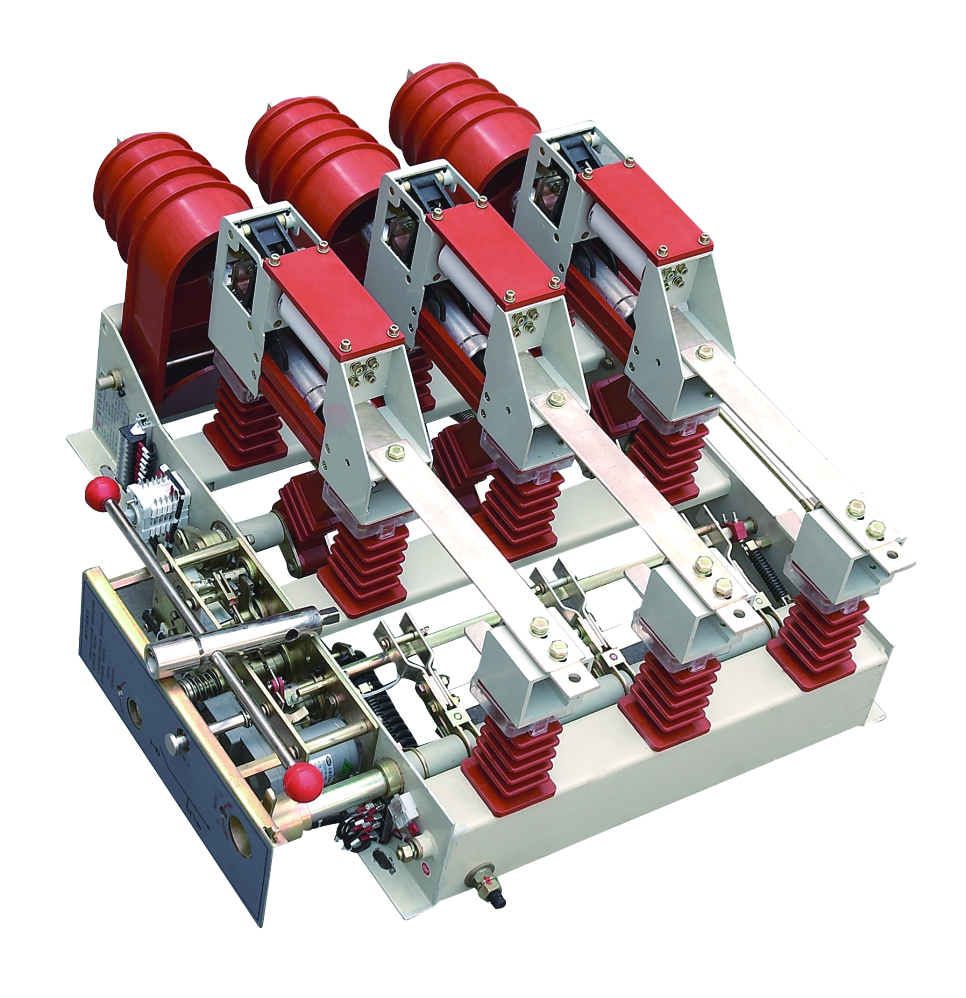
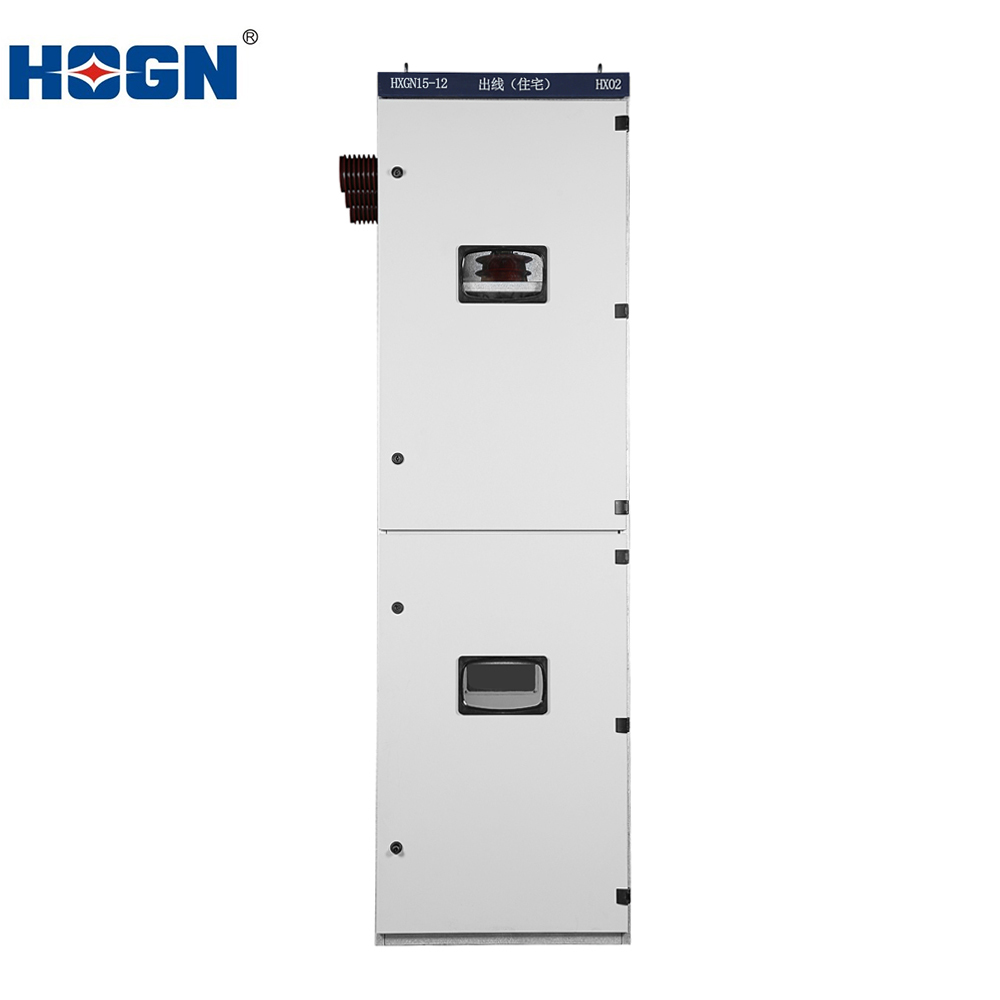
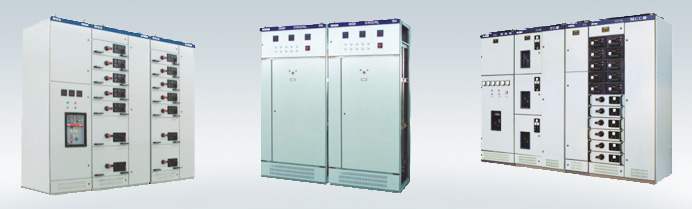
MV & HV Switchgear
Source reliable MV & HV switchgear from vetted manufacturers and suppliers in China and across Asia. Designed for electrical wholesalers, distributors, utility procurement managers, and brands seeking OEM production, our bulk wholesale options ensure rigorous compliance and performance for demanding high-voltage applications.
Sourcing medium and high voltage (MV & HV) switchgear requires balancing aggressive project budgets with zero-tolerance safety and reliability requirements. Whether you are importing standardized ring main units (RMUs) for distribution networks or commissioning custom-engineered primary switchgear for industrial substations, the core challenge remains the same: verifying that the factory's engineering capabilities and quality control match the nameplate specifications.
Critical Specifications for Bulk Procurement
When negotiating with switchgear manufacturers, vague specifications lead to component substitution. You must define the precise operational parameters and the origin of critical sub-components, such as protection relays and vacuum interrupters, early in the sourcing process.
- Rated Voltage (kV) & Current (A): Ensure the factory's type tests match your specific network requirements (e.g., 11kV, 24kV, 33kV, or up to 132kV for HV equipment).
- Short-Circuit Breaking Capacity (kA): A critical safety metric. Verify the duration (e.g., 25kA for 3 seconds) and ensure it aligns with the fault levels of the intended installation site.
- Internal Arc Classification (IAC): Essential for operator safety, dictating how the enclosure contains and vents the pressure and heat of an internal arc fault.
| Insulation Type | Typical Application | Sourcing Considerations |
|---|---|---|
| Vacuum (VCB) | Medium Voltage (up to 38kV) | High mechanical life; requires robust enclosure sealing and precision mechanisms. |
| SF6 Gas | Medium & High Voltage (up to 800kV) | Compact footprint; facing increasingly strict import regulations in the EU and US. |
| Solid Dielectric | Medium Voltage (up to 38kV) | Environmentally friendly; higher initial cost, requires flawless epoxy casting to avoid partial discharge. |
Evaluating Factory Capabilities and Quality Control
Not all assembly plants are true manufacturers. Many simply purchase enclosures, busbars, and breakers from sub-suppliers and assemble them. To ensure long-term reliability, you must assess the factory's in-house fabrication and testing infrastructure. Conducting rigorous factory audits is essential before placing volume orders or signing long-term supply agreements.
Key Factory Verification Points
- In-house CNC punching and bending for enclosures to ensure consistent IP ratings.
- Silver or tin plating thickness on copper busbars to prevent thermal faults and oxidation.
- Availability of a shielded room for accurate Partial Discharge (PD) testing.
- Routine testing capabilities including power frequency withstand voltage and mechanical operation tests.
Need to verify a switchgear manufacturer's testing capabilities? Our engineering team can evaluate their facilities and type test reports on the ground.
Discuss your sourcing requirementsOEM Customization and Compliance
For brands looking to import under their own label or distributors needing market-specific modifications, OEM/ODM services allow for customized panel dimensions, specific relay integrations, and localized safety interlocking mechanisms. You might specify premium European or American relays (like ABB, Siemens, or SEL) to be integrated into locally manufactured panels to balance cost and market acceptance.
When modifying standard designs, ensure the manufacturer has valid type test reports from independent laboratories (like KEMA or ASTA) that cover your specific custom configuration. If the modifications alter the fundamental electrical characteristics, you may need to engage in compliance and testing to certify the new design for your target market.
Pricing Drivers, MOQs, and Lead Times
Switchgear pricing is heavily influenced by global commodity markets (specifically copper for busbars and steel for enclosures) and the origin of the internal switch and breaker components.
- Typical MOQs: Given the project-based and capital-intensive nature of MV and HV switchgear, Minimum Order Quantities are often as low as 1 to 5 units. However, volume discounts typically trigger at 20 or more units, which is common for standardized secondary switchgear like RMUs or pole-mounted autoreclosers.
- Lead Times: Standard configurations usually require 4 to 6 weeks for production. Custom-engineered primary switchgear panels often extend to 8 to 12 weeks, largely depending on the procurement time for specified international protection relays and components.
- Logistics & Handling: Switchgear panels are top-heavy, bulky, and highly sensitive to moisture and shock. Proper export crating with vapor barriers, desiccants, and shock indicators is non-negotiable. Coordinating shipping and freight for these items requires specialized project cargo handling to prevent damage during transit.
Managing complex electrical equipment procurement? We handle everything from factory negotiation to final site delivery.
Talk to our teamFrequently Asked Questions
Procuring MV and HV switchgear in bulk is a complex technical transaction where the cost of a quality failure far exceeds the initial purchase savings. Success requires rigorous supplier vetting, airtight engineering specifications, and continuous quality oversight on the factory floor. If you need an experienced partner on the ground to manage this critical supply chain, our team is ready to assist.
Get Sourcing Help for MV & HV Switchgear
Tell us your requirements and our experts will connect you with verified manufacturers.