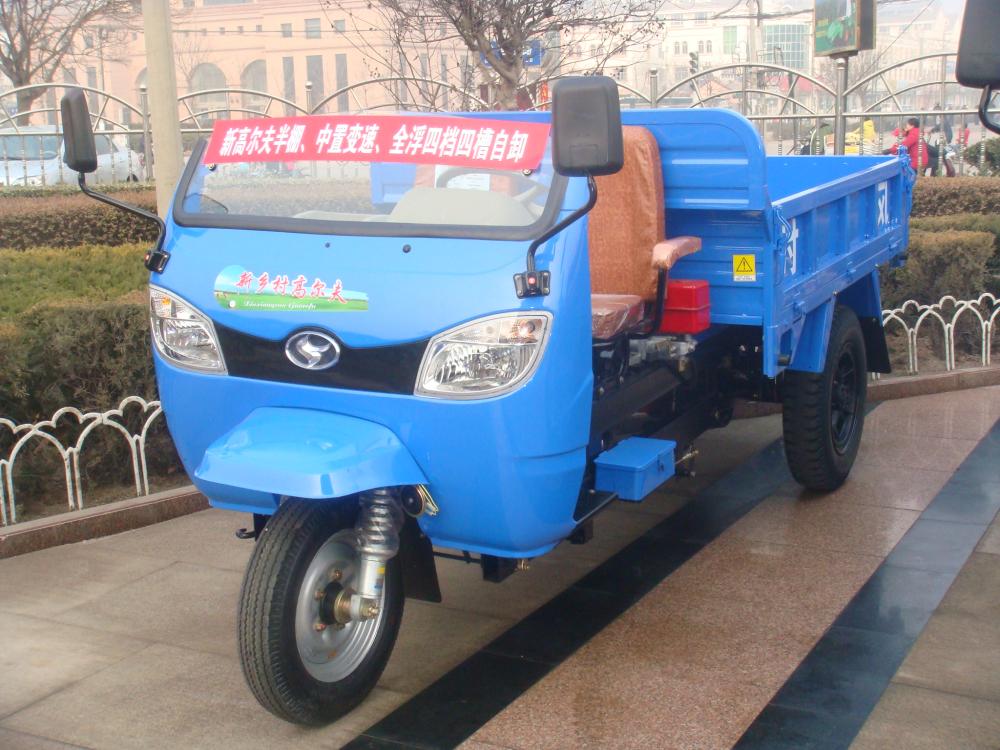
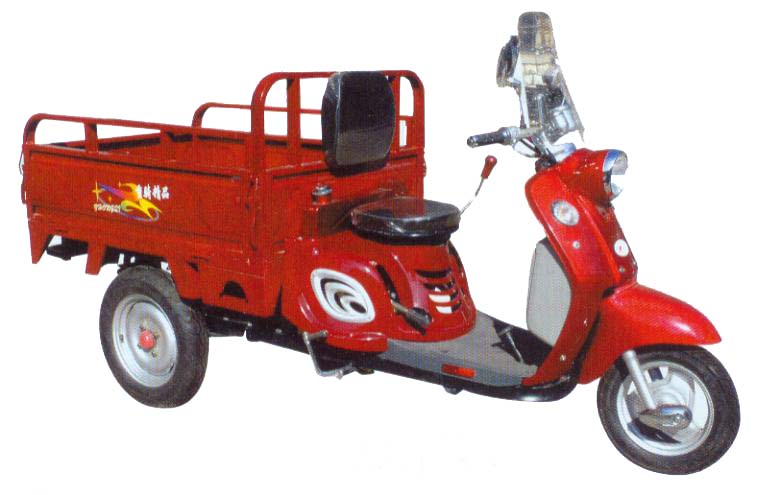
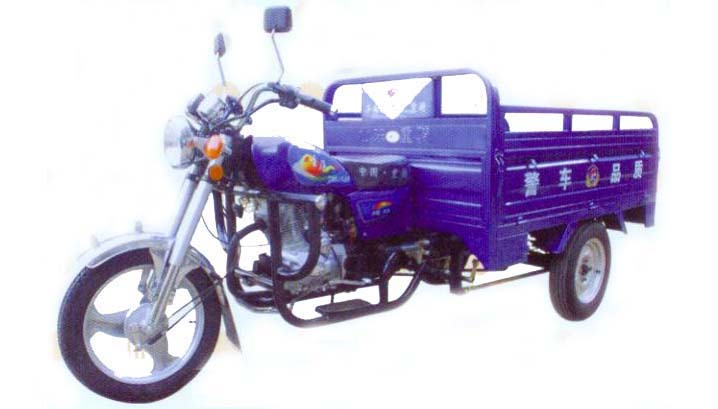
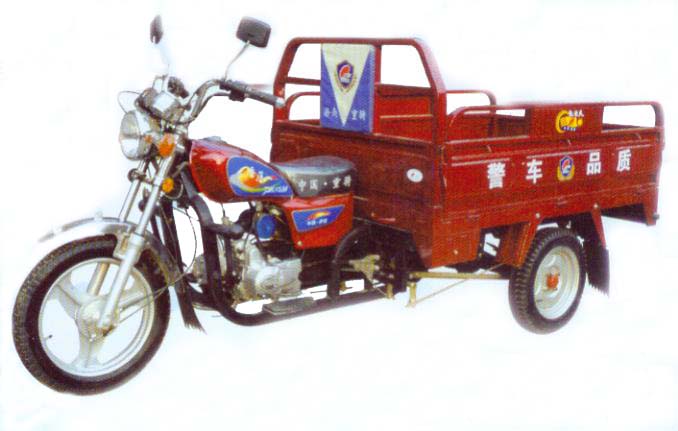
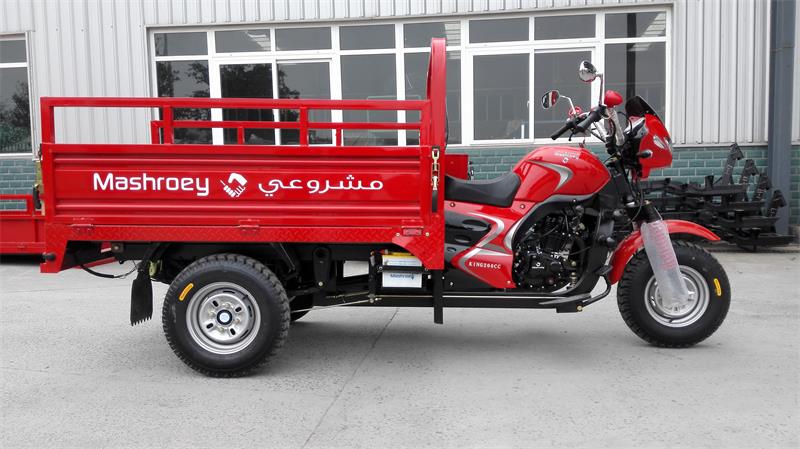
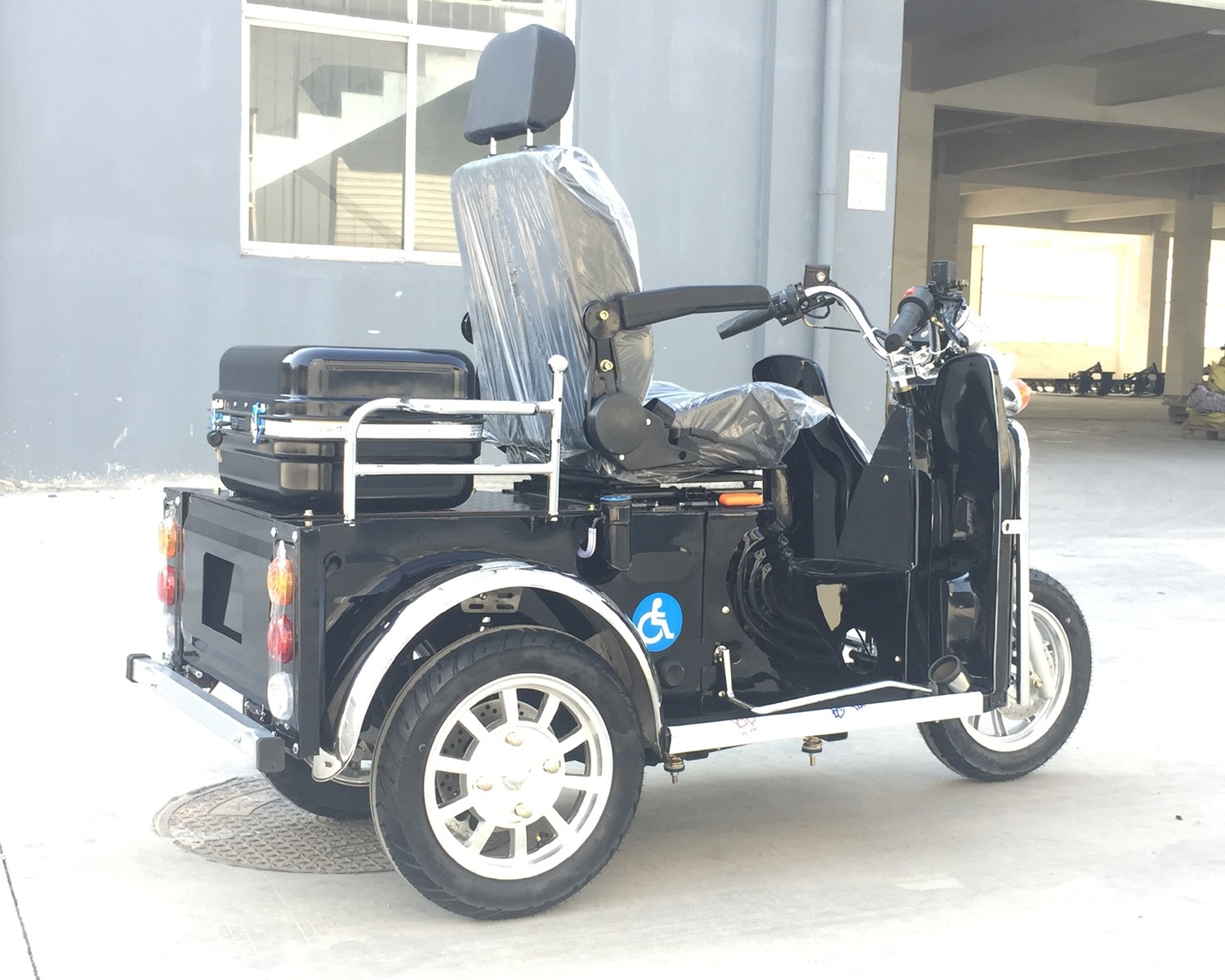
Motorized Tricycles
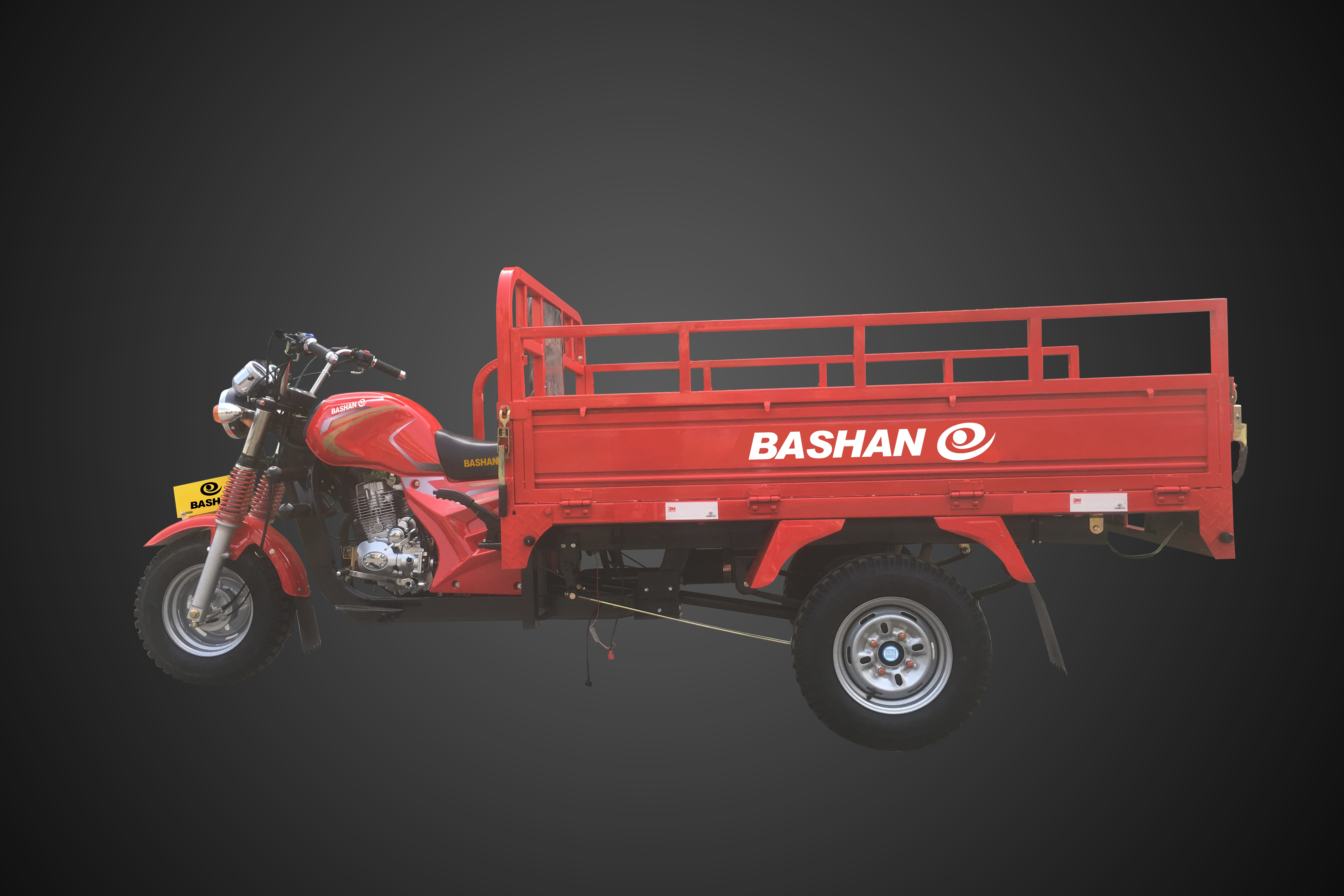
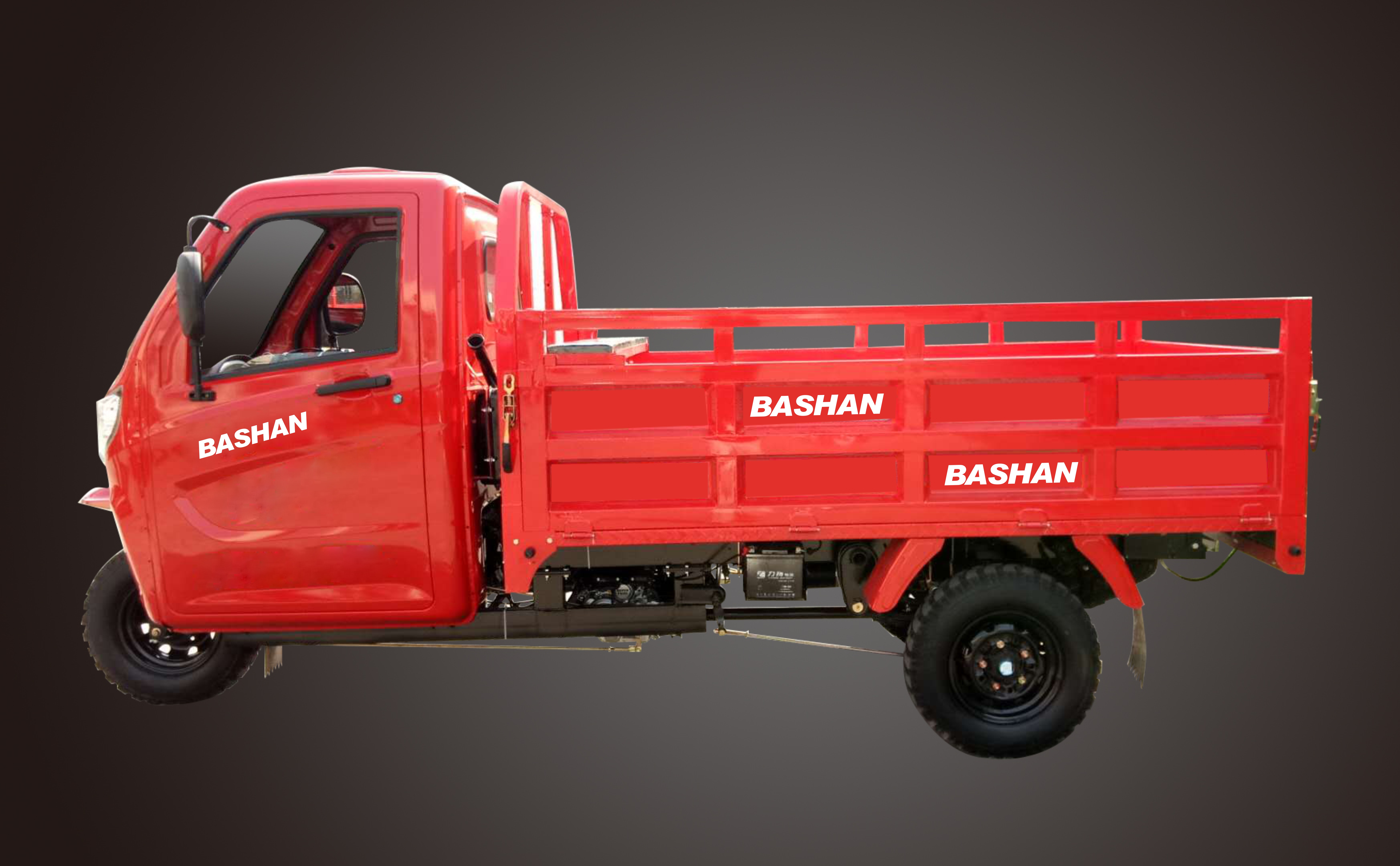
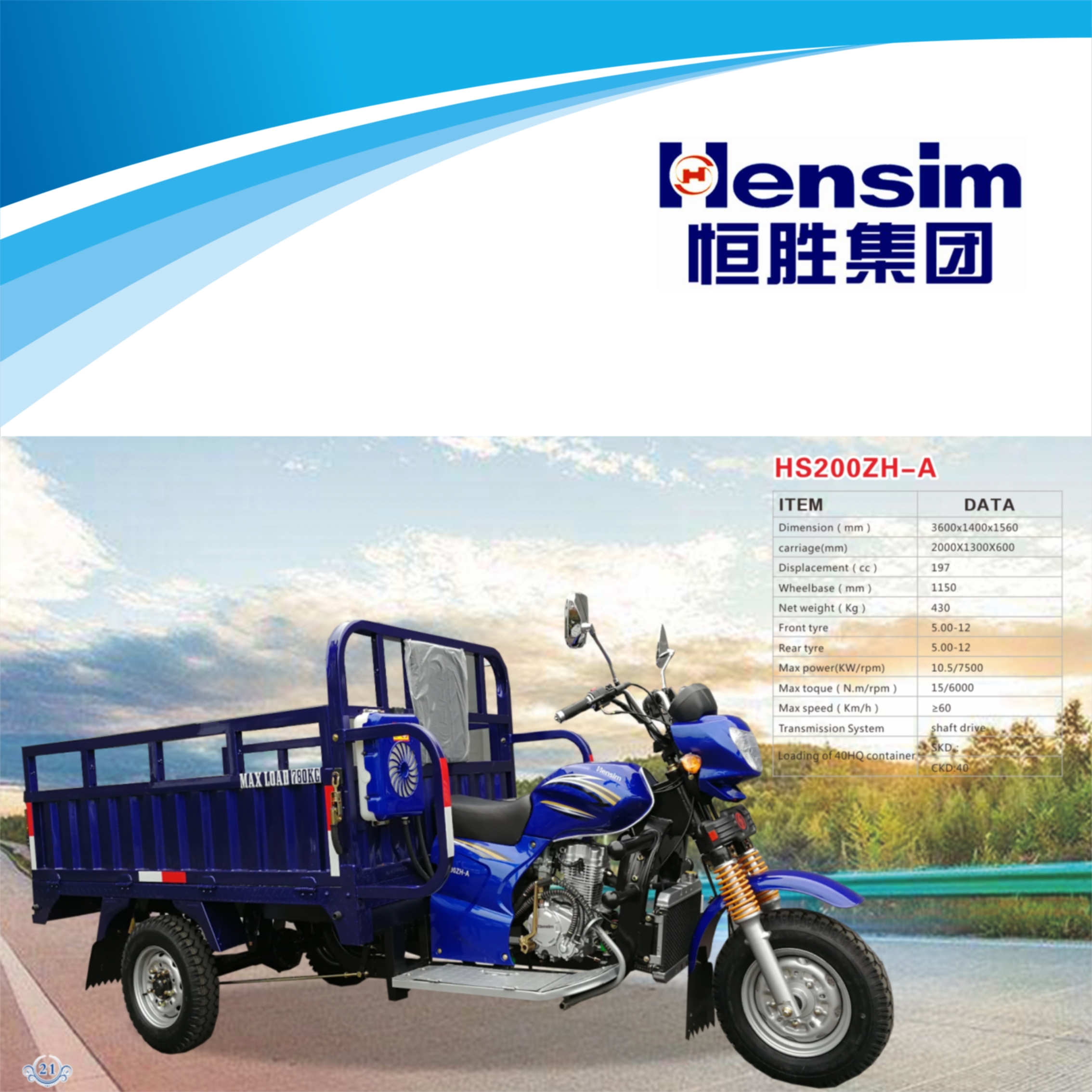
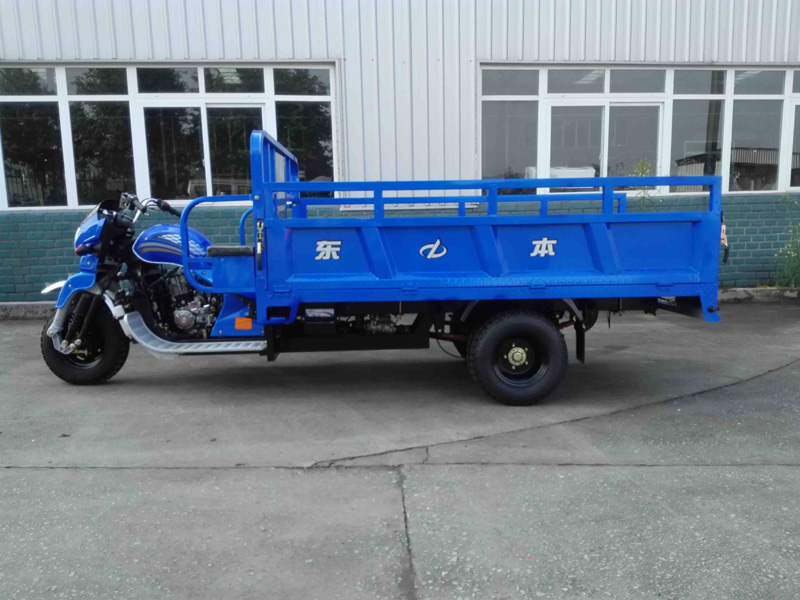
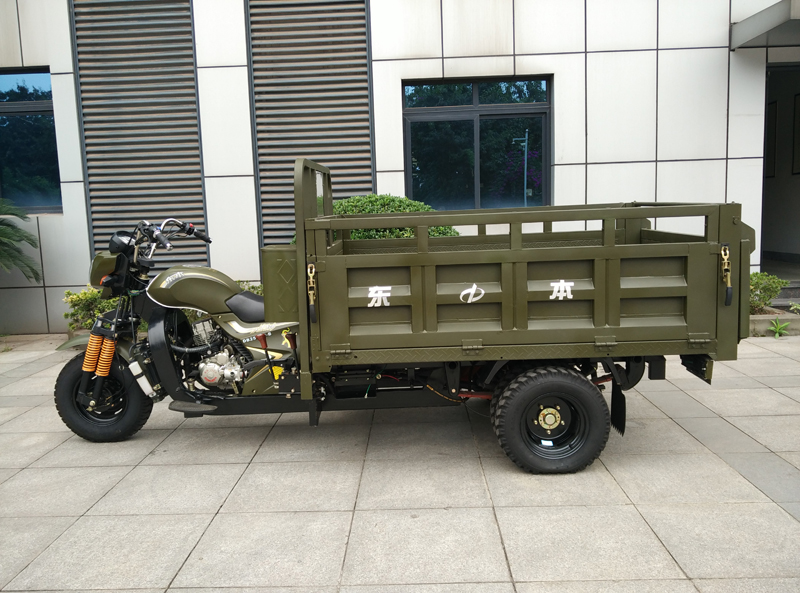
Source bulk motorized tricycles from vetted manufacturers and suppliers across Asia. Designed for importers, wholesalers, and brands seeking OEM production, this catalog connects you with factory-direct pricing for heavy-duty cargo and passenger models. Ensure reliable performance and scale your supply chain today.
Motorized tricycles are the workhorses of last-mile logistics, agricultural transport, and regional passenger transit. Sourcing these vehicles in volume requires balancing unit cost with structural integrity. A failing rear axle or a poorly welded chassis under full payload does not just cost you a replacement part; it damages your brand's reputation in your local market. Successfully importing these units requires tight control over specifications, factory capabilities, and shipping formats.
Specifying the Powertrain and Chassis
When negotiating with manufacturers, the baseline specifications dictate both the vehicle's lifespan and its price point. Buyers must look beyond engine displacement and evaluate the structural components that bear the actual load.
For internal combustion models, 150cc to 200cc air-cooled engines are sufficient for light passenger use, but heavy cargo requires 250cc to 300cc water-cooled engines to prevent overheating under continuous strain. For electric models, specify high-torque brushless DC motors (typically 1500W to 3000W) paired with heavy-duty controllers.
The rear axle is the most critical failure point in cargo applications.
| Specification | Light Cargo / Passenger | Heavy-Duty Cargo |
|---|---|---|
| Engine / Motor | 150cc-200cc or 1000W-1500W | 250cc-300cc water-cooled or 2000W+ |
| Rear Axle Type | Semi-floating | Full-floating with booster/low gear |
| Suspension | Standard hydraulic shock | Reinforced leaf springs (5+ layers) |
| Payload Capacity | Under 500kg | 1000kg to 1500kg+ |
Need to verify a manufacturer's structural welding and assembly capabilities before placing a bulk order?
Talk to our teamManufacturing Quality and Vulnerabilities
Quality is won or lost on the factory floor, specifically in the welding and surface treatment stages. Many lower-tier suppliers use manual welding for the main frame. While acceptable if done by skilled technicians, robotic welding provides the consistency required to prevent chassis micro-fractures under heavy vibration.
Rust prevention is another major differentiator. A reliable factory will use acid pickling, phosphating, and electrophoretic coating (cathodic electrodeposition) before the final paint application. Skipping these steps leads to rapid corrosion, especially in tropical or coastal markets. Conducting comprehensive factory audits is the most effective way to confirm a supplier actually utilizes an electrophoretic paint line rather than just standard spray painting.
Critical Pre-Shipment Inspection Points
- Weld integrity on the main frame, cargo box mounts, and steering column.
- Engine or motor alignment and mounting bracket thickness.
- Electrical harness routing (must be protected from chassis abrasion).
- Brake system responsiveness and fluid line securement.
- Paint adhesion testing (cross-cut test) to verify surface treatment.
Implementing strict quality control prior to container loading ensures that defective units or poorly aligned chassis components never leave the factory.
Shipping Formats: CBU, SKD, and CKD
Motorized tricycles are high-volume items. Shipping them fully assembled (CBU - Completely Built Up) is highly inefficient and drives up landed costs due to wasted container space. Bulk buyers almost exclusively import via SKD or CKD.
- SKD (Semi Knocked Down): The chassis and engine are typically assembled, but the cargo box, wheels, and front fork are detached. This balances shipping efficiency with easier local assembly.
- CKD (Completely Knocked Down): Every component is shipped as a separate part. This maximizes container density (often doubling or tripling the number of units per container compared to CBU) and minimizes import duties in many countries. However, it requires you to have a dedicated local assembly line and trained technicians.
Brands expanding their market presence often utilize OEM/ODM services to customize cargo box dimensions, upgrade suspension systems for local road conditions, and apply custom branding to the stamped metal before the CKD/SKD packing process.
Pricing, MOQs, and Lead Times
Pricing fluctuates based on raw steel costs, engine specifications, and the chosen shipping format. Factories will typically quote based on container volumes rather than arbitrary unit counts.
Planning your next container order? Let us handle supplier negotiation, quality control, and export logistics.
Get a free consultationBuyer FAQ
Sourcing motorized tricycles requires a rigorous approach to mechanical specifications and shipping logistics. By focusing on structural integrity, verifying factory surface treatments, and optimizing your CKD/SKD container loads, you can secure durable vehicles that deliver long-term value to your market.
Get Sourcing Help for Motorized Tricycles
Tell us your requirements and our experts will connect you with verified manufacturers.