Motorcycle Roller Chains
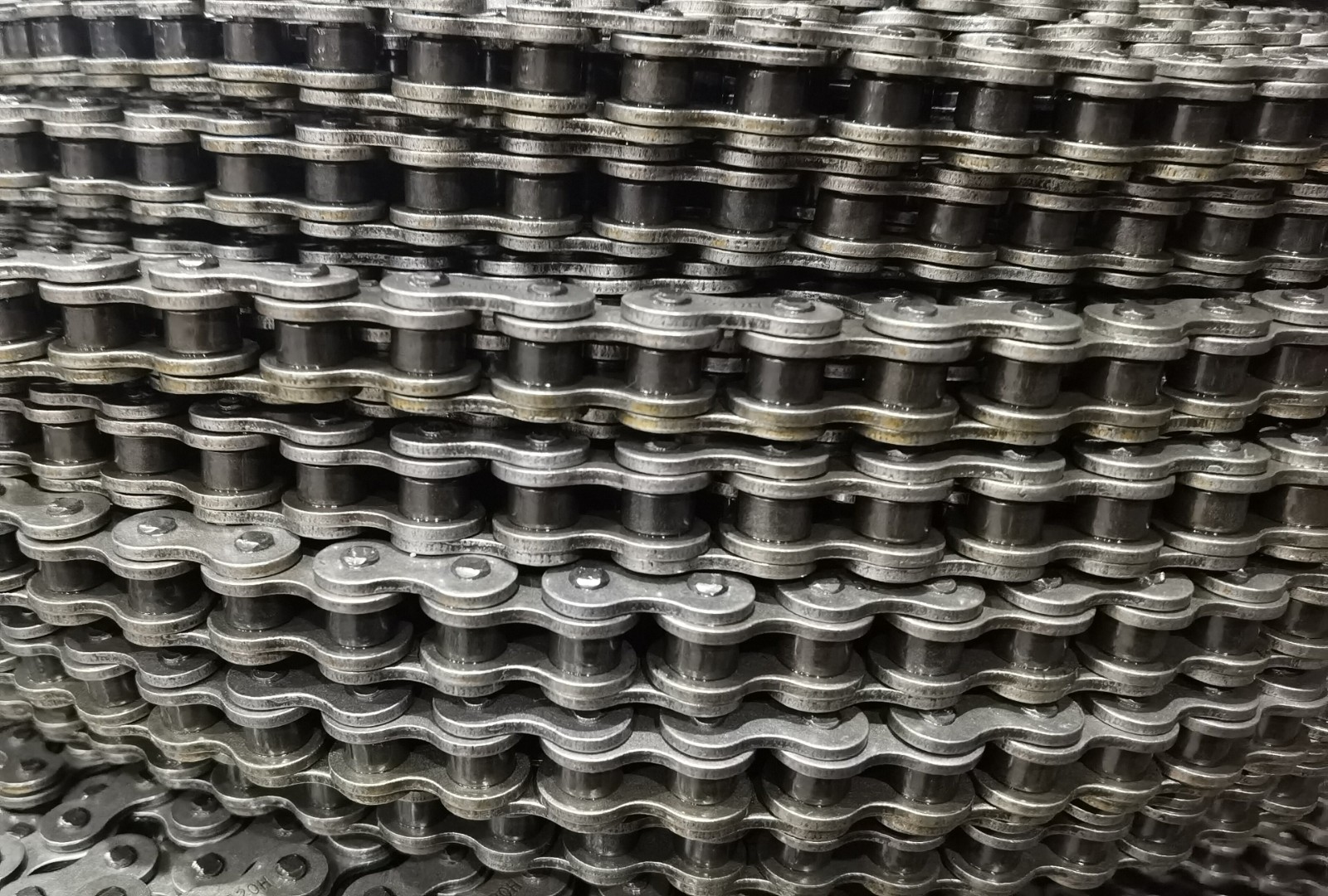
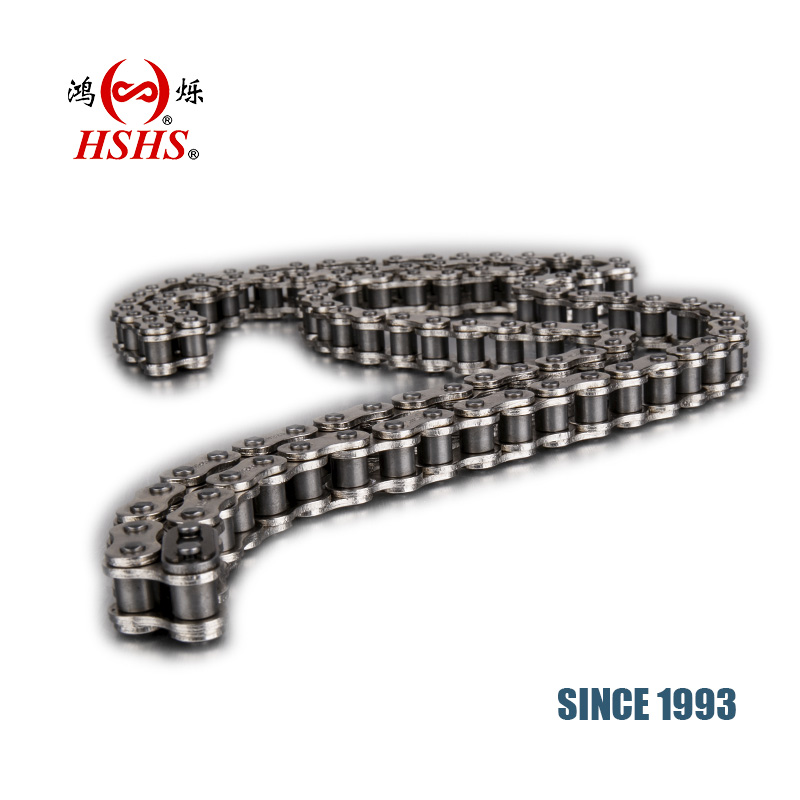
Source high-performance motorcycle roller chains from vetted manufacturers and suppliers. Designed for importers, distributors, and brands requiring reliable bulk supply or OEM production, our network delivers precision-engineered drive chains built to strict international standards for durability and tensile strength.
Sourcing motorcycle drive chains in volume requires a strict balance of tensile strength, wear resistance, and unit cost. The difference between a premium OEM chain and an aftermarket liability isn't visible to the naked eye—it lies deep in the factory's metallurgy, stamping precision, and heat treatment processes. For wholesale buyers and procurement managers, verifying a manufacturer's technical capabilities before committing to a bulk order is the most critical step in the sourcing lifecycle.
Drive Chain Specifications and Metallurgy
When specifying roller chains (such as 420, 428, 520, 525, and 530 pitches), the core materials dictate the product's fatigue limit. Premium chains typically utilize high-carbon alloy steels. Side plates are often stamped from 45Mn or 40Mn steel, while pins and rollers require harder alloys like 30CrMnTi or 20CrMnMo to withstand constant friction and shear forces.
Beyond the raw material, the type of seal specified directly impacts the chain's longevity, friction coefficient, and wholesale cost.
| Chain Type | Seal Mechanism | Wear Resistance | Primary Market Application |
|---|---|---|---|
| Standard (Non-Sealed) | None | Base level | Low-cc commuters, economy aftermarket |
| O-Ring Sealed | Solid circular rubber ring | High (retains factory grease) | Mid-to-high displacement, touring |
| X-Ring Sealed | Twisted ring with 4 contact points | Maximum (lower friction than O-ring) | Premium aftermarket, racing, heavy touring |
Where Quality is Won or Lost on the Factory Floor
A chain is only as strong as its weakest pin. Assessing a supplier requires looking past their assembly lines and examining their component manufacturing processes. Relying on professional factory audits is highly recommended to verify that a supplier actually controls their own heat treatment and stamping, rather than outsourcing these critical steps to unverified sub-tier workshops.
Precision Blanking
Side plates must be stamped with high-tonnage presses to ensure uniform thickness and perfectly cylindrical pitch holes. Burrs or micro-cracks here lead to premature fatigue failure.
Heat Treatment (Austempering)
Pins and rollers must undergo precise heat treatment to achieve a hardened outer shell (for wear resistance) while maintaining a ductile core (to absorb shock loads without snapping).
Four-Side Riveting
Advanced assembly lines utilize four-side quad-staking on the pin heads to maximize pin extraction force, preventing the side plates from separating under extreme torque.
Pre-Stretching (Pre-loading)
Quality chains are pre-stretched on the factory floor to near their working load limit. This seats the components and eliminates initial elongation when the end-user installs the chain.
Need to verify a chain manufacturer's heat treatment and testing capabilities? Let our sourcing engineers evaluate your suppliers.
Talk to our teamQuality Control and Performance Testing
Visual inspections are insufficient for power transmission components. When establishing your testing protocols, ensure your quality control teams are verifying the mechanical limits of the batch before shipment.
Essential Pre-Shipment Tests for Roller Chains
- Tensile Strength Testing: Verifying the chain meets or exceeds standard minimum breaking loads (e.g., over 34.3 kN for a premium 520 chain).
- Pin Extraction Force: Measuring the force required to push a riveted pin out of the side plate.
- Fatigue Life Testing: Running chain samples on dynamic test rigs to simulate thousands of kilometers of cyclic loading.
- Salt Spray Testing: Crucial for chains specified with zinc, nickel, or brass plating to ensure anti-corrosion claims hold up.
- Elongation Measurement: Checking dimensional accuracy across multiple pitches to ensure strict tolerance adherence.
Pricing Drivers, MOQs, and Lead Times
The cost of a motorcycle roller chain is driven by the pitch size, seal type (O-ring/X-ring vs. standard), plating requirements (gold/nickel finish), and packaging. Brands utilizing OEM/ODM services for custom laser-engraved side plates or bespoke retail packaging will face slightly higher initial setup requirements.
Looking to consolidate your motorcycle parts supply chain and negotiate better bulk pricing? We can help structure your purchasing.
Get a free consultationFrequently Asked Questions
Securing a reliable supply of motorcycle roller chains means looking beyond the quoted price per meter. By strictly defining your metallurgical requirements, mandating factory pre-stretching, and enforcing rigorous mechanical testing prior to shipment, you can protect your brand from the liabilities of premature chain failure. Managing this technical oversight on the ground in Asia is demanding, but it is the only way to guarantee consistent quality at scale.
Get Sourcing Help for Motorcycle Roller Chains
Tell us your requirements and our experts will connect you with verified manufacturers.