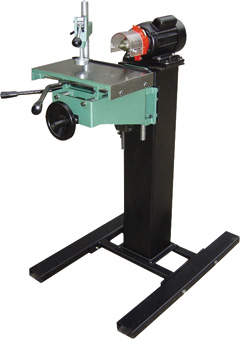
Mortising Machines
Source industrial mortising machines from vetted suppliers and manufacturers across Asia. Designed for importers, woodworking machinery distributors, and brands seeking reliable OEM or private-label production, our network delivers precision equipment built for high-volume manufacturing environments.
Sourcing mortising machines in bulk requires balancing motor durability with rigorous machining precision. For industrial woodworking equipment, the primary procurement challenge isn't simply locating a factory—it's identifying manufacturers capable of maintaining tight tolerances in heavy cast-iron components while supplying reliable, continuous-duty induction motors that withstand harsh shop environments.
Critical Specifications & Performance Tolerances
When negotiating specifications with an overseas manufacturer, vague requirements lead to inconsistent batches. Professional buyers must dictate exact parameters for both the power plant and the mechanical travel systems.
Key specifications to define in your purchase orders include:
- Motor Architecture: Specify Totally Enclosed Fan Cooled (TEFC) induction motors with 100% copper windings. Avoid factories substituting aluminum windings to cut costs, as this severely impacts thermal management during continuous mortising.
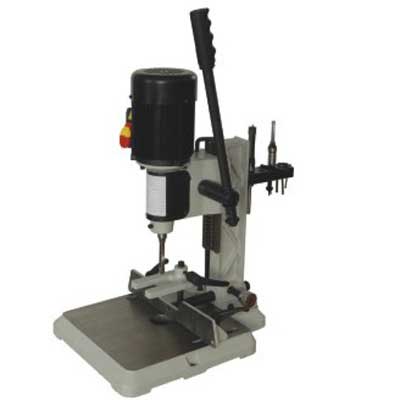
- Spindle Speed & Chuck Capacity: Standard operational speeds range from 1,700 RPM to 3,450 RPM. Ensure the chuck capacity (typically up to 5/8 inch or 3/4 inch) matches the intended chisel shanks, and specify precision-machined gear chucks over stamped alternatives.
- Travel Mechanisms: For the X and Y axes, specify dovetail ways with adjustable gibs rather than basic rack-and-pinion slides. This ensures long-term accuracy and allows end-users to compensate for wear.
| Component | Standard Commercial | Heavy Industrial |
|---|---|---|
| Motor Power | 0.5 to 1 HP | 1.5 to 3 HP |
| Column Construction | Steel tube or light cast iron | Massive ribbed cast iron |
| Hold-Down System | Basic quick-release | Cam-action with multi-point lock |
| Weight | 40 to 80 lbs | 200 to 400+ lbs |
Manufacturing Quality & Factory Evaluation
The core of a mortising machine's accuracy lies in its base and column. Top-tier manufacturers utilize seasoned cast iron. If a factory machines the castings immediately after pouring, the metal will warp over time, leading to a machine that cannot cut a square mortise.
Verifying a supplier's casting process, seasoning duration, and CNC machining capabilities is critical before committing to a high-volume order. Conducting proper Factory Audits allows you to confirm that the supplier actually mills their own dovetail ways in-house rather than outsourcing to lower-tier sub-suppliers, which often breaks quality control chains.
Need help verifying factory capabilities? Let our engineers audit your shortlisted mortising machine suppliers.
Talk to our teamCommon Defects & Inspection Protocols
Catching defects at the factory prevents costly returns and brand damage. Standard functional testing is insufficient; your inspection teams must measure mechanical tolerances.
Pre-Shipment Inspection Focus Areas
- Chuck Runout: Measure with a dial indicator; runout must be under 0.05mm to prevent chisel binding.
- Perpendicularity: Verify the chisel axis is exactly 90 degrees to the table across the full stroke.
- Gas Strut/Spring Tension: Ensure the head returns smoothly without slamming or requiring excessive manual lift force.
- Thermal Testing: Run the motor under no-load for 45 minutes to check for abnormal heat generation or bearing whine.
- Finish Quality: Check machined surfaces for rust-preventative coating and painted surfaces for uniform powder coating thickness.
Implementing rigorous Quality Control & Inspection prior to container loading is the only reliable way to enforce these mechanical tolerances.
Pricing, MOQs, and Lead Times
The woodworking machinery sector operates on distinct production cycles. Most factories assemble to order rather than holding finished inventory, which dictates lead times and minimum order quantities.
If you are leveraging OEM/ODM Services to customize colors, branding, or upgrade specific components (like adding a laser guide or upgrading the chuck), expect initial lead times to extend by 15 to 20 days for tooling and prototype approval. Volume pricing is heavily influenced by raw material costs (specifically cast iron and copper) and the complexity of the X/Y table travel system.
Looking to optimize your machinery supply chain or negotiate better terms? Speak with our sourcing experts.
Get a free consultationFrequently Asked Questions
Successfully sourcing mortising machines means looking past the spec sheet and scrutinizing the factory's casting and machining processes. When you control the component quality at the source, you guarantee a product that performs flawlessly on your customers' shop floors. If you need experienced boots on the ground to manage supplier vetting, technical negotiations, and QC, our team is ready to assist.
Get Sourcing Help for Mortising Machines
Tell us your requirements and our experts will connect you with verified manufacturers.